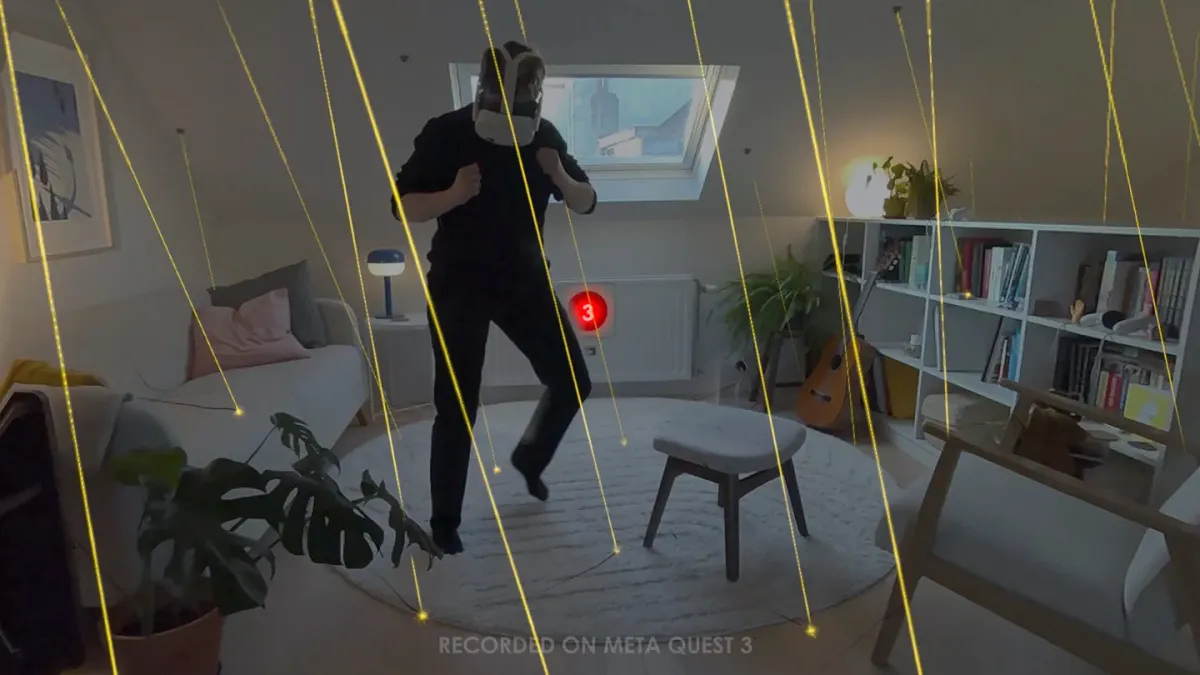
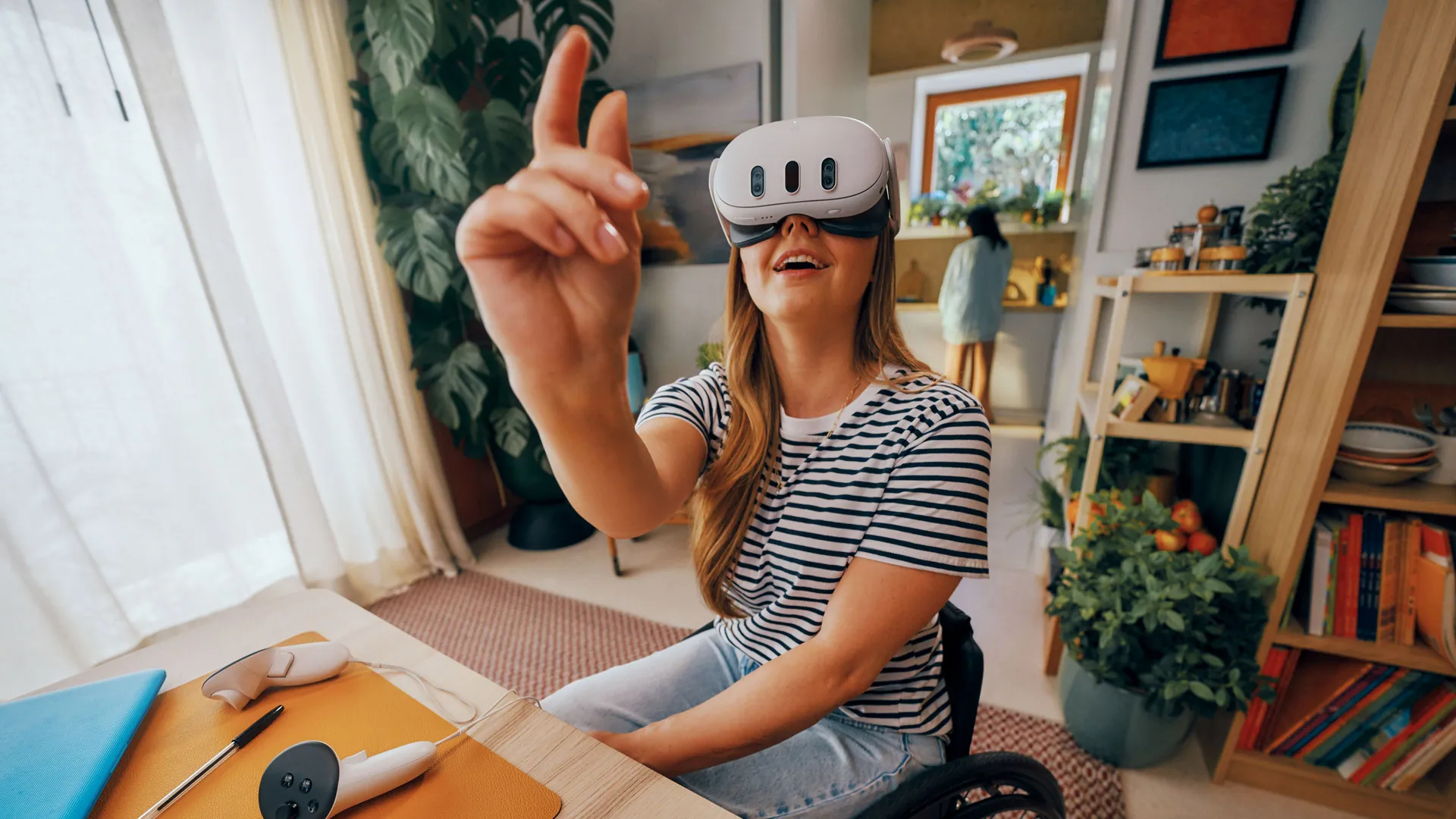
The article highlights the best hand tracking, mixed reality, and early access VR and MR experiences of 2025, including standout titles like Jigsaw Night, Laser Dance, Forefront, Little Critters, and Figmin XR, showcasing innovative gameplay and technological advancements across Meta Quest and Apple Vision Pro platforms.
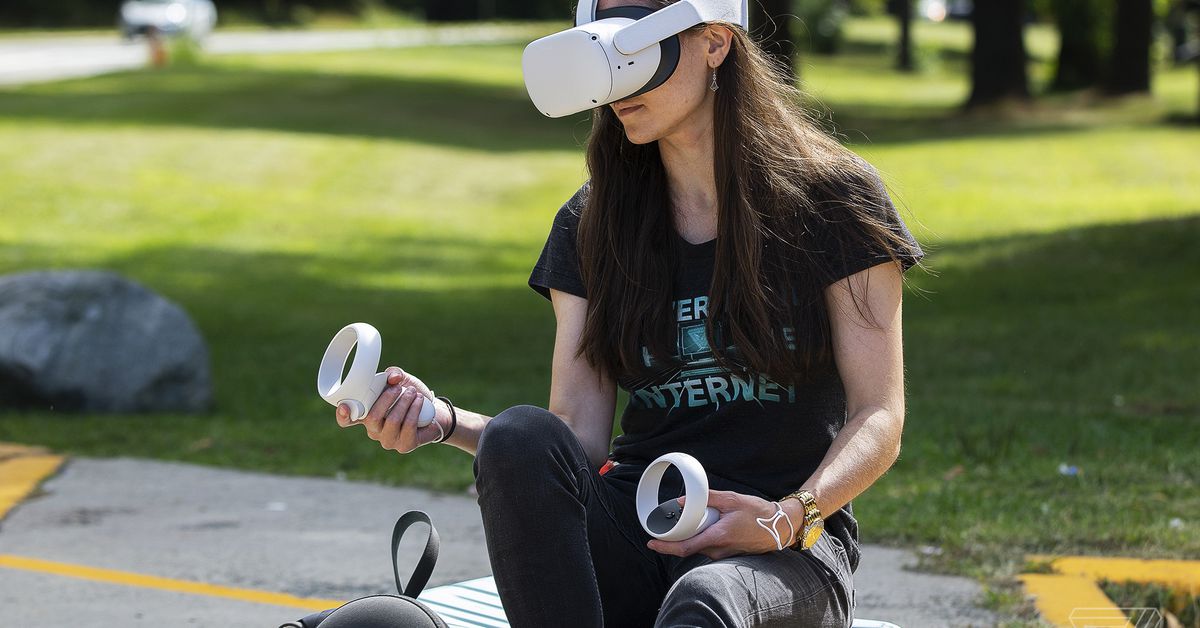
Meta's v83 update for Quest improves hand-tracking reliability and responsiveness, especially during fast movements and complex interactions, with new developer tools and customizable throwing interactions, though controllers still offer a more reliable input method for most users.
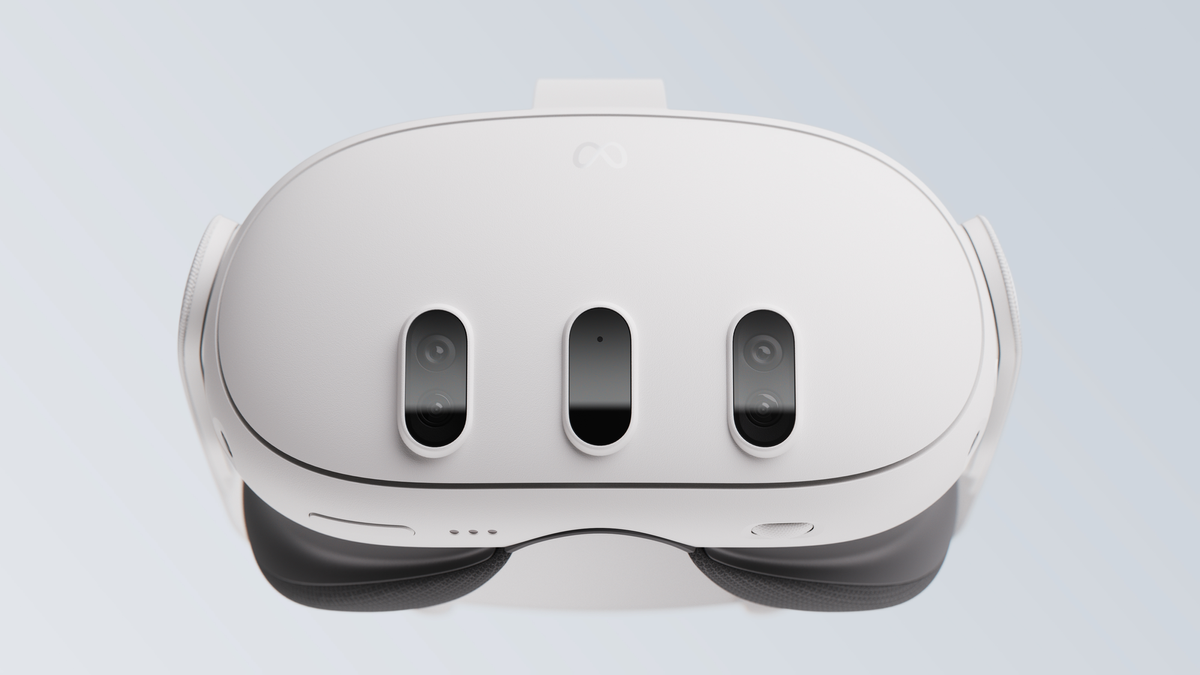
Meta's latest update for the Quest 3 and 3S VR headsets introduces easier pairing with Windows PCs and improved hand tracking, bringing them closer to the capabilities of the more expensive Apple Vision Pro. The update includes a new method for connecting to Windows 11 via the Mixed Reality Link app, enhancing the VR experience by simplifying PC integration and improving hand gesture controls. While some features are initially limited to a subset of users, Meta aims to make these updates the default experience, positioning its headsets as cost-effective alternatives to Apple's premium offering.
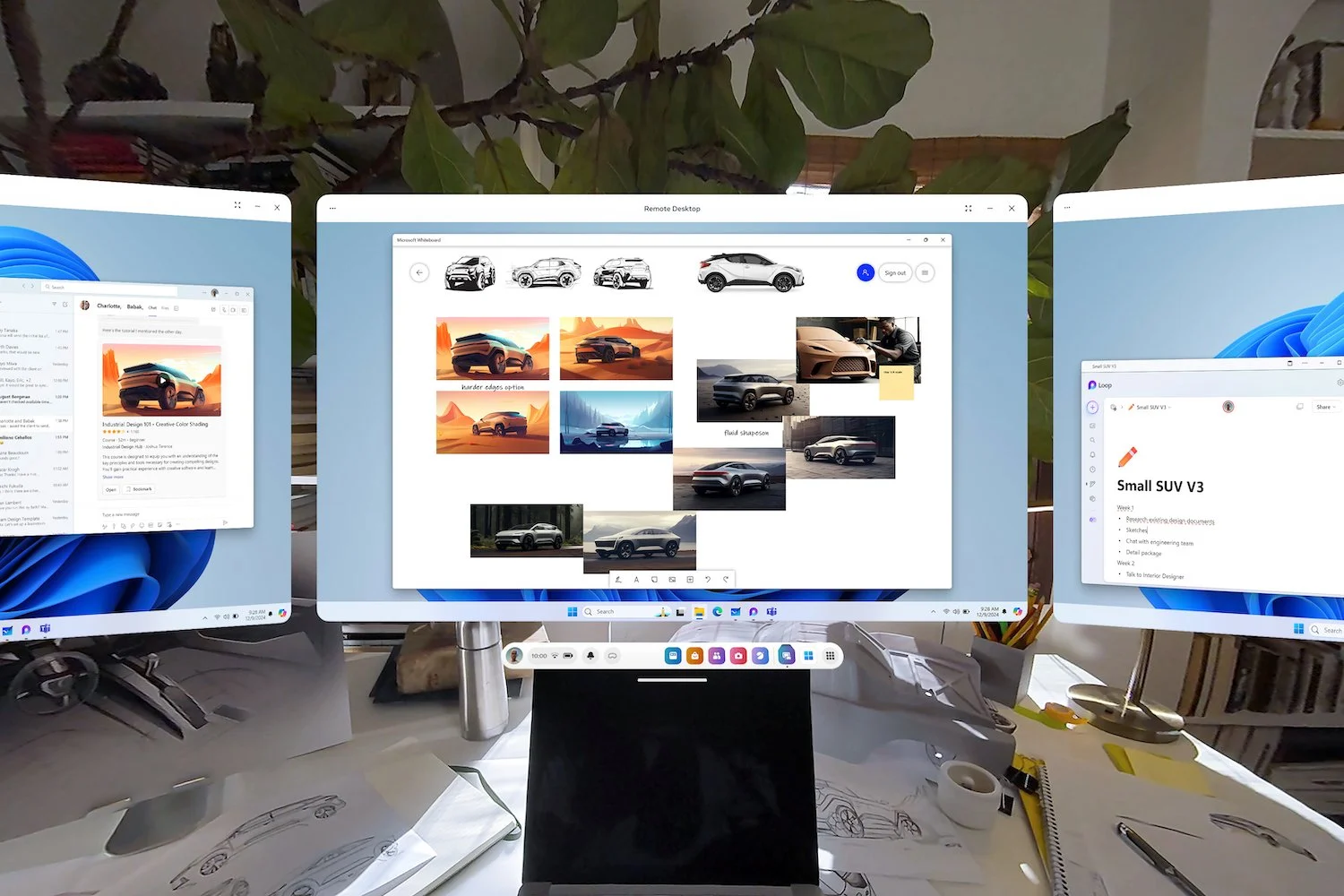
Meta's v72 Quest update introduces faster hand tracking, easier PC connections, and improved keyboard support in virtual reality. Users can now connect to a Windows 11 PC using the Quest's Remote Desktop feature by simply looking at the PC and tapping a "Connect" button. The update also enhances hand cursor stability and introduces a "hand ray visualization" for better navigation. Additional features include live captions for calls and direct messaging in Instagram.
The Quest v66 update by Meta significantly reduces passthrough distortion and warping on the Quest 3 headset. It also introduces new features like wrist-mounted menu buttons for hand tracking, background audio and media controls, a new sleep mode, and the ability to hide apps in the library. The update is rolling out gradually, so users may experience a delay in receiving it.
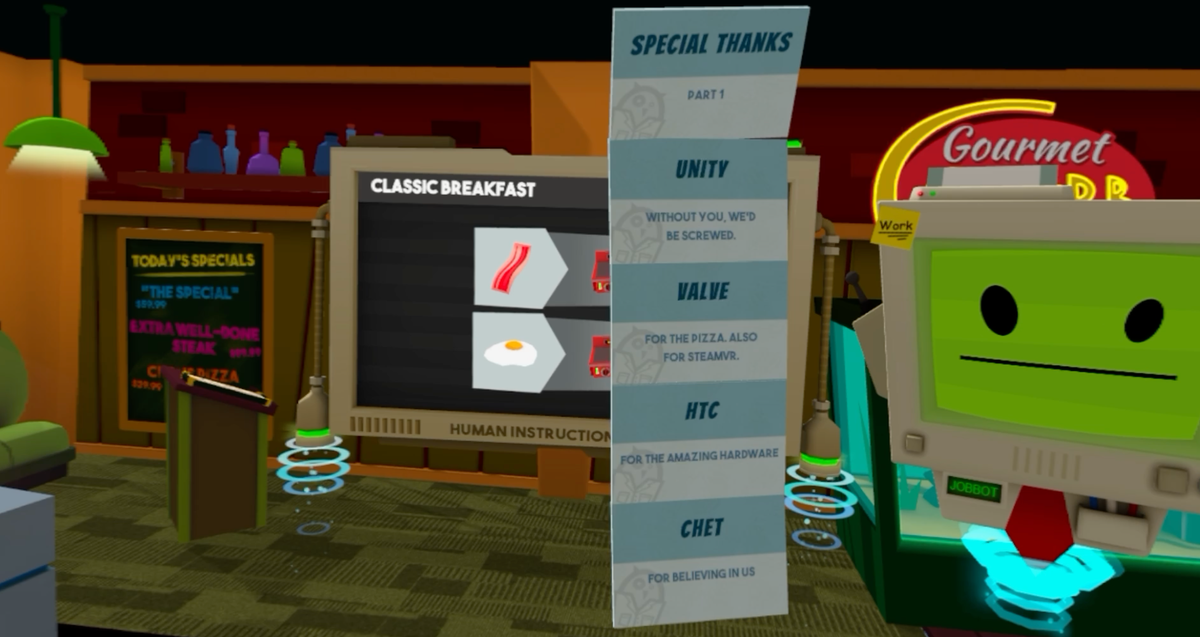
Job Simulator and Vacation Simulator, two popular VR titles from Owlchemy Labs, are now available on Apple Vision Pro with enhanced hand tracking capabilities. This marks a significant step in VR gaming, allowing players to interact without physical controllers. Despite some minor issues, the experience on Vision Pro is poised to set a new standard for hand-tracked VR interactions.
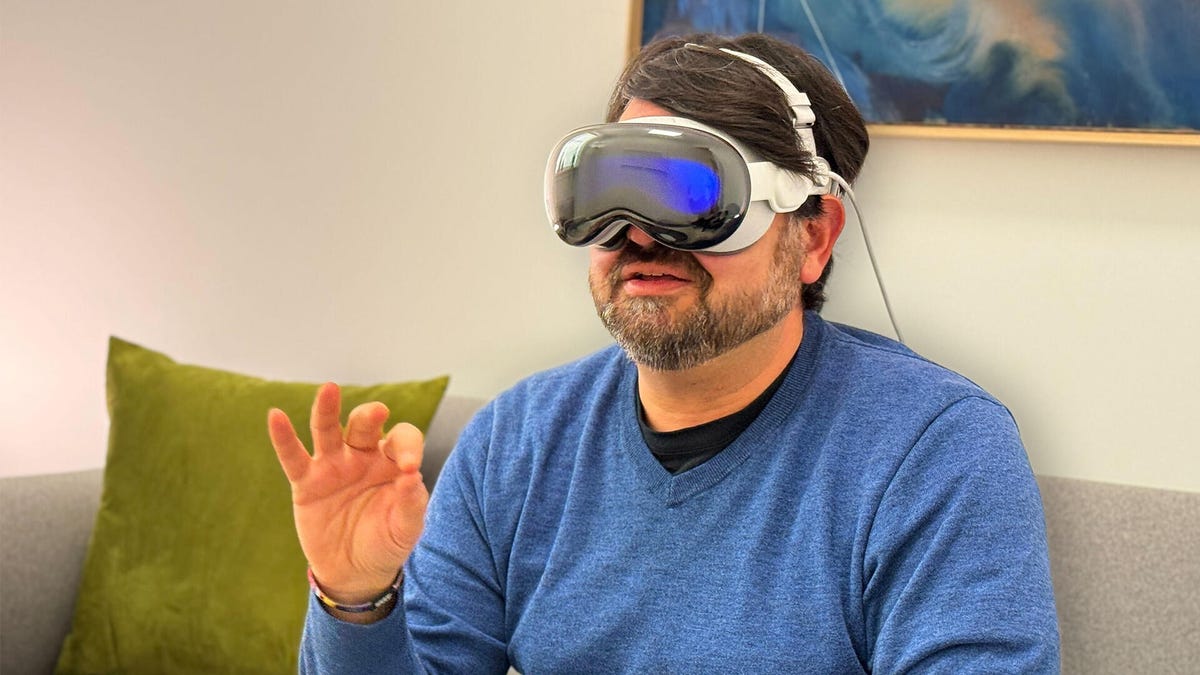
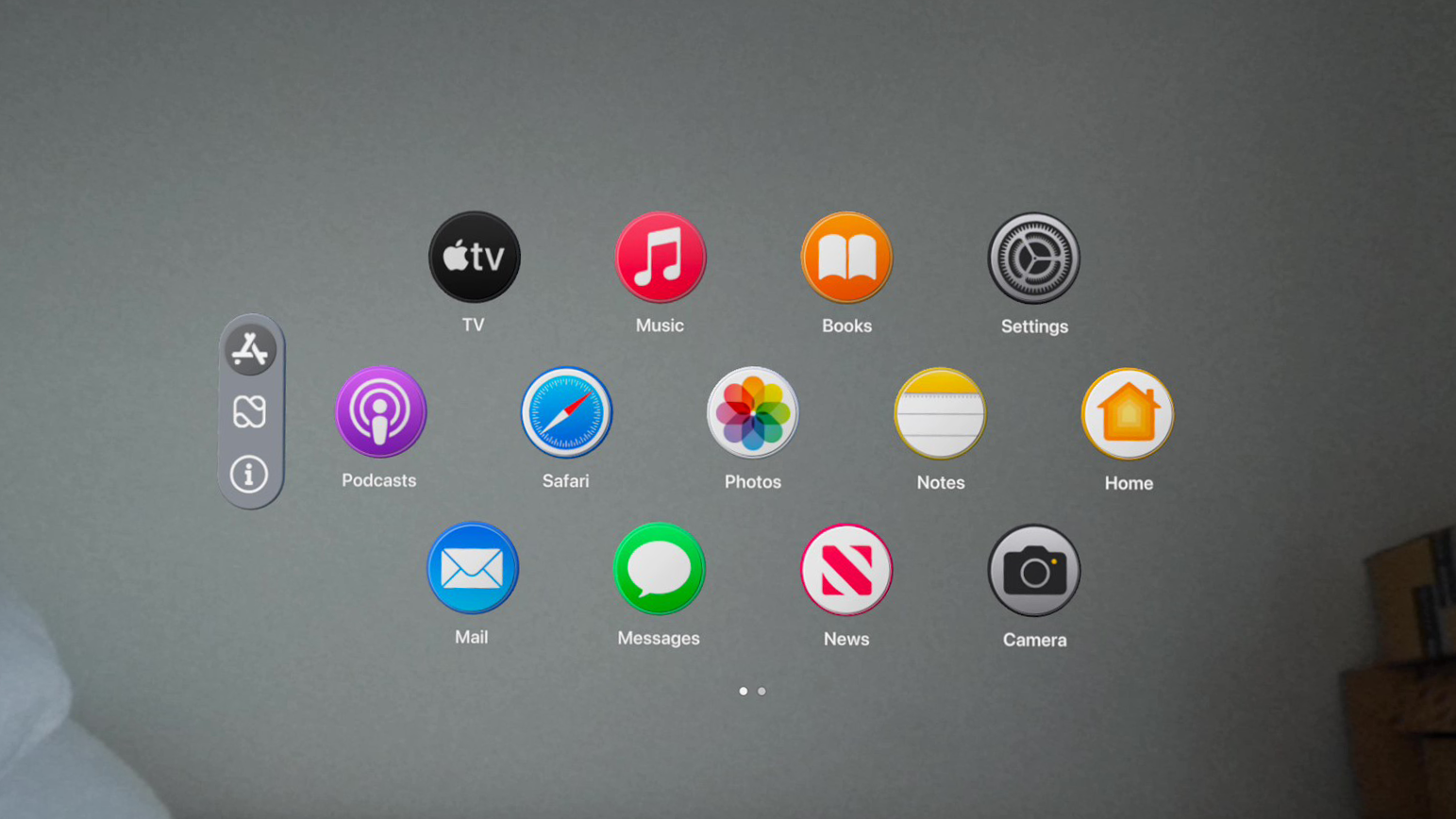
Apple's Vision Pro, a mixed reality-capable headset, relies on hand tracking for interaction, but struggles with more complex 3D interactions compared to Meta's Quest headsets. Owlchemy Labs, known for VR games like Job Simulator and Vacation Simulator, is adapting its games to work with hand tracking on Vision Pro. The current phase of hand-based mixed reality is compared to the early days of touch-based smartphones, with the need for more natural interactions and advanced feedback through specialized controllers. Apple may focus on enhancing 3D interactions for VisionOS 2.0 at WWDC 24, but the potential for new advanced controllers in the future remains.
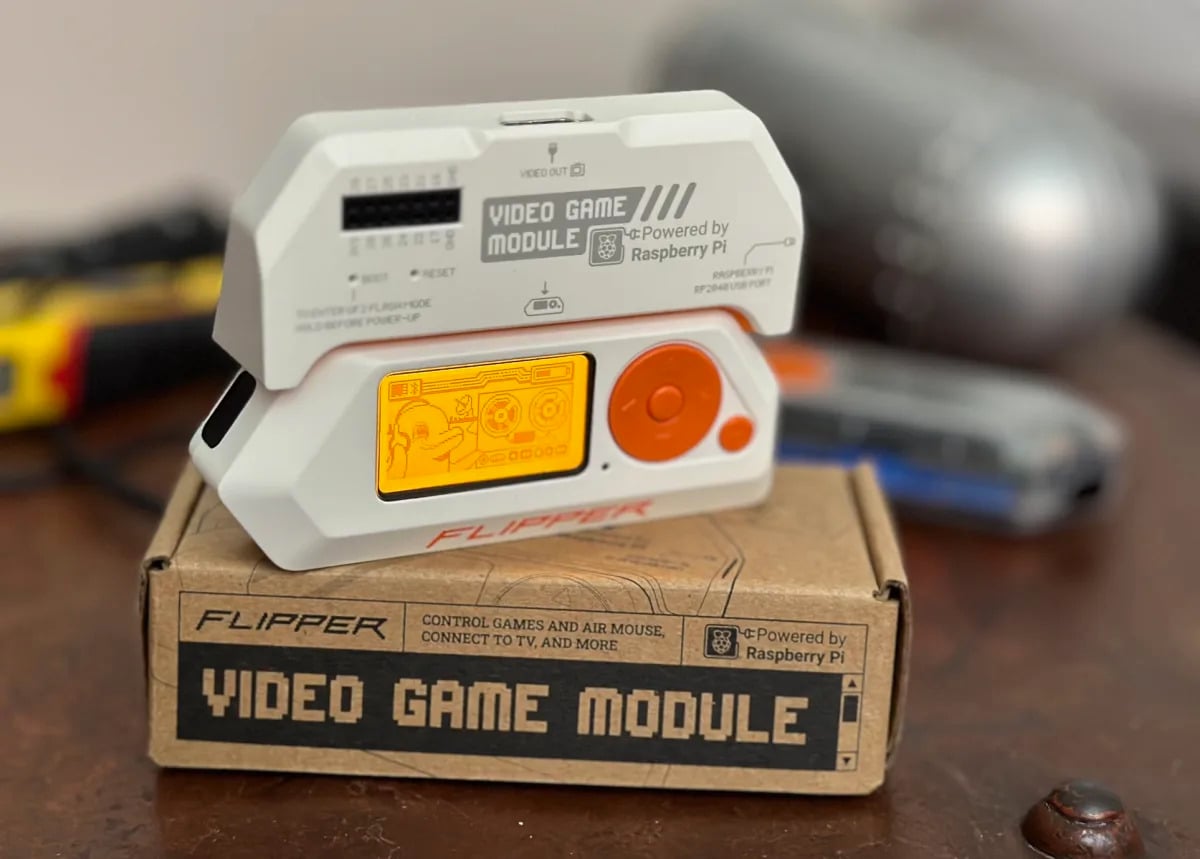
The Flipper Zero digital multi-tool, known for its hacking and home system control capabilities, can now play games with the new Video Game Module powered by Raspberry Pi's RP2040 microcontroller. The module includes sensors for hand-tracking, a 3-axis gyroscope, and a 3-axis accelerometer, allowing games to incorporate tilt and shake functionalities. The device's 1.4-inch display may be small for gaming, but the module supports video output to external displays. Priced at $49, the module aims to expand the Flipper Zero's functionality and has potential for creative use within the open source community.
Meta's latest update for its Quest VR headsets, v56, brings improvements such as enhanced hand tracking, system-level live captions, button remapping, and the return of livestreaming to Facebook. The hand tracking upgrade aims to improve responsiveness and make the experience closer to using controllers. The addition of system-level live captions enhances accessibility for users who are hard of hearing or deaf. Livestreaming to Facebook is back, redesigned for seamless use with high-quality video output and a live chat panel. Other features include swipe typing, automatic updates while charging, and the ability to remap controller buttons. The update will roll out gradually starting the week of July 24th.
Supernova Technologies has created a sideloadable recreation using its Nova UI framework for Unity, allowing users to try Apple Vision Pro's eye tracking based interface on their Quest Pro. The demo replicates Apple's gaze and pinch based interaction system, utilizing Quest Pro's eye tracking for app selection and controller-free hand tracking for "clicking". While the eye tracking works well with calibration, the limited hand tracking on Quest Pro prevents a complete recreation of the Apple Vision Pro experience. The demo can be downloaded from GitHub but is not compatible with Quest 2 or Quest 3 due to the lack of eye tracking.
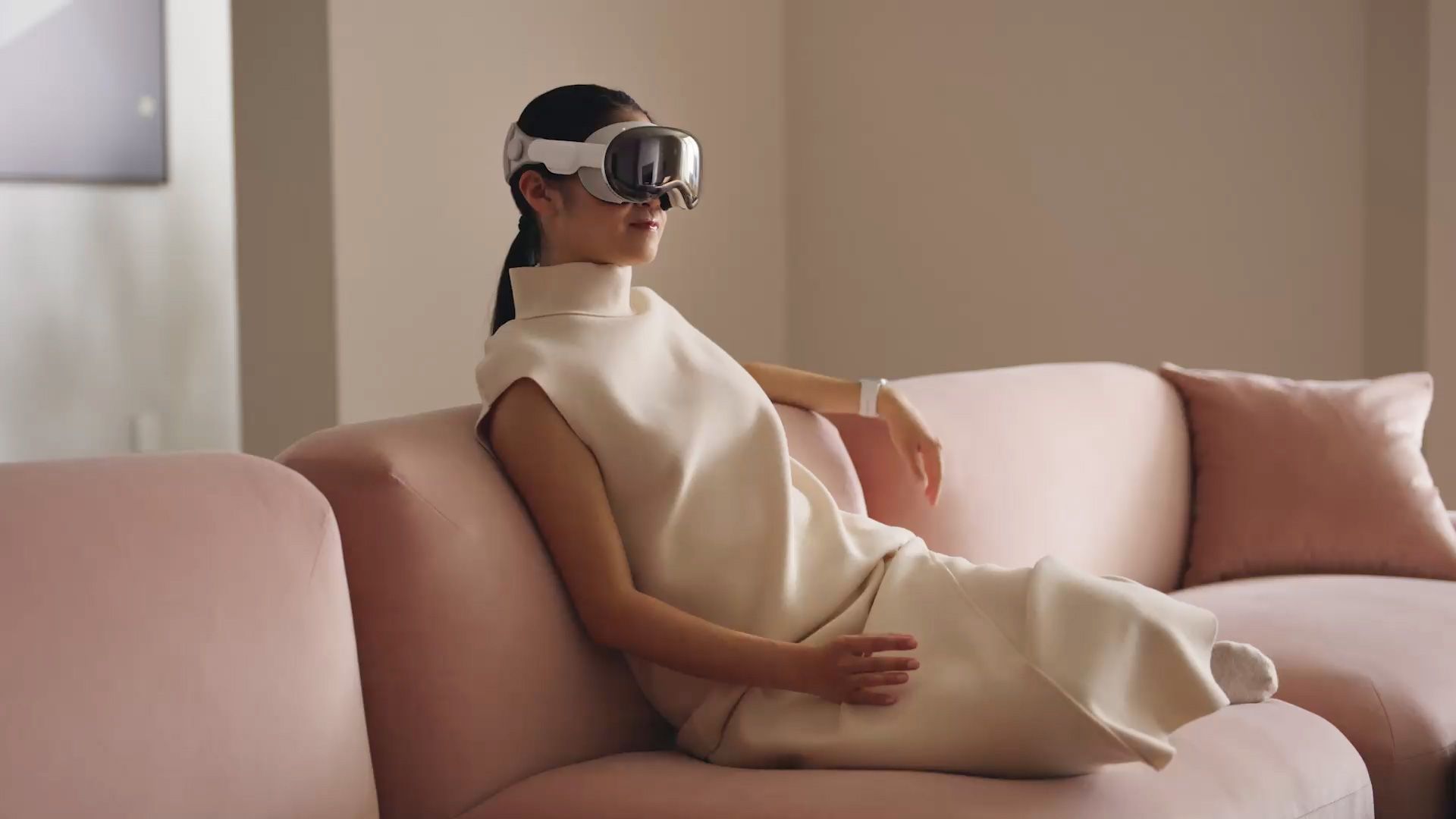
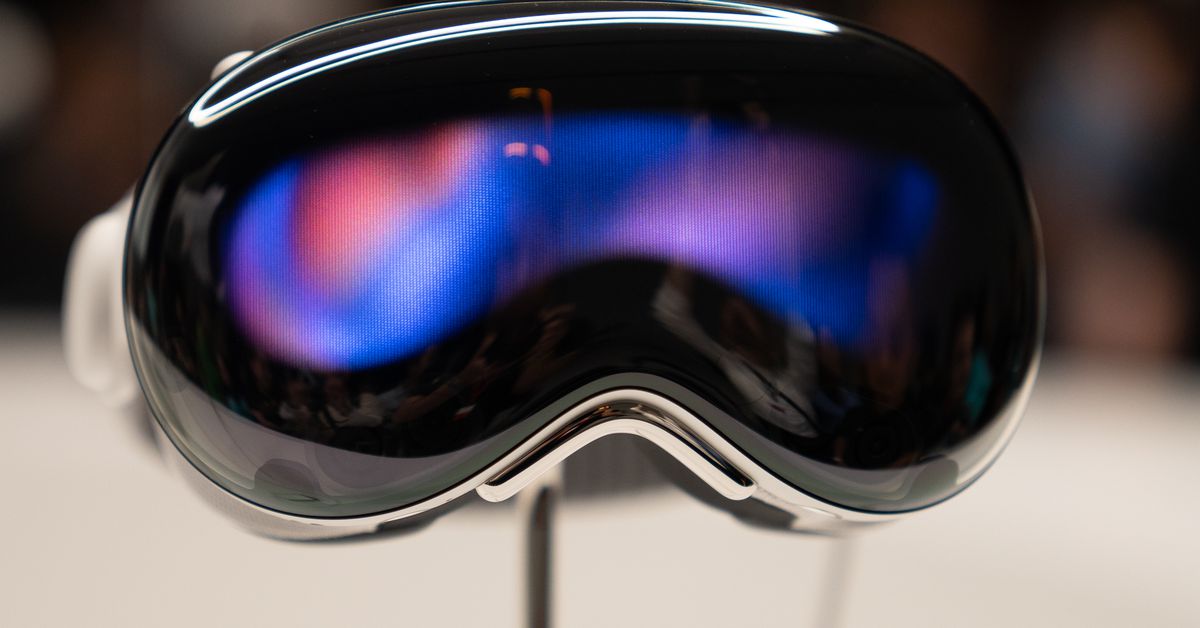
Apple is reportedly not planning to develop its own VR controllers or actively support third-party tracked devices for its Vision Pro headset. Instead, the company is focusing on hand and eye tracking technology, which it believes eliminates the need for physical controllers. While it may be possible to use untracked Bluetooth devices or iPhones as makeshift VR controllers, this is unlikely to be widely supported by developers. The only confirmed VR game for Vision Pro is Rec Room, which plans to incorporate controller-free hand tracking.
Apple considered using a finger-worn input device for its upcoming Vision Pro headset, but ultimately decided to rely on hand-tracking and eye-tracking for control. The company tested third-party virtual reality controllers before exploring the idea of a finger-worn device. However, Apple deemed eye-tracking and hand motions as a more elegant solution. The Vision Pro headset will still support external input devices such as game controllers and keyboards.
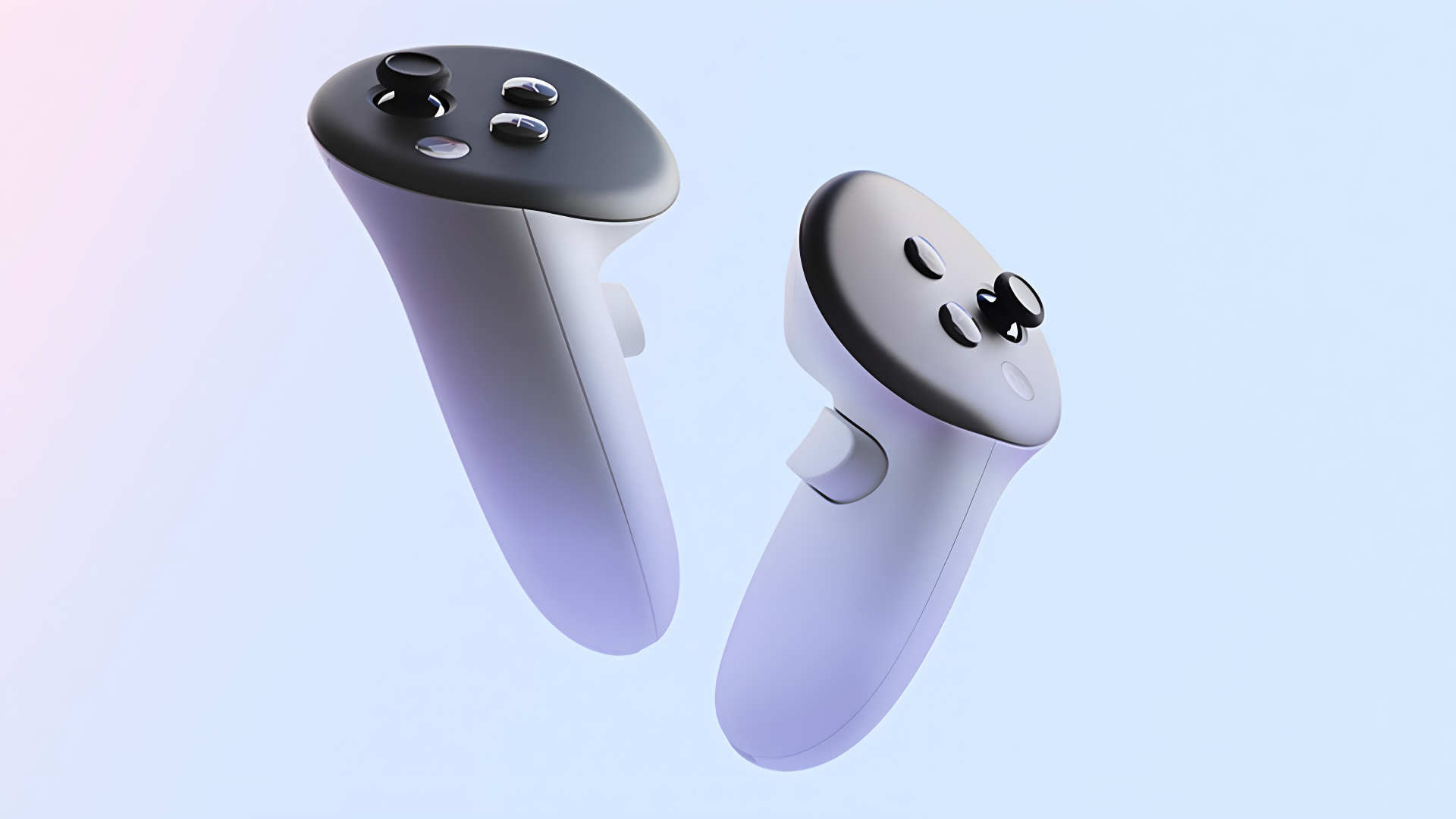
Meta CTO Andrew Bosworth confirmed that the new Meta Quest 3 Touch Plus controllers, which do not have tracking rings, use a fusion of computer vision and hand models to track the controllers accurately. Beat Saber co-founder Jaroslav Beck also reassured fans on Twitter that the tracking is good. The simultaneous tracking of hands and controllers suggests improved hand tracking compared to Meta Quest 2.
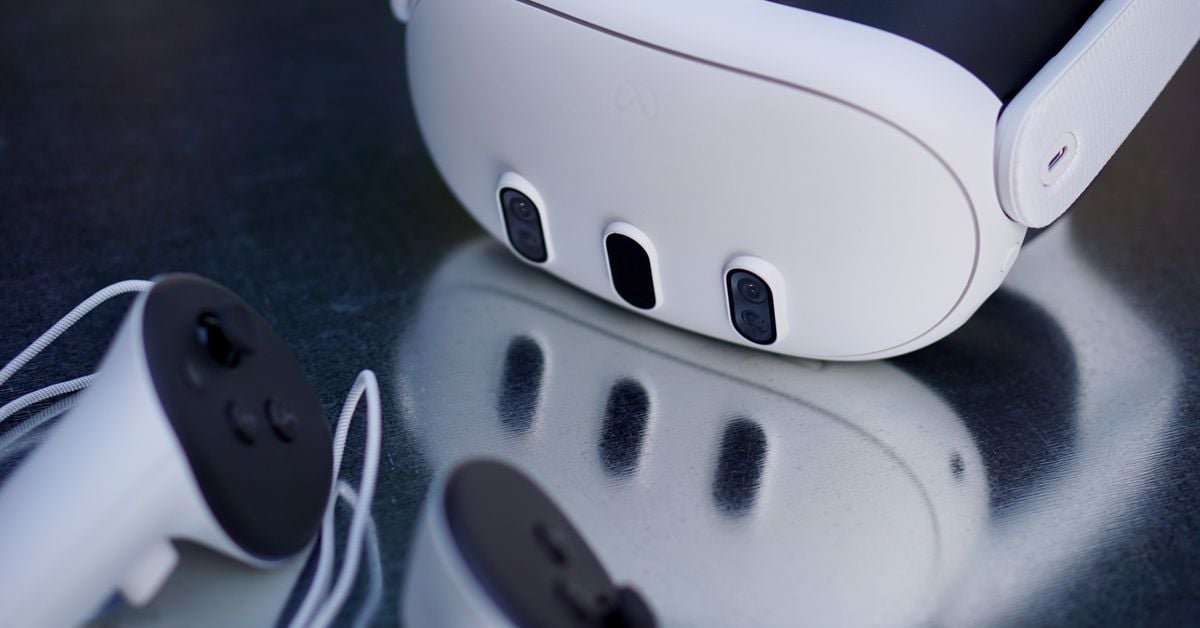
Meta's CTO explained how Quest 3's controllers are tracked. The new Touch Plus controllers lack IR LED rings and cameras, but still have infrared LEDs on their face. Quest 3 continuously runs its controller-free hand tracking, which is fused with the controller LED tracking. Beat Saber co-founder Jaroslav Beck confirmed that the tracking is good, and Meta employee Misha Davidov claims the controllers pass the Expert+ test. Ditching the rings has significant usability advantages, allowing for new precise hand-to-hand interactions and improving existing ones.
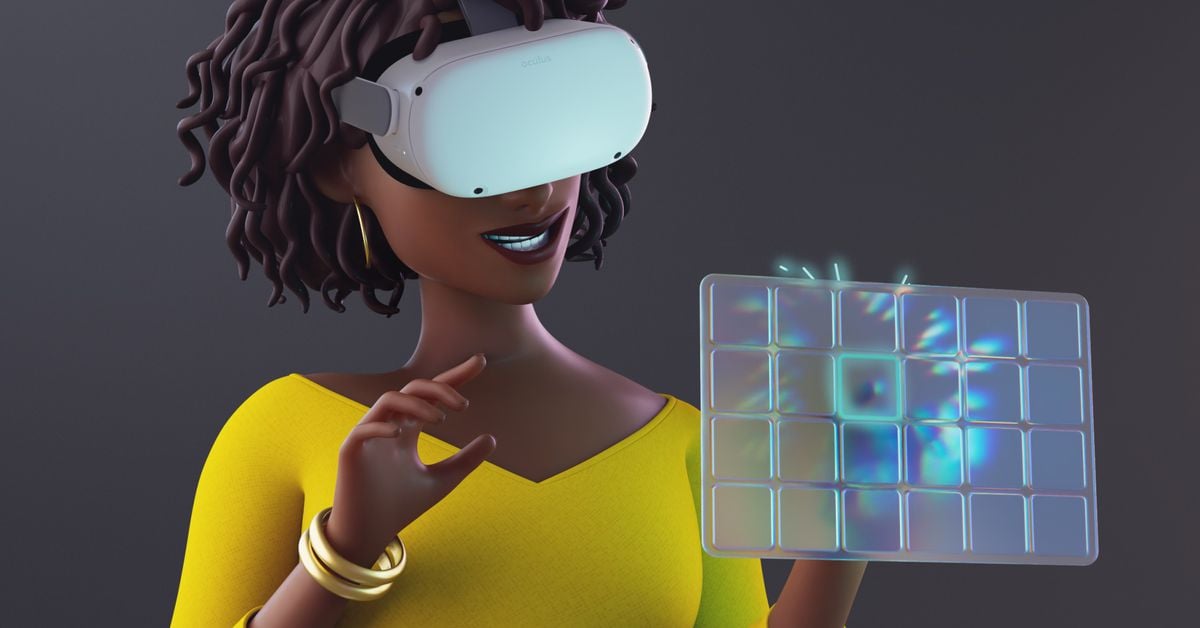
Meta's new experimental feature called "Direct Touch" allows users to tap and scroll on virtual elements with only their hands, no controllers required. While the idea is cool, the feature is still finicky and typing with it is difficult. However, it could be a foundational upgrade for Meta's VR headsets and a glimpse into the future of AR glasses.