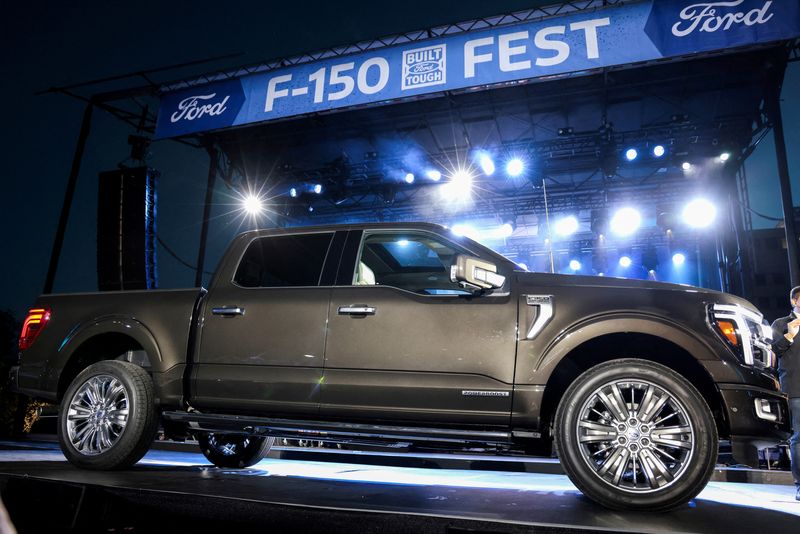
Ford is set to send 144,000 redesigned F-150 and Ranger pickup trucks to North American dealers after holding them back to address quality issues, with the aim of hitting its 2024 profit target. Shipments of F-150 Lightning electric trucks will also resume this month, following a price cut on some variants. The delay in sending the trucks may impact the automaker's first quarter numbers, and the company had 60,000 F-150s in stock expected to ship in the current quarter. Ford engineers discovered electronic component issues in the F-150s, but updated the software before any trucks left the plant.
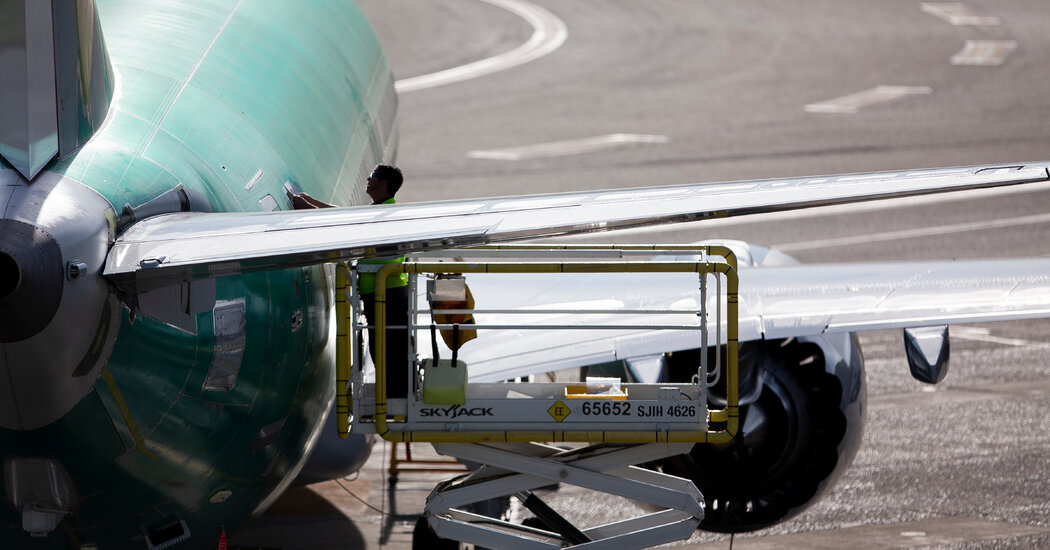
Boeing has been facing scrutiny over the quality of its planes, with concerns dating back years and exacerbated by the pandemic-related loss of experienced workers. Former and current employees described practices such as "inspector shopping" to bypass quality procedures. Boeing stated it did not allow this and had increased the number of quality inspectors and inspections per plane. The company now faces the challenge of improving product quality and regaining credibility with regulators, airlines, and the public.
The FAA has given Boeing 90 days to devise a plan to address quality issues and adhere to safety standards for constructing new aircraft, following meetings between FAA officials and Boeing's top executives. The FAA administrator emphasized the need for substantial improvements and accountability from Boeing's leadership. This directive comes as the FAA conducts an audit of Boeing's assembly lines after a 737 Max 9 experienced a door-panel blowout due to missing bolts following repair work.
American Airlines CEO criticizes Boeing's quality problems as "unacceptable," expressing concerns over the aircraft manufacturer's production issues. This comes after Boeing faced scrutiny over the safety and quality of its planes, prompting airlines to address these issues with the company.
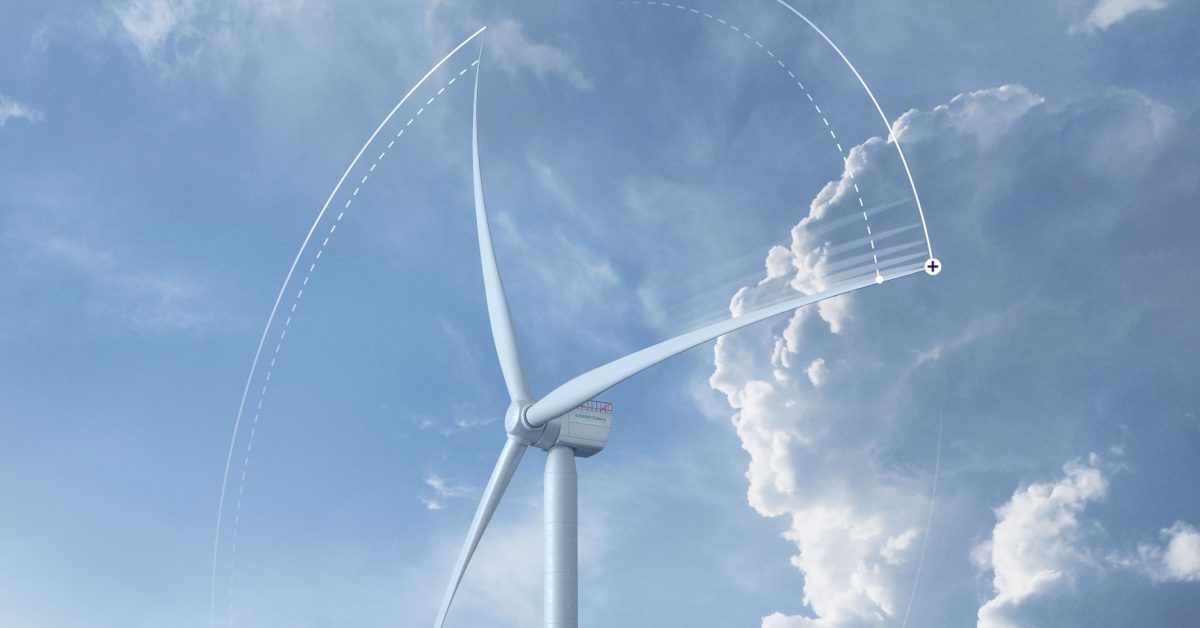
Siemens Gamesa Renewable Energy has discovered that its wind turbine fleet has much bigger problems than it thought, which could take years to fix. The company's Spanish division found that its onshore wind turbines had worse-than-expected quality flaws, and it will have to fix flaws in rotor blades and bearings, ranging from component failures to small cracks. As a result, Siemens Gamesa has scrapped its annual profit guidance and warned that additional costs to rectify its problems could be more than $1.1 billion.