Tag

Quadrantidmeteorshower

All articles tagged with #quadrantidmeteorshower

"Catch the Cosmic Spectacle: Your Guide to Viewing Tonight's Peak Quadrantid Meteor Shower"
science-and-environment2 years ago

"Catch the Cosmic Spectacle: Your Guide to Viewing Tonight's Peak Quadrantid Meteor Shower"

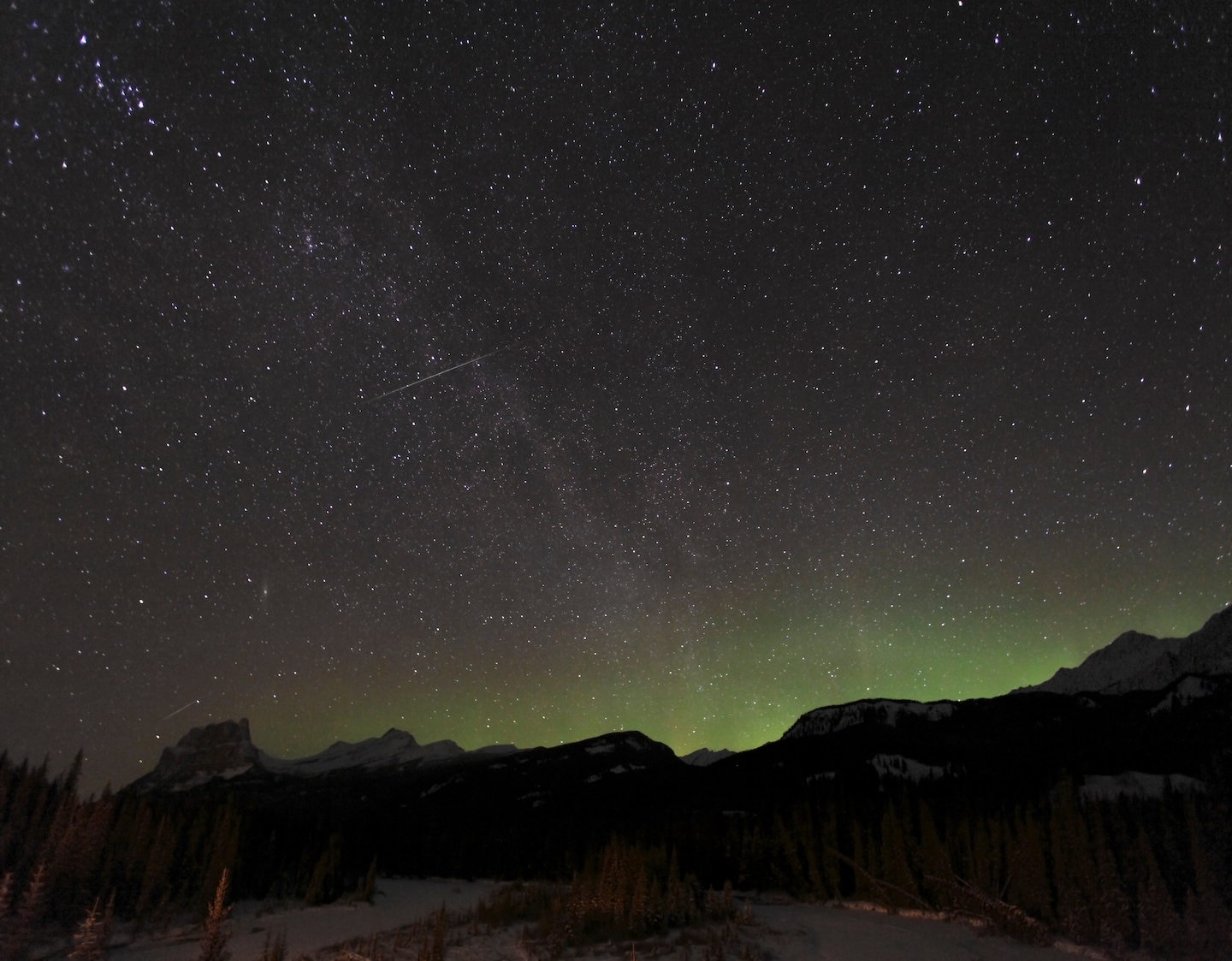
The Quadrantid meteor shower, known for its bright fireballs and originating from asteroid 2003 EH1, peaked recently and observers were encouraged to share their photos on SnapJAX. Despite some weather challenges, the event is notable for its intensity and the lack of moonlight interference. Enthusiasts who captured the event are invited to upload their images and share their experiences.
"Guide to Viewing the Peak of 2024's Quadrantid Meteor Shower and Luyten's Star"
science-and-environment2 years ago

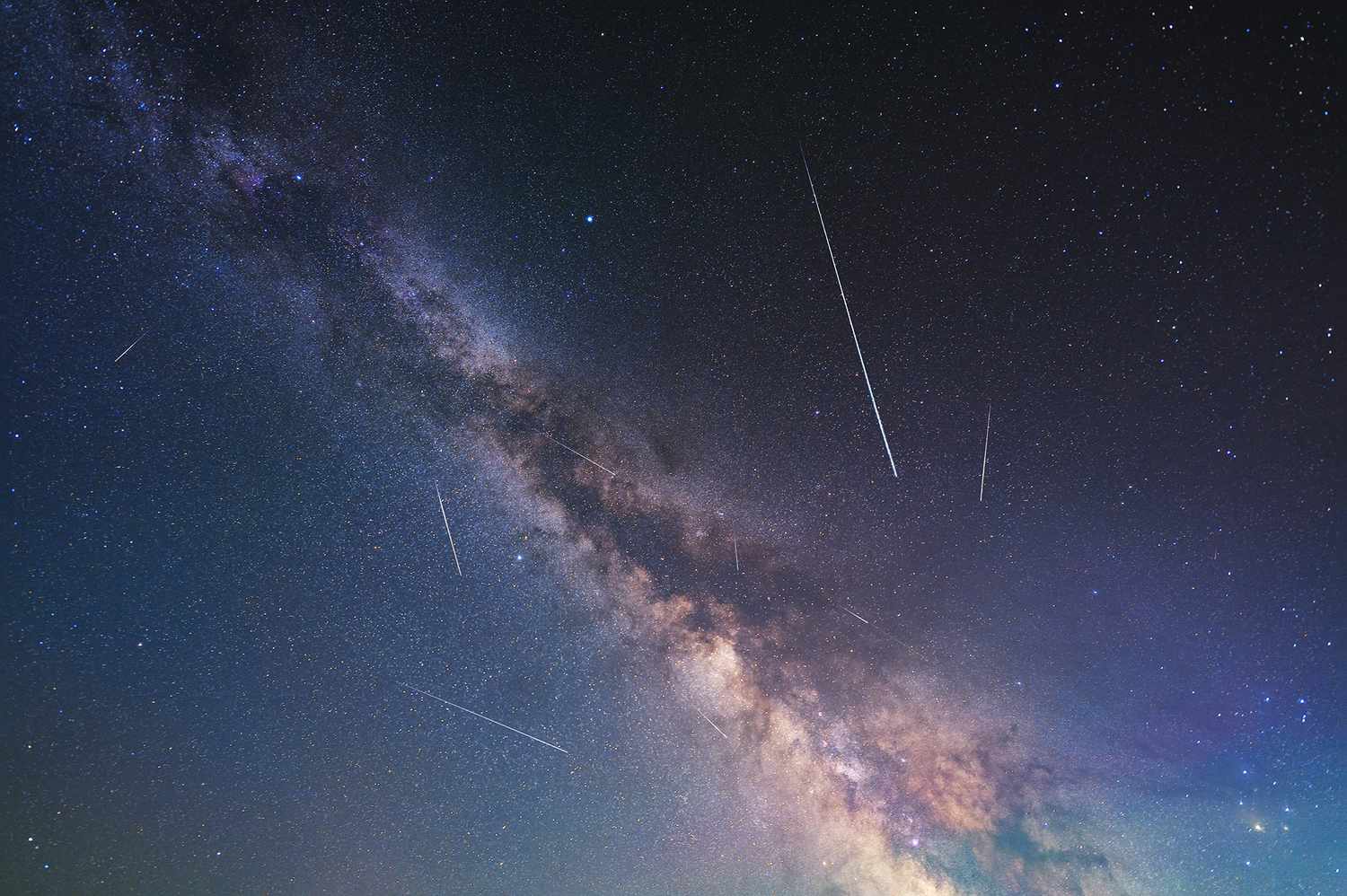
"Guide to Viewing the Peak of 2024's Quadrantid Meteor Shower and Luyten's Star"

The Quadrantid Meteor Shower, the first meteor shower of the year, is set to peak at 4 a.m. EST on January 4, offering a spectacular show with up to 130 meteors per hour for viewers in the Northern Hemisphere. Originating from the debris of asteroid 2003 EH1, the Quadrantids are best viewed in a dark location away from light pollution. While this meteor shower's peak is brief, lasting only a few hours, it's known for bright fireballs that may be visible even in areas with some light pollution. After the Quadrantids, the next meteor showers to look forward to are the γ-Ursae Minorid later in January and the Lyrids in April, though the latter will be less visible due to moonlight.

"2024 Quadrantids Peak: Your Guide to Watching the Year's First Meteor Shower Tonight"
science-and-environment2 years ago

"2024 Quadrantids Peak: Your Guide to Watching the Year's First Meteor Shower Tonight"

The Quadrantid meteor shower, known for its bright fireball meteors, is peaking tonight and offers a spectacular but brief astronomical display. Unlike other meteor showers with longer peak durations, the Quadrantids peak lasts only a few hours, with the potential to see up to 120 meteors per hour under optimal conditions. Stargazers should prepare for a narrow viewing window to catch one of the year's most impressive meteor showers.

"Stargazers Anticipate 2024's First Spectacular Quadrantids Shower with 120 Stars an Hour"
science-and-environment2 years ago

"Stargazers Anticipate 2024's First Spectacular Quadrantids Shower with 120 Stars an Hour"

The Quadrantid meteor shower, known for up to 120 visible meteors per hour and bright fireball meteors, is peaking this week, particularly on the night of January 3 to 4. Despite the potential for slight interference from a 51 percent full moon and cloudy weather, it remains one of the best annual meteor showers. The shower originates from the debris of 2003 EH1, which could be an asteroid or a "dead comet." For optimal viewing, stargazers should find a dark location away from artificial light and allow time for their eyes to adjust to the darkness. The event will also be live-streamed by the Virtual Telescope Project for those unable to view it in person.

"2024 Quadrantid Meteor Shower: A Spectacular Start with Fireballs and Shooting Stars"
science-and-environment2 years ago

"2024 Quadrantid Meteor Shower: A Spectacular Start with Fireballs and Shooting Stars"

The Quadrantid meteor shower is set to provide a stunning celestial display this week, with the best viewing expected during the night of January 3-4. The peak of the shower is anticipated around 12:53 UTC on January 4, potentially offering over 100 meteors per hour under optimal conditions, which include a dark, moonless sky and a high radiant point. This event could be one of the most spectacular meteor showers of the year for astronomy enthusiasts.

"2024's First Spectacular Quadrantids: Peak Viewing for North America's Meteor Shower on Jan. 3-4"
science-and-astronomy2 years ago

"2024's First Spectacular Quadrantids: Peak Viewing for North America's Meteor Shower on Jan. 3-4"

The Quadrantid meteor shower is set to peak on January 4, 2024, with up to 120 meteors per hour expected in the night sky over North America. The best viewing time will be the pre-dawn hours from around 4:53 a.m. EST to dawn. However, visibility may be affected by a bright last quarter moon. The Quadrantids originate from the now-defunct constellation Quadrans Muralis and are caused by debris from the asteroid 2003 EH1. This meteor shower is known for bright fireballs and is visible only in the Northern Hemisphere.

"Quadrantids 2024: Spectacular First Meteor Shower of the Year Peaks with Potential Fireballs"
science-and-environment2 years ago

"Quadrantids 2024: Spectacular First Meteor Shower of the Year Peaks with Potential Fireballs"

The Quadrantid meteor shower is expected to peak on January 3-4, 2024, and may be the strongest meteor shower of the year, with up to 120 meteors per hour visible under optimal conditions. The best viewing time is predicted to be between 1 a.m. and 5 a.m. local time in North America on January 4. Visibility will be affected by weather and moonlight, with a 51% full moon potentially interfering. The Quadrantids, which can produce bright fireball meteors, originate from the asteroid 2003 EH1. NASA advises stargazers to find a dark location away from city lights and allow their eyes to adjust to the dark for optimal viewing.

"Quadrantids 2024: A Spectacular Start with Fireballs and Shooting Stars on Jan 3-4"
science-and-environment2 years ago

"Quadrantids 2024: A Spectacular Start with Fireballs and Shooting Stars on Jan 3-4"

The Quadrantid meteor shower, potentially the strongest of 2024, is set to peak over North America on Jan. 3, with up to 120 meteors per hour. The best viewing time is predicted to be in the pre-dawn hours of Jan. 4, particularly for those in the western regions of the continent. However, visibility may be affected by a bright last quarter moon. The Quadrantids originate from the now-defunct constellation Quadrans Muralis and are caused by debris from asteroid 2003 EH1.

"Earth's Perihelion Brings Fiery Sky Show in January's Close Approach to the Sun"
science-and-astronomy2 years ago

"Earth's Perihelion Brings Fiery Sky Show in January's Close Approach to the Sun"

This week, stargazers can witness the Quadrantid meteor shower, known for its bright fireballs, during a period of dark skies thanks to the Last Quarter Moon. Additionally, Earth reaches its closest point to the sun for the year, known as perihelion, making the sun appear slightly larger, akin to a "Super Sun." The now-defunct constellation Quadrans Muralis is the radiant point for the meteor shower, despite no longer being officially recognized. Observers are reminded to check local sky conditions for the best stargazing experience.