
Tag

Meteorshowerpeak

All articles tagged with #meteorshowerpeak

science-and-environment2 years ago

"Stargazers Anticipate 2024's First Spectacular Quadrantids Shower with 120 Stars an Hour"

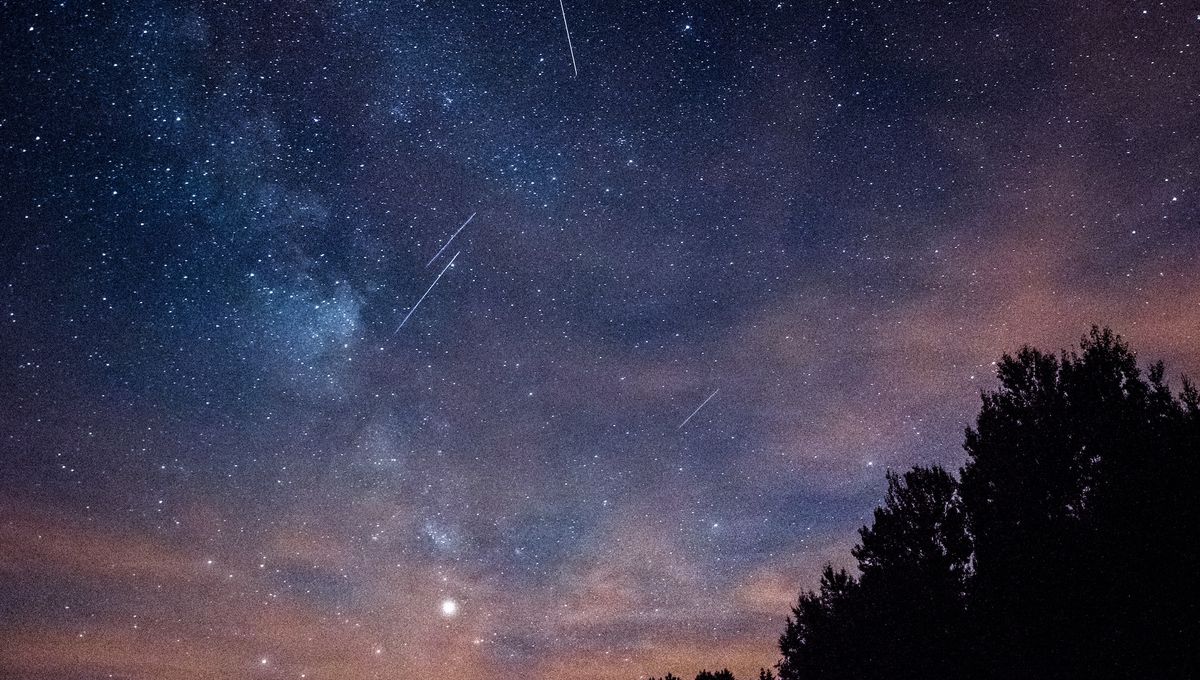
The Quadrantid meteor shower, known for up to 120 visible meteors per hour and bright fireball meteors, is peaking this week, particularly on the night of January 3 to 4. Despite the potential for slight interference from a 51 percent full moon and cloudy weather, it remains one of the best annual meteor showers. The shower originates from the debris of 2003 EH1, which could be an asteroid or a "dead comet." For optimal viewing, stargazers should find a dark location away from artificial light and allow time for their eyes to adjust to the darkness. The event will also be live-streamed by the Virtual Telescope Project for those unable to view it in person.
science-and-environment2 years ago

"2024 Quadrantid Meteor Shower: A Spectacular Start with Fireballs and Shooting Stars"

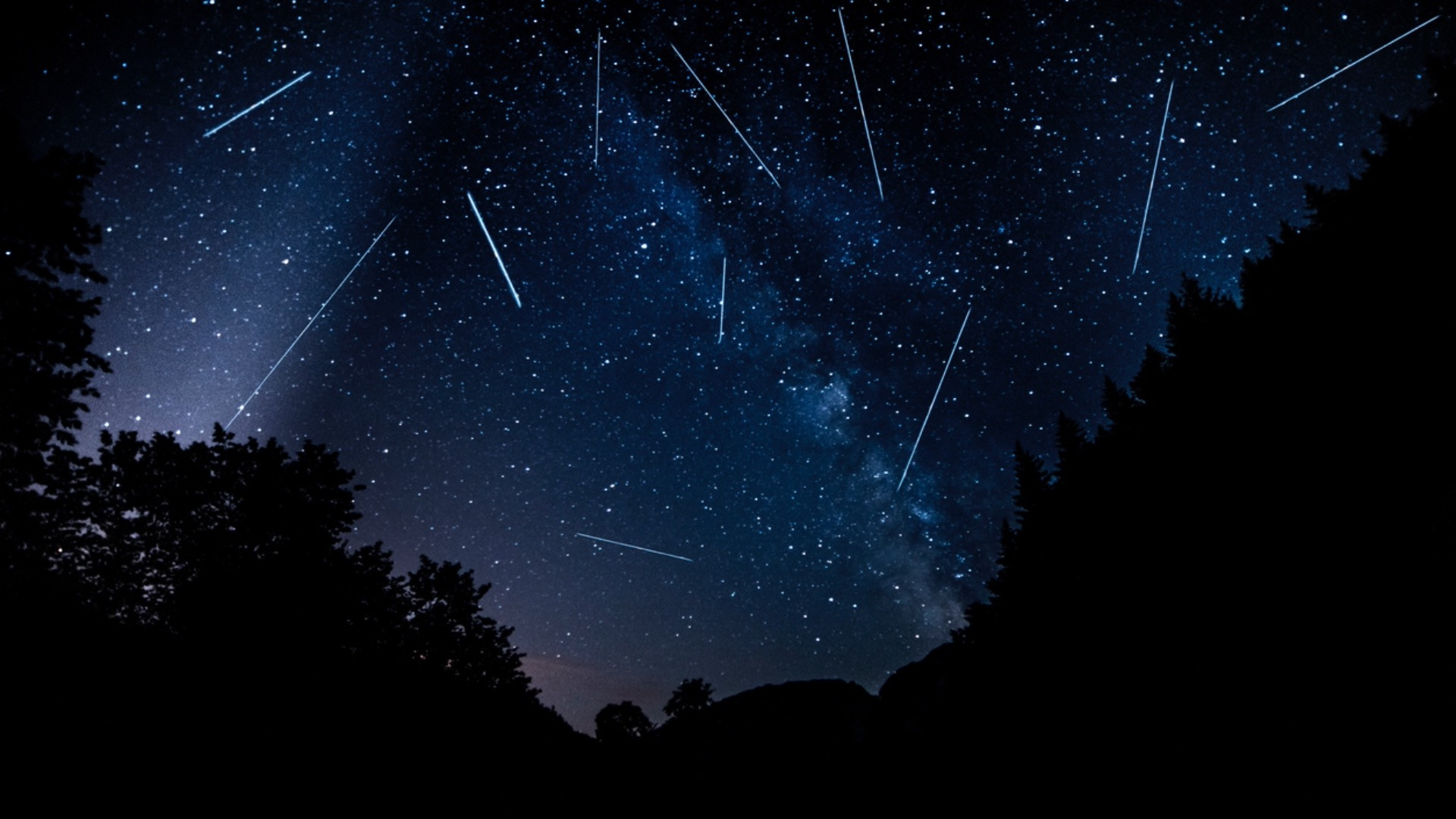
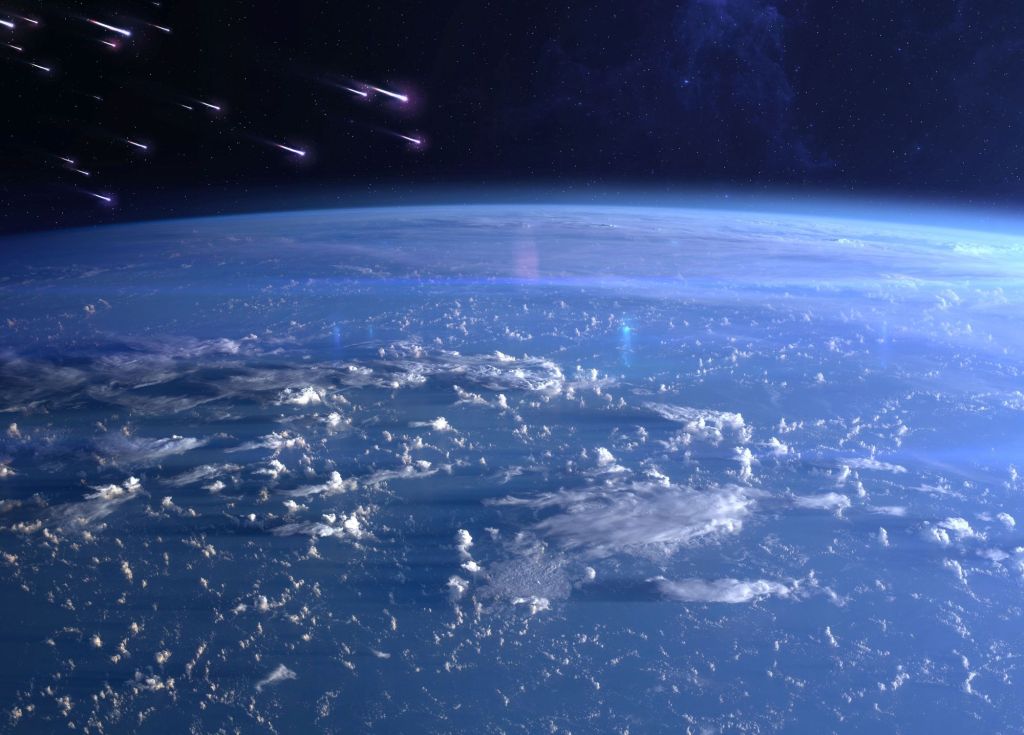
The Quadrantid meteor shower is set to provide a stunning celestial display this week, with the best viewing expected during the night of January 3-4. The peak of the shower is anticipated around 12:53 UTC on January 4, potentially offering over 100 meteors per hour under optimal conditions, which include a dark, moonless sky and a high radiant point. This event could be one of the most spectacular meteor showers of the year for astronomy enthusiasts.

science-and-environment2 years ago

"Quadrantids 2024: Spectacular First Meteor Shower of the Year Peaks with Potential Fireballs"

The Quadrantid meteor shower is expected to peak on January 3-4, 2024, and may be the strongest meteor shower of the year, with up to 120 meteors per hour visible under optimal conditions. The best viewing time is predicted to be between 1 a.m. and 5 a.m. local time in North America on January 4. Visibility will be affected by weather and moonlight, with a 51% full moon potentially interfering. The Quadrantids, which can produce bright fireball meteors, originate from the asteroid 2003 EH1. NASA advises stargazers to find a dark location away from city lights and allow their eyes to adjust to the dark for optimal viewing.