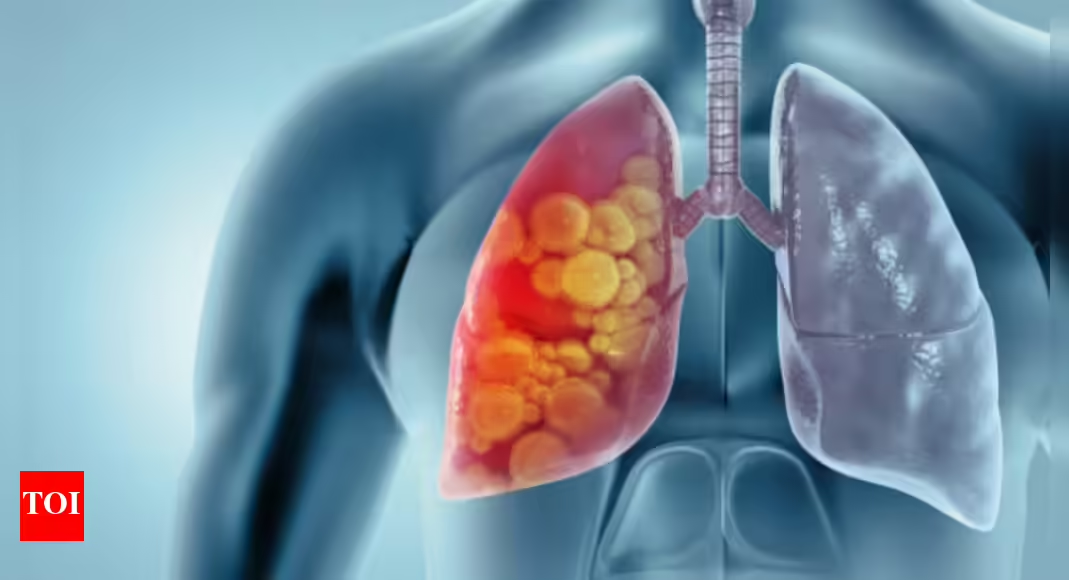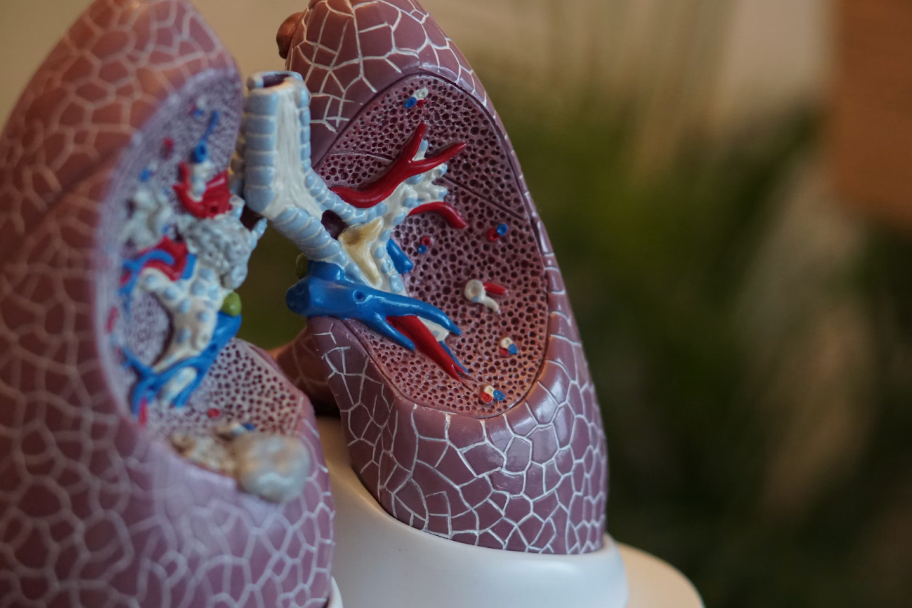
Norway's Crown Princess Mette-Marit, diagnosed with pulmonary fibrosis, faces a likely need for a lung transplant as her condition worsens, but no decision has been made yet; her health decline has impacted her activities, and she remains committed to her duties despite her illness.

Norway's Crown Princess Mette-Marit, diagnosed with pulmonary fibrosis, is expected to undergo a lung transplant due to recent health deterioration, prompting public and governmental support.
A 68-year-old man was diagnosed with idiopathic pulmonary fibrosis (IPF), a serious and often underdiagnosed lung disease that causes lung scarring and difficulty breathing. Despite a grim prognosis, he underwent a lung transplant and has regained much of his lung capacity, highlighting the importance of early detection and awareness of symptoms like persistent dry cough and shortness of breath. IPF's cause remains unknown, and it primarily affects older adults, making awareness and prompt diagnosis crucial for better management.
Avalyn Pharma's inhaled formulation of pirfenidone, AP01, appears to be more effective and safer than the oral version, Esbriet, for the treatment of idiopathic pulmonary fibrosis (IPF). Data from the Phase 1b ATLAS clinical trial and its open-label extension study showed that AP01 had better efficacy and safety profiles compared to the approved therapy, Ofev, for progressive forms of pulmonary fibrosis (PPF). AP01 is delivered directly to the lungs via a nebulizer, resulting in lower doses and potentially fewer side effects. Avalyn plans to launch a Phase 2 trial of AP01 in PPF patients next year.
September is Pulmonary Fibrosis Awareness Month, shedding light on the chronic and fatal lung disease known as Idiopathic Pulmonary Fibrosis (IPF). GRI Bio, a clinical-stage biopharmaceutical company, is dedicated to developing therapies that interrupt disease progression and restore the immune system's balance. Their lead drug, GRI-0621, inhibits the activity of iNKT cells involved in the inflammatory cascade leading to fibrotic disorders like IPF. Preclinical studies have shown promising results, and the drug has significant IP protection until 2038 or beyond. GRI Bio has collaborated with the Respiratory Translational Research Collaboration to further de-risk the drug's development program. The company is approaching IND filings and clearance for a phase 2a biomarker study.
A thyroid ultrasound showing four small nodules raises concerns about the possibility of thyroid cancer. The Thyroid Imaging Reporting & Data System (TI-RADS) categorizes nodules based on their cancer risk, with TR1 and TR2 having low risk and not requiring biopsy, while TR3 through TR7 should be biopsied. Suspicious nodules that don't meet biopsy criteria should be reevaluated periodically. In another case, a reader with a history of asbestos exposure and lung surgery in the past is experiencing breathing difficulties. The reader's medications, amiodarone and methotrexate, are known to potentially cause lung disease. The reader is advised to seek a referral to a pulmonary fibrosis program and consider the use of Ofev (nintedanib) for treatment.
Scientists have developed a method to use engineered specialized stem cells to regenerate healthy airway tissues, offering a potential treatment for chronic lung diseases like pulmonary fibrosis (PF). In preclinical studies, researchers engineered lung stem cells and successfully repopulated lungs with healthy cells in mouse models of lung injury. The use of induced pluripotent stem cells (iPSCs) allows for the creation of specialized lung stem cells in the lab, which can be derived from a patient's own cells, potentially avoiding the need for immunosuppression. While the road to clinical development for lung diseases may be long, this research marks a significant step forward in the potential use of iPSC-based lung regeneration as a treatment approach.