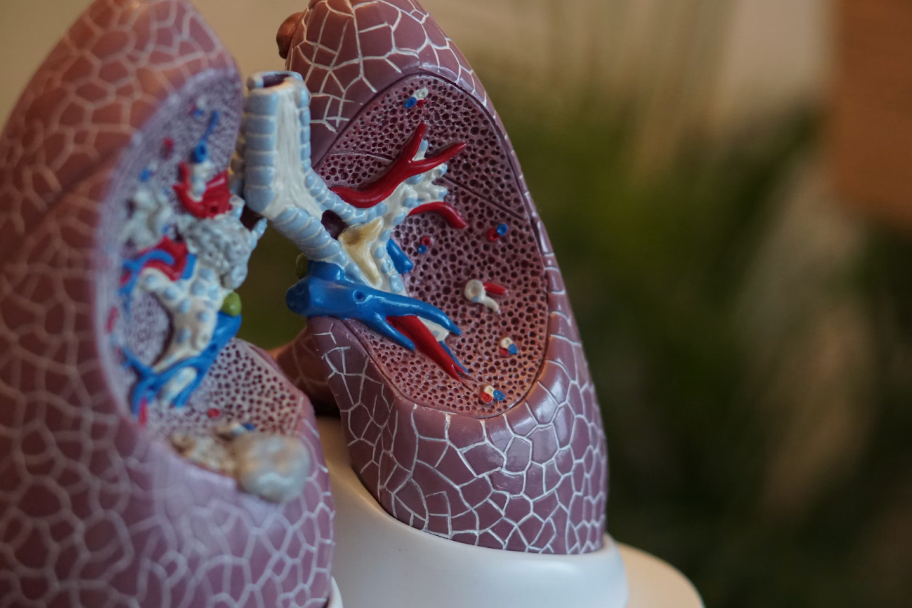
September is Pulmonary Fibrosis Awareness Month, shedding light on the chronic and fatal lung disease known as Idiopathic Pulmonary Fibrosis (IPF). GRI Bio, a clinical-stage biopharmaceutical company, is dedicated to developing therapies that interrupt disease progression and restore the immune system's balance. Their lead drug, GRI-0621, inhibits the activity of iNKT cells involved in the inflammatory cascade leading to fibrotic disorders like IPF. Preclinical studies have shown promising results, and the drug has significant IP protection until 2038 or beyond. GRI Bio has collaborated with the Respiratory Translational Research Collaboration to further de-risk the drug's development program. The company is approaching IND filings and clearance for a phase 2a biomarker study.

GRI Bio, a clinical-stage biopharmaceutical company, is developing innovative therapies targeting NKT cells to treat inflammatory diseases such as Idiopathic Pulmonary Fibrosis (IPF) and Lupus. IPF is a chronic lung disease with limited treatment options and a significant unmet need. GRI Bio's lead program, GRI-0621, aims to inhibit iNKT cell activity and provide a more effective treatment option for IPF. The company is also developing type 2 NKT agonists for Lupus. With its unique approach and a library of proprietary compounds, GRI Bio has the potential to make a significant impact in the field of biopharmaceuticals and improve the lives of patients worldwide.
Biotech company FibroGen's stock crashed to a record low after its lead asset, pamrevlumab, failed to meet the preset bar for treating idiopathic pulmonary fibrosis. This is the second failure for the drug, which also failed to make a difference in Duchenne muscular dystrophy earlier this month. FibroGen will scrap two final-phase studies of pamrevlumab in idiopathic pulmonary fibrosis and work to extend its cash runway in 2026 through a cost-cutting plan. The fall of FibroGen stock marked a record low in massive volume.
FibroGen's pamrevlumab failed in a Phase III study for idiopathic pulmonary fibrosis, marking the company's third late-stage miss in two months. The drug was not better than placebo at a lung function test and did not delay disease progression. However, it was generally safe and well-tolerated.
FibroGen's Phase 3 ZEPHYRUS-1 trial evaluating the safety and efficacy of pamrevlumab in patients with idiopathic pulmonary fibrosis (IPF) did not meet the primary endpoint of change from baseline in forced vital capacity (FVC) at week 48. The study compared treatment with pamrevlumab to placebo. Pamrevlumab was generally safe and well tolerated. FibroGen plans to implement a significant cost reduction effort in the U.S. with the intent to extend its cash runway into 2026.