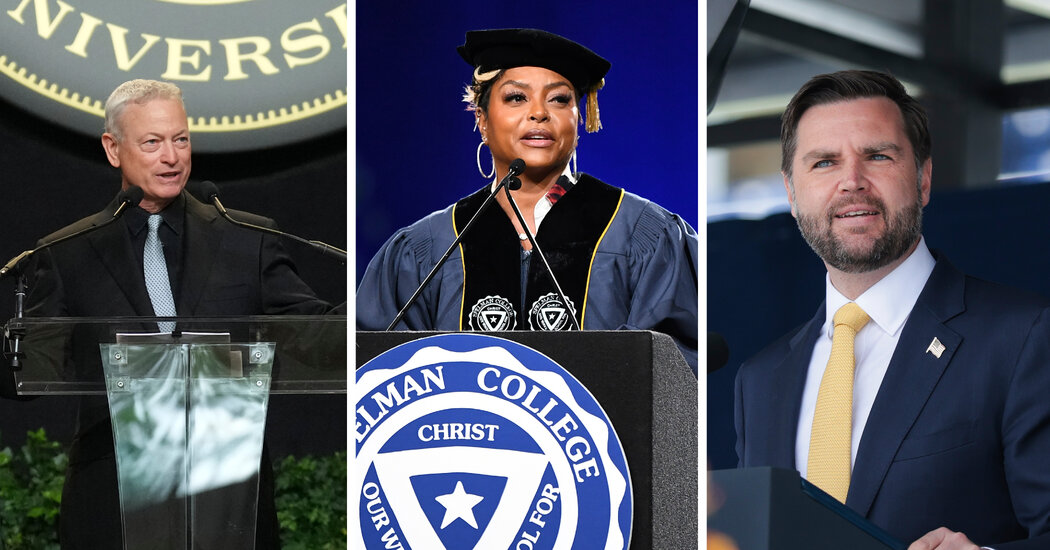
The New York Times analyzed over 170,000 words from recent graduation speeches, highlighting how modern speakers reach a global audience through online videos, with themes ranging from timeless lessons to current political and social issues affecting campuses today.
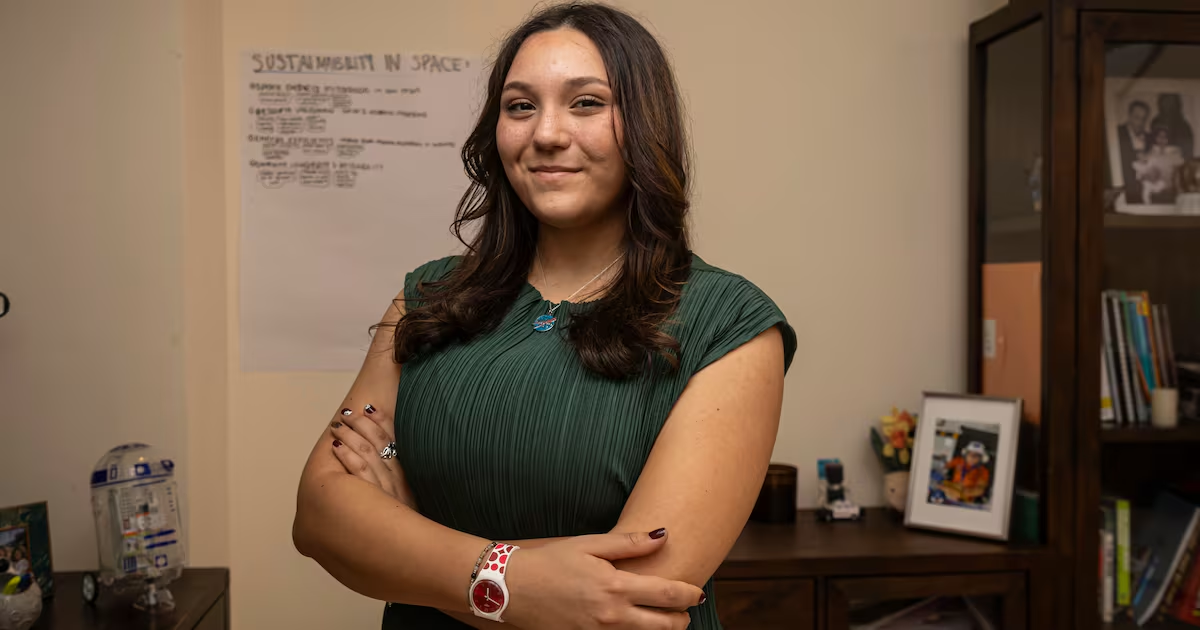
Karma Bridgman, a 17-year-old astrophysics student from Dubai College, is gaining recognition for her research in astrophysics, presenting her work at prestigious institutions like MIT and Cambridge University. Her research focuses on particle acceleration and space debris mitigation, and she has also given a TEDx talk on dark matter. Despite her academic achievements, Karma balances her studies with hobbies like golf and engineering, and plans to pursue aerospace engineering and sustainability in the future.
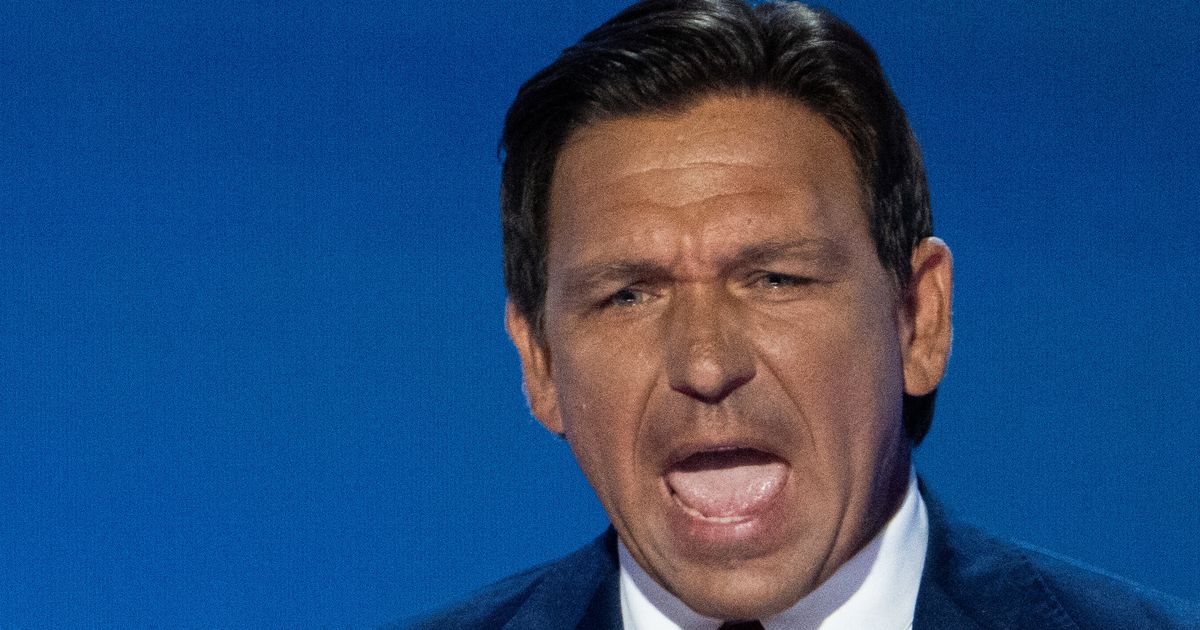
Florida Gov. Ron DeSantis drew attention at the Republican National Convention for his habit of flicking out his tongue while speaking, a behavior highlighted in a "Daily Show" video. Sen. Marco Rubio also garnered social media attention for unusual mouth movements during the event.
A study by Singapore Management University explores using AI and VR to create realistic audience simulations for improving public speaking skills and reducing anxiety. The system, PresentationPro, uses AI-driven avatars to provide real-time feedback, helping users practice in a safe, repeatable environment. This technology aims to build confidence and reduce public speaking anxiety, with potential applications beyond students.
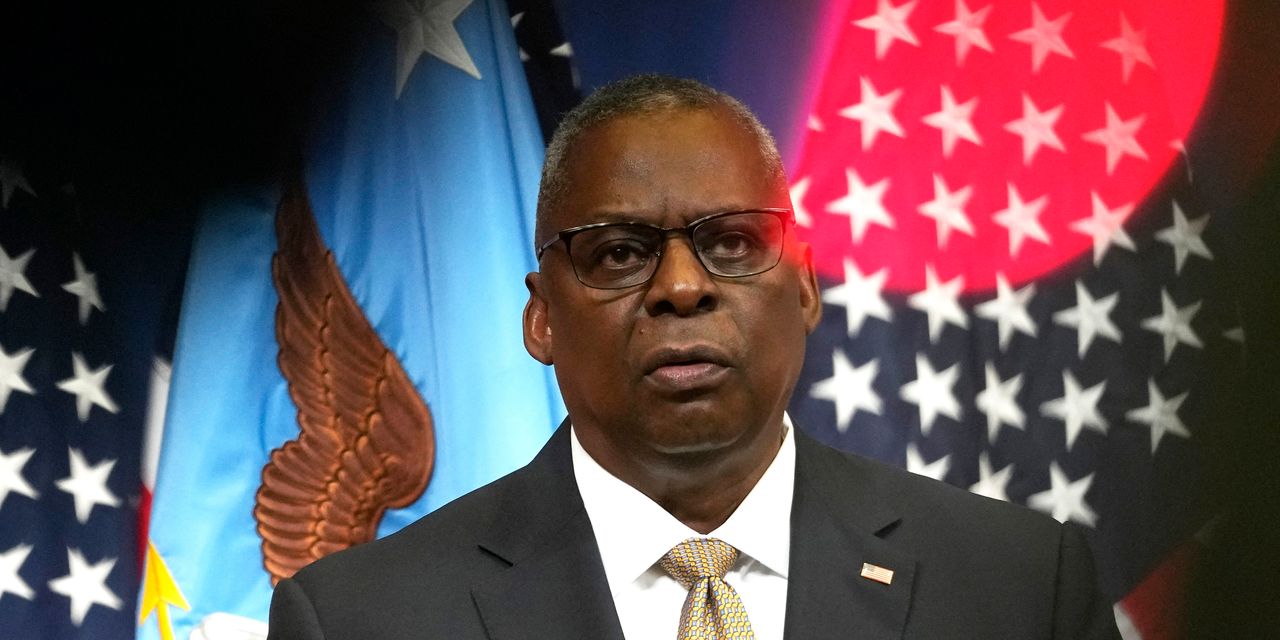
Secretary of Defense Lloyd Austin has been a steadfast and reserved figure in the Biden administration, known for his loyalty and unflappable demeanor. While he has garnered praise for his execution of policy, his reluctance to engage with the media and tendency to stick to scripted talking points have led to a perception of him as a less compelling public speaker.
According to public speaking expert Mehdi Hasan, the key to winning arguments lies in mastering the art of listening. He outlines two types of listening: critical listening, which involves evaluating information in real-time, and empathetic listening, which focuses on understanding the speaker's perspective. Critical listening requires keeping an open mind, staying focused, and taking notes, while empathetic listening involves being present, making eye contact, and asking the right questions. Developing these listening skills can boost credibility and improve argumentative abilities.
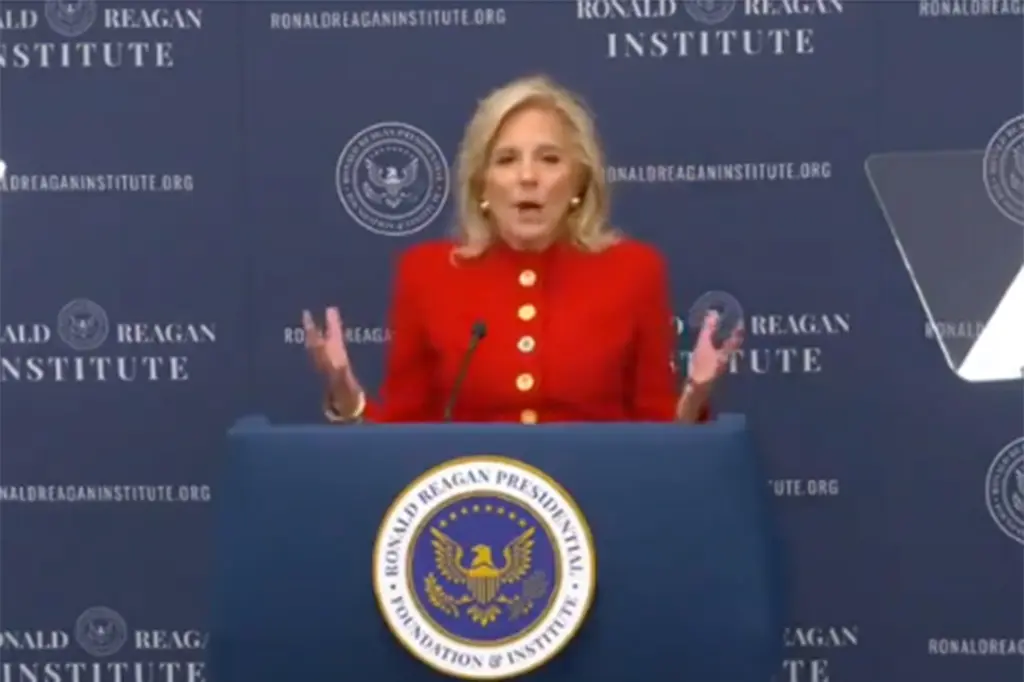
First Lady Jill Biden experienced an awkward moment during a speech at the Reagan Institute Summit on Education in Washington, DC, when her applause line fell flat. After saying, "I’ve visited red states and blue states and I’ve found that the common values that unite us are deeper than our divisions," she paused and then said, "And, um, I thought you might clap for that," drawing laughs and applause. This moment was reminiscent of former Republican presidential candidate Jeb Bush's "please clap" moment during his campaign in 2016.
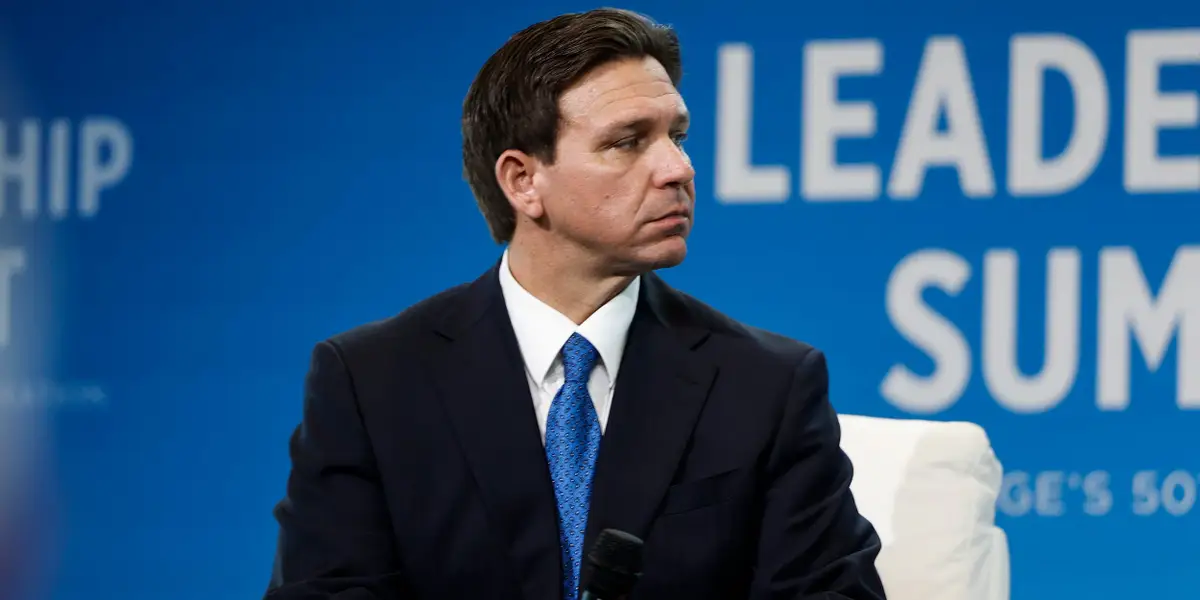
Florida Governor Ron DeSantis received negative feedback from attendees after delivering a lackluster speech in London during his international tour. Critics described his speech as "low-wattage" and "horrendous," lacking any presidential charisma. DeSantis is expected to announce his 2024 presidential campaign next month, but his polling numbers against Trump are low, possibly due to his unlikable personality and poor public speaking skills.