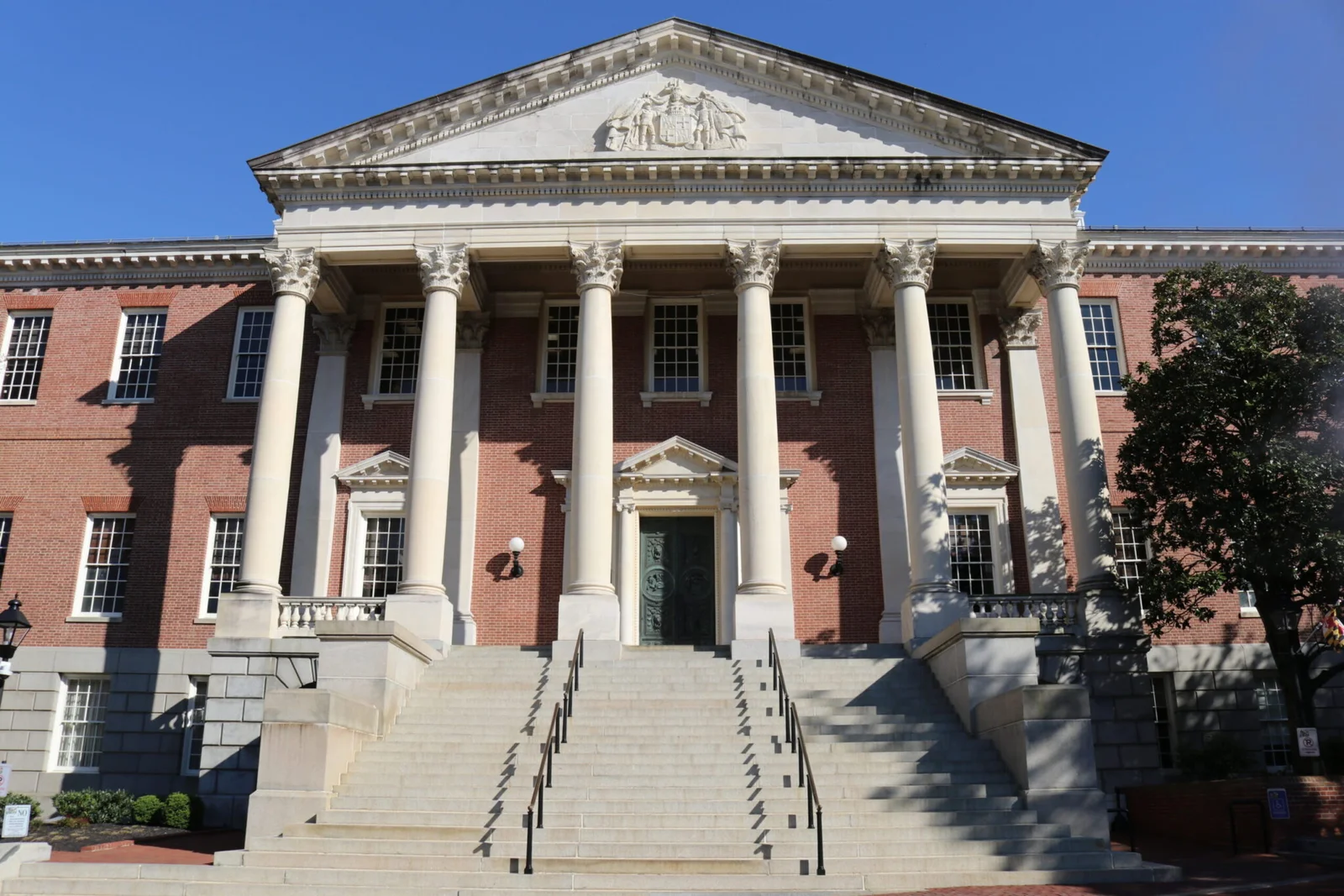
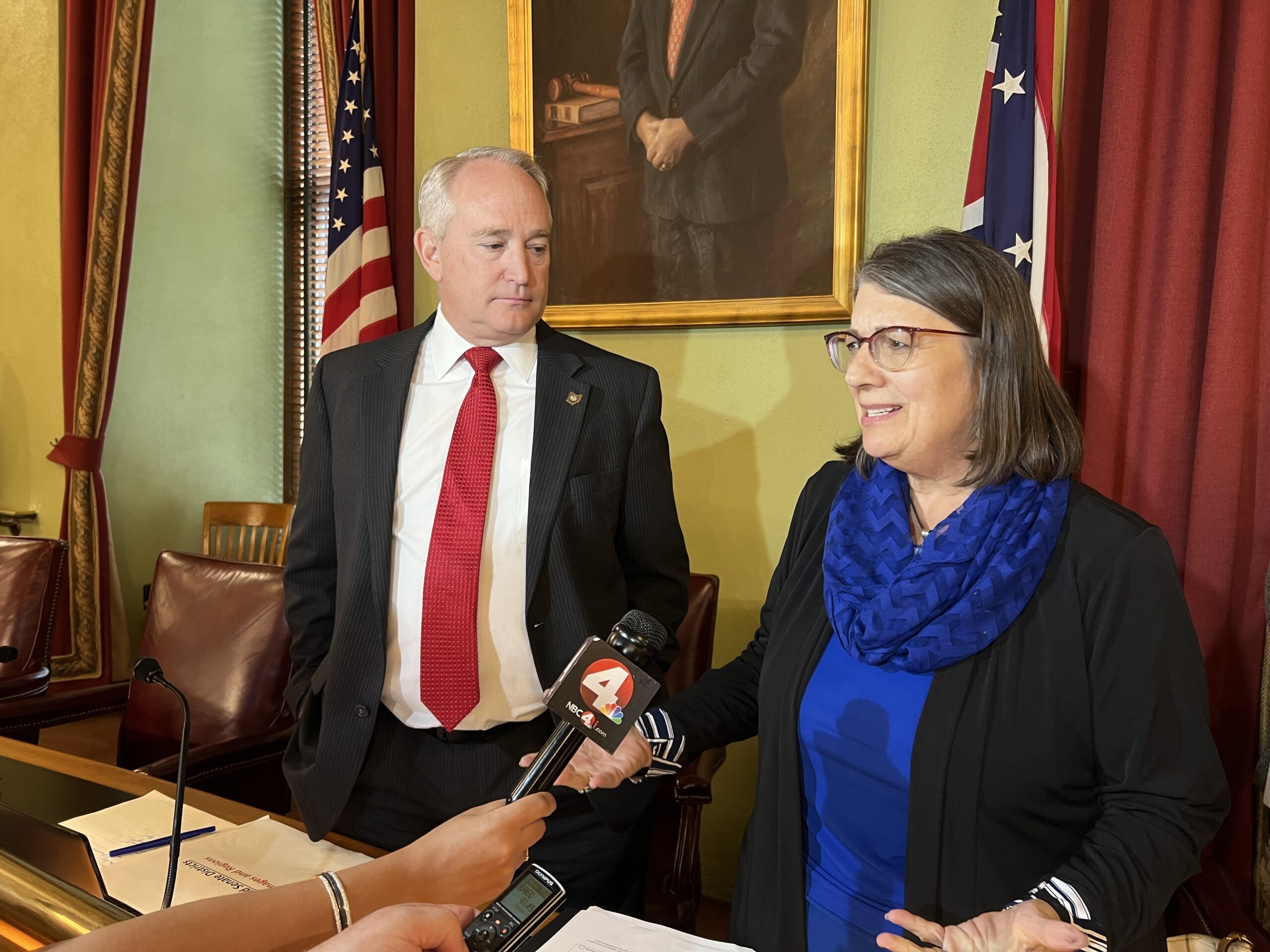
A Maryland redistricting commission voted behind closed doors to proceed with redistricting efforts, sparking criticism over lack of transparency and accusations of predetermined outcomes, despite promises of public engagement and upcoming hearings.
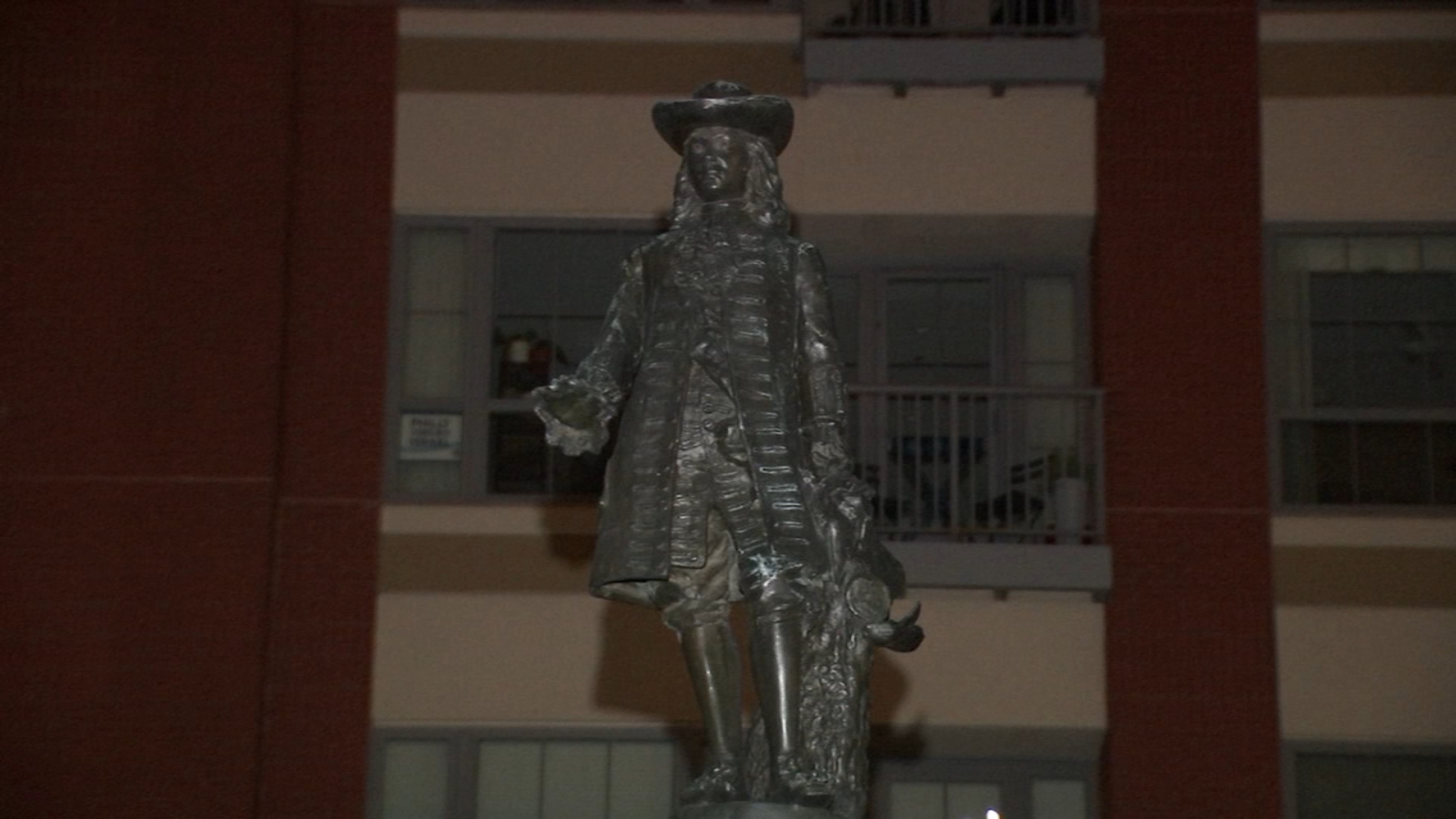
The National Park Service is seeking public input on plans to revamp Welcome Park in Philadelphia's Old City, which will involve removing the William Penn statue and the Slate Roof House model. The park aims to expand the interpretation of Native American history in Philadelphia and make it more inclusive for visitors, with input from indigenous nations. The public can provide feedback until January 21.
After months of public input and debate, a commission in Minnesota has selected a new state flag design. The final design features a deep blue K shape resembling the state's borders, an eight-point North Star, and light blue color representing waters. The commission opted for a symmetrical design, and the flag will start flying on May 11, Statehood Day, unless the Legislature intervenes.
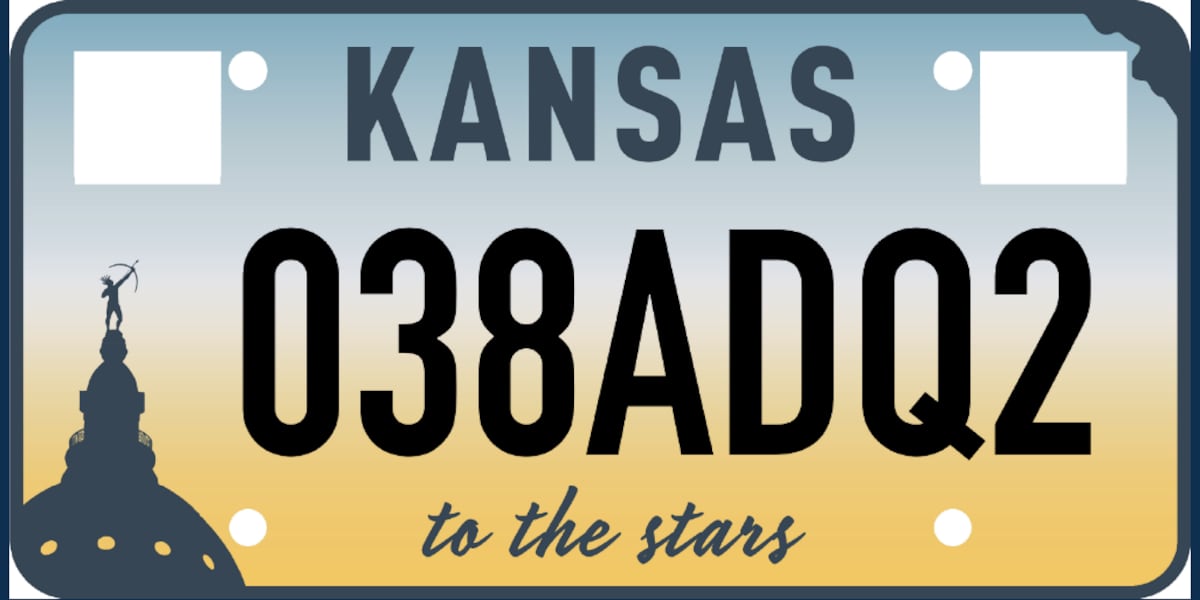
Kansas Governor Laura Kelly has revealed the new standard-issue license plate design for the state, which was chosen by the public through a voting process. The design features the Kansas Statehouse dome within a cutout of the state and a yellow, white, and blue gradient background. Over 140,000 votes, or 53% of the total, were cast in favor of this design. Governor Kelly expressed her appreciation for the public's involvement and emphasized the importance of safety in license plate designs. The state incurred no additional costs for the design or voting process, and the Department of Revenue will promptly begin issuing the updated plates.
Fourth graders in Minnesota have been given the opportunity to voice their opinions on the state's new flag design finalists. The vice chair of the commission responsible for selecting the new flag visited a fourth-grade class to discuss flag design and gather input from the students. The students had various critiques and preferences for the designs, with one clear favorite emerging. The involvement of young people in the flag selection process highlights the importance of public input and the impact that youth voices can have in government decisions.
The National Highway Traffic Safety Administration (NHTSA) has begun seeking public input on the best technology to prevent drunk driving in new cars and trucks. The agency aims to determine the most effective and least invasive technology to eventually require in vehicles. The move comes after a tragic incident in 2019 where a drunken driver caused the deaths of a family. NHTSA plans to issue an "advanced notice" of the rulemaking, discussing available technology and asking for public opinions on how the government should proceed. The agency acknowledges the challenges of implementing such technology, including questions about public acceptance, potential false positives, and measuring impairment accurately. Two likely technologies being considered are the Driver Alcohol Detection System for Safety (DADSS) and Driver Monitoring of Inattention and Impairment Using Vehicle Equipment (DrIIVE).
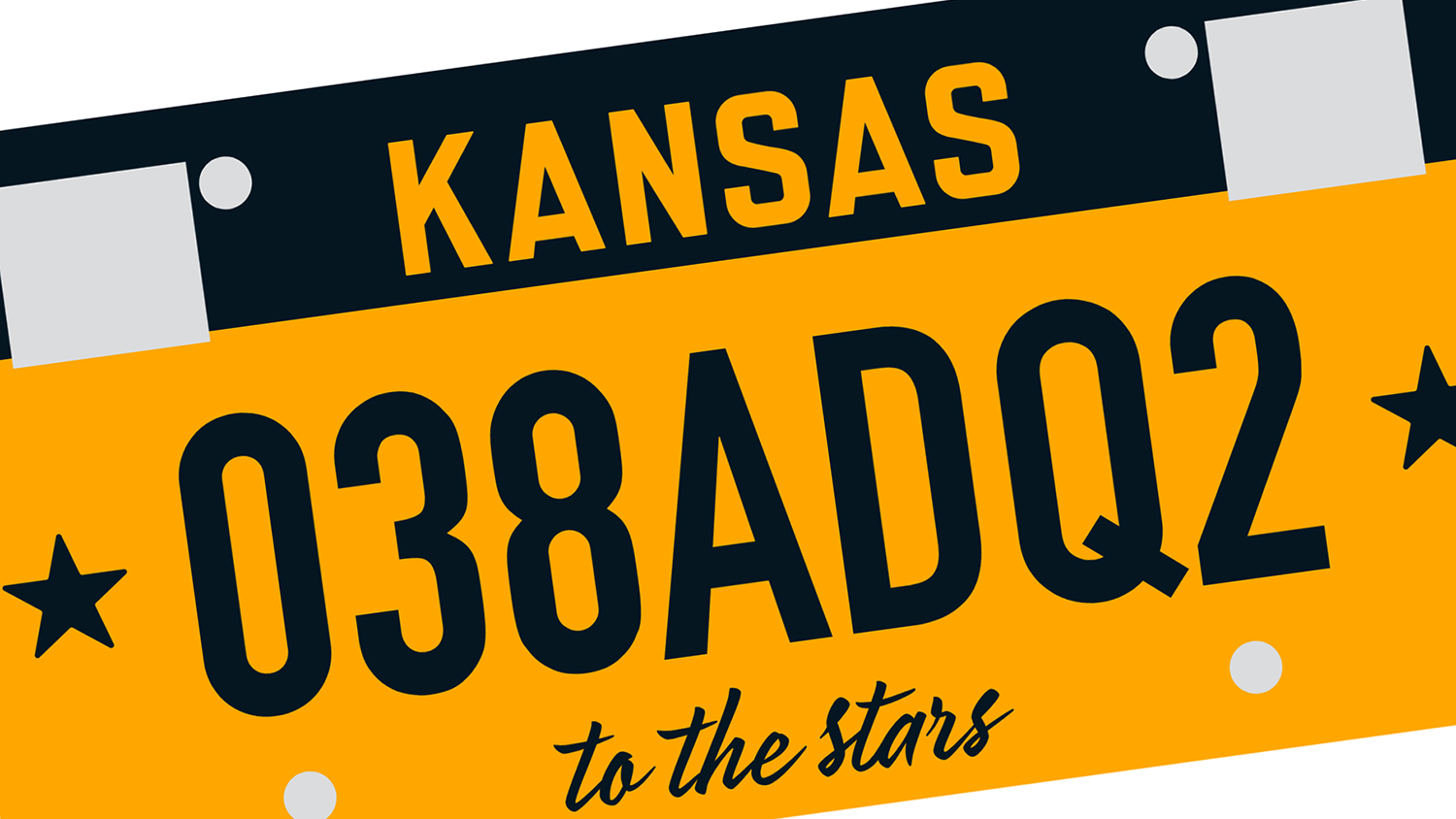
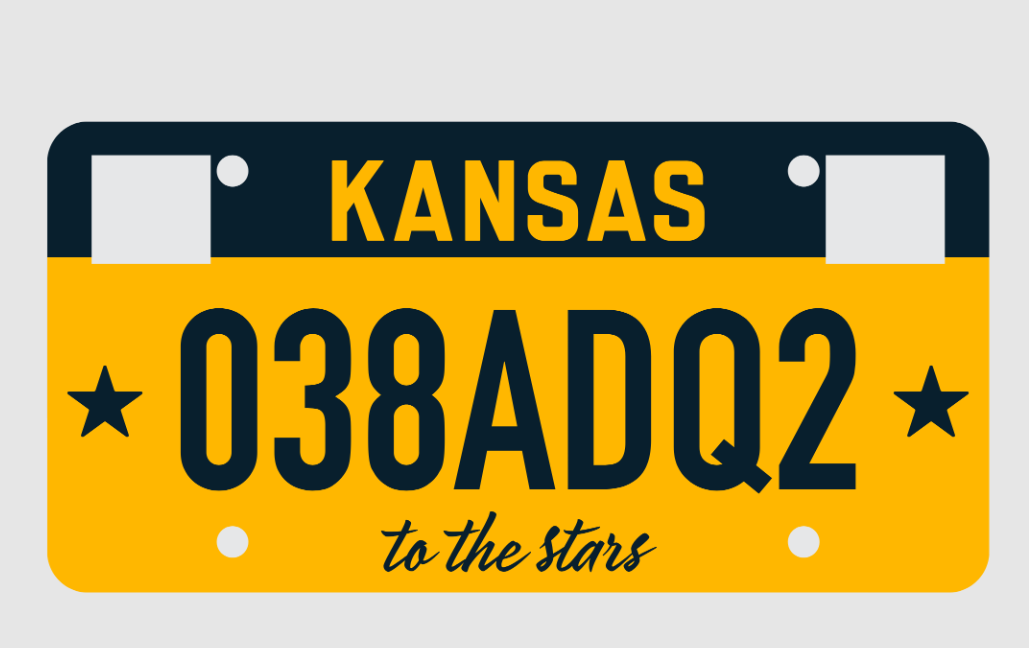
Governor Laura Kelly of Kansas has announced that the state will pause production on the recently revealed license plate design and establish a process to receive public input before selecting a final design. The decision comes after widespread dissatisfaction with the proposed design. Kansans will have the opportunity to vote for their favorite design among several options that comply with law enforcement needs and established guidelines. The Governor's Office will provide more details on the voting process and how this announcement affects the transition to print-on-demand plates.
Kansas Governor Laura Kelly has announced that production of a new license plate design will be halted following widespread criticism. The current design, unveiled last week, received bipartisan backlash for its bright yellow color and resemblance to the New York license plate. Kelly's office plans to involve Kansans in the decision-making process by allowing them to vote for their favorite design. The governor emphasized the importance of a license plate being easy to read and stated that the new design should be "crisp and clean." The transition from embossed to print-on-demand plates may cause a delay of up to six months.
The new license plate design in Kansas has received widespread criticism for its lackluster and unappealing appearance. Critics argue that the design is lazy and fails to capture the essence of the state. State Representative Nick Hoheisel has called for a more inclusive process that involves public input and suggestions for future designs. While the design critique is valid, it is important to focus on more pressing issues such as expanding Medicaid and funding essential programs rather than getting caught up in the aesthetics of license plates.
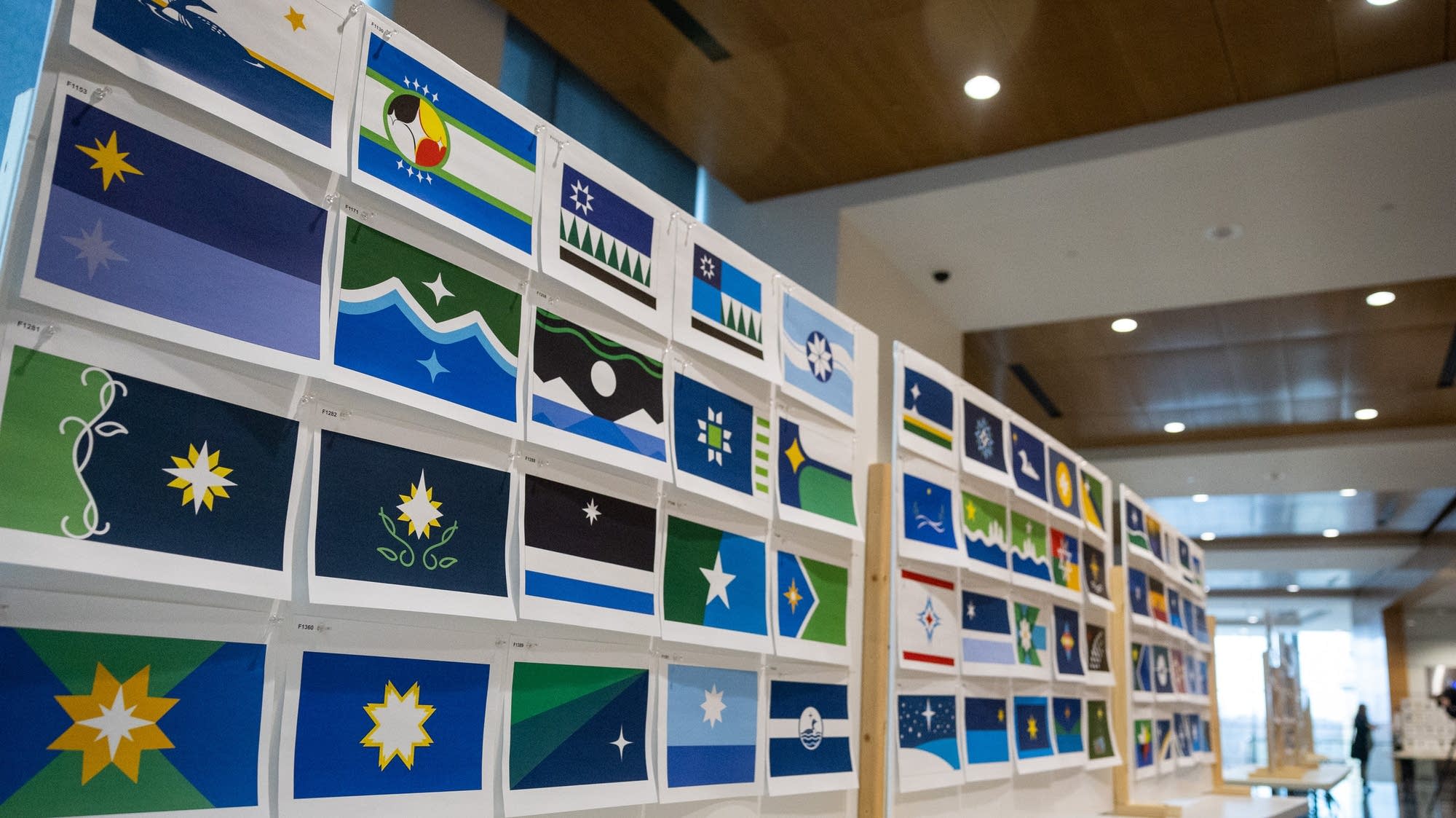
The State Emblems Redesign Commission in Minnesota has unveiled the top six designs for the new state flag and the top five designs for the seal. The current flag, which features a seal on a blue background, has been criticized for its lack of uniqueness and violation of good flag design principles. The new designs aim to accurately and respectfully reflect Minnesota's history, resources, and diverse cultural communities. The commission is open to public input and will make final selections by January 1, with the new flag and seal debuting on Statehood Day, May 11.
The State Emblem Redesign Commission in Minnesota has narrowed down the pool of flag and seal submissions to six final design candidates. The chosen designs feature stars, water ripples, and shades of green and blue, with simplicity being favored over complex concepts. Designs with stars, a loon, and snowflakes are likely to advance. Comical and viral submissions, such as a photo of a dog and a "hot dish" seal, did not make the cut. The commission aims to select emblems that accurately reflect Minnesota's history and diverse communities, without singling out any particular group. The public will have the opportunity to provide feedback during a meeting in December, and the commission must make their final selections before the end of the year.
The Ohio Redistricting Commission has adopted a new set of Statehouse maps with bipartisan support, showing a Republican-to-Democratic advantage in both the Ohio House and Senate. The maps include several toss-up seats for both parties. The commission faced criticism from advocacy coalitions for what they called a political power grab. Public testimony highlighted concerns about partisan gerrymandering and a lack of transparency. The maps could still be challenged in the Ohio Supreme Court, but the commission does not expect any further changes.
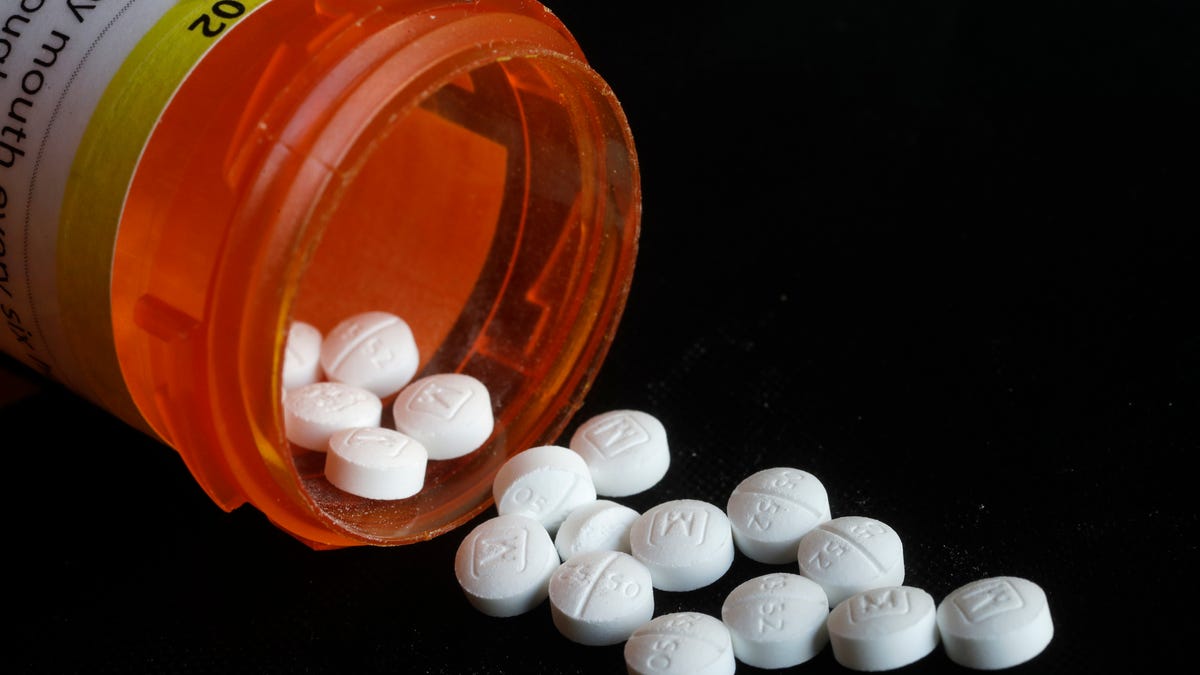
Oakland County officials are seeking public input on how to spend $35 million in opioid settlement money over 20 years. The money is intended for the treatment and prevention of opioid addiction and overdoses. The county has planned a series of listening sessions to gather input from residents and workers, with sessions scheduled at various locations throughout September. The county has seen a significant increase in synthetic opioid-involved deaths and has administered over 1,000 units of naloxone in the past year.
The National Institute of Standards and Technology (NIST) has issued a Request for Information (RFI) to gather public input on the implementation of the U.S. Government National Standards Strategy for Critical and Emerging Technology (USG NSSCET). The strategy aims to establish high-quality standards for critical and emerging technologies, promoting U.S. leadership and competitiveness in sectors such as communication and networking technologies, artificial intelligence, clean energy, and more. NIST is seeking feedback on partnering with stakeholders, removing barriers to international standards development, and enhancing the private sector-led international standards system. Responses to the RFI are due by November 6, 2023.
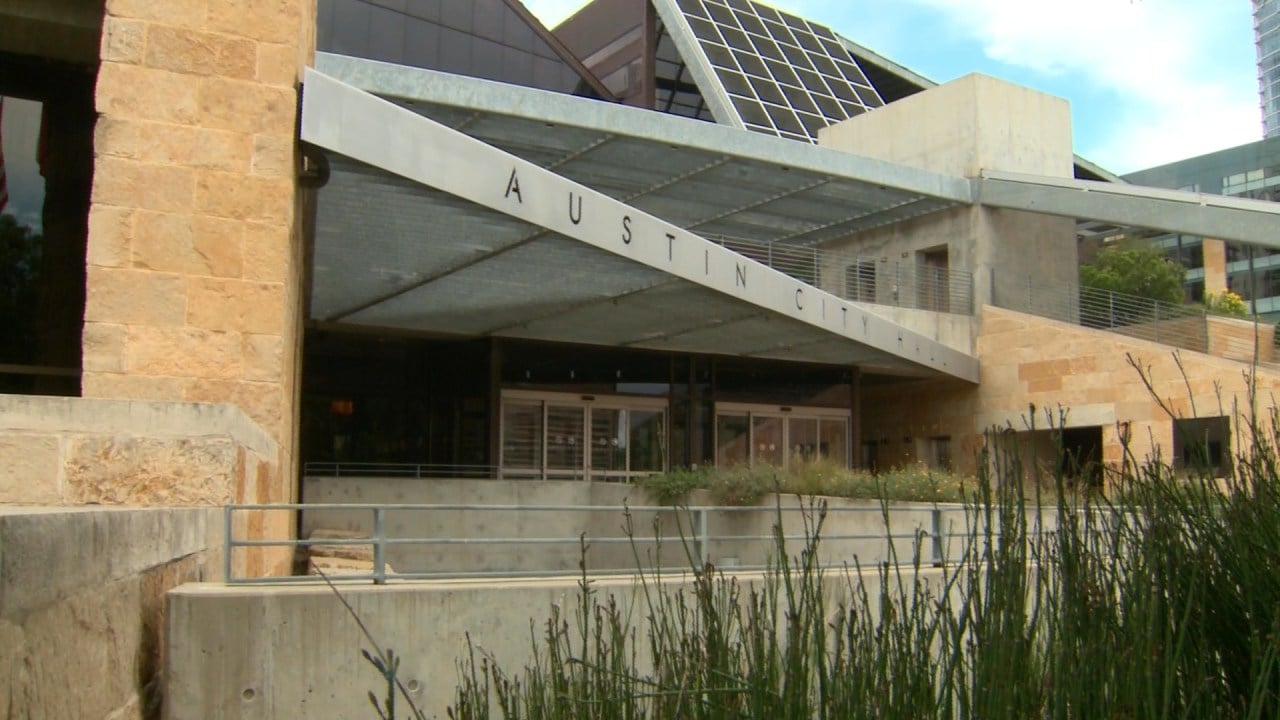
The City of Austin has released its proposed budget for the 2023-2024 fiscal year, which includes a projected 2% increase in local fees for ratepayers. The budget focuses on core services, affordability, resiliency, quality of life, public safety, and ending homelessness. The budget, totaling $5.5 billion, aims to secure the city's financial health while investing in crucial areas. The city council will discuss the budget and seek public input before adopting it in August.