
Tag

Public Health Education

All articles tagged with #public health education

health2 years ago

The Significance of a Little-Known Virus We All Carry.

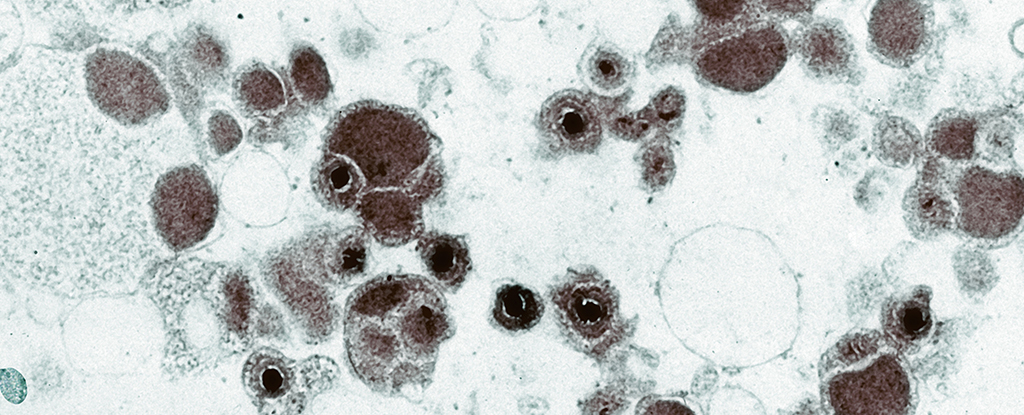
Cytomegalovirus (CMV) is a common virus that can cause congenital infections, leading to birth defects and permanent neurodevelopmental disabilities. Although prenatal and newborn screening for CMV is not standard of care, some states have passed laws requiring public education and targeted screening. Simple behavior changes, such as frequent handwashing and avoiding sharing food or utensils, can significantly reduce the risk of getting CMV. Increasing awareness and standardizing screening guidelines could help reduce the incidence and burden of CMV-related diseases on children and their families.


health2 years ago

The Lingering Threat of COVID-19: Ignored Prevention Measures and Lasting Impacts.

Experts warn that even though the World Health Organization (WHO) declared an end to the global emergency status for COVID-19, countries still need to continue surveillance and monitor infections as this is a 'continuing problem', posing a threat. The change in terminology can mislead people worldwide into believing that the virus has disappeared, which in turn will give way to a dangerous level of complacency. Experts believe that the right kind of public health education, systemic changes like ventilation upgrades, and continuous surveillance is equally important today than it was during the pandemic. The easiest and the most 'painless' way of avoiding future infections is by upgrading indoor air quality systems in every building.

health2 years ago

Experts recommend limiting added sugar to improve health.

A study published in The BMJ has found that high consumption of added sugar is associated with 45 negative health outcomes, including diabetes, gout, obesity, high blood pressure, heart attack, stroke, cancer, asthma, tooth decay, depression, and early death. The authors recommend limiting free sugar intake to less than 25 grams per day and reducing consumption of sugar-sweetened beverages to less than one serving per week. The study suggests that a combination of widespread public health education and policies worldwide is urgently needed to change sugar consumption patterns.