A new study suggests that future painkillers could target specific receptors involved in pain signaling, such as the EP2 receptor in Schwann cells, allowing pain relief without hindering beneficial inflammation, potentially reducing side effects associated with current NSAIDs.
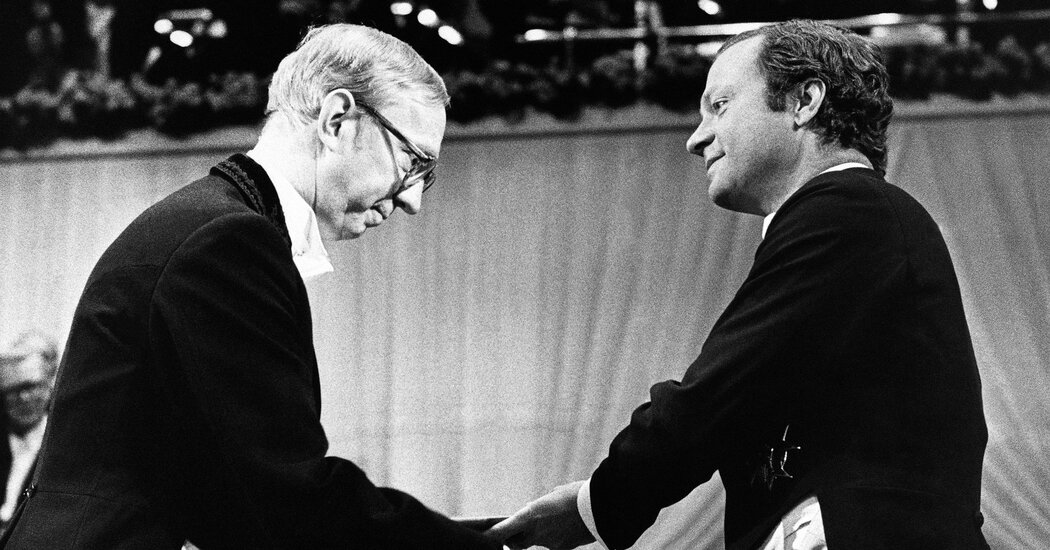
Dr. Bengt Samuelsson, a Nobel Prize-winning biochemist known for his groundbreaking research on prostaglandins and related molecules that led to treatments for inflammation, glaucoma, and allergies, has died at 90 due to heart disease. His work at the Karolinska Institute significantly advanced the understanding of lipid mediators in the body.
Medication can partially counteract the effects of a bad diet, but a really bad diet will cause harm no matter how much medication a doctor provides. Ibuprofen and other nonsteroidal anti-inflammatory drugs reduce the protective stomach prostaglandins, leaving the stomach vulnerable to the ill effects of acid. The first step to avoiding NSAID-induced stomach damage is to use these drugs infrequently, especially if you get symptoms from them or have a history of proven damage due to them. There are medications to reduce the risk, such as antihistamines, proton-pump inhibitors, and misoprostol, which works on the prostaglandins.