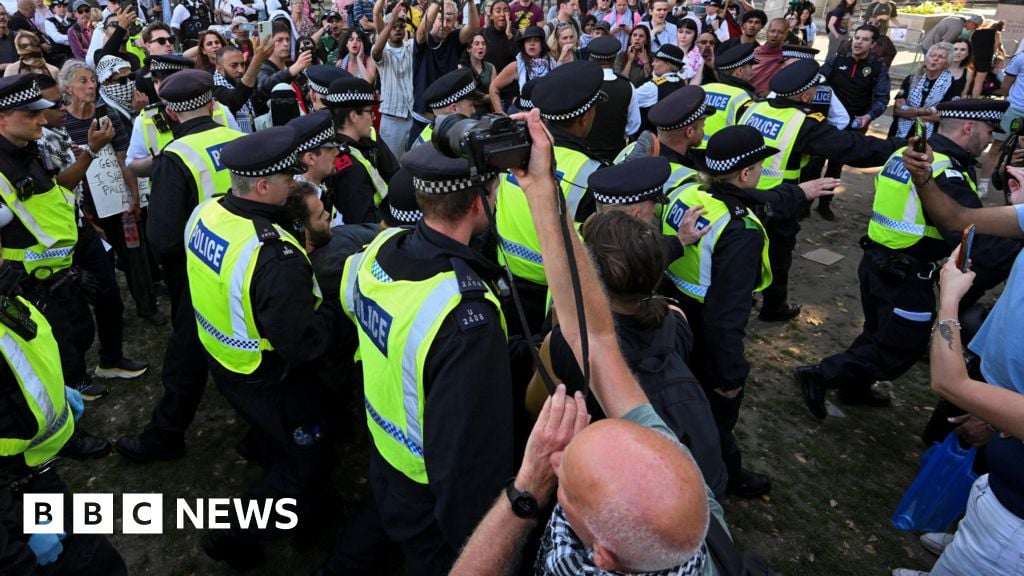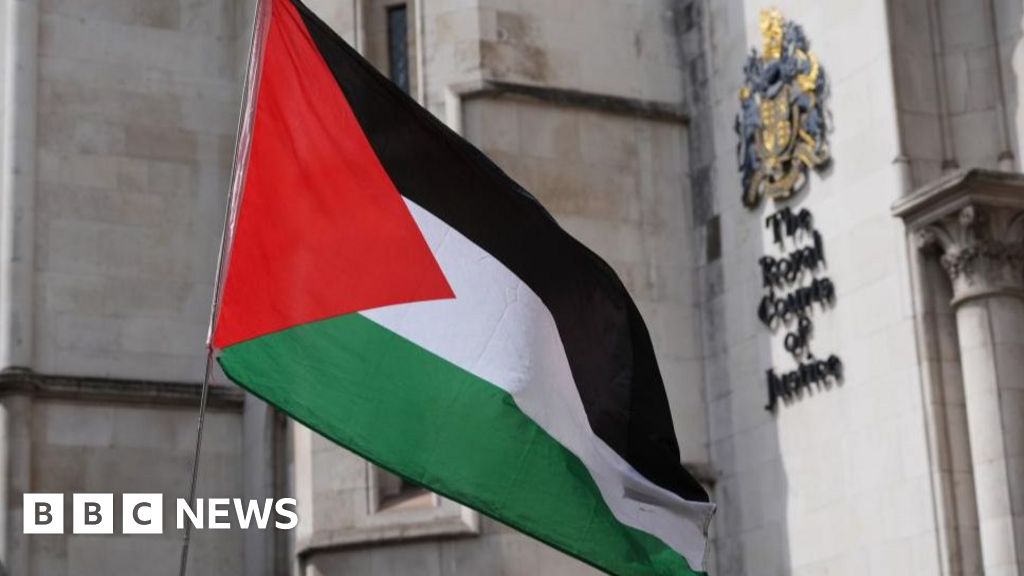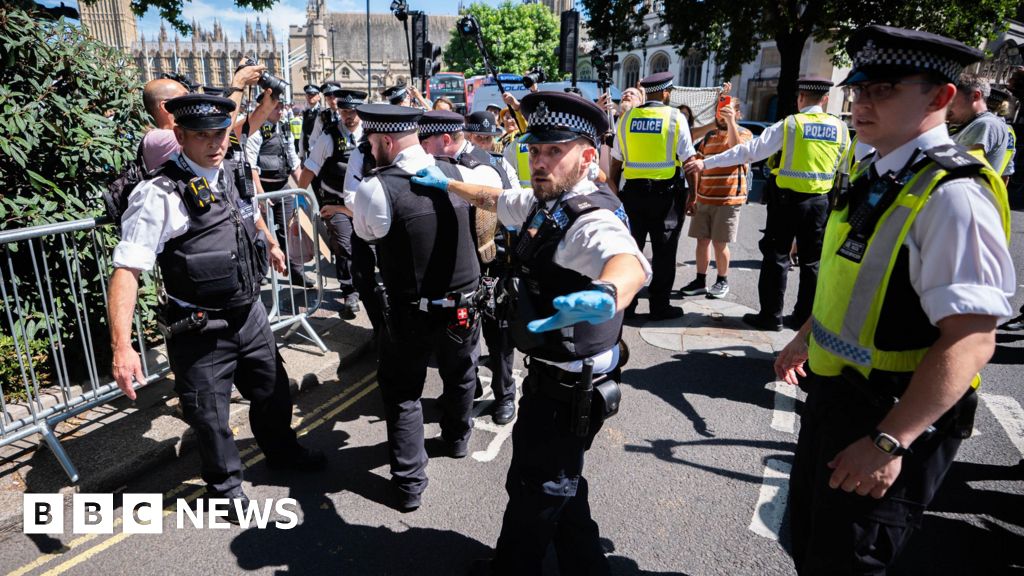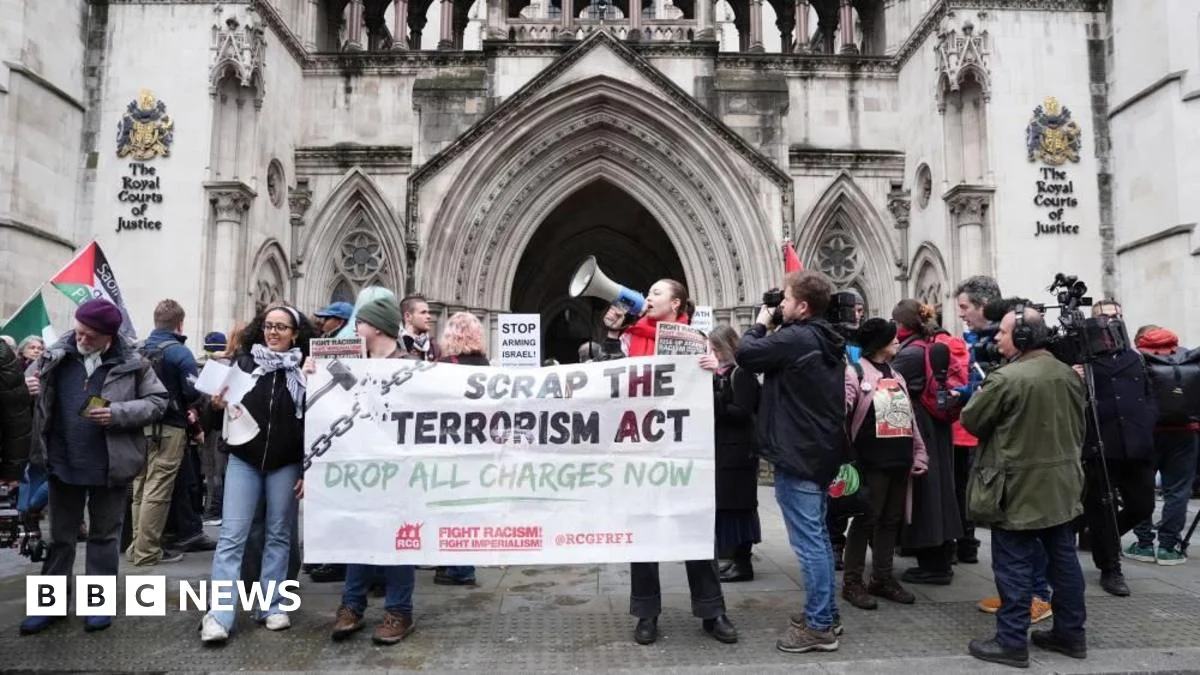
UK MPs are pressuring the government to reconsider its ban on Palestine Action after large-scale arrests during protests, with critics arguing the crackdown is excessive and threatens free speech, while supporters claim the group has links to terrorism and justifies the ban.
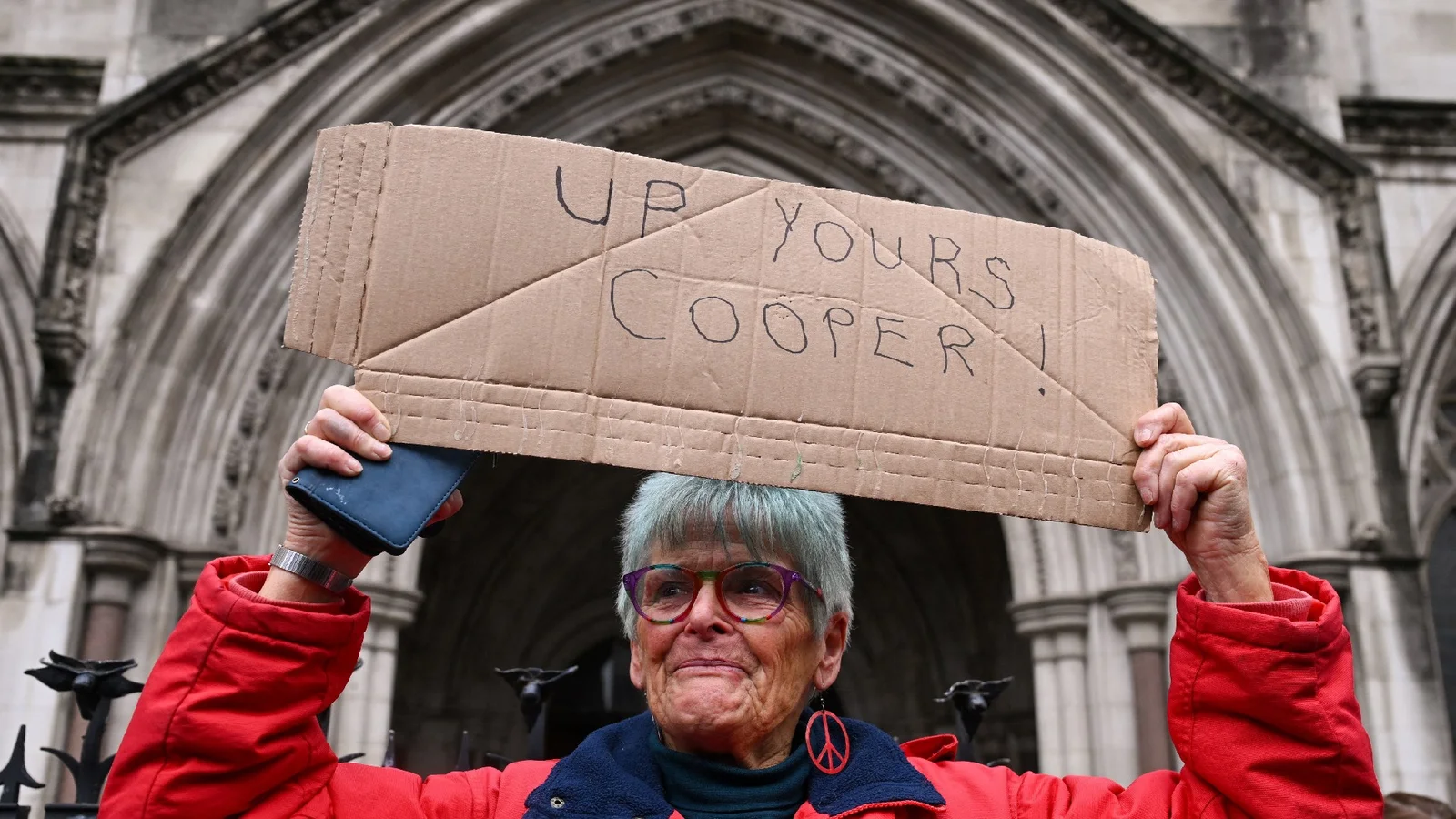
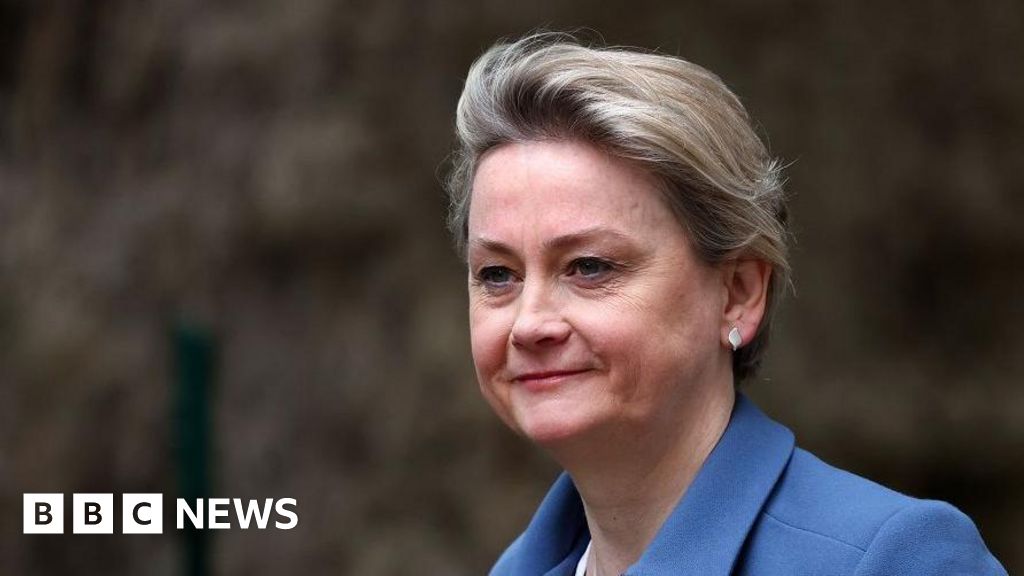
Yvette Cooper defends the UK's ban on Palestine Action, citing its involvement in violent incidents and links to terrorism, while facing criticism over the impact on free speech and protests, with over 700 arrests since the ban.
Yvette Cooper defends the UK government's ban on Palestine Action, emphasizing its involvement in violent attacks and criminal damage, despite protests and concerns over the broad application of terrorism laws. The ban, which criminalizes support for the group, follows significant protests and arrests, with the government citing security assessments and serious attacks as justification. The situation is set against the backdrop of ongoing conflict and humanitarian crises in Gaza.
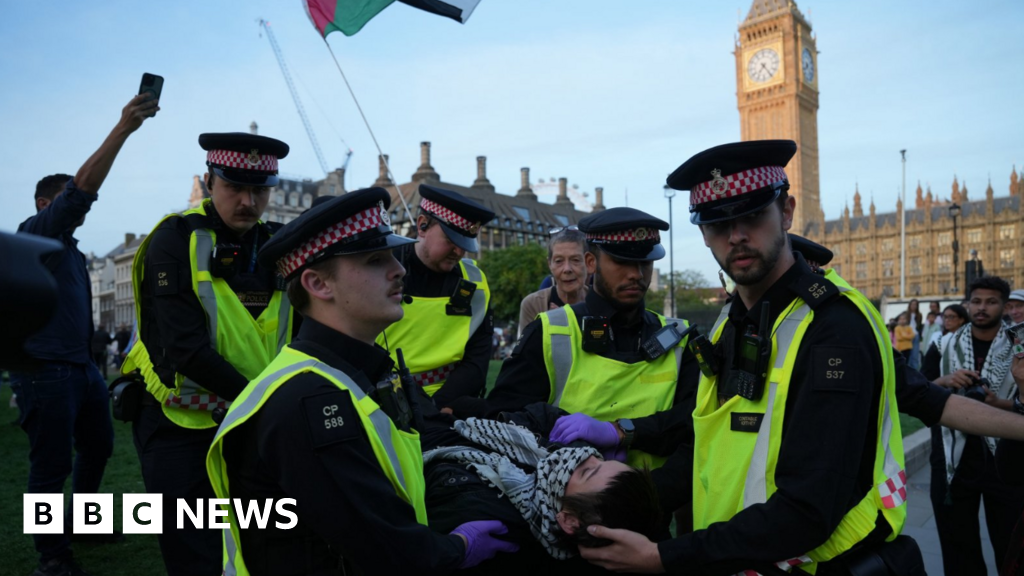
Three individuals have been charged with supporting the proscribed group Palestine Action following a protest in London, marking the first such charges under UK law, as authorities continue to crack down on the group's activities which include damaging military aircraft.
Fifty-five people were arrested during protests in London and Cardiff against Palestine Action, which was recently proscribed as a terrorist organization by the UK government due to its activities targeting arms companies and incidents related to the Gaza conflict. The move has sparked legal challenges and criticism over potential misuse of anti-terror legislation.
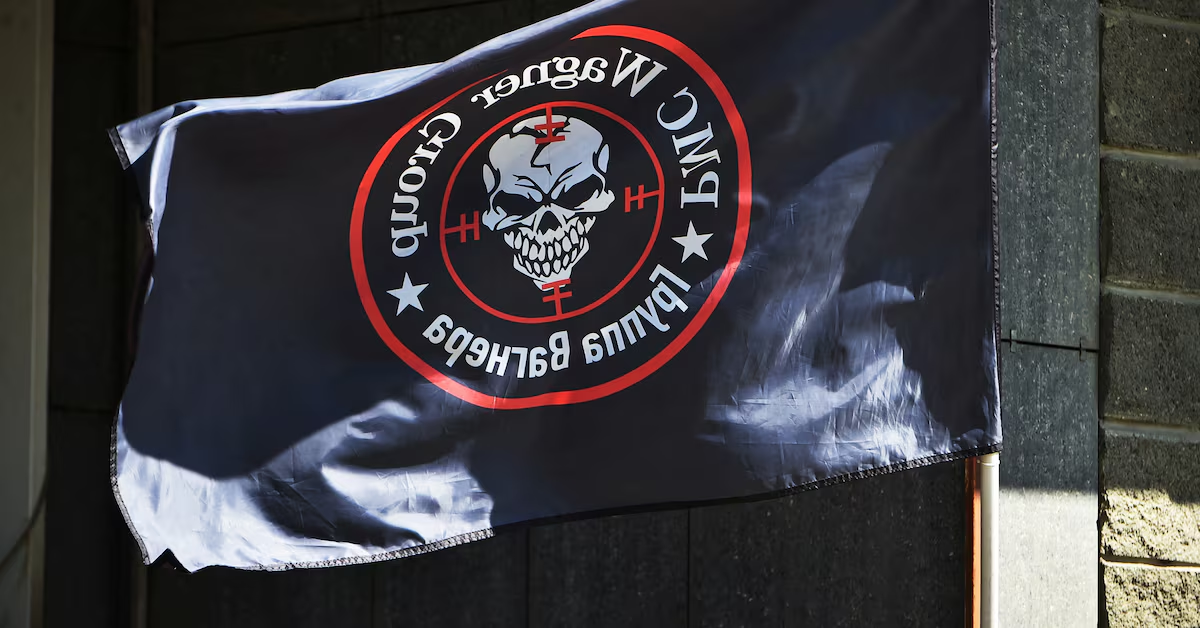
The UK has officially designated the Russian mercenary group Wagner as a terrorist organization, making it illegal to be a member or support the group.