Tag

Propulsion Module

All articles tagged with #propulsion module

space2 years ago

India successfully retrieves Chandrayaan-3 propulsion module from moon mission

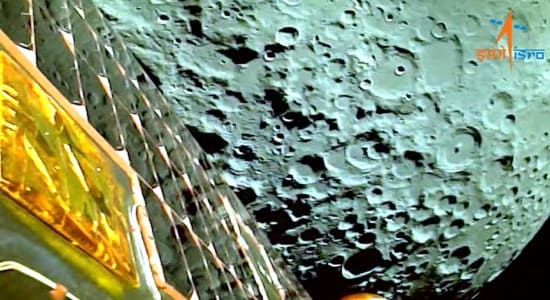
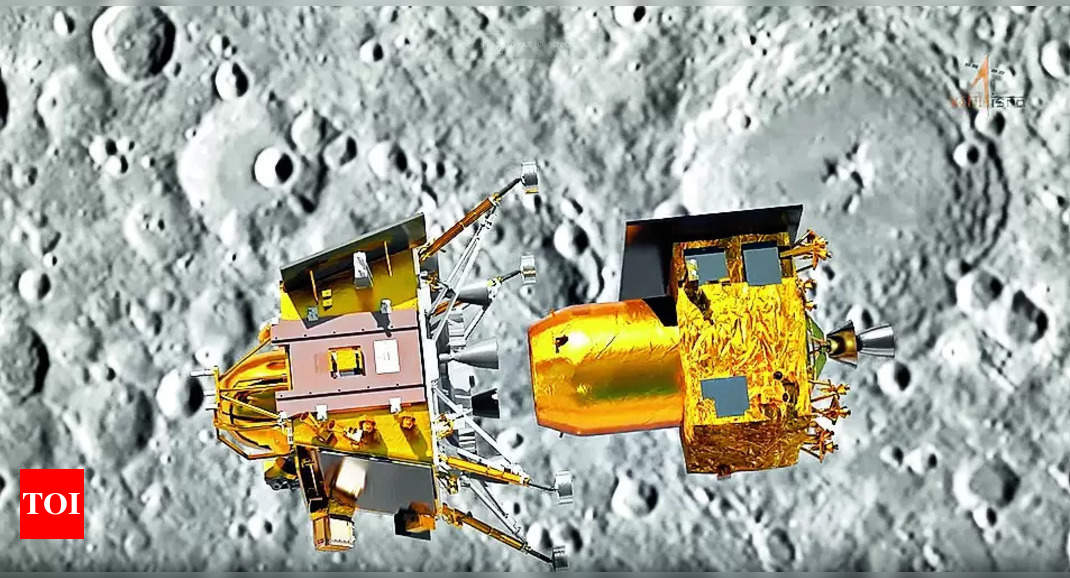
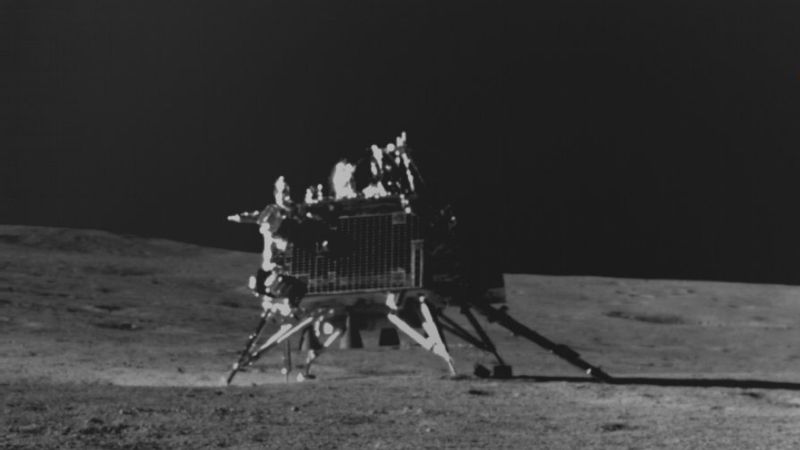
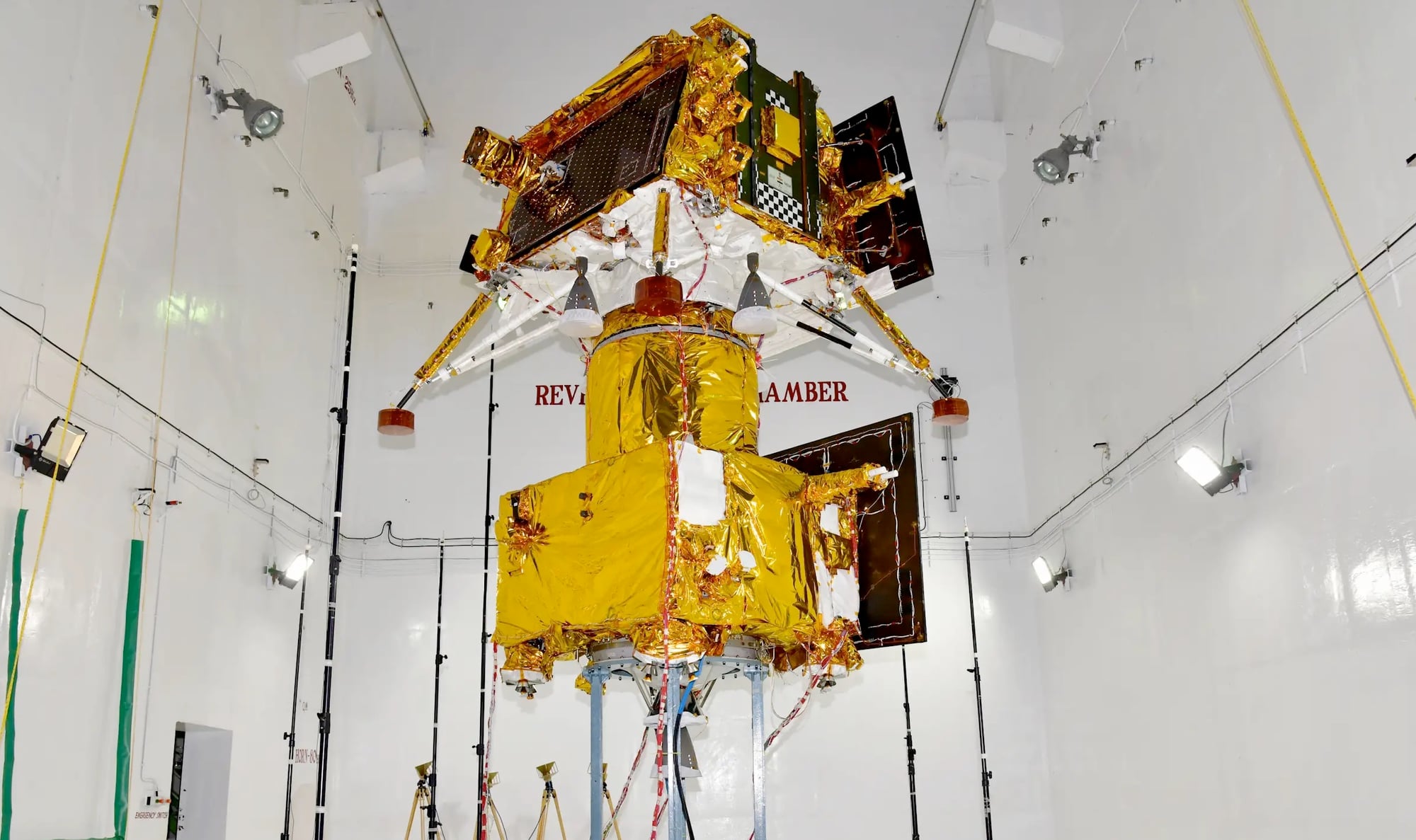
India's propulsion module, which powered the Chandrayaan-3 mission's lunar lander, has been brought back into Earth's orbit to test the possibility of returning samples of lunar soil. The module had more fuel left than expected, prompting researchers to attempt its return. The lander and rover remain on the moon's surface after previous attempts to awaken them failed. The propulsion module served as a relay point and carried out the SHAPE experiment, observing Earth from lunar orbit. The surplus fuel will provide valuable information for future lunar missions and potential sample return missions.
space2 years ago

Chandrayaan-3's Propulsion Module Returns to Earth's Orbit

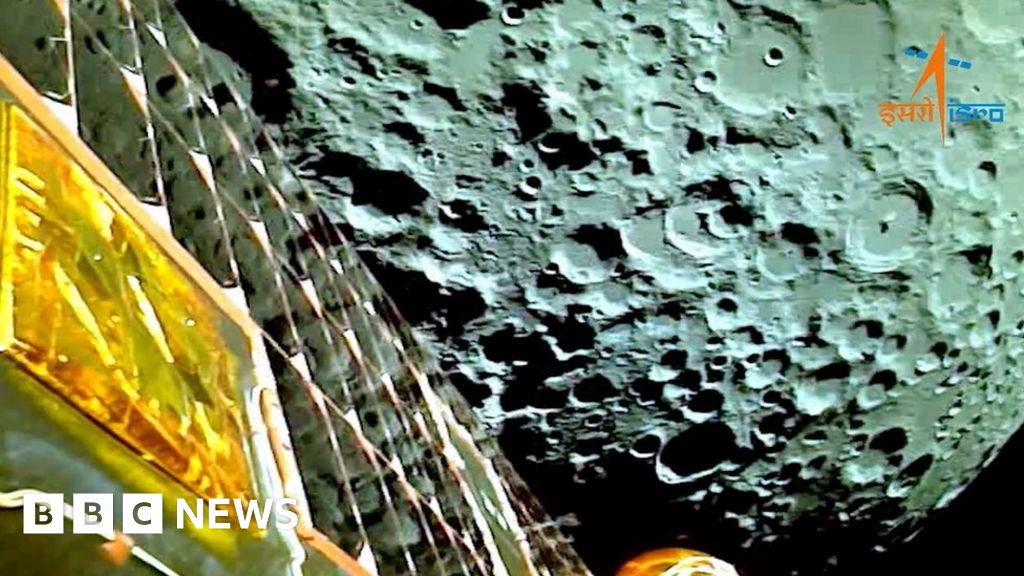
India's space agency, Isro, has successfully brought back the propulsion module of its Chandrayaan-3 Moon mission into Earth's orbit. The module had detached from the Vikram lander after it touched down near the lunar south pole in August. The experiment is significant for Isro's plans for future manned missions, and the module will continue to observe Earth from its new position. The module's return also addresses the issue of potential lunar debris.

space2 years ago

"Chandrayaan-3 Propulsion Module Returns to Earth Orbit, Sets Stage for Lunar Sample Collection"

The Propulsion Module (PM) of Chandrayaan-3, which successfully completed its mission objectives in the lunar orbit, has been moved to an orbit around Earth. This unique experiment aims to derive additional information for future lunar missions and demonstrate mission operation strategies for a sample return mission. The PM was re-orbited to a suitable Earth orbit to continue operating the SHAPE payload for Earth observation, while ensuring collision avoidance with the Moon's surface and Earth's GEO belt. The return maneuvers carried out by the PM have provided valuable insights for planning trajectory and maneuvers, gravity-assisted flybys, and avoiding debris creation.

space2 years ago

India's Chandrayaan-3 Propulsion Module Successfully Returned to Earth's Orbit by ISRO

The propulsion module of the Chandrayaan-3 mission, which transported the lander to the moon, has returned to a high Earth orbit after a series of maneuvers. The Indian Space Research Organisation (ISRO) decided to bring back the module after determining that it had more than 100 kilograms of propellant remaining. The module had initially transported the lander to a low lunar orbit before separating. ISRO has not formally announced plans for a lunar sample return mission but has discussed the potential of a near-term mission.

space2 years ago

ISRO Successfully Transfers Chandrayaan-3 Propulsion Module Between Lunar and Earth Orbits

The Indian Space Research Organisation (ISRO) has successfully moved the Propulsion Module (PM) of Chandrayaan-3 from an orbit around the Moon to an orbit around Earth, in a unique experiment. The primary objective of the Chandrayaan-3 mission, which was launched on July 14, 2023, was to demonstrate a soft landing near the lunar south polar region and perform experiments using the instruments on the 'Vikram' lander and the 'Pragyan' rover. After completing its mission objectives, the PM was re-orbited to a suitable Earth orbit to derive additional information for future lunar missions and demonstrate mission operation strategies for a sample return mission.

space2 years ago

Isro Successfully Demonstrates Chandrayaan-3's Return Technology from Moon

The Indian Space Research Organisation (ISRO) has successfully brought back the Chandrayaan-3 Propulsion Module (PM) to Earth's orbit after surpassing its lunar mission objectives. Originally intended for lunar operations, the PM's trajectory was adjusted to transition from lunar orbit to Earth orbit, showcasing the capability of reigniting engines on the Moon and controlling equipment. The successful repositioning extends the PM's mission life and contributes valuable insights and capabilities for future lunar missions.