The Secret Lair team is experiencing manufacturing delays due to issues with raw materials, which have been resolved but caused a ripple effect in production schedules. Customers with delayed orders can choose to wait, modify, or cancel their orders, with support available. The company emphasizes transparency and their commitment to quality despite the setbacks.
Boeing's CFO announced that the company will experience negative cash flow in 2024 due to sluggish aircraft deliveries and production challenges, causing shares to drop 7.6%. The company is also dealing with regulatory scrutiny and delays in deliveries to China, further impacting its financial outlook.
Tesla has halted Cybertruck deliveries due to an "unexpected delay" related to vehicle preparation, with reports suggesting a recall over an accelerator problem. A TikTok video showed a potential issue with excessive lubricant causing the accelerator pedal cover to jam, but Tesla has not confirmed the exact reason for the delay. Deliveries are expected to resume on April 20, but the situation may impact later deliveries as well. The vehicle, which faced production delays, has also seen complaints regarding visibility, offroading difficulties, safety concerns, and other issues.
HBO's "Euphoria" faces uncertainty for its third season as conflicting visions and production issues have led to delays and script revisions. Creator Sam Levinson's proposed time jump and subsequent script changes have not aligned with the network's expectations, prompting discussions of potential exits and even a movie adaptation. The cast remains committed to the show, but with ongoing creative conversations and scheduling conflicts, the future of the acclaimed series remains unclear.
Boeing announced a major executive shakeup with the departure of its CEO, chair of the board, and head of commercial airplanes, signaling a significant change in leadership. The company's struggles with quality control and production issues have impacted its cash flow and stock valuation. The new leadership team will be crucial in addressing these challenges and restoring Boeing's position in the aviation market, with a focus on increasing production levels and maintaining high-quality standards to drive consistent cash flow and potentially improve stock performance.
The heads of major U.S. airlines are planning to meet with Boeing's board of directors to address the company's production problems, including new aircraft certification and manufacturing delays. The CEOs want to discuss the fallout from a recent incident and the plan for addressing quality problems. This comes after FAA Administrator Michael Whitaker expressed concerns about Boeing's safety culture. United and Southwest have pulled back on hiring due to Boeing's manufacturing delays, while Alaska and American Airlines declined to comment.
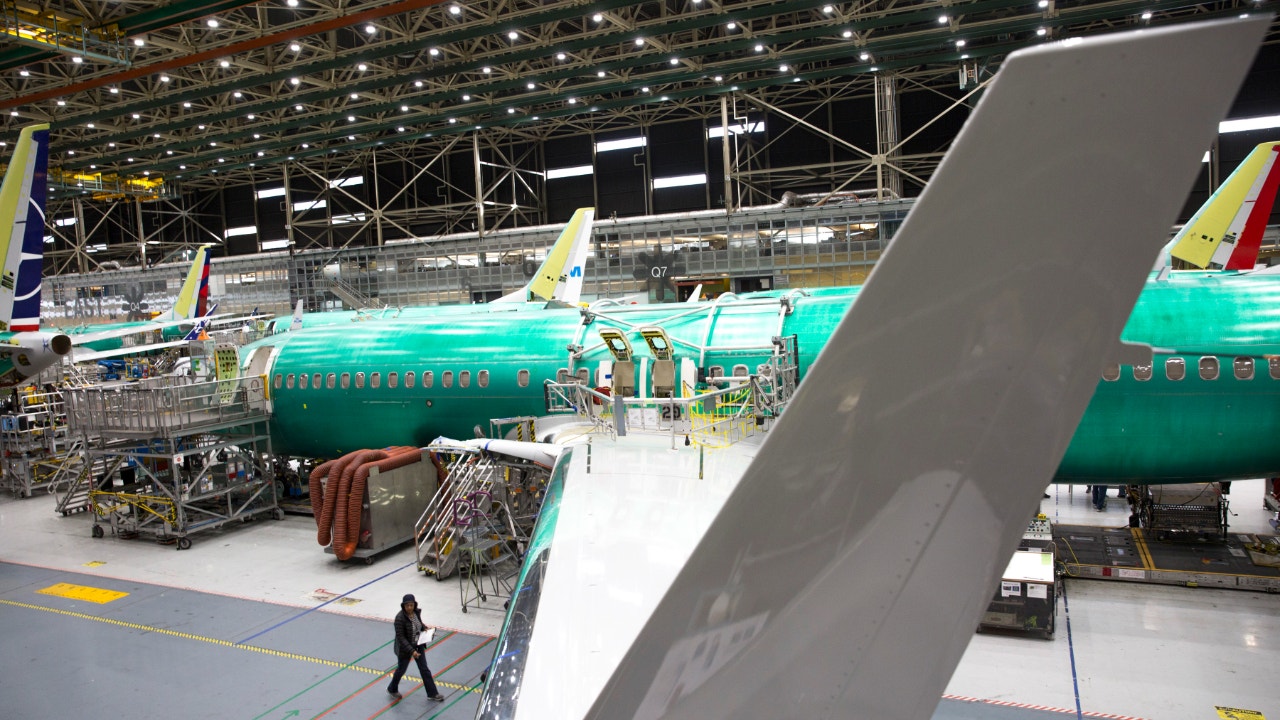
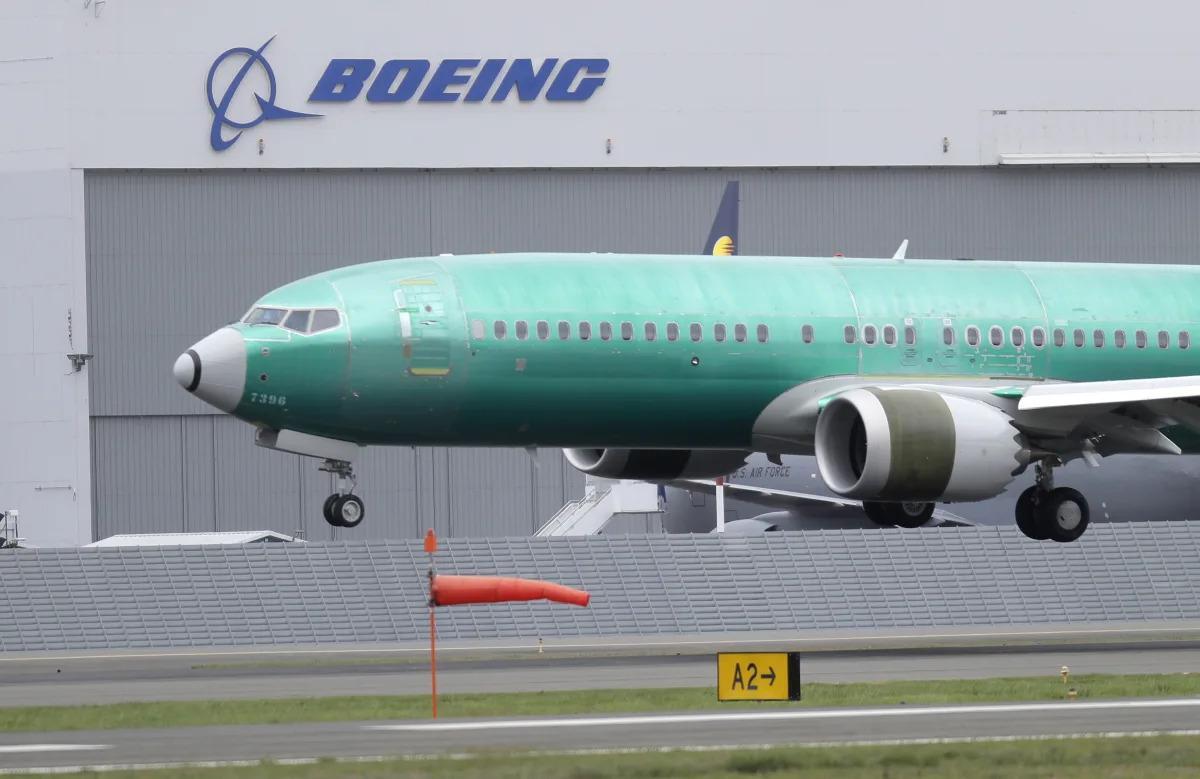
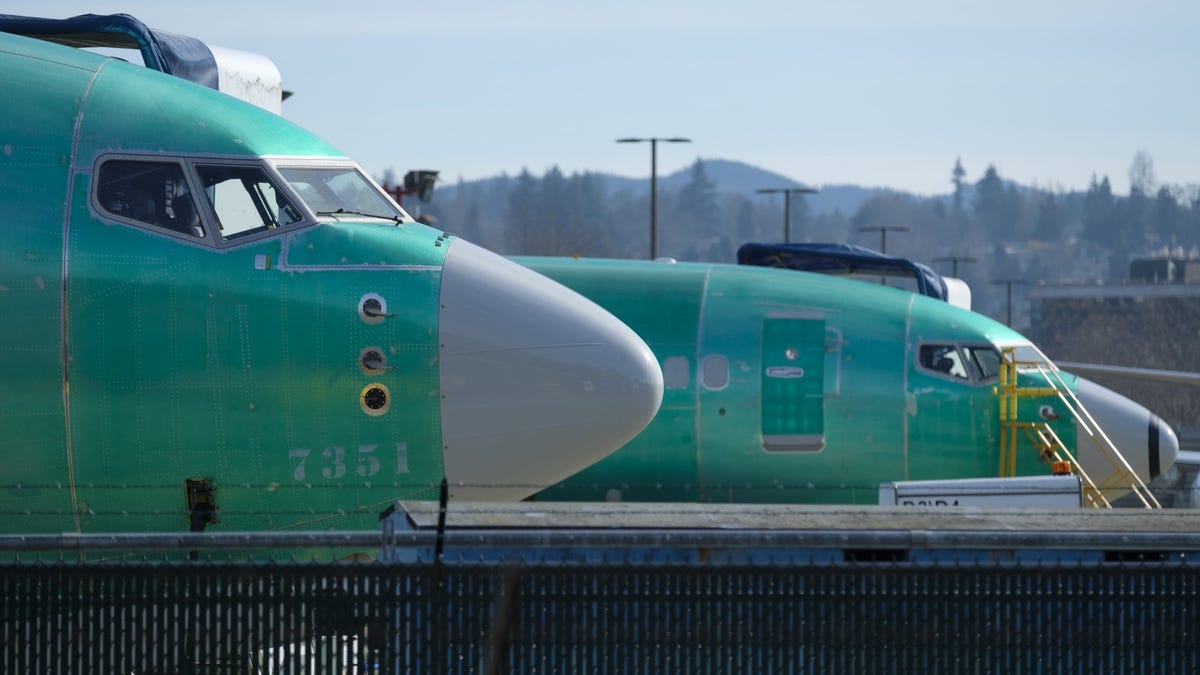
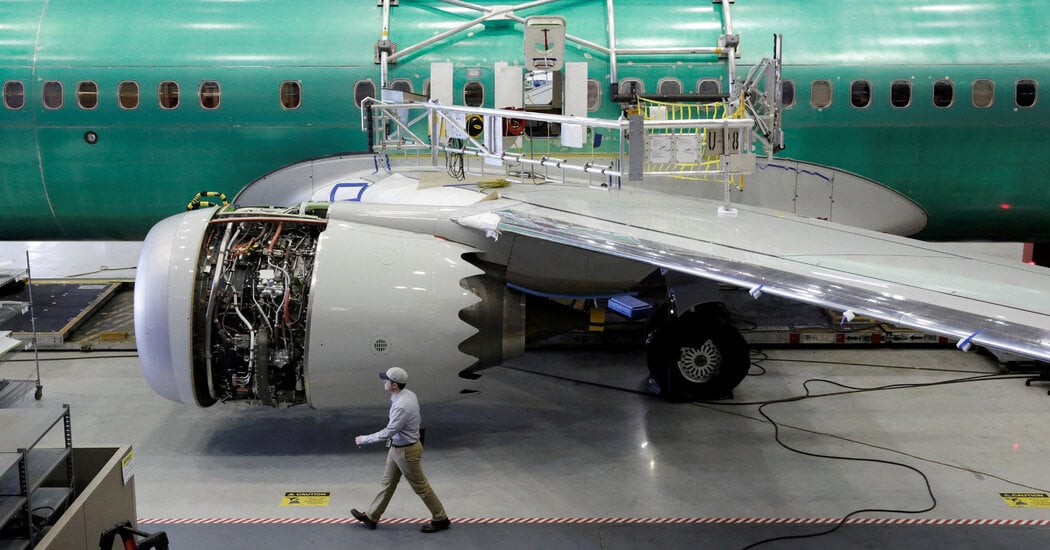
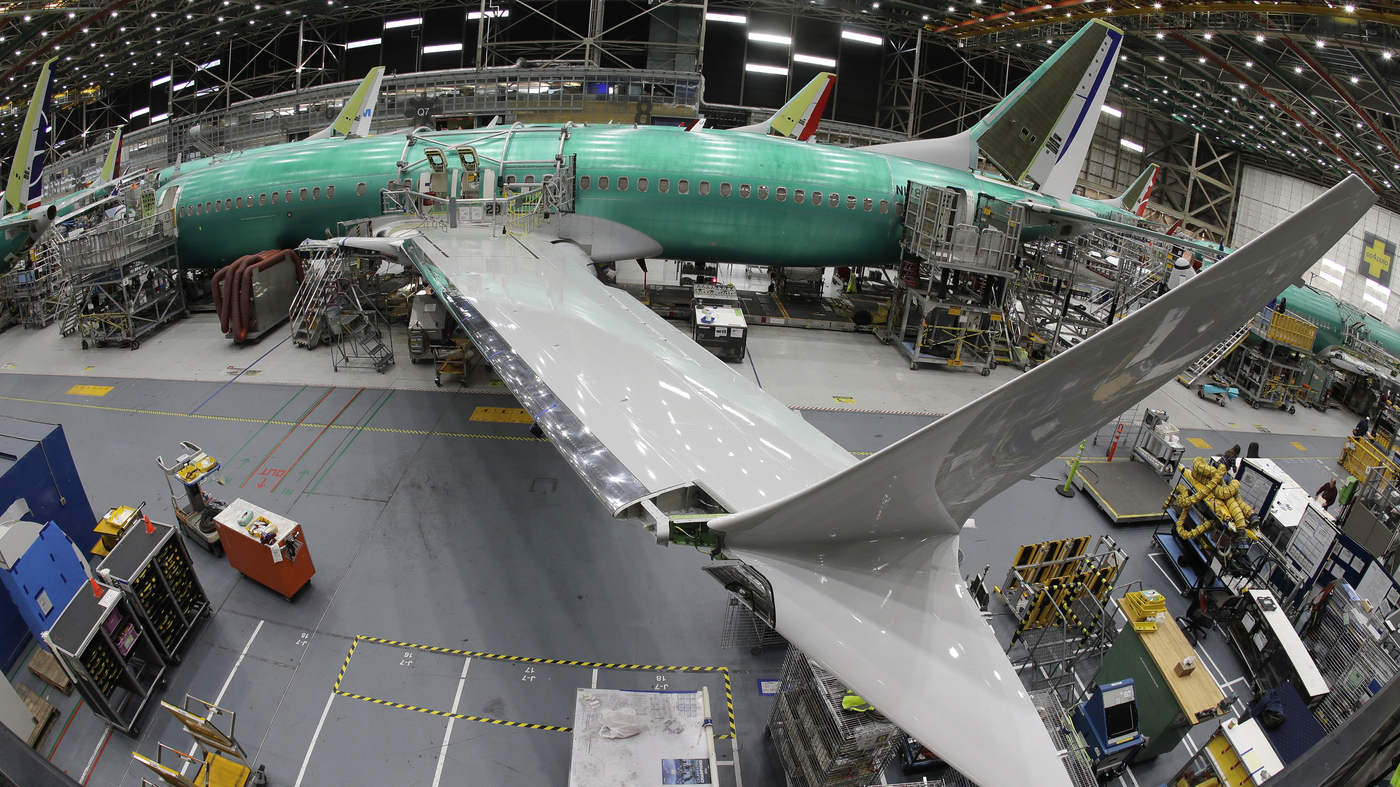
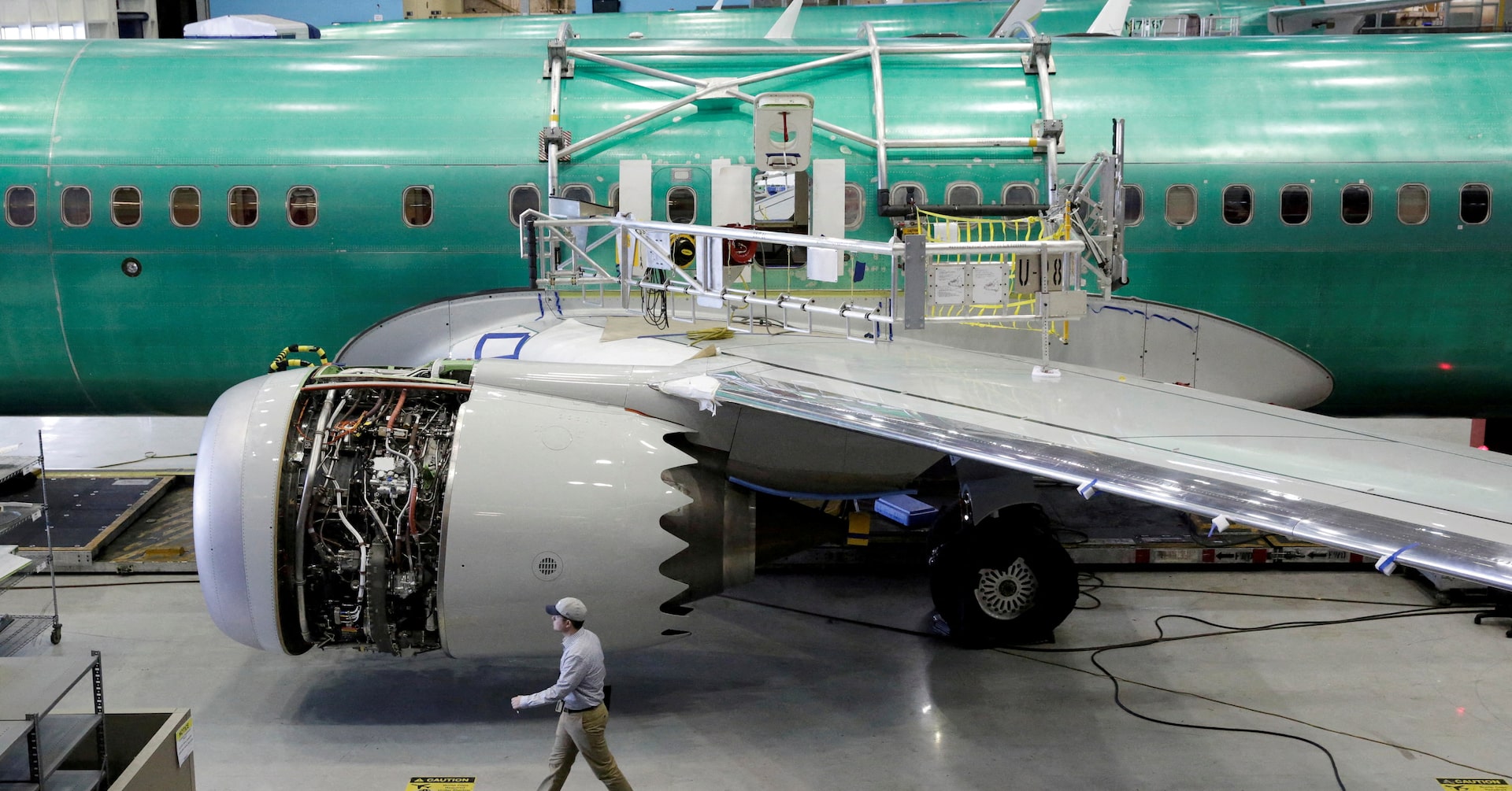
Boeing is addressing production issues affecting the safety and reliability of its planes, particularly focusing on "traveled work" where tasks are delayed or completed in a different location than planned. The company will no longer accept non-conforming fuselages from Spirit AeroSystems, aiming to improve efficiency and safety. This change will result in a significant financial hit, with Q1 free cash flow expected to decrease by $4-4.5 billion. Boeing's 737 production will be lower in the first half of the year but is expected to improve in the second half.
The Federal Aviation Administration has warned Boeing that it must prioritize safety over mass production following a series of safety issues, including a recent incident where a door plug on a 737-Max 9 jet blew out. The FAA found that Boeing's culture emphasizes mass production over safety standards, leading to gaps in the manufacturing process and quality assurance issues. Boeing has been given 90 days to develop a plan to improve its culture and practices to meet FAA standards, with the FAA chief stating that Boeing must make safe airplanes or face production limitations.
Boeing and Spirit AeroSystems failed 33 and 7 FAA safety checks, respectively, during an audit of the 737 Max production. The audit revealed instances of alleged noncompliance, including the use of hotel keycards and Dawn dish soap in the production process. Boeing has been given 90 days to address shortcomings in its quality control, while Spirit is reviewing identified issues for corrective action. This comes after a series of high-profile safety issues with the 737 Max aircraft, raising concerns about Boeing's safety processes.
A six-week audit by the Federal Aviation Administration of Boeing’s production of the 737 Max jet found dozens of problems throughout the manufacturing process at the plane maker and its supplier, Spirit AeroSystems, after a door panel blew off a 737 Max 9 during an Alaska Airlines flight in January. The audit revealed that Boeing failed 33 of 89 product audits, with a total of 97 instances of alleged noncompliance, while Spirit AeroSystems failed seven out of 13 audits. The findings add to the scrutiny over Boeing's quality-control practices and manufacturing lapses.
Boeing's aircraft orders and deliveries dropped in January due to the fallout from a midflight fuselage panel blowout on one of its 737 Max 9s. The company handed over 27 planes, its lowest tally since September, and sold three Boeing 737 Max planes while logging three cancellations. Boeing executives are working to address manufacturing processes and quality control issues after a series of production glitches. The Federal Aviation Administration has halted Boeing's planned production increases until it is satisfied that these issues are resolved.
Boeing, still reeling from the aftermath of the 737 Max 8 crashes, faces a new crisis as an Alaska Airlines 737 Max 9 plane experienced a harrowing incident, prompting the FAA to halt Boeing's production plans. This has led to class-action lawsuits from passengers, public criticism from airline executives, and potential reopening of a $2.5 billion settlement with the federal government. Additionally, a new problem with fuselages on dozens of unfinished 737 Max planes has been identified, adding to Boeing's woes.
Production issues at Spirit AeroSystems, a key Boeing supplier, have led to quality control problems and safety concerns with the 737 Max aircraft. Former employees allege a culture of underreporting defects to meet production targets, and federal investigators are looking into the relationship between the two companies. The FAA is sending inspectors to review production facilities, and Boeing has announced that about 50 jets will need additional work due to improperly drilled holes. The whistleblower claims that fuselages arrived with damaged and improperly installed rivets, highlighting major communication and quality control problems between the two companies. Boeing acknowledges that they may have outsourced too many parts of the manufacturing chain and is taking steps to address the issues.
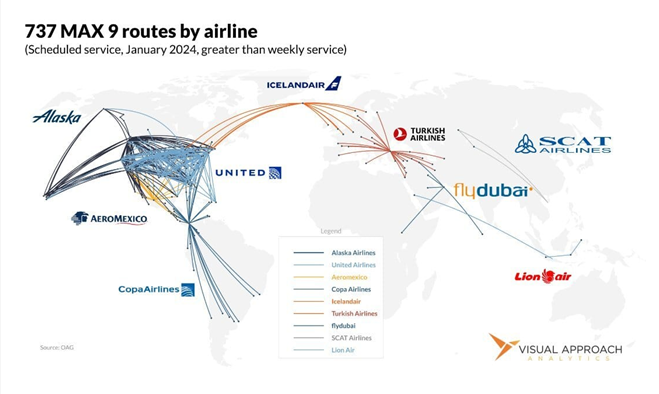
The FAA has deployed inspectors to Boeing's 737 Max factory to visually inspect aircraft and ensure the manufacturer's quality control system is functioning properly following an incident where a door plug blew out on an Alaska Airlines flight. The FAA is working with Boeing and airlines on inspection instructions for the 737 Max 9's return to service, but the timeline remains uncertain. United Airlines is assuming the planes will remain grounded through the end of January, and Boeing is pausing production lines for safety sessions to address the issue. The FAA is considering potential changes to its oversight of Boeing's production processes.
The FAA is increasing its oversight of Boeing's production and manufacturing of the 737-9 MAX following the discovery of discrepancies in undelivered aircraft. This comes after the grounding of approximately 171 Boeing 737-9 MAX planes and an investigation into Boeing's compliance with approved quality procedures. The FAA will conduct audits, increase monitoring of in-service events, and assess safety risks, potentially moving these functions under independent third-party entities. The safety of the flying public will determine the timeline for the return of the 737-9 MAX to service.