Evolutionary Response: Elephant Teeth Adapt to Climate and Diet Changes in Africa
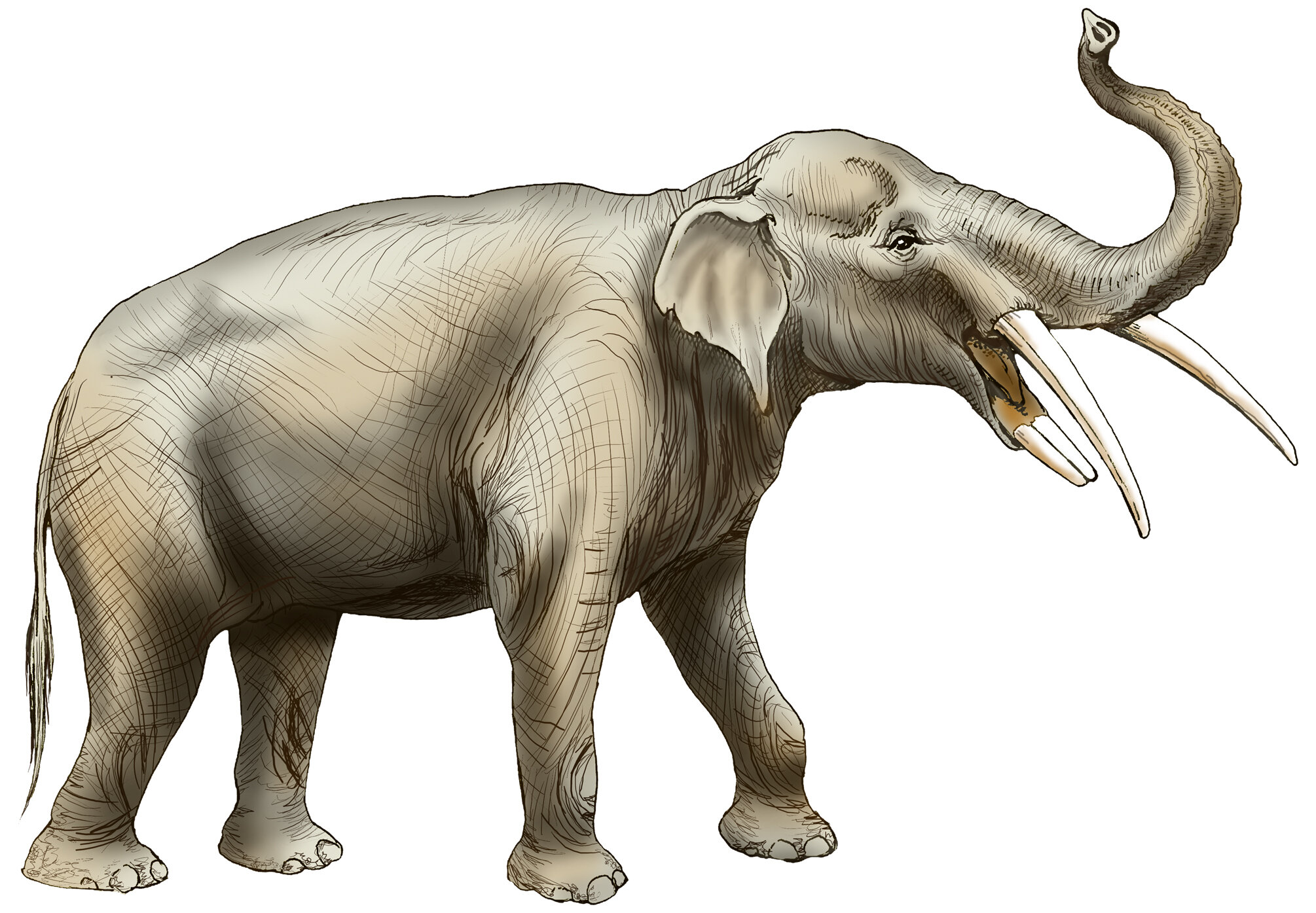
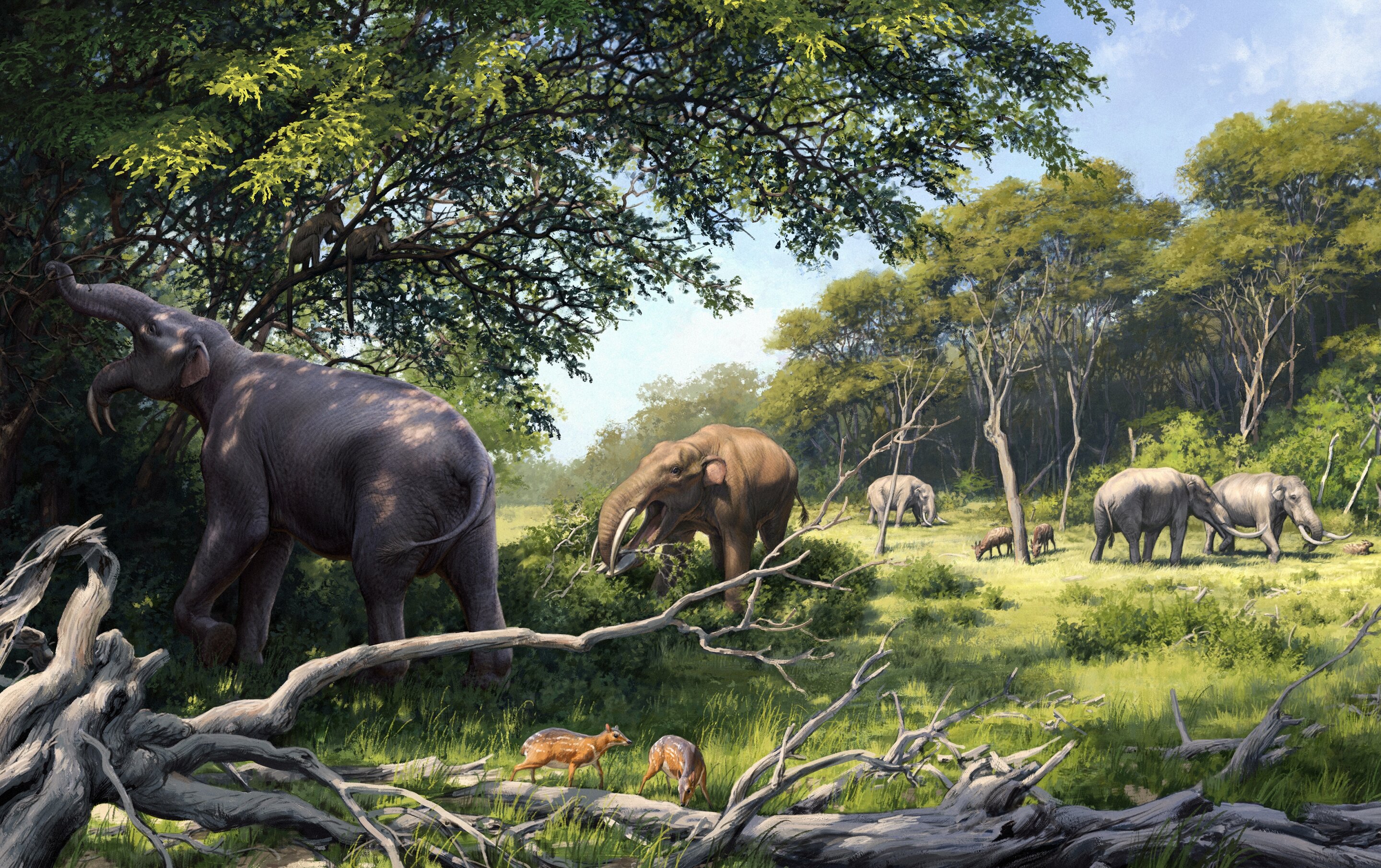
A study from the University of Helsinki reveals that certain proboscideans, including early elephant relatives, adapted to grass-rich environments in East Africa by changing their behavior and consuming more grasses. This dietary shift occurred around 23 to 11 million years ago. The study also found that major climate changes in East Africa, particularly during the last 7 million years, influenced the evolution of proboscidean teeth. The drying of the climate corresponded with bursts of evolutionary changes in tooth crown height and the number of ridges on molar teeth. However, in the last 100,000 years, drastic fluctuations in global climate led to the survival of the more generalist modern African savanna elephant and the Asian elephant, while the African forest elephant found refuge in forested areas. The study emphasizes the importance of preserving these ecologically significant animals in the face of human threats.