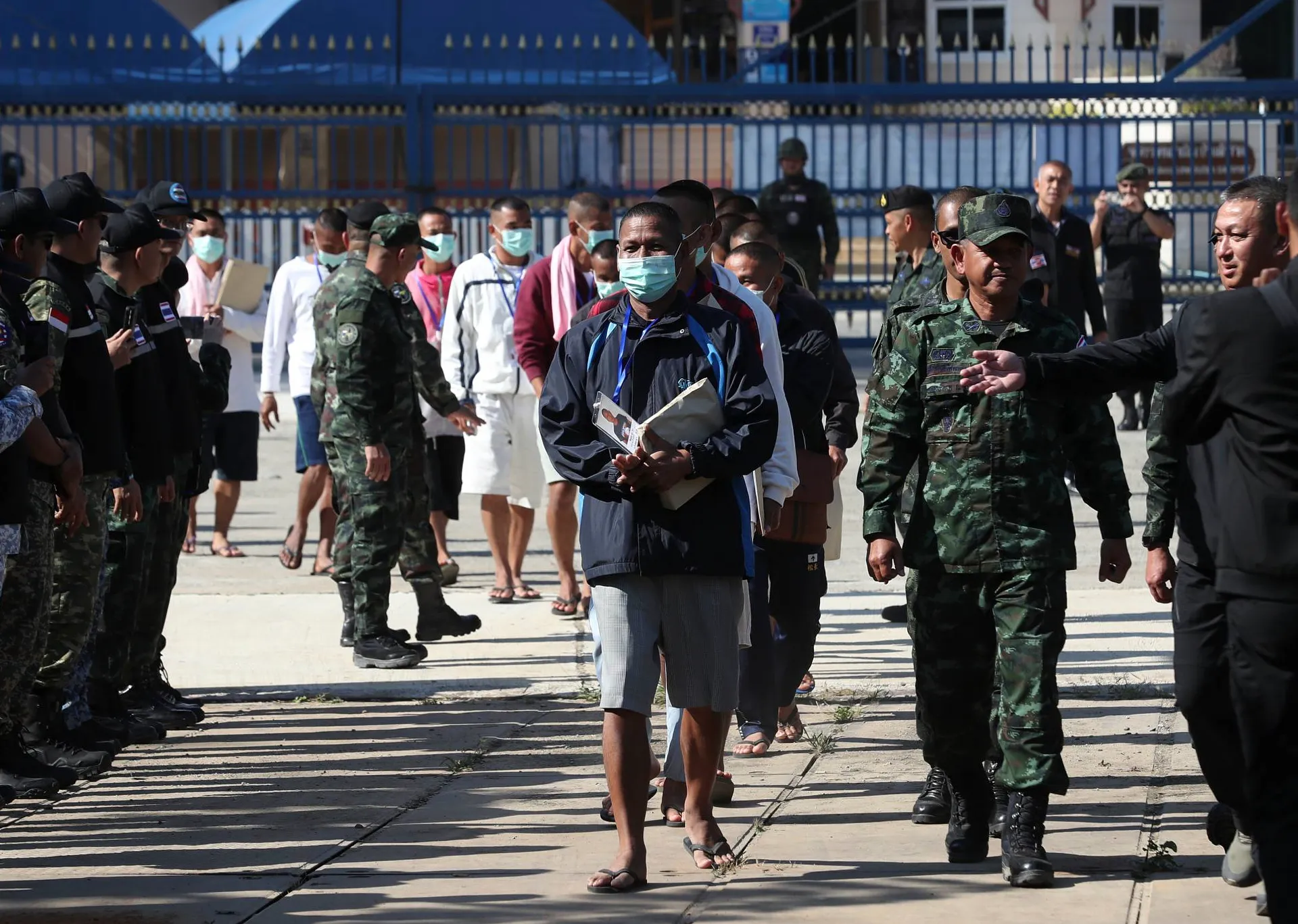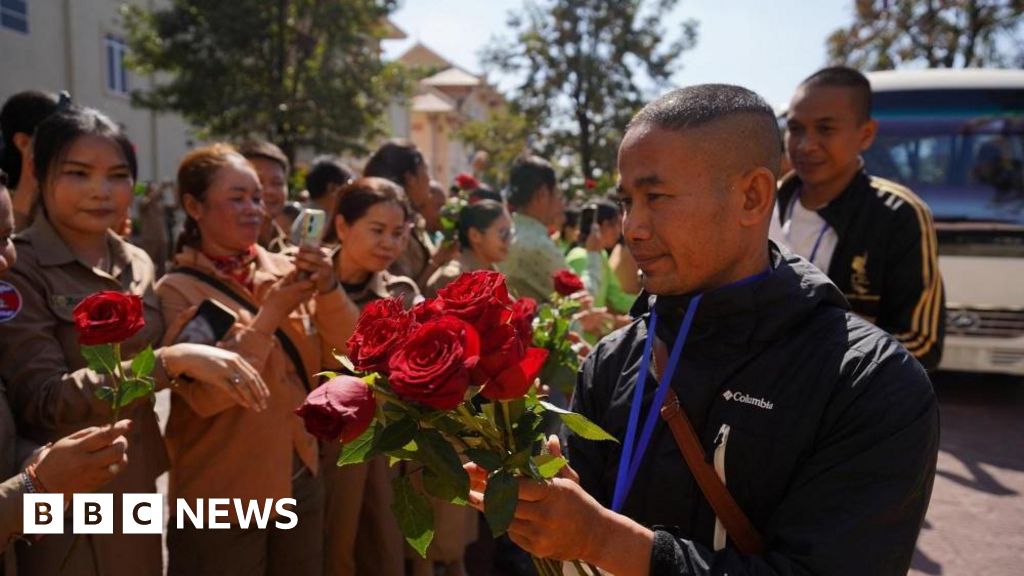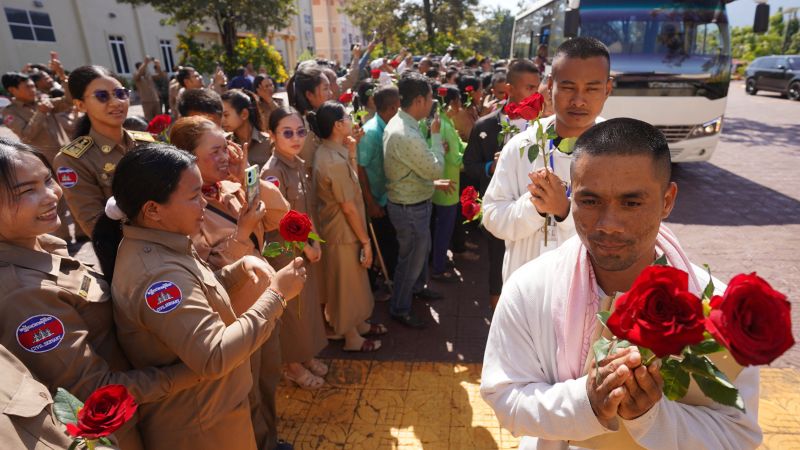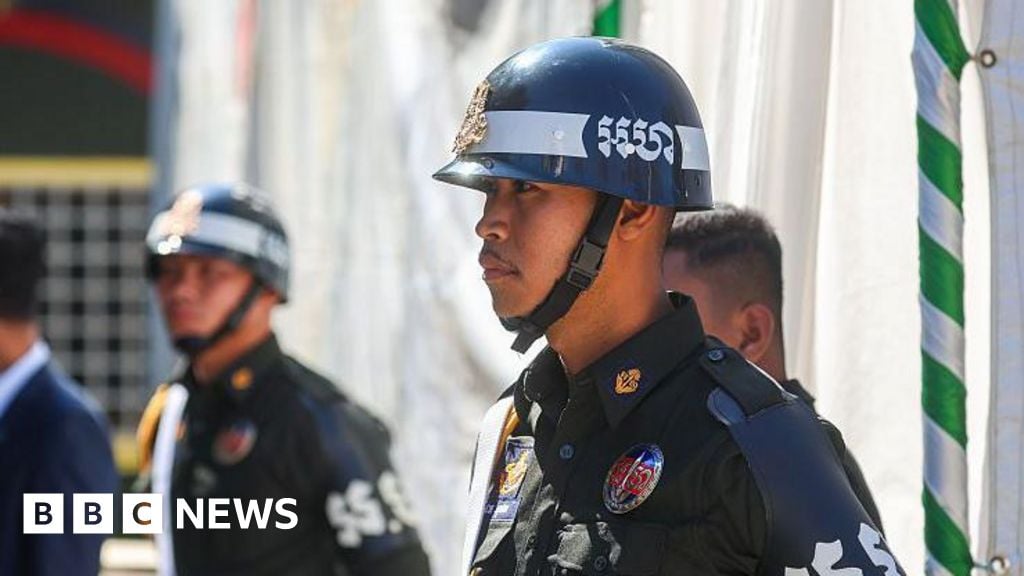
Thailand released 18 Cambodian soldiers after 155 days in captivity as a ceasefire between the two countries holds, following weeks of border clashes and renewed diplomatic efforts, including cooperation on demining and troop movement freezes, amidst a longstanding border dispute.
Thailand released 18 Cambodian soldiers captured during July border clashes as part of a ceasefire agreement, which was delayed due to alleged violations but ultimately held with diplomatic support, aiming to reduce tensions and build mutual trust.
Thailand released 18 Cambodian soldiers after a renewed ceasefire agreement, easing tensions following weeks of deadly border clashes that resulted in over 100 deaths and displacements. The soldiers had been in Thai custody for 155 days, and their release marks a significant step towards peace and reconciliation between the two nations.
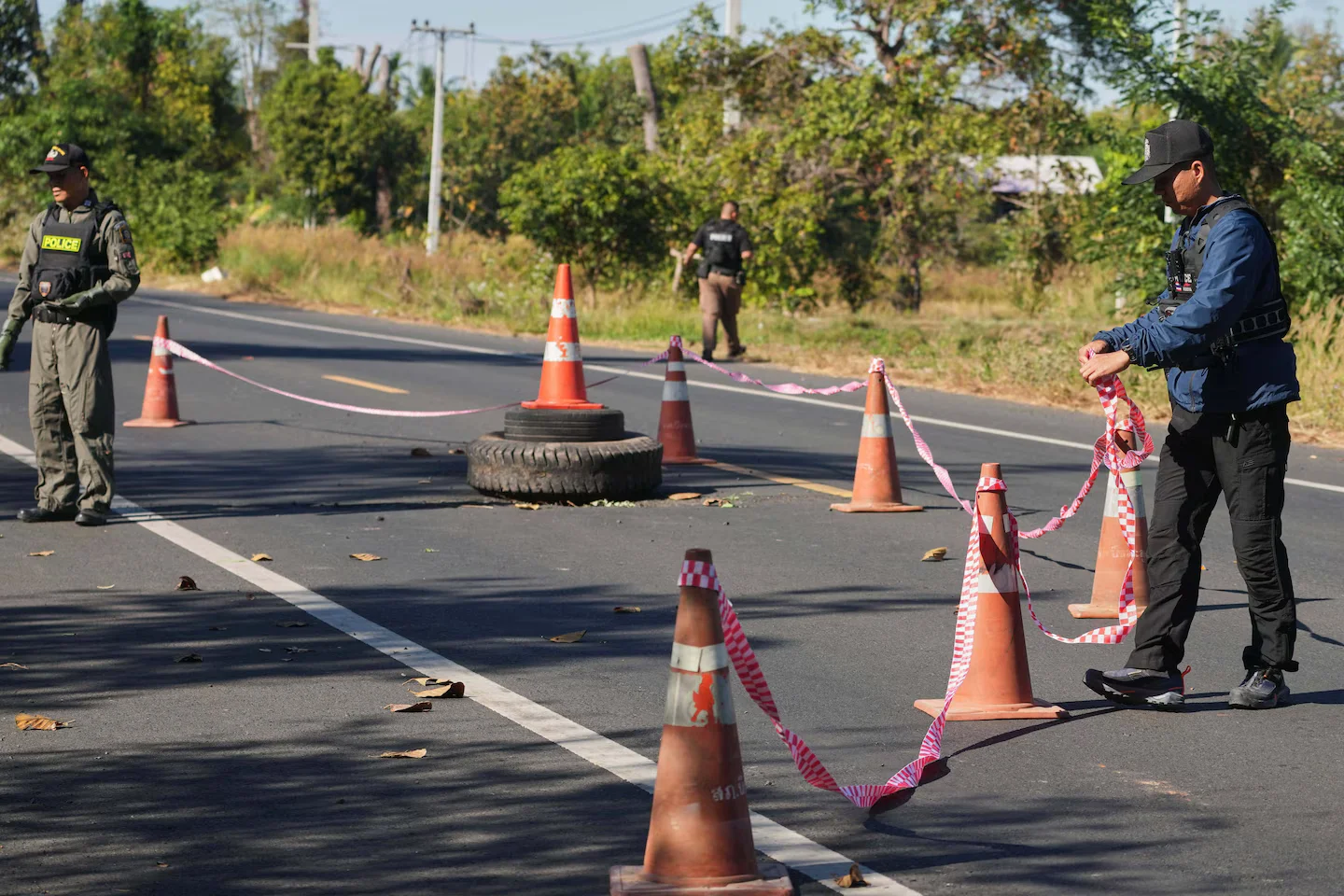
Thailand has accused Cambodia of violating a recently signed ceasefire by deploying over 250 UAVs, amid ongoing border tensions and clashes that have displaced nearly a million people. The ceasefire, brokered with international support, remains fragile as both nations accuse each other of provocations, with recent incidents threatening to undermine the peace efforts.
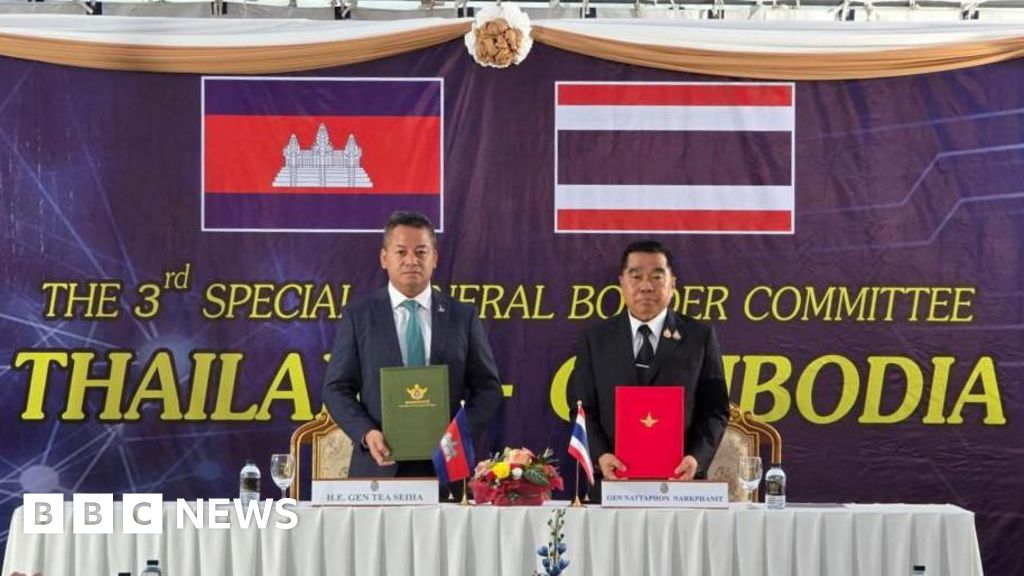
Thailand and Cambodia have renewed a ceasefire agreement after weeks of deadly border clashes, with both sides agreeing to maintain current troop deployments and avoid provocative actions, in a deal signed by their defense ministers that took effect immediately.
Thailand and Cambodia have agreed to an immediate ceasefire after weeks of deadly border clashes, with both sides agreeing to halt troop movements, cease attacks, and allow civilians to return home, following intense negotiations and previous broken agreements, which have displaced nearly a million people.
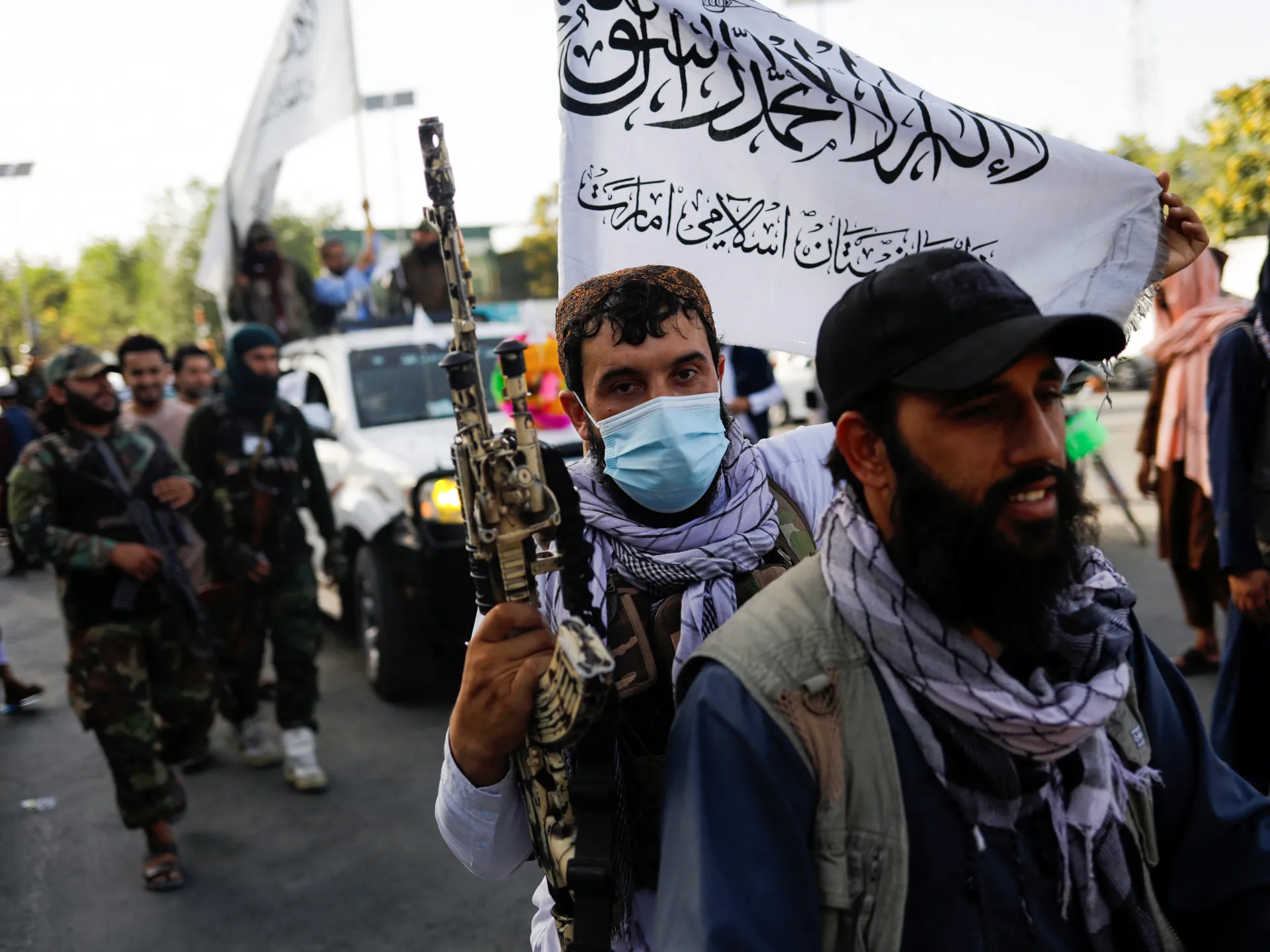
Tensions along the Tajikistan-Afghanistan border have escalated with armed incursions and attacks, including targeting Chinese nationals, raising concerns about regional security and the Taliban's ability to maintain order. The clashes are linked to broader issues of terrorism, drug trafficking, and regional diplomacy, with China and Tajikistan seeking stability amid complex relations with the Taliban.
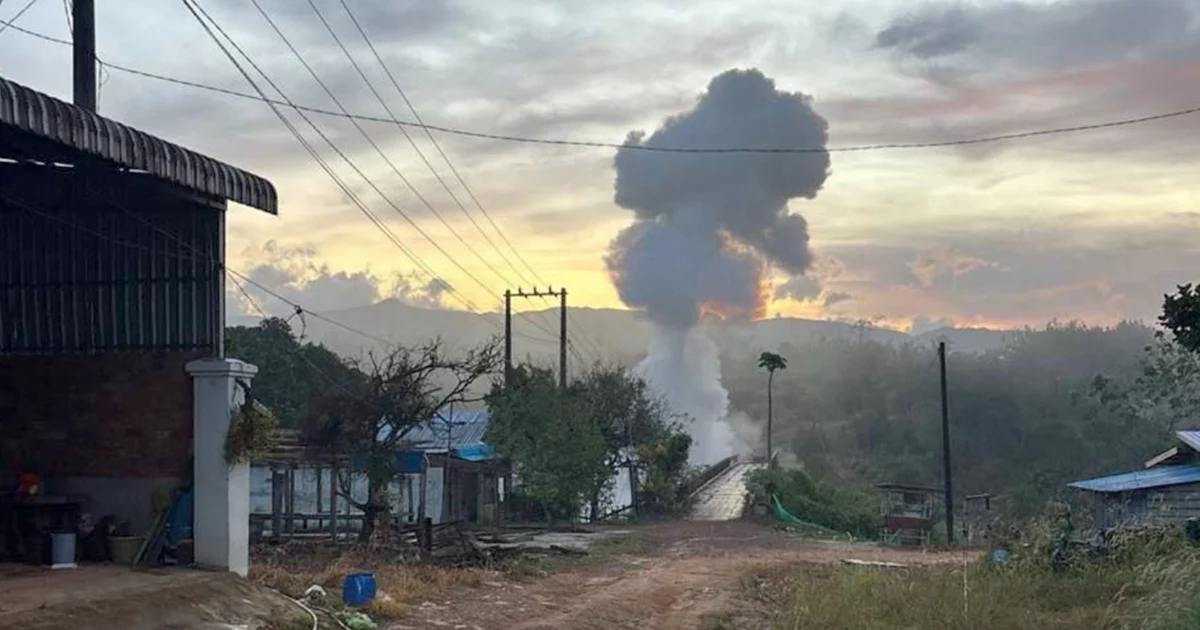
Thailand and Cambodia are engaged in ongoing border clashes, including a recent bombing by Thailand on a Cambodian village, despite ongoing talks and a fragile ceasefire. The conflict stems from longstanding territorial disputes, with both sides blaming each other for violations. Efforts are underway to reach a formal agreement, and international mediators are involved, but tensions remain high.
Military officials from Thailand and Cambodia began talks to resume a ceasefire after 16 days of border clashes that have resulted in at least 86 deaths and displacements, with international concern expressed by the US and efforts by ASEAN to de-escalate the conflict.
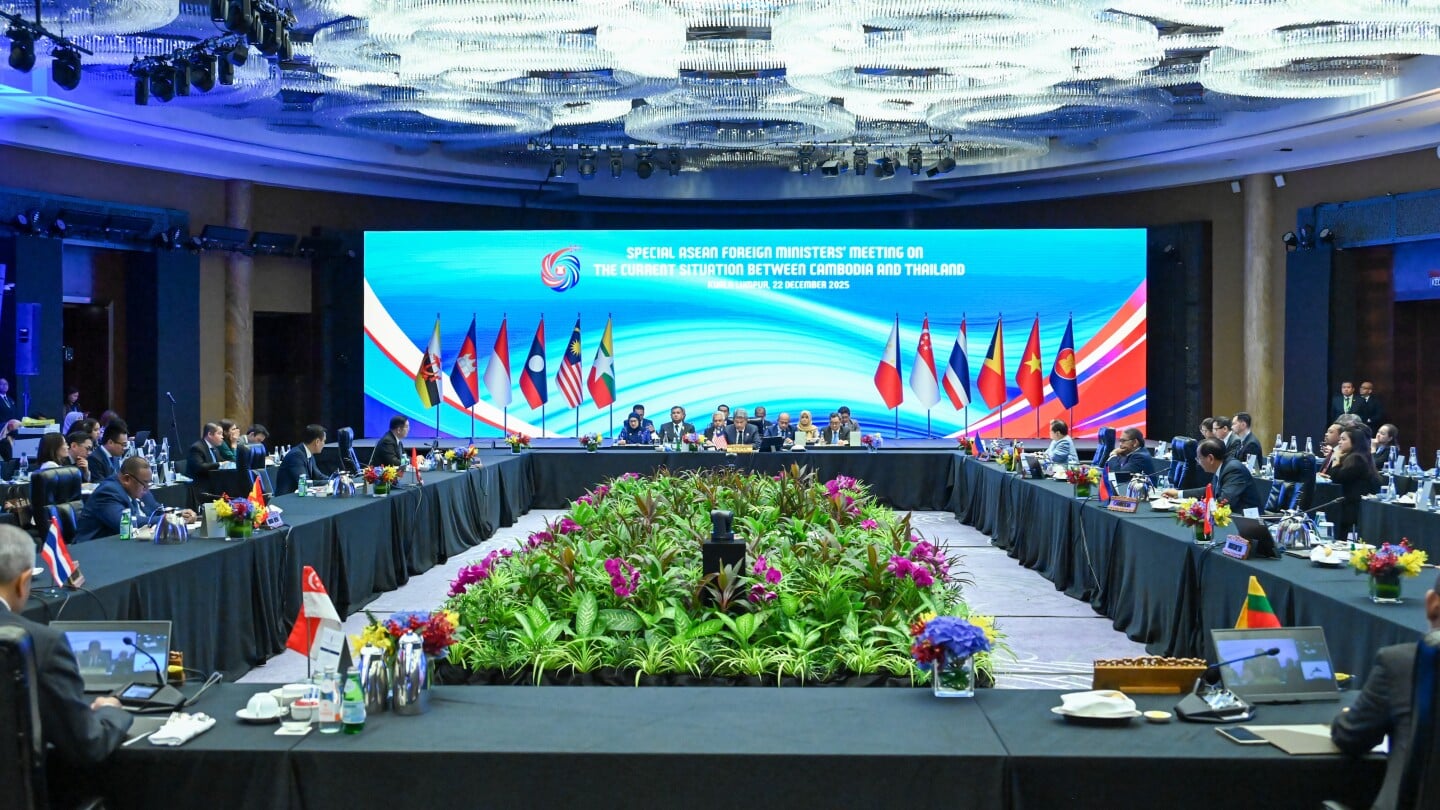
Top Southeast Asian diplomats are meeting in Malaysia to try to end the deadly border conflict between Thailand and Cambodia, which has resulted in at least 41 deaths and displaced nearly a million people. The meeting aims to revive a ceasefire brokered in July, with international mediators including the US and China involved in efforts to restore peace. Both countries blame each other for renewed hostilities, which have included artillery and air strikes along their border.
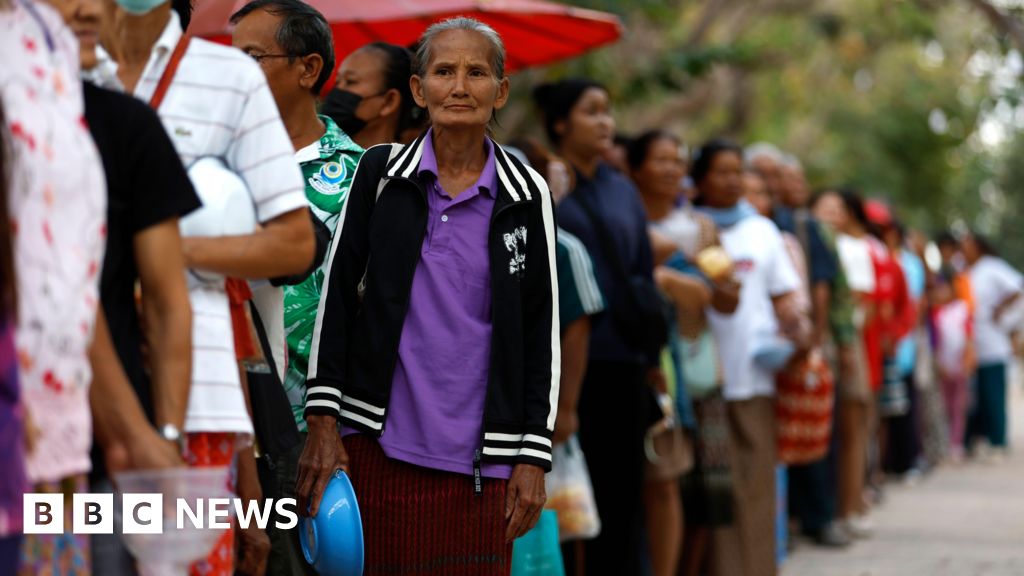
Over 500,000 Cambodians and around 400,000 Thais have been displaced due to two weeks of deadly border clashes stemming from a territorial dispute, with ongoing fighting involving tanks, drones, and artillery, despite international efforts for a ceasefire.
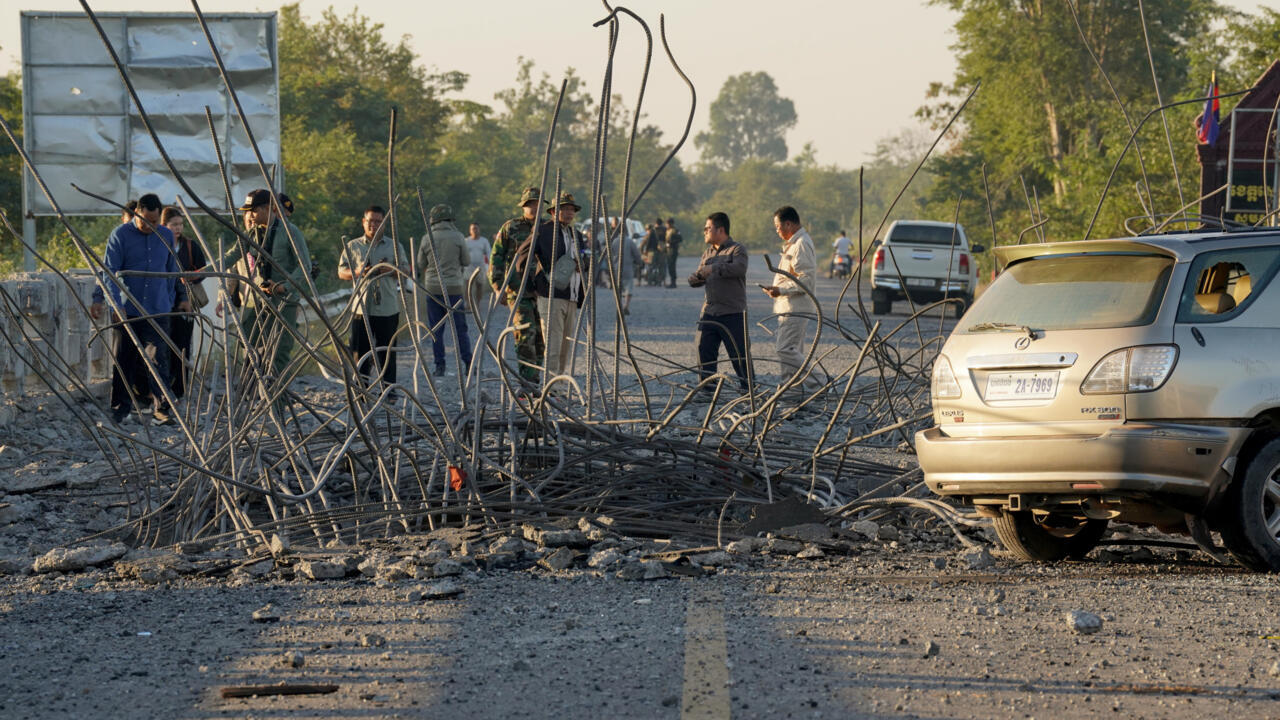
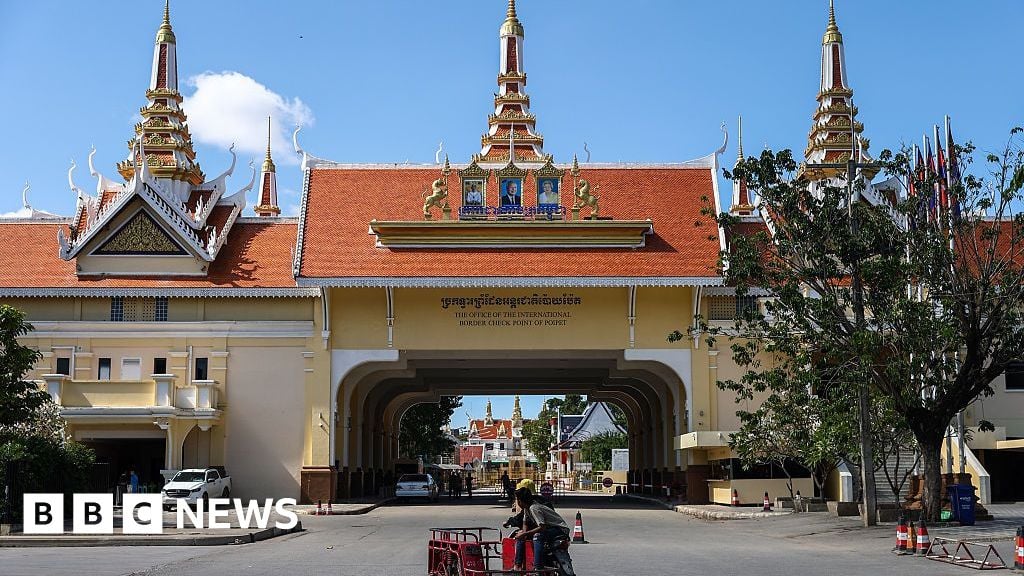
Thailand bombed a logistics center near Poipet on the Cambodian border amid ongoing border clashes that have resulted in casualties and displacement, marking a significant escalation in the renewed conflict between the two countries.
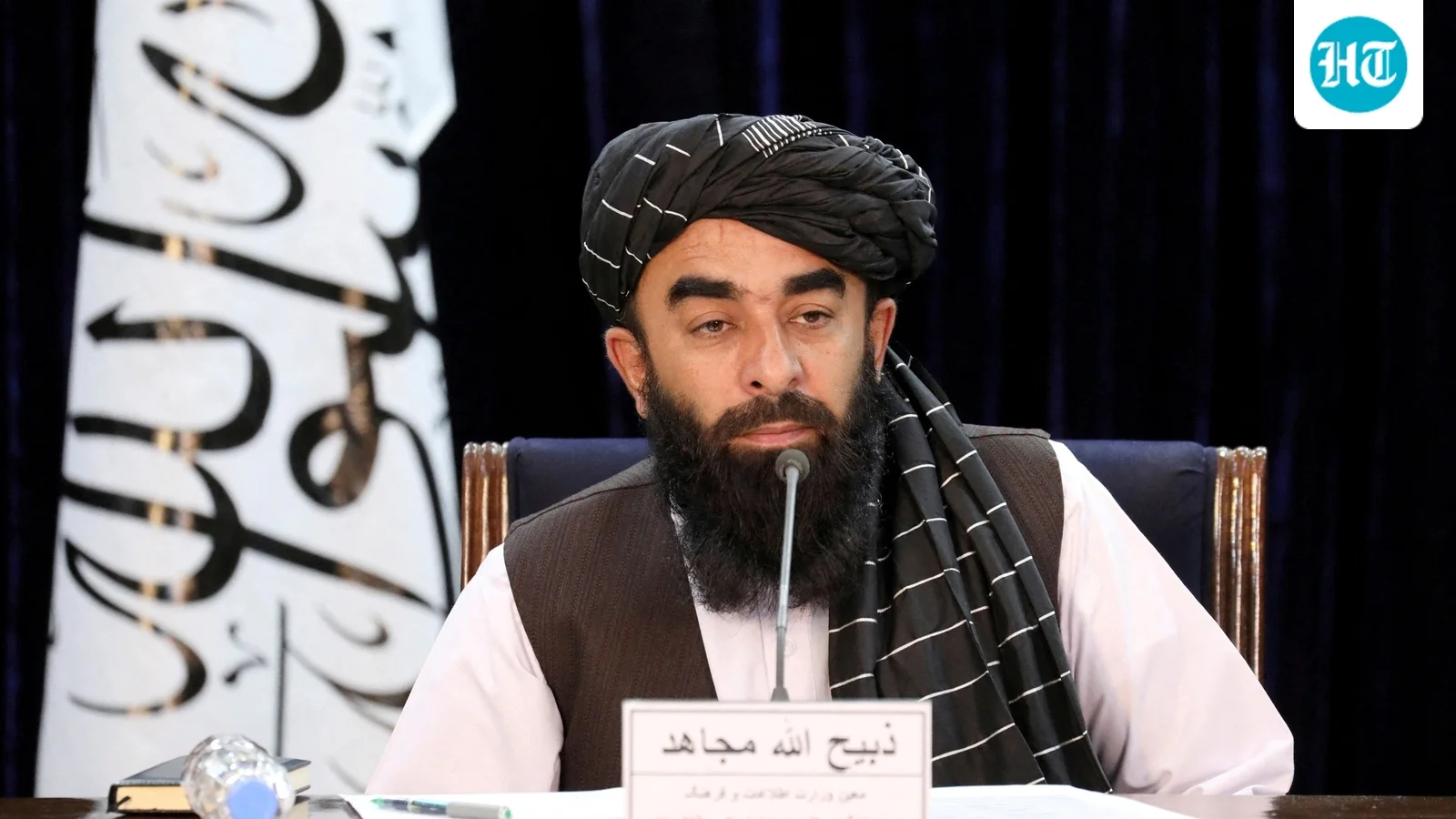
Peace talks between Afghanistan and Pakistan in Istanbul have failed, with Afghanistan blaming Pakistan's demands as unreasonable and warning of the right to defend itself if war breaks out. Pakistan's defense minister warned that failure of talks could lead to war, amid ongoing border tensions and previous clashes. The situation remains tense as diplomatic efforts continue to falter.
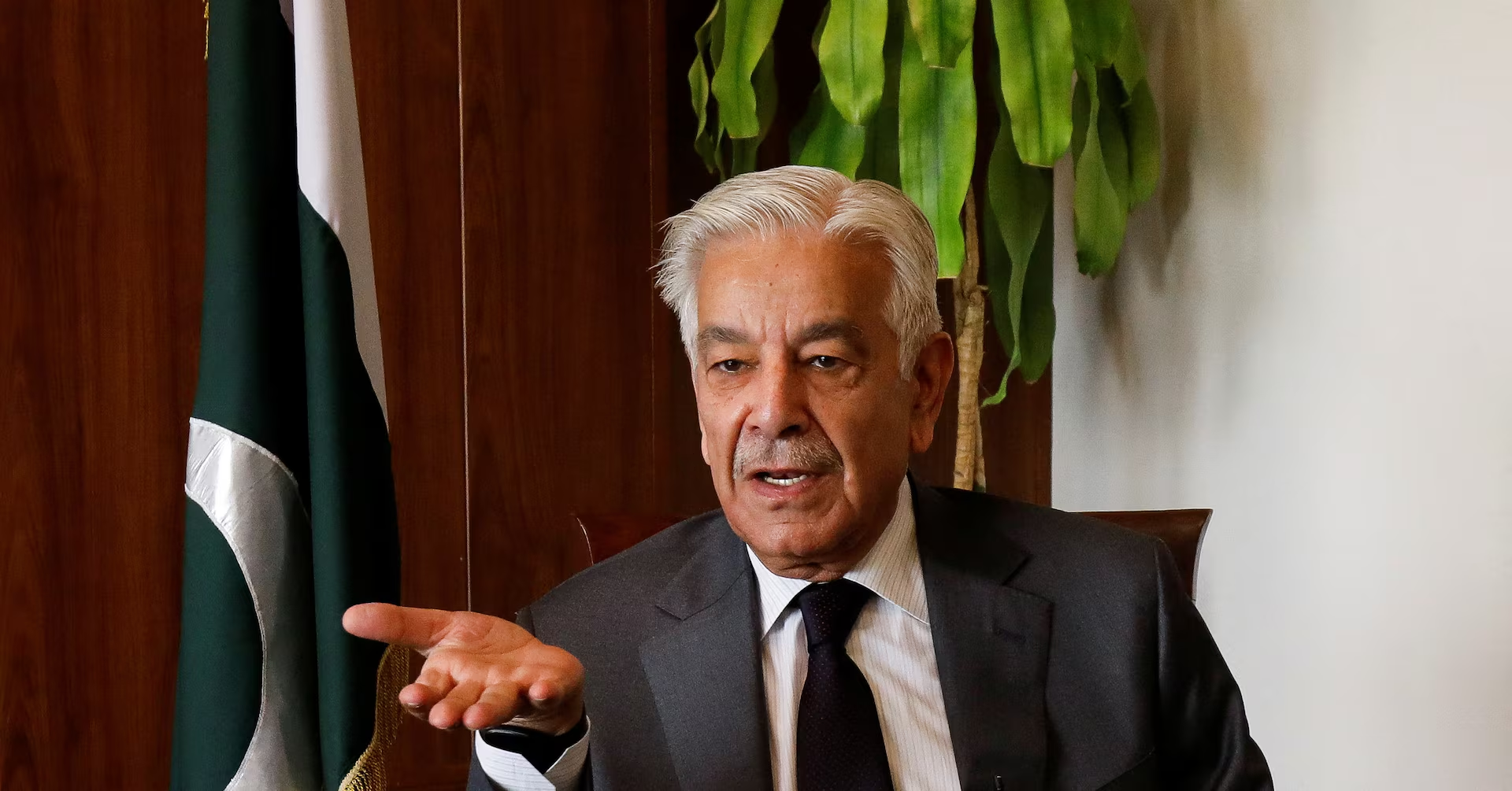
Pakistan's Defence Minister warns that failure of peace talks with Afghanistan in Istanbul could lead to open war, despite recent ceasefire agreements following border clashes and accusations over militants, with both sides expressing a desire for peace.
Afghanistan and Pakistan have agreed to a 48-hour ceasefire following deadly border clashes that resulted in numerous casualties and evacuations, with both sides claiming the other initiated hostilities. The truce aims to facilitate dialogue and resolve ongoing tensions, which have escalated due to accusations of sheltering militants and recent military offensives.