Tag

Precision Oncology

All articles tagged with #precision oncology

health-medicine1 year ago

"Rethinking Cancer Terminology: Addressing Fear and Misconceptions"

The traditional method of classifying cancers based on their organ of origin is hindering progress in cancer treatment and causing delays in accessing effective drugs for patients with specific molecular alterations. Shifting towards a molecular-based classification system would allow for more targeted and effective treatments, necessitating changes in medical oncology, education, and access to molecular testing. Regulatory agencies, scientific societies, and insurance companies need to redefine evidence requirements for treatment decisions, while hospitals and universities should restructure oncology to prioritize molecular analysis. Medical education should focus on molecular understanding of cancer, and access to molecular testing needs to be improved to enable widespread adoption of molecular-based classifications.

healthcare-and-medicine2 years ago

"Personalized Cancer Care: NHS Utilizes Whole-Gene Screening"

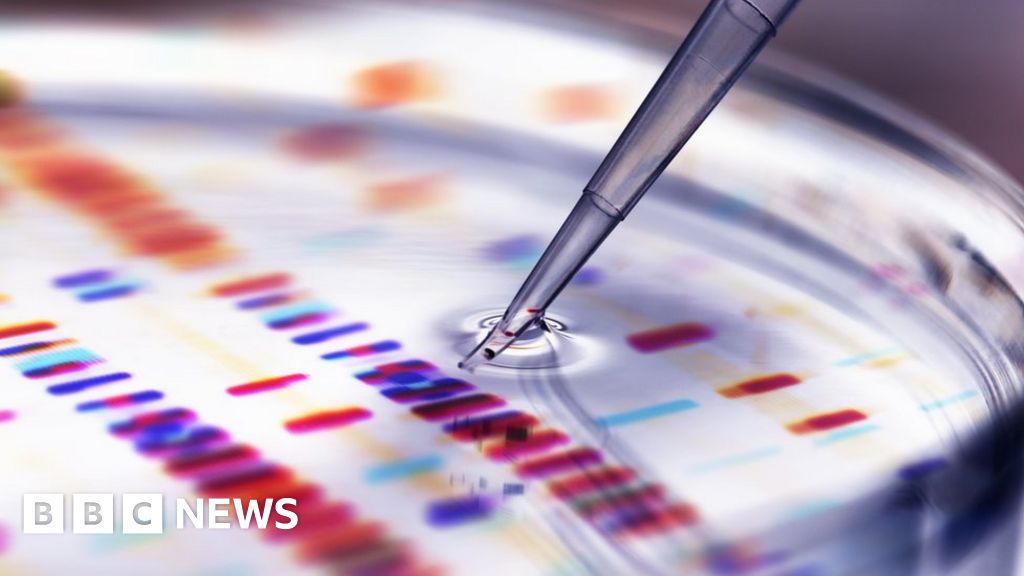
A study of 13,000 cancer patients in England has shown that analyzing the entire genetic code of cancer patients can help tailor treatments to individuals, leading to better outcomes. The study, published in Nature Medicine, found that genetic changes in most brain, bowel, and lung cancers could guide decisions about surgery or specific treatments. Whole-genome sequencing revealed genetic variations that may make patients more susceptible to cancer and helped identify different sub-types of cancer, guiding doctors in choosing the correct treatment. The study, led by Genomics England and NHS England, has created a resource for clinicians to better predict outcomes and tailor treatments, paving the way for precision oncology in mainstream cancer care.

healthcare2 years ago

"AI's Real-Time Diagnosis of Brain Tumor DNA Revolutionizes Surgery"

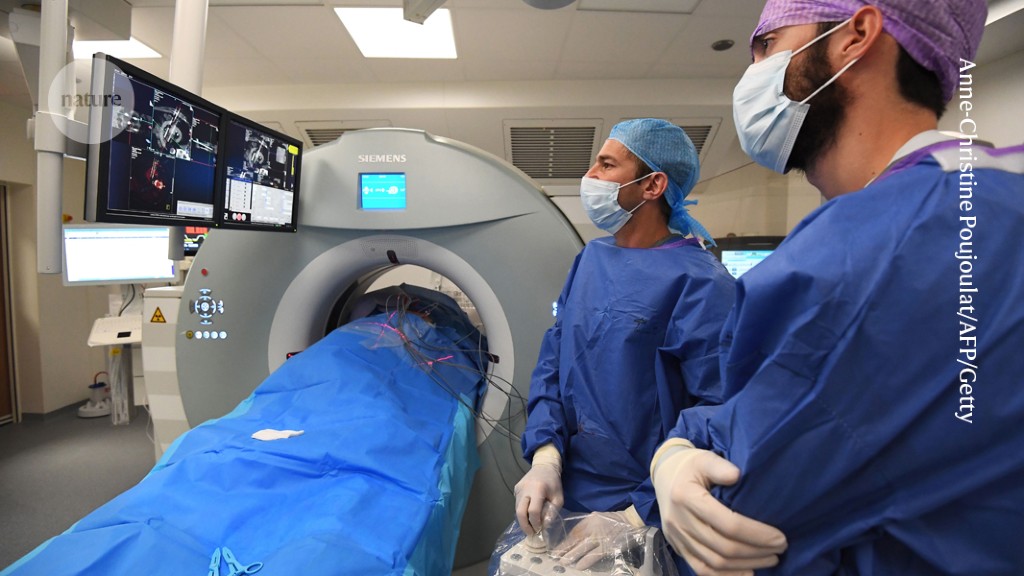
Scientists have developed an AI tool called CHARM that can rapidly decode a brain tumor's DNA during surgery, providing real-time molecular diagnosis to guide surgical decisions. This tool has the potential to help neurosurgeons determine the extent of tissue removal and enable on-the-spot treatments. CHARM offers a 93% accuracy rate in identifying specific molecular mutations and could be retrained to identify other brain cancer subtypes. While it still requires clinical validation and FDA approval, this advancement represents a significant step towards real-time precision oncology.

health2 years ago

Sex chromosome loss linked to cancer growth and outcomes.

Two new studies published in the journal Nature have found that genetics can explain why sex matters in certain cancers. In bladder cancer, men with tumors that have lost the Y chromosome fare just as badly as women, as the immune system doesn't function as well. Existing immunotherapy drugs that take the brake off T cells are more effective in bladder cancers that have lost their Y chromosomes than in those that still have it. In some colon cancers, the presence of the Y chromosome can worsen outcomes, suggesting the Y chromosome works differently depending on the type of cancer. Identifying sex differences in cancer can call attention to patients at higher risk for recurrence and therefore in need of closer surveillance and potentially additional therapies.

health2 years ago

The Role of Genetics in Sex-Specific Cancer Outcomes.

Two new studies published in the journal Nature have found that the Y chromosome, which characterizes males, plays a key role in colon and bladder cancers. The studies show that genetics can sometimes explain why sex matters in cancer outcomes. Identifying sex differences in cancer can call attention to patients at higher risk for recurrence and therefore in need of closer surveillance and potentially additional therapies. The findings suggest that to best target cancer care, researchers have to study how genetics operate in the context of a patient's sex, race, age, and lifestyle.