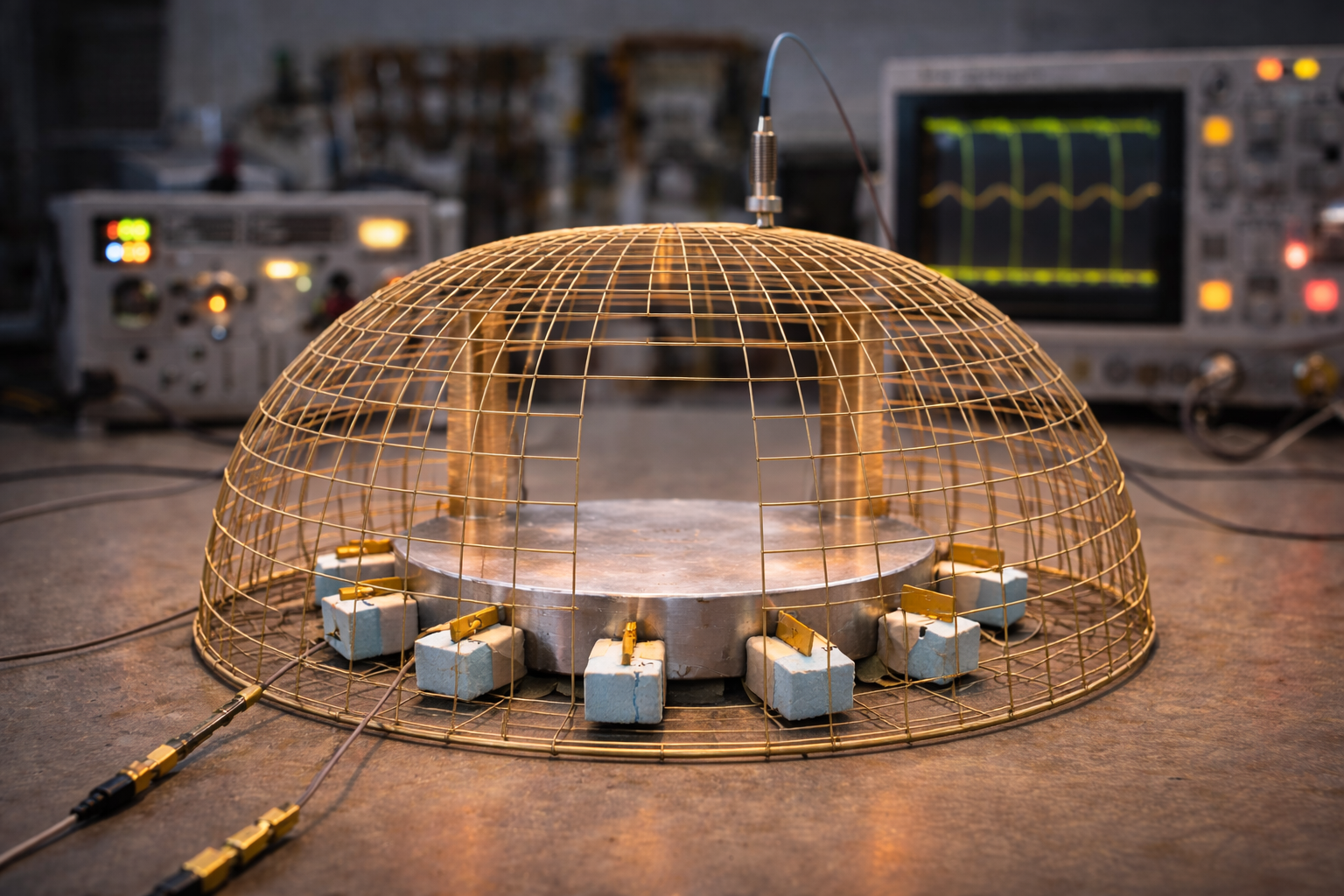
Researchers at the University of Leicester have developed a new, practical method for creating magnetic cloaks around objects of complex shapes using existing materials, moving the concept of invisibility closer to real-world applications in technology and industry.
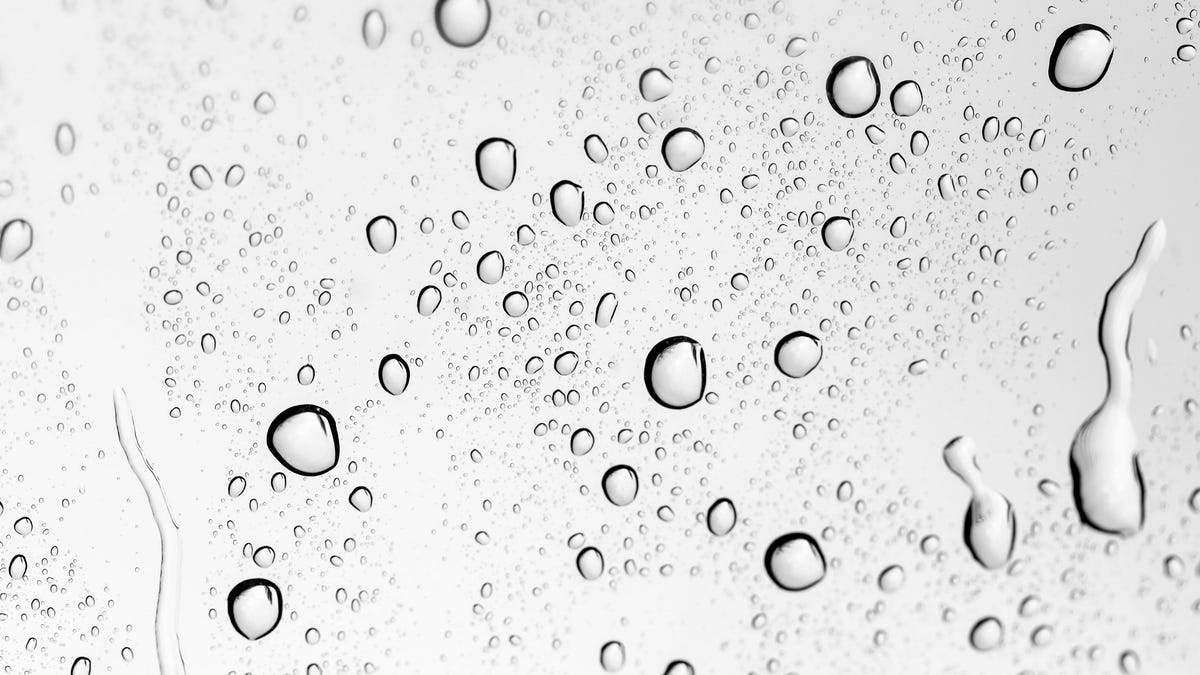
Chemists from Aalto University have developed a new method of coating surfaces with self-assembled monolayers (SAM) to create ultra-slick surfaces. These SAMs feature a fluid-like surface that dramatically reduces friction, allowing water droplets to glide across with ease. By varying the growth time of the SAMs, the researchers found that both low and high coverage yielded exceptional slipperiness. This research has practical applications such as de-icing, anti-fogging, and self-cleaning surfaces.
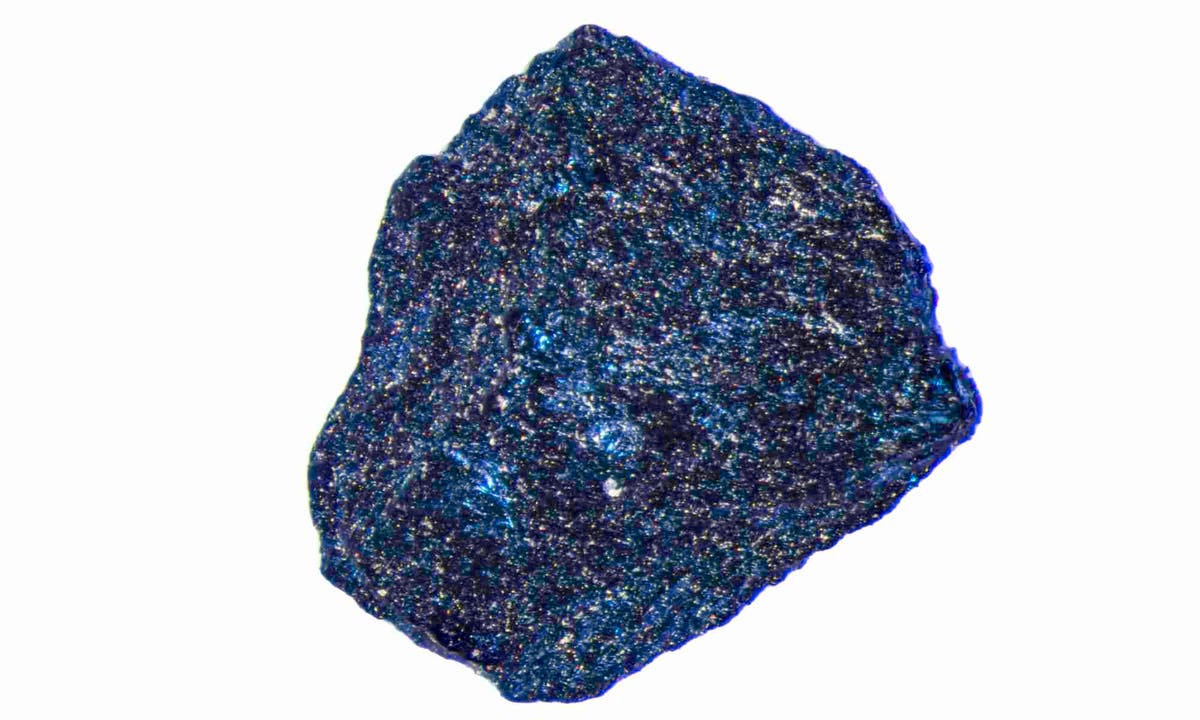
Scientists have discovered a superconducting material, nicknamed "reddmatter", that can transmit electricity without resistance and pass magnetic fields around the material. The material can be used practically as it works at a low temperature and pressure. It could lead to power grids that can seamlessly transmit energy, saving up to 200 million megawatt hours lost to resistance. It could also contribute to nuclear fusion, high-speed trains, and new medical equipment. The material is made by mixing lutetium with hydrogen and a small part of nitrogen and then pressing it at high pressure.
Scientists have discovered a new superconducting material, nicknamed "reddmatter", that can transmit electricity without resistance and pass magnetic fields around the material. The material can be used in practical situations, including power grids, nuclear fusion, high-speed trains, and medical equipment. The material still requires being heated to 20.5 degrees Celsius and compressed to about 145,000 psi, but it is vastly less intense than other similar materials. The scientists involved in the paper say that it will mark a new era for the practical use of superconducting materials.