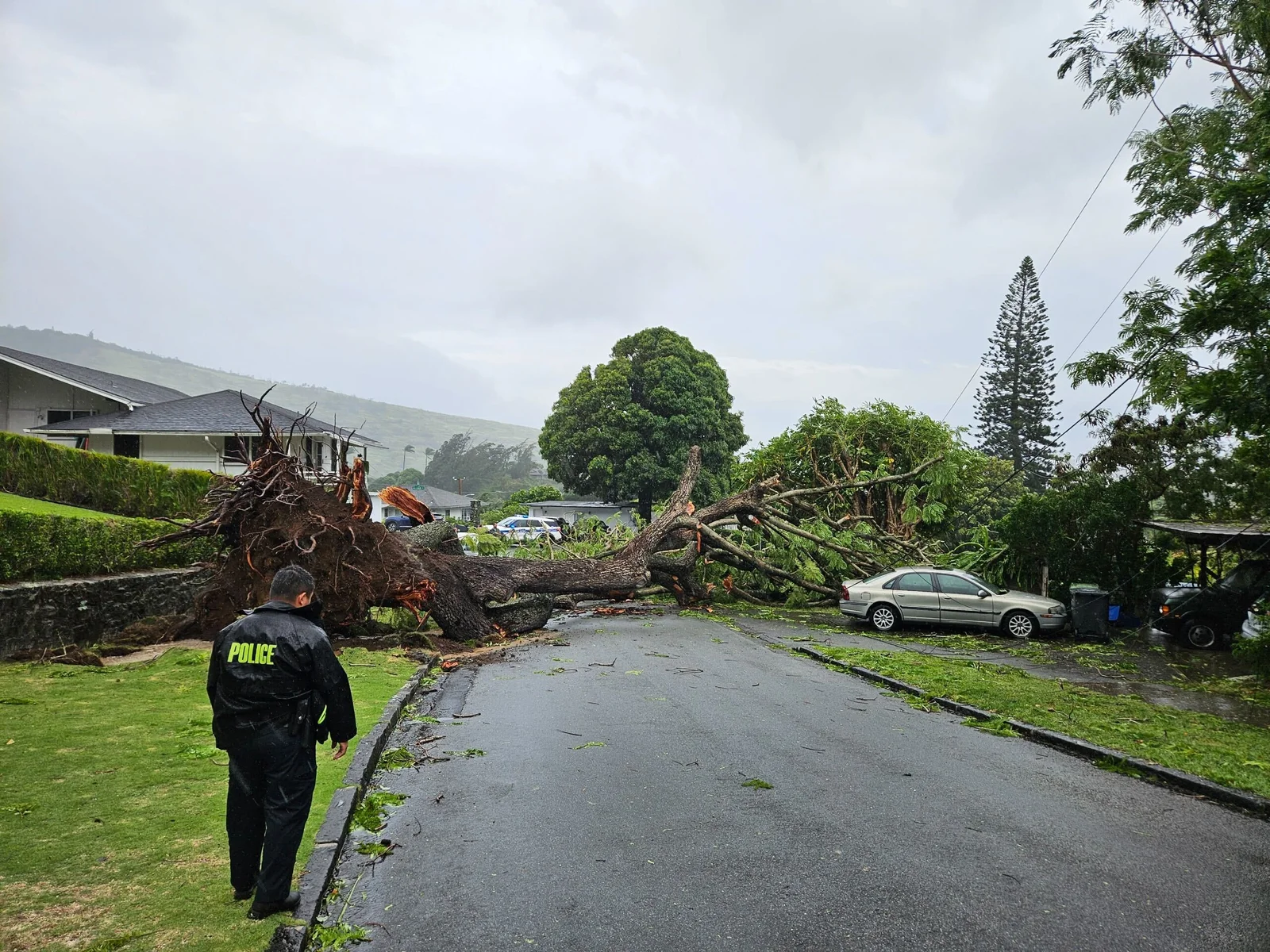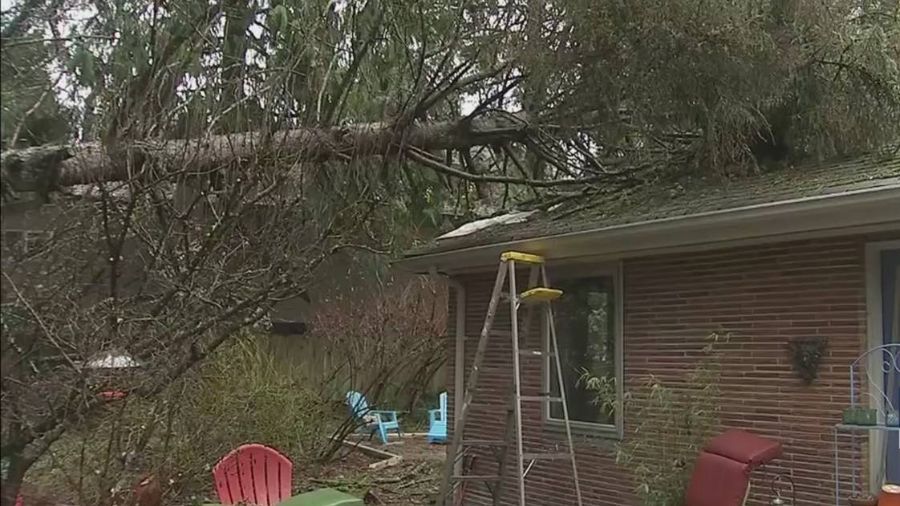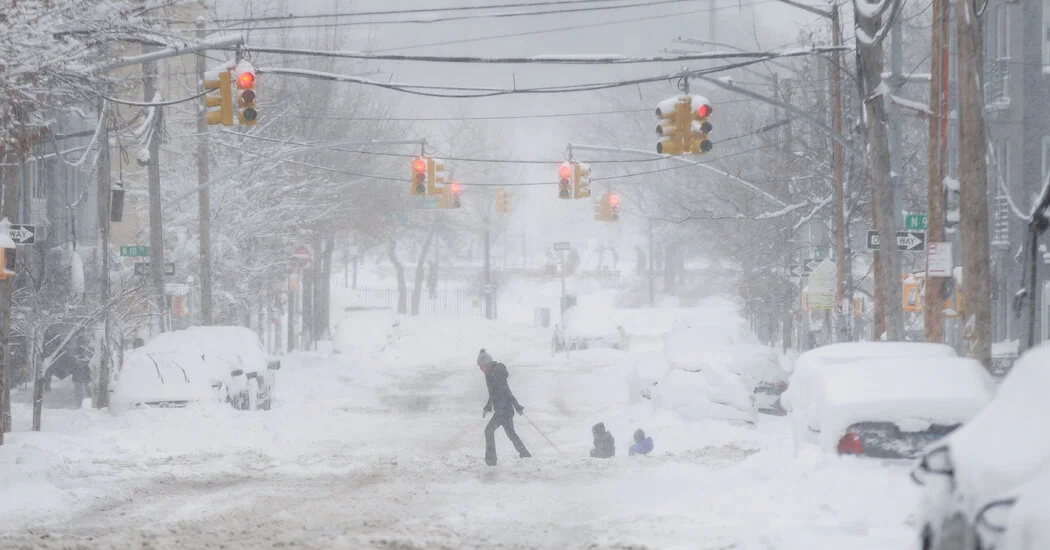
The U.S. is facing severe weather challenges as the West Coast braces for more storms, with California and Washington state recovering from recent storm damage and power outages. A winter storm warning is in effect for California's Sierra Nevada, with heavy snow and strong winds expected. The Midwest and East Coast are also anticipating rain and snow, potentially complicating Thanksgiving travel. The Pacific Northwest experienced a deadly 'bomb cyclone,' leaving thousands without power, while the Northeast received much-needed precipitation to alleviate drought conditions.
A major winter storm has caused significant disruptions across the U.S., with California experiencing record rain and landslides, while the East Coast faces blizzard warnings. The storm, which began as a 'bomb cyclone' in the Pacific Northwest, has left thousands without power, particularly in the Seattle area. As the storm moves east, it is expected to bring rain and snow to the Midwest and Great Lakes, impacting Thanksgiving travel. The Northeast, suffering from drought, received much-needed precipitation, though conditions remain challenging with heavy snow in some areas.
Washington state is bracing for a historic windstorm, described as an "atmospheric bomb," with hurricane-like conditions expected to cause widespread power outages. Winds could reach up to 70 mph on the coast and 50 mph inland, affecting areas like Enumclaw and Bellevue. Despite its intensity, the storm is not linked to climate change, according to atmospheric sciences professor Cliff Mass. The storm is expected to subside by Wednesday morning, with minimal rain in the areas experiencing the strongest winds.
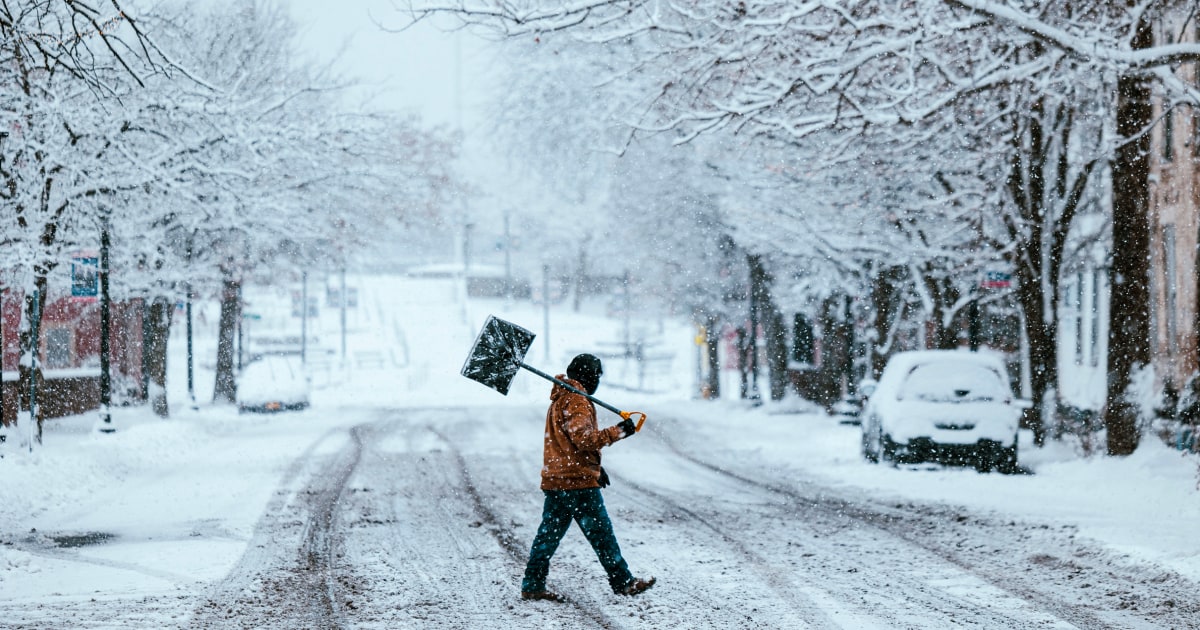
A winter storm is affecting over 115 million residents from Iowa to New Jersey, bringing snow, freezing temperatures, and hazardous travel conditions. The storm has caused at least 45 deaths and led to power outages in Oregon, with over 100,000 households affected. Flights were delayed and canceled, schools closed, and travel impacted across the country. The storm is expected to be followed by a surge of arctic air, but milder temperatures are forecast for next week. In South Florida, falling iguanas are a concern due to the cold weather.
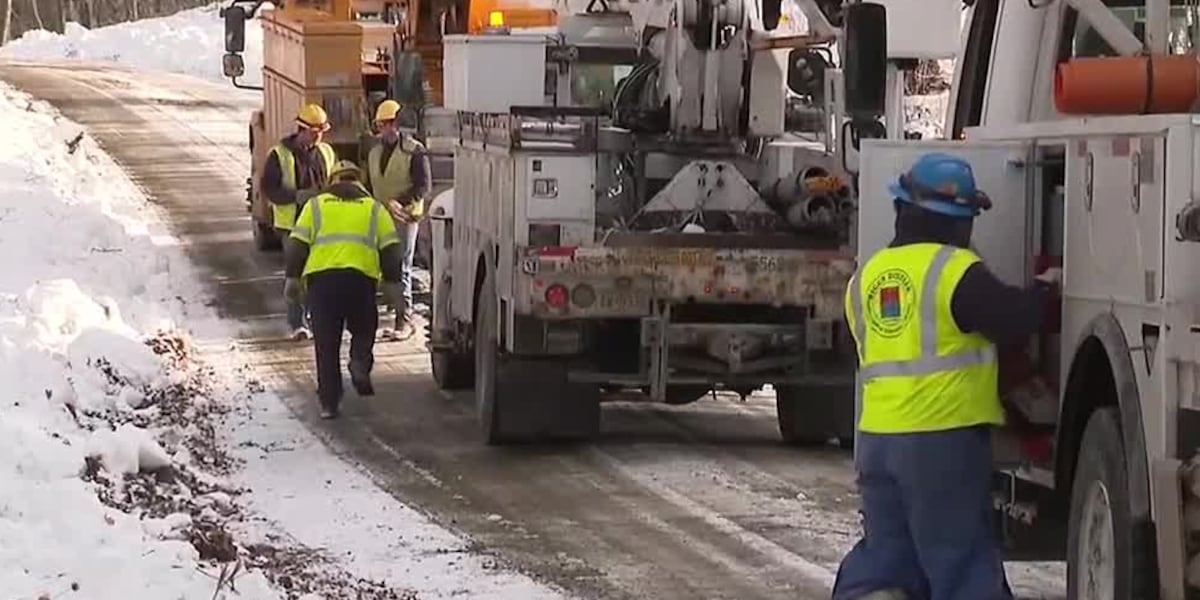
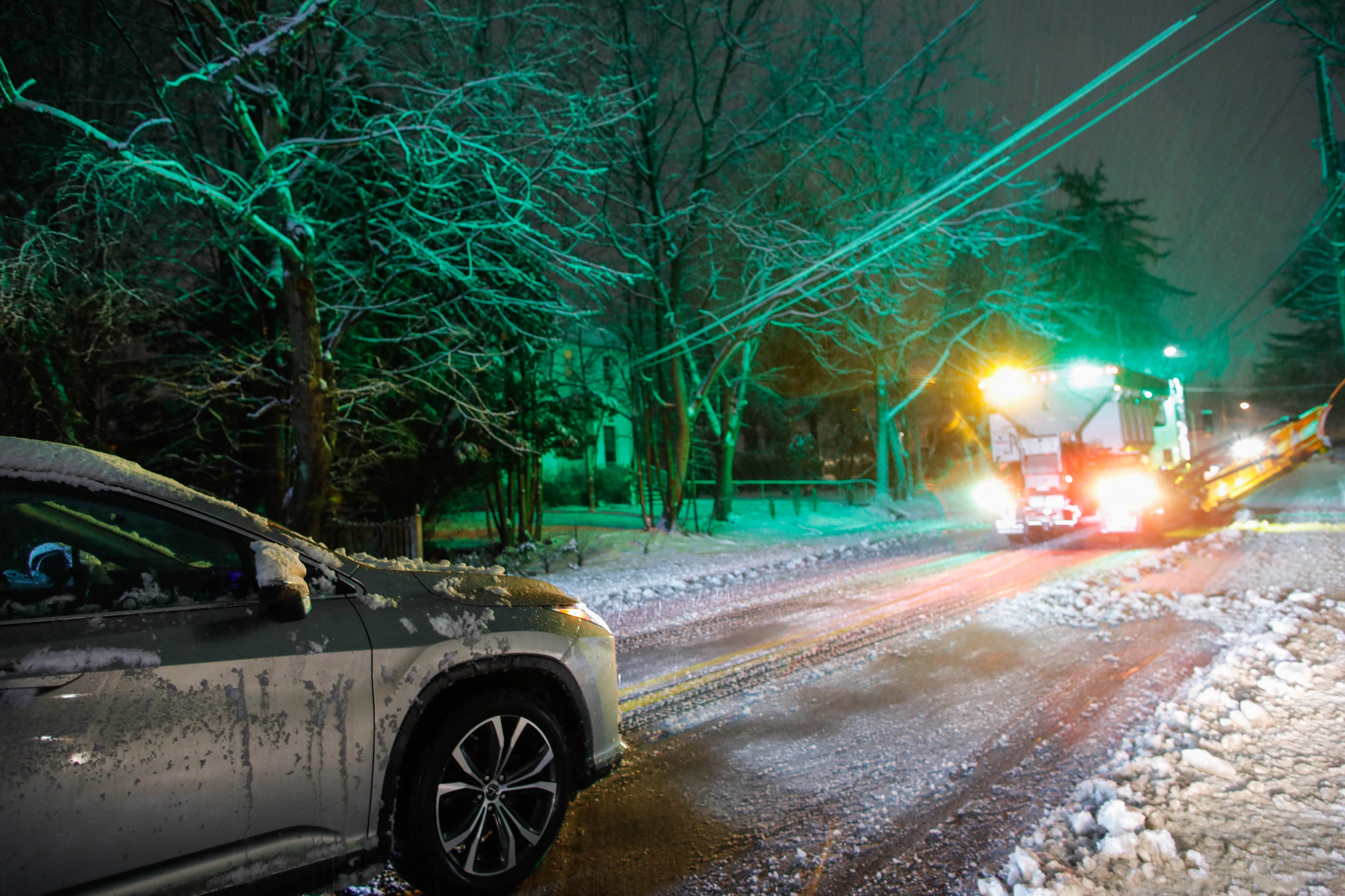
A winter storm is set to hit the Northeast, bringing heavy snow, high winds, and potential power outages. The National Weather Service has issued warnings and advisories for parts of Vermont, New Hampshire, and New York, with concerns about flooding in southern areas. Green Mountain Power is preparing for widespread outages, and officials are urging people to be cautious, report outages, and take safety precautions such as using generators outside and avoiding downed power lines. Gov. Kathy Hochul has warned New Yorkers about the storm and pre-positioned utility workers and generators to handle potential outages.
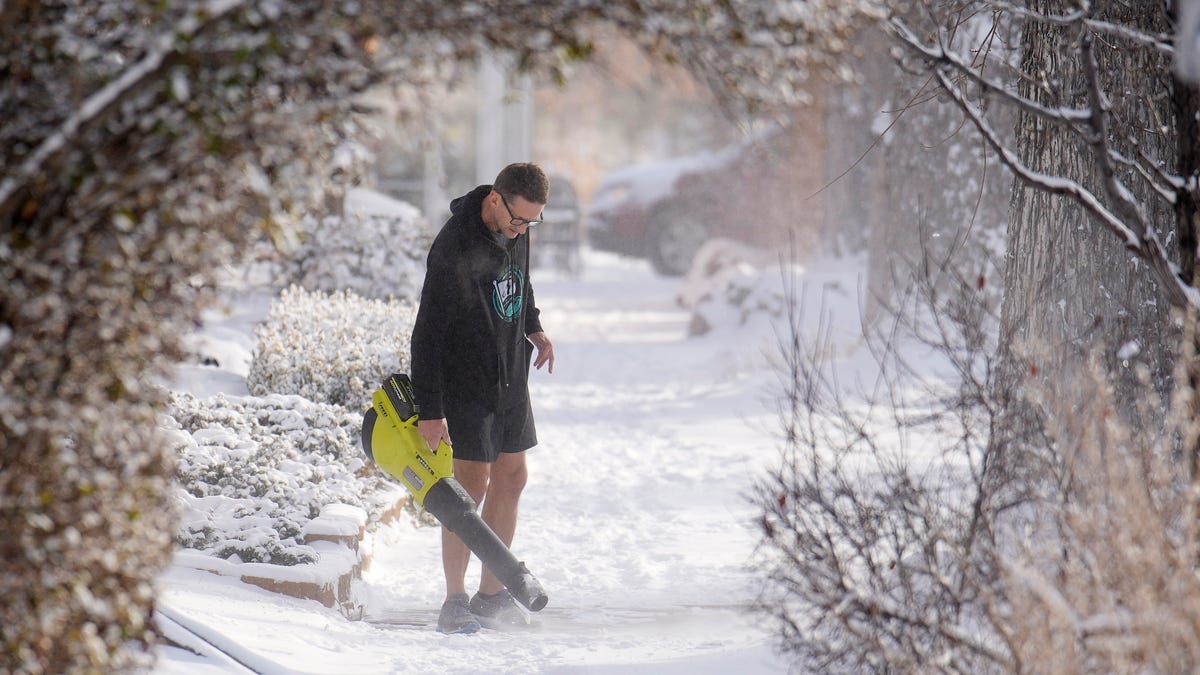
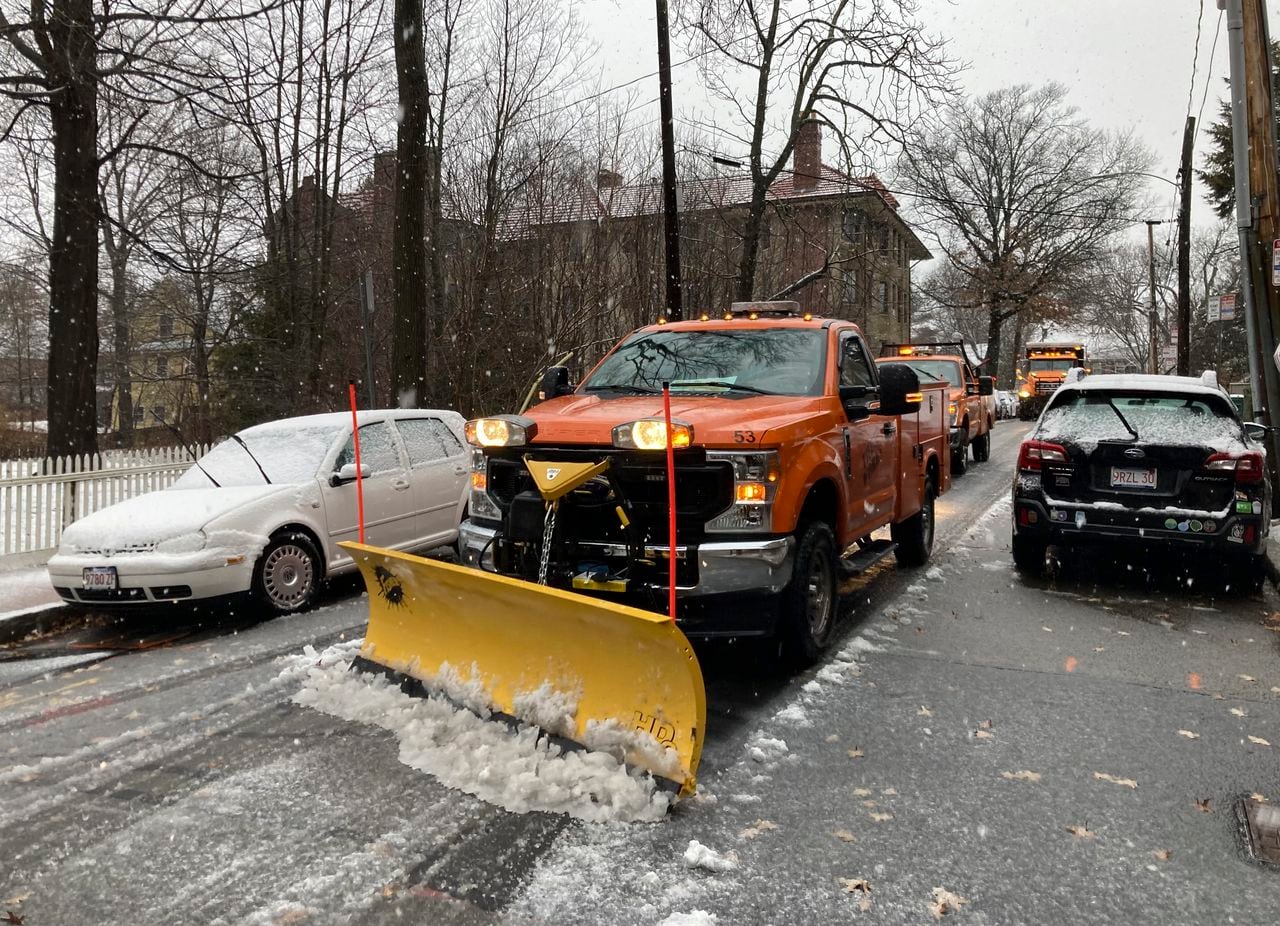
A major winter storm hit the U.S. Northeast, bringing heavy snow, freezing rain, and hazardous travel conditions. Winter storm warnings and watches were in effect, with some areas in Massachusetts receiving nearly a foot of snow and over 16,000 electric customers without power. The storm also affected the West, particularly the Sierra Nevada, causing power outages and road closures. Another storm is forecasted for the Northeast, potentially bringing rain, wind, and coastal flooding.
The United States is facing severe weather conditions with three different storm systems affecting various regions. The Northeast is experiencing heavy snow and strong winds, with winter storm warnings in effect and hazardous travel conditions. A tornado touched down in Fort Lauderdale, Florida, causing damage but no reported injuries. The Midwest is preparing for blizzard conditions with heavy snow and strong winds expected. The Pacific Northwest and Sierra Nevada are also facing significant snowfall, with up to 20 inches in some areas. Additionally, the Gulf Coast is at risk of flooding, high winds, and possible severe thunderstorms. Power outages and travel disruptions are widespread across the affected areas.
Massachusetts is bracing for a midweek storm that is expected to be more severe than the weekend snowstorm, with potential for heavy rain, strong winds, and coastal flooding leading to widespread power outages and damage. The National Weather Service warns of the storm's impact, which could include over 60 mph wind gusts, and compares it to a late December 2023 storm that caused significant disruptions. Despite the weekend snow, rising temperatures during the week are likely to cause melting and exacerbate flooding issues. A winter storm warning remains in effect, and residents are urged to prepare for the conditions.
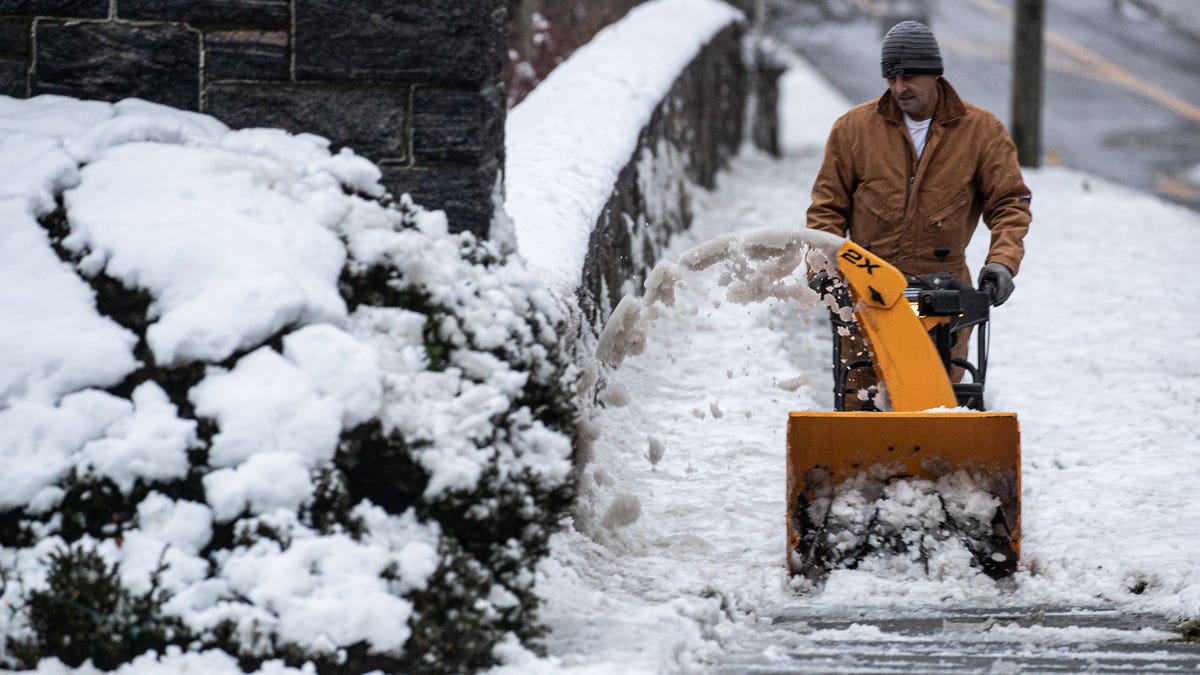
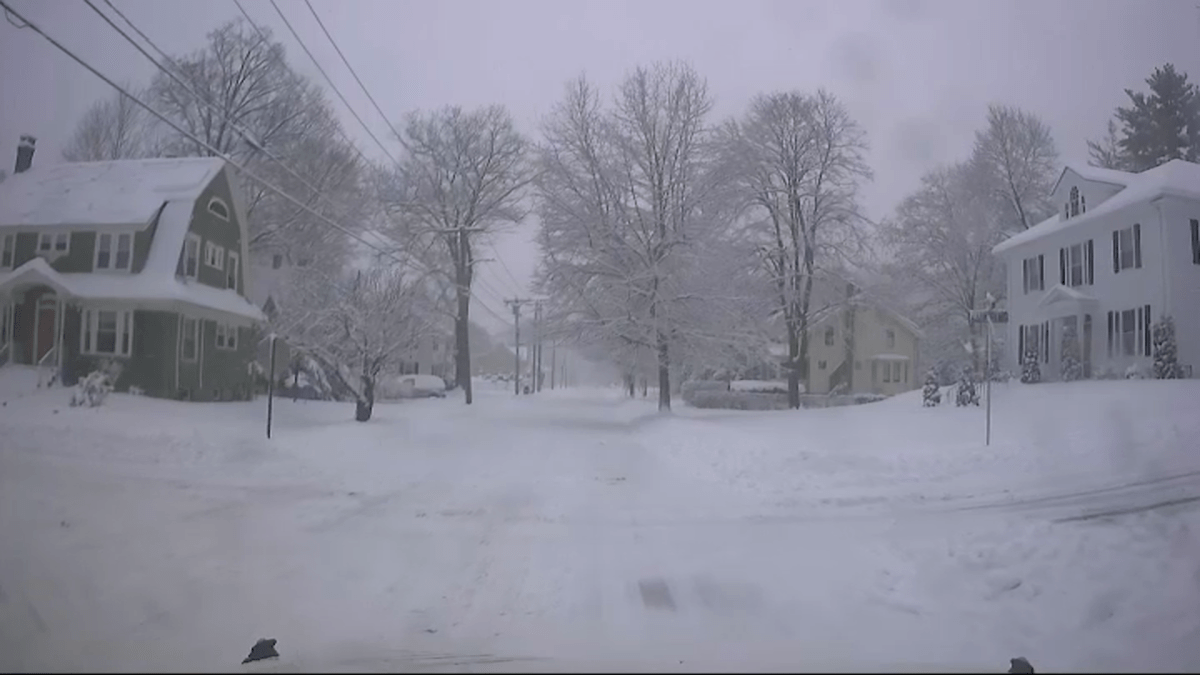
Connecticut is experiencing a second round of snowfall, with northern parts of the state receiving the highest accumulations, including a foot of snow in Norfolk. Additional snow is expected throughout Sunday, with northern Connecticut potentially seeing over 4 inches more. The snow has caused numerous closings, cancellations, and flight disruptions, along with over 2,200 power outages. Temperatures will drop, leading to freezing conditions by Sunday evening. Weather is expected to clear up on Monday, but another storm is forecasted to bring rain midweek.
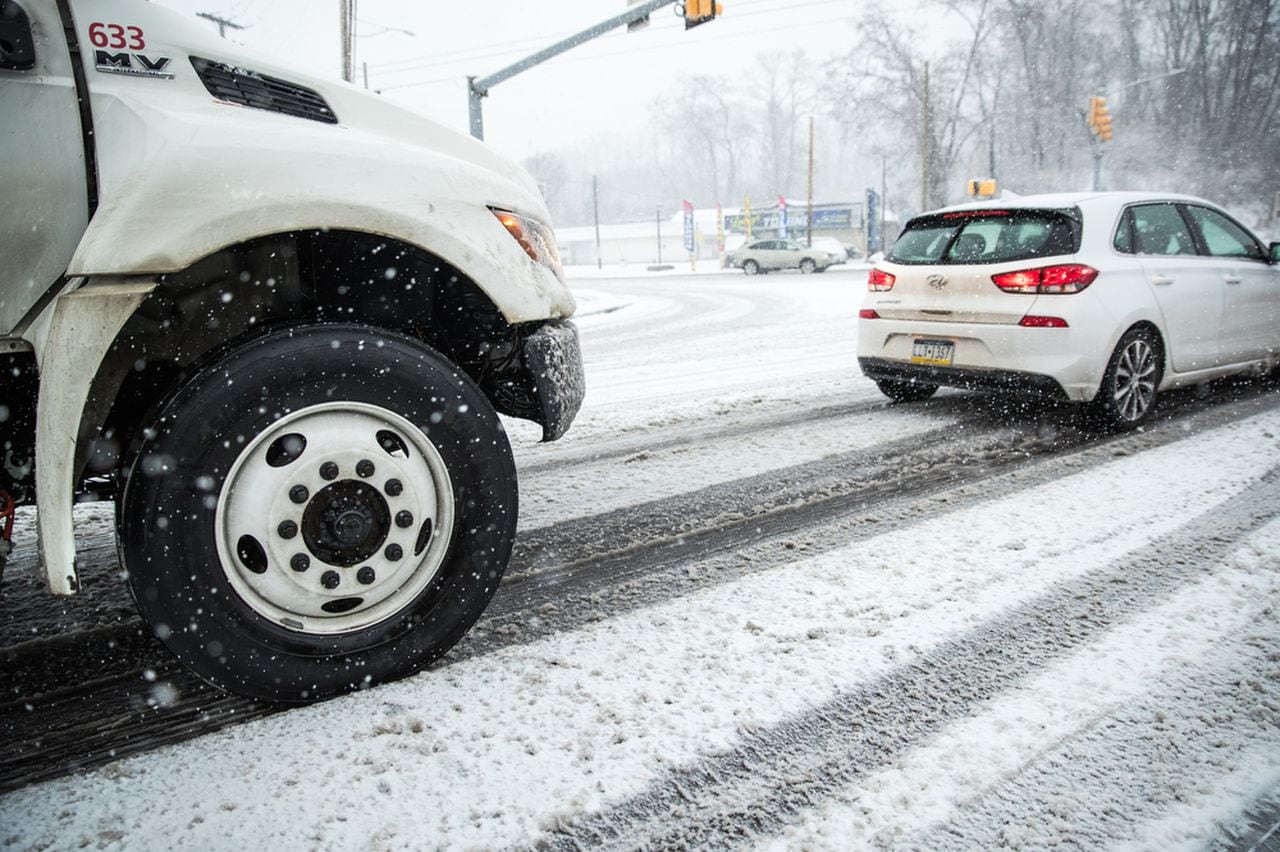
Winter Storm Ember is causing significant disruptions in the Northeast, with heavy snowfall leading to airport delays, travel warnings, and power outages, particularly in New York and Massachusetts. Over a foot of snow has been reported in some areas, and authorities are urging residents to stay off the roads. Meanwhile, Winter Storm Finn is also on the radar, bringing the potential for severe weather in the South and flooding along the East Coast.
Northern New Jersey is experiencing significant snowfall, with totals reaching up to 10.5 inches in some towns as a winter coastal storm continues to impact the area. The heavy snowfall, accompanied by strong wind gusts and creating hazardous road conditions, has led to over 6,300 power outages across the state. The National Weather Service reports snow falling at a rate of 1 to 2 inches per hour in some areas, indicating that this could be the biggest snowstorm New Jersey has seen in over a year.
A major winter storm hit both U.S. coasts, with New England expecting up to a foot of snow and the Sierra Nevada facing heavy snowfall and high winds causing power outages and travel disruptions. New York anticipated significant snowfall, mainly in less populated areas, while the West saw temporary interstate closures and tens of thousands temporarily without power. The East Coast system is set to continue along the northeastern coastline, with varying snow accumulations expected across the region. Another storm is forecasted for midweek, potentially bringing rain, flooding, and high winds.
A tornado was observed and captured on video in Fort Lauderdale Beach, with the National Weather Service issuing an alert. No injuries have been reported, but there have been sightings of power flashes and heavy winds. The extent of power outages is currently unknown, and updates are forthcoming.
The snow is subsiding, but a high-impact storm is expected to bring torrential rain, widespread strong winds, and potential flooding from Tuesday afternoon into early Wednesday. Travel conditions remain hazardous due to icy roads. The upcoming storm could cause power outages and further flooding, with rain ending early Wednesday morning followed by breezy conditions.
A winter storm is expected to hit Lynchburg, VA, and surrounding areas, bringing a mix of snow, sleet, and rain. The coldest temperatures and wintry mix are anticipated at sunrise, with conditions improving to all rain by the afternoon. While a significant ice storm is not expected, scattered power outages may occur. Roads will be slippery in the morning but should clear later in the day. Snow accumulations will vary by location, with some areas like Lexington potentially seeing 2-3 inches, while others like Richmond will experience only rain.