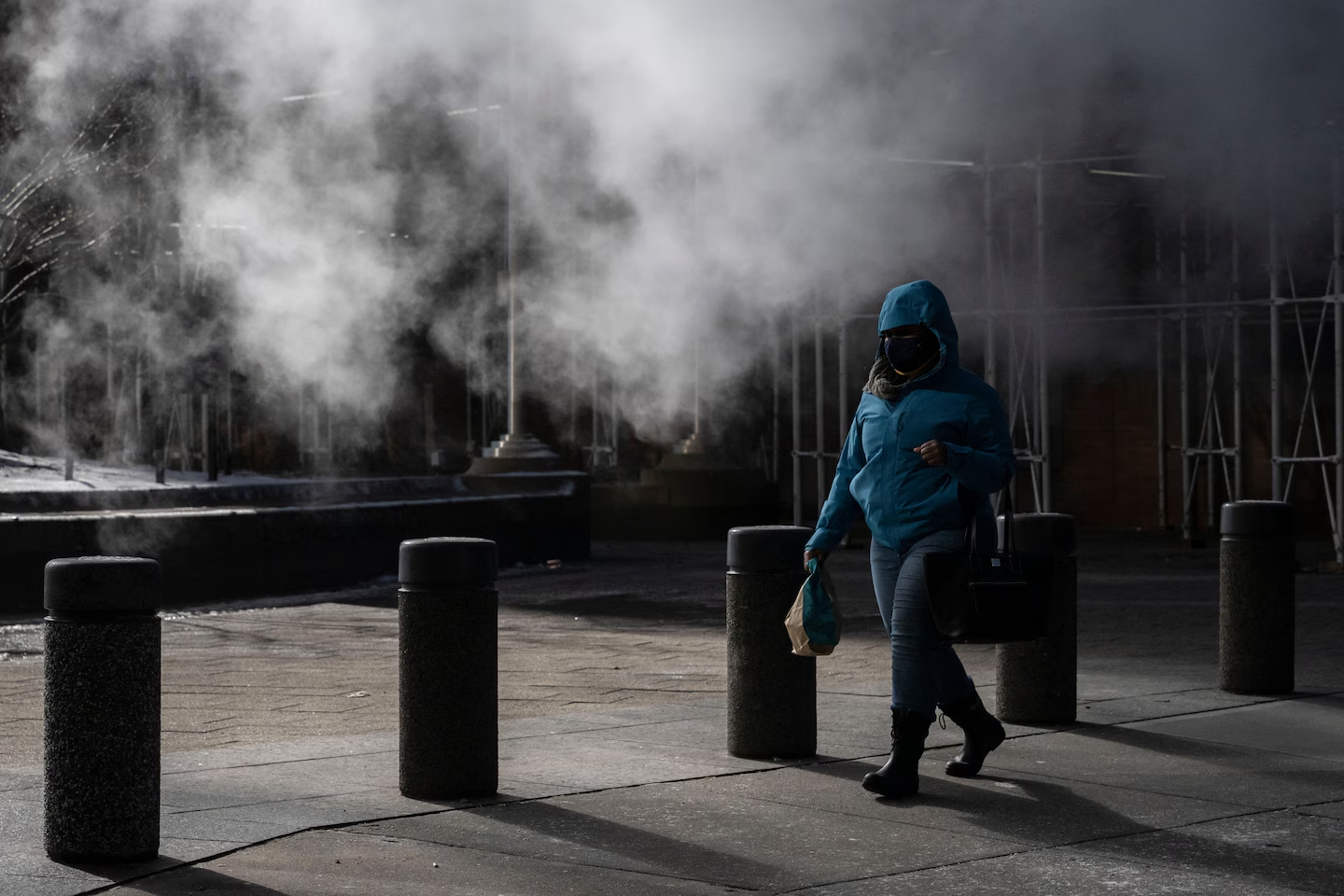
A new Arctic blast is set to bring frigid temperatures, snow, and hazardous travel conditions to 30 states from North Dakota to Georgia, raising concerns about the potential severity of the upcoming winter season.
A major winter storm has caused significant disruptions across the U.S., with California experiencing record rain and landslides, while the East Coast faces blizzard warnings. The storm, which began as a 'bomb cyclone' in the Pacific Northwest, has left thousands without power, particularly in the Seattle area. As the storm moves east, it is expected to bring rain and snow to the Midwest and Great Lakes, impacting Thanksgiving travel. The Northeast, suffering from drought, received much-needed precipitation, though conditions remain challenging with heavy snow in some areas.
The National Weather Service has issued winter storm warnings for several states on the East Coast, including New York, Massachusetts, Pennsylvania, and Virginia, with heavy snow and severe ice expected from Maryland to Maine. The storm, hitting from Saturday afternoon into Sunday, may cause power outages and tree damage in areas like Connecticut, Rhode Island, and Massachusetts, and minor coastal flooding is possible. Meanwhile, cities such as Washington, D.C., Baltimore, and Philadelphia are predicted to experience rain and sleet. Winter storm warnings are also in place for states like New Mexico, Washington, and Oregon.
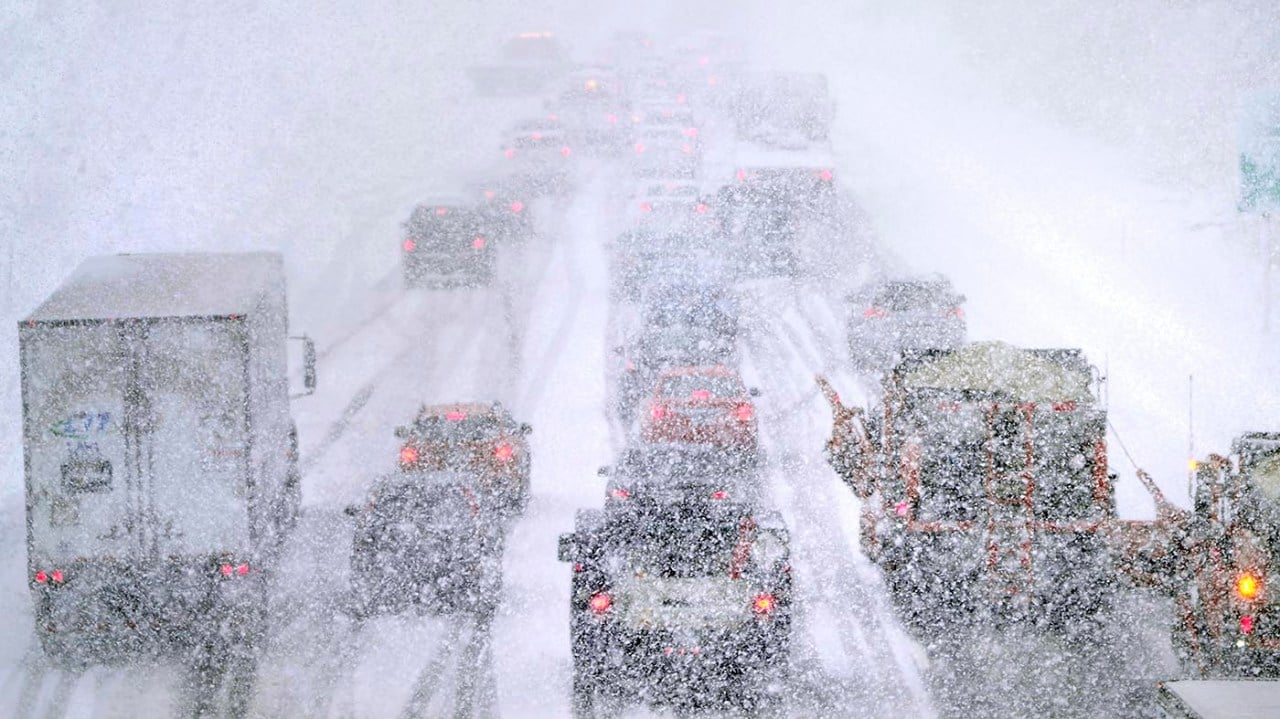
The first significant winter storm of the year is set to hit the East Coast of the U.S., affecting states from North Carolina to Maine with heavy snowfall expected. Winter storm warnings are in place, with projections of 6-12 inches of snow in many areas and over a foot in higher elevations of New England. The storm will bring difficult travel conditions, potential power outages, and minor coastal flooding. Snow is anticipated to start in the New York City area by Saturday evening and continue across the Northeast into Sunday, with conditions improving by Sunday evening.
A minor 1.7-magnitude earthquake struck near Astoria in Queens, NYC, coinciding with reports of small explosions on Roosevelt Island, which officials suspect were caused by the quake. No injuries or damage were reported. Earlier, a 2.3-magnitude earthquake occurred near Rockville, Maryland, felt across several states. While less common than in the west, East Coast earthquakes can affect larger areas due to older, denser rocks that transmit seismic waves more efficiently.
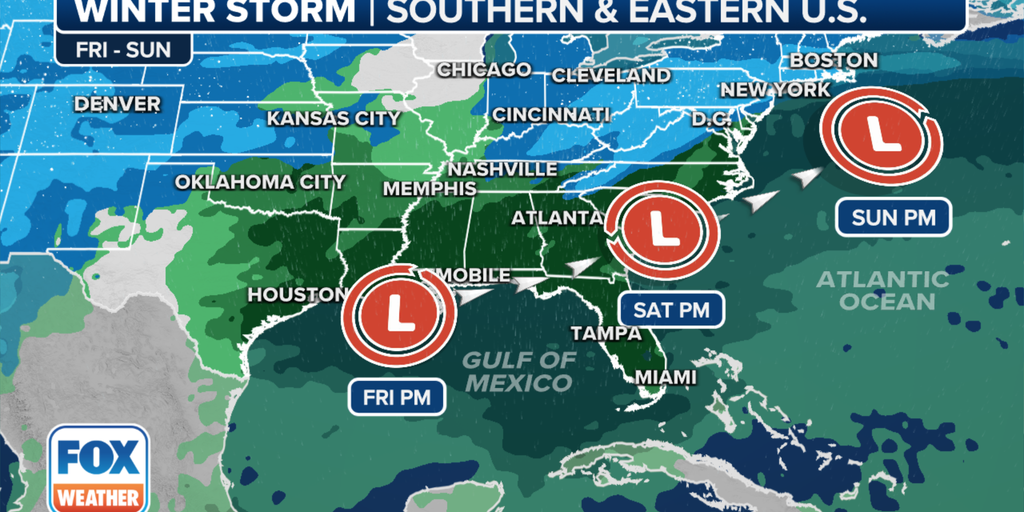
The first major winter storm of 2024 is expected to hit the East Coast, potentially bringing significant snowfall to cities like New York and Washington for the first time in nearly two years. The storm will develop along the Gulf Coast, causing heavy rain and possible flooding in the South before moving up the East Coast. Travel disruptions are anticipated due to heavy rain, gusty winds, and snow, affecting at least 20 states from Texas to New England. Meteorologists are closely monitoring the storm's development, with the potential for heavy snow in higher-elevation regions and along parts of the I-95 corridor.