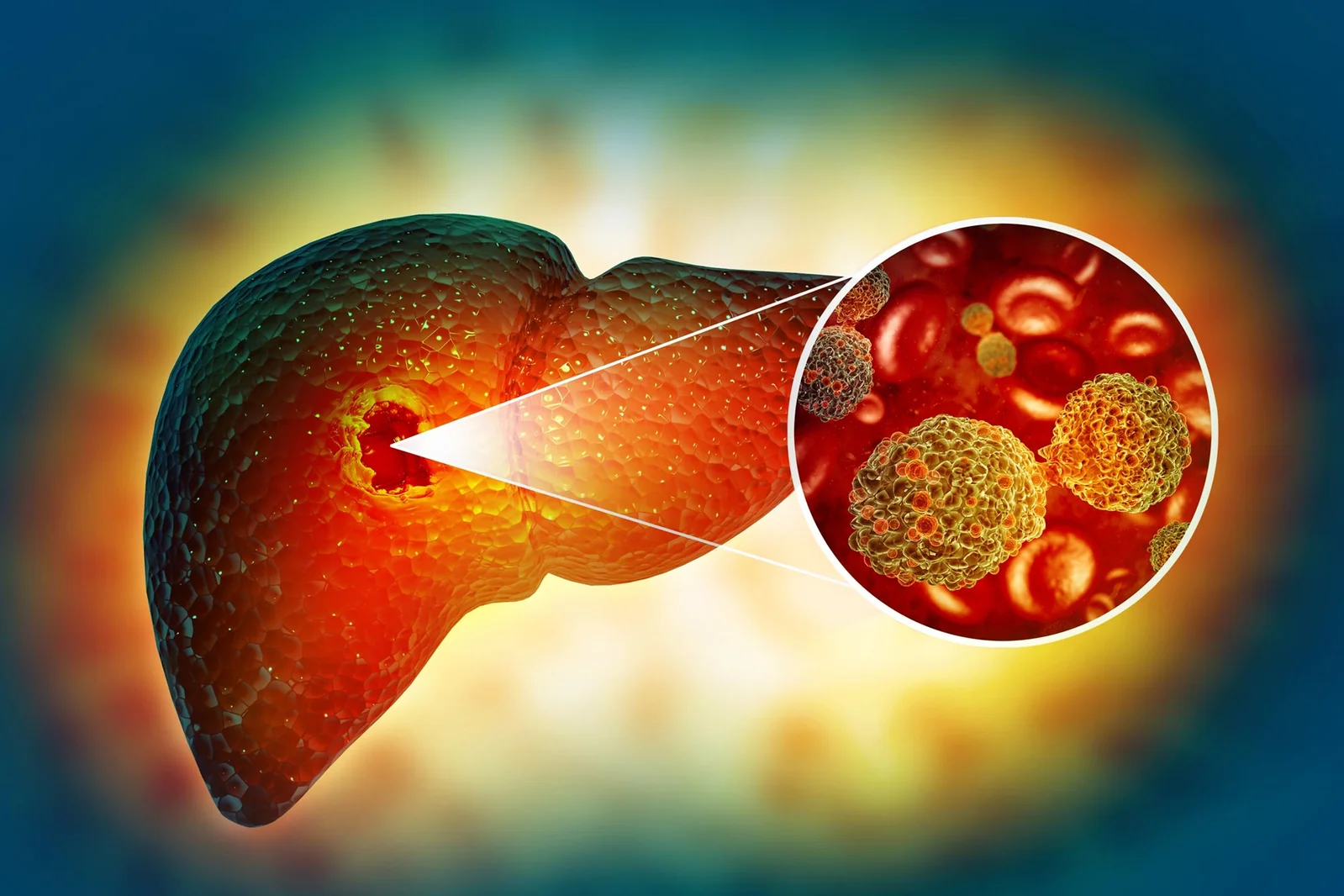
Deleting Caspase-2, once considered protective against fatty liver disease, disrupts liver cell quality control, leading to polyploidy, chronic inflammation and fibrosis, and markedly increasing age-related liver cancer risk in mice.
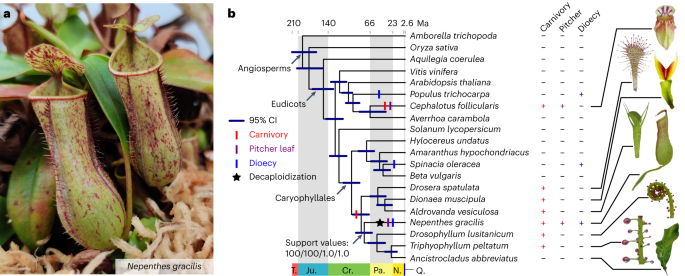
A study on the decaploid pitcher plant Nepenthes gracilis reveals that subgenome dominance plays a crucial role in shaping novel gene evolution. Polyploidy, the presence of multiple sets of chromosomes, has been linked to the diversification of angiosperms. The researchers found that one subgenome in Nepenthes gracilis exhibited higher expression levels and functional enrichment of genes involved in carnivory, while the other subgenome showed higher expression of genes related to flower development and sex determination. This subgenome dominance may have contributed to the adaptation and evolution of the pitcher plant's unique traits.
Seedless fruits, such as bananas and watermelons, are the result of various reproductive mechanisms. While most fruit plants require fertilization through the transfer of pollen from a male plant to a female plant, some plants have both male and female reproductive structures, allowing for self-fertilization. However, in rare cases, fruits can develop without fertilization through a process called parthenocarpy. This natural phenomenon has been harnessed in modern agriculture, leading to the cultivation of seedless fruits like navel oranges and grapes. Seedless watermelons and bananas are created through complex processes involving polyploidy, where plants have multiple copies of chromosomes. These seedless fruits have become successful due to human intervention, even though they are unable to persist on their own in the wild.