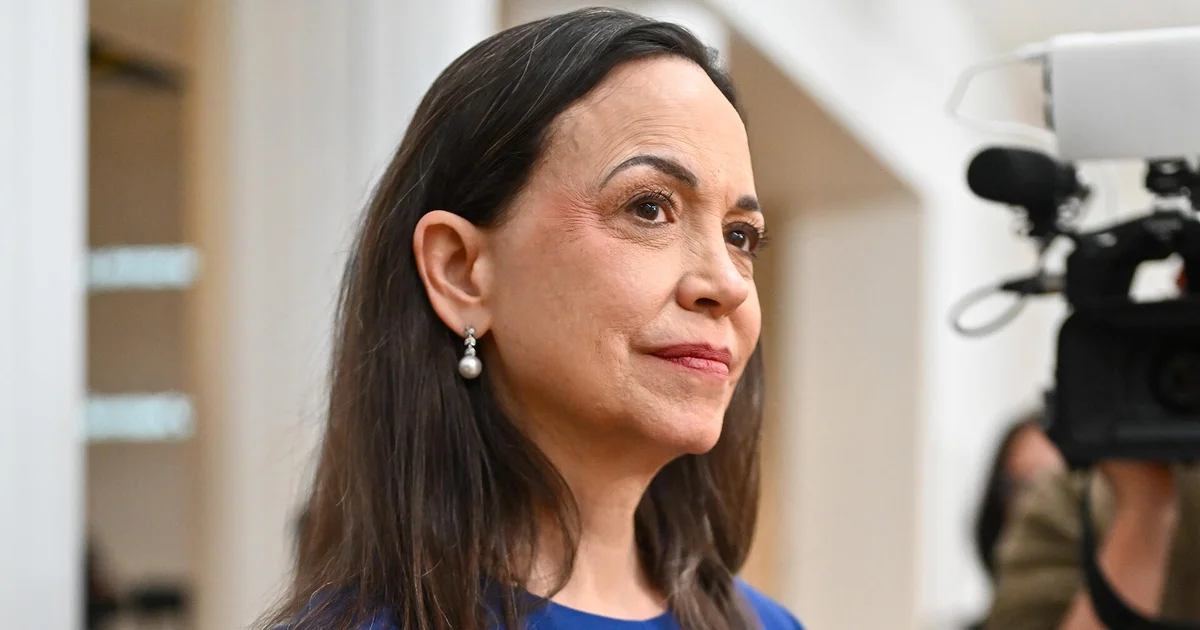
Venezuelan opposition leader María Corina Machado released a letter declaring that Nicolás Maduro will face international justice following his and his wife's capture in a U.S. operation, calling for a democratic transition and urging Venezuelans to remain vigilant and organized for freedom.
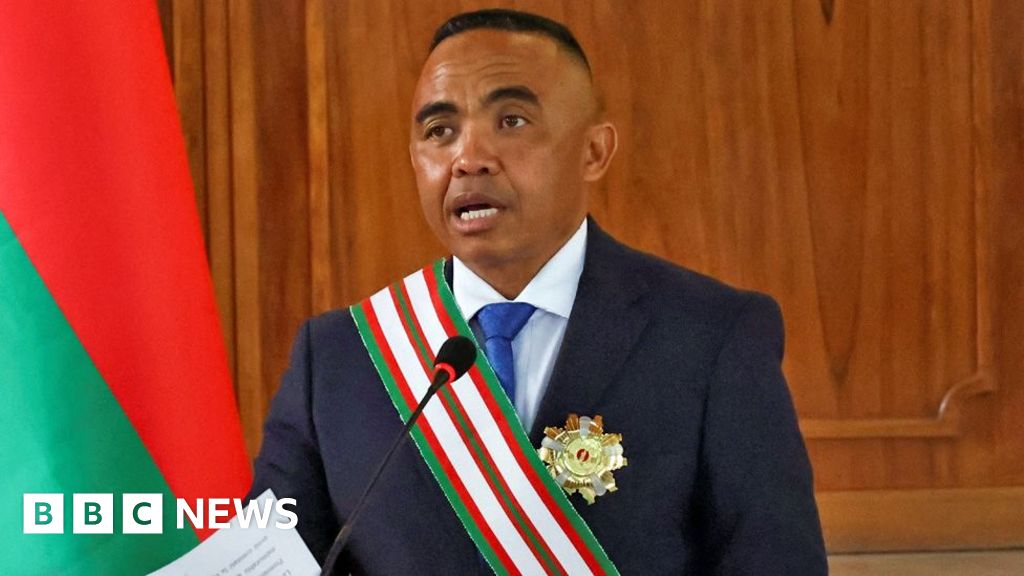
Madagascar's military leader Colonel Michael Randrianirina has been sworn in as president following a military takeover prompted by protests against the previous government, with promises of electoral reforms and national unity during a transitional period, amid international criticism and potential shifts in foreign relations.
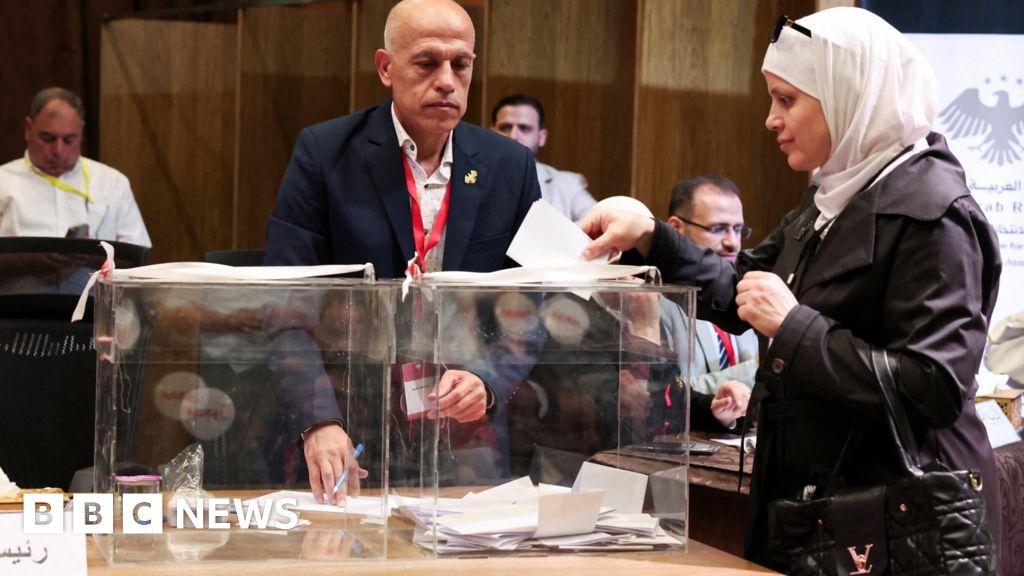
Syria's recent parliamentary elections acknowledged significant shortcomings in female and minority representation, with only 13% of seats won by women and limited Christian and minority participation, amid ongoing security issues and regional tensions, raising questions about the inclusiveness of the political process.
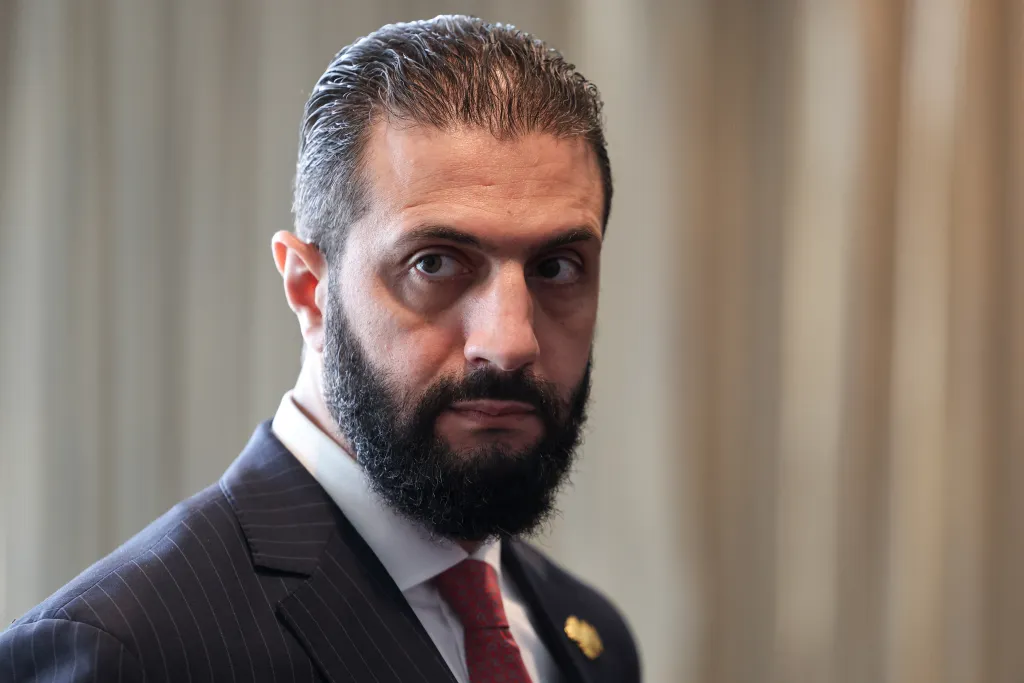
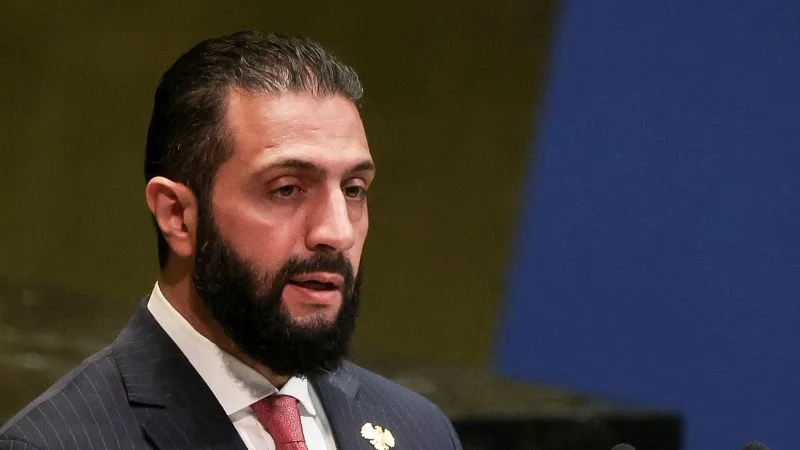
Syria held its first parliament elections since Bashar al-Assad's fall, marking a significant step in its political transition, with President Ahmed al-Sharaa promising to move the country beyond its past conflicts.
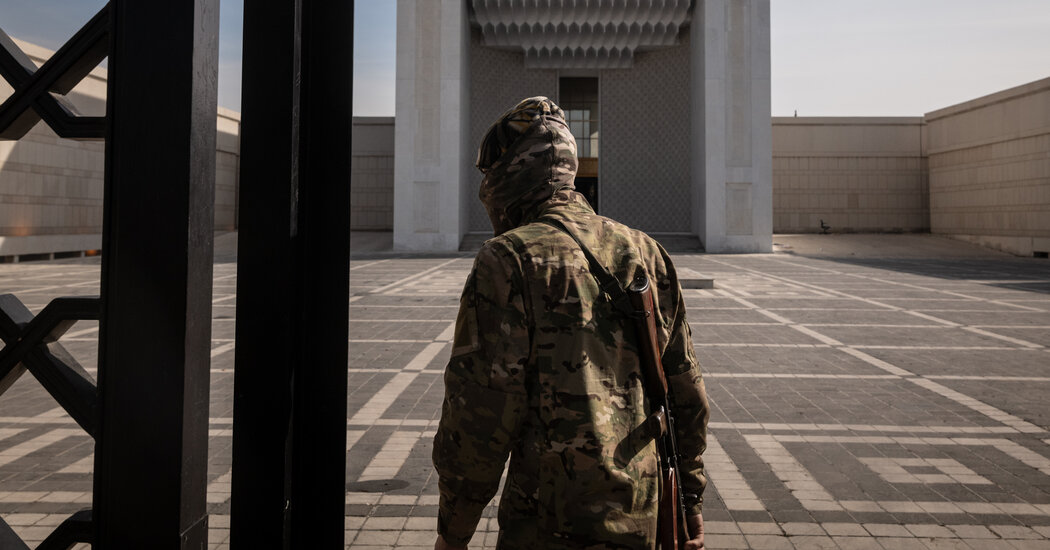
Syria has held its first parliamentary elections since the fall of the Assad regime, marking a significant step in its political transition, with voting completed in most areas except for some regions under control of Kurdish-led forces and Druze factions, raising questions about representation and future constitutional reforms.
Following the fall of Bashar al-Assad's regime, Syria's new provisional government, led by former HTS member Abu Mohammad al-Julani, faces challenges in establishing stability and inclusivity. While international leaders cautiously welcome the transition, concerns persist over HTS's radical past and its relationship with the Kurdish population. The new government promises personal freedoms and minority protection, but skepticism remains about its ability to deliver on these promises amid tensions with Kurdish forces and the influence of external actors like Turkey.
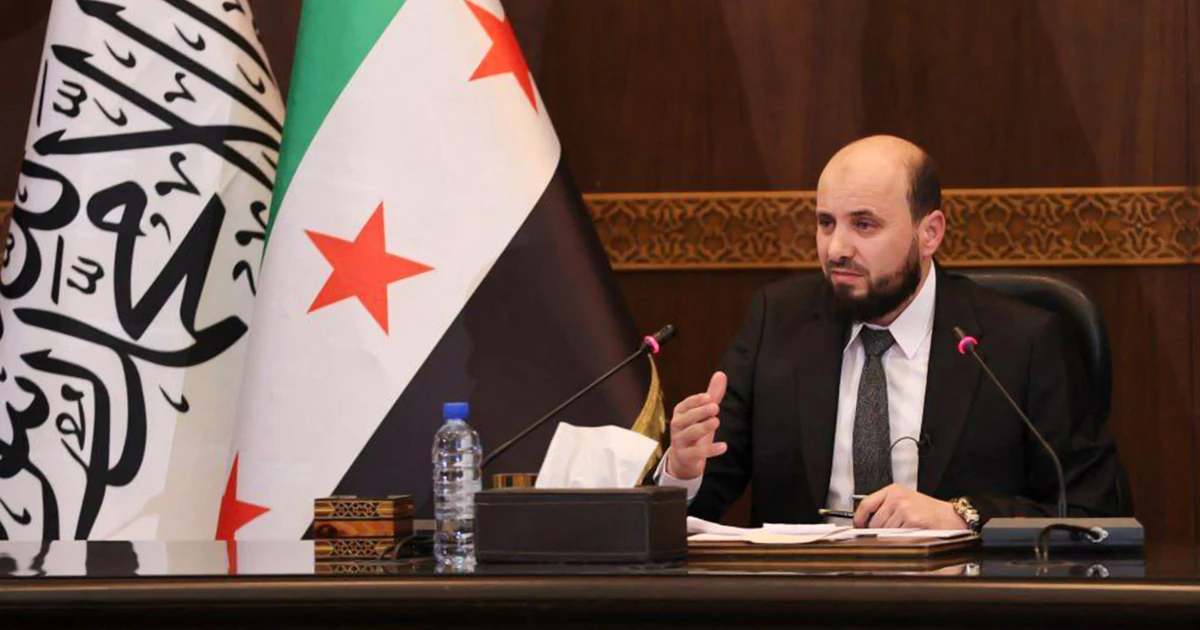
Syria's new interim prime minister, Mohammad al-Bashir, chaired a Cabinet meeting with a flag associated with Sunni Islamist fighters, raising concerns about the future direction of the country post-Assad. The flag's presence suggests the influence of Hayat Tahrir al-Sham (HTS), a group with roots in Al Qaeda, now leading Syria's political transition. HTS leader Abu Mohammad al-Jolani has rebranded himself as more moderate, but skepticism remains about the group's commitment to tolerance and democracy. The U.S. is considering removing HTS from its terrorist list, but observers worry about the potential for another authoritarian regime under Jolani's influence.
The article discusses the current situation in Syria following the overthrow of President Bashar al-Assad, focusing on the political transition and the challenges the country faces in establishing a stable government. It explores the potential future scenarios for Syria and the implications for the broader Middle East region.
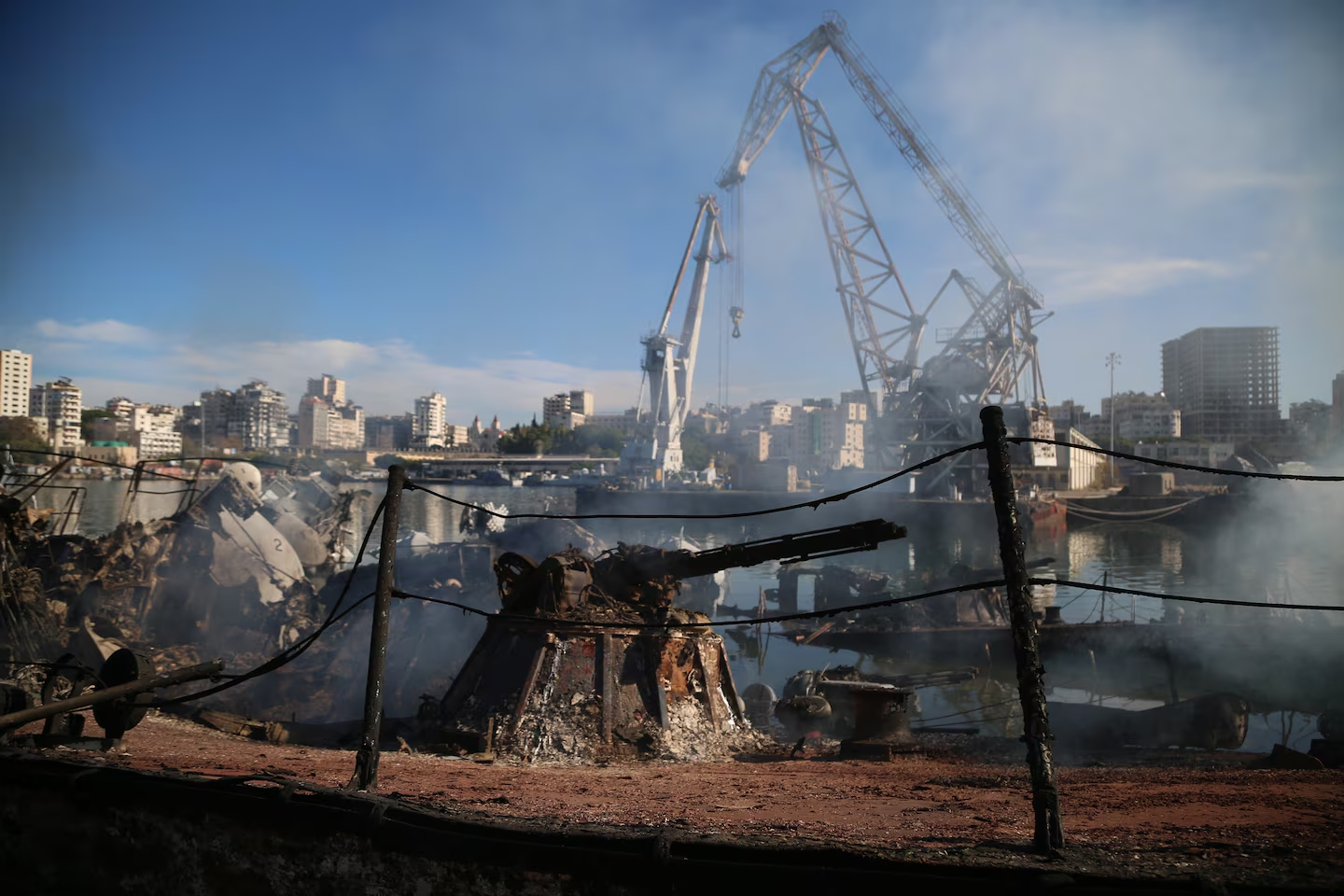
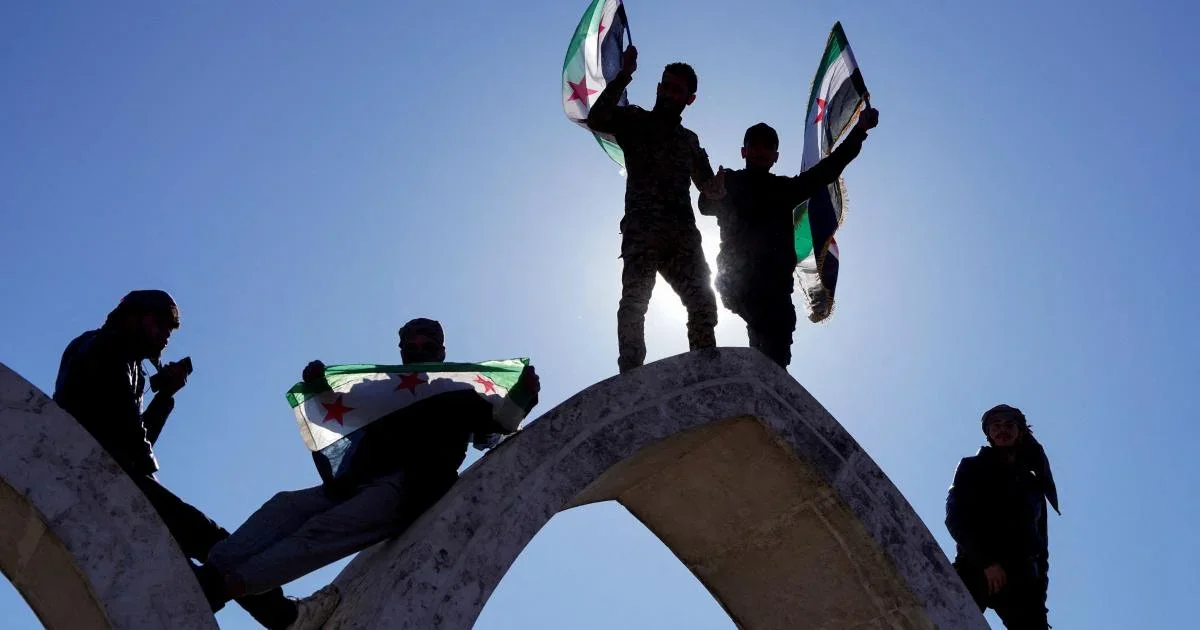
Syrian rebel forces, led by Hayat Tahrir al-Sham, claim to have consolidated control over eastern Syria, including Deir al-Zour, following the ousting of Bashar al-Assad. Mohammed al-Bashir has been appointed as caretaker prime minister. Meanwhile, Israel has expanded its airstrikes across Syria, targeting military sites to prevent weapons from falling into rebel hands. The strikes have intensified following Assad's fall, with Israel conducting 350 airstrikes since Sunday. The situation remains volatile as various factions vie for power in the region.
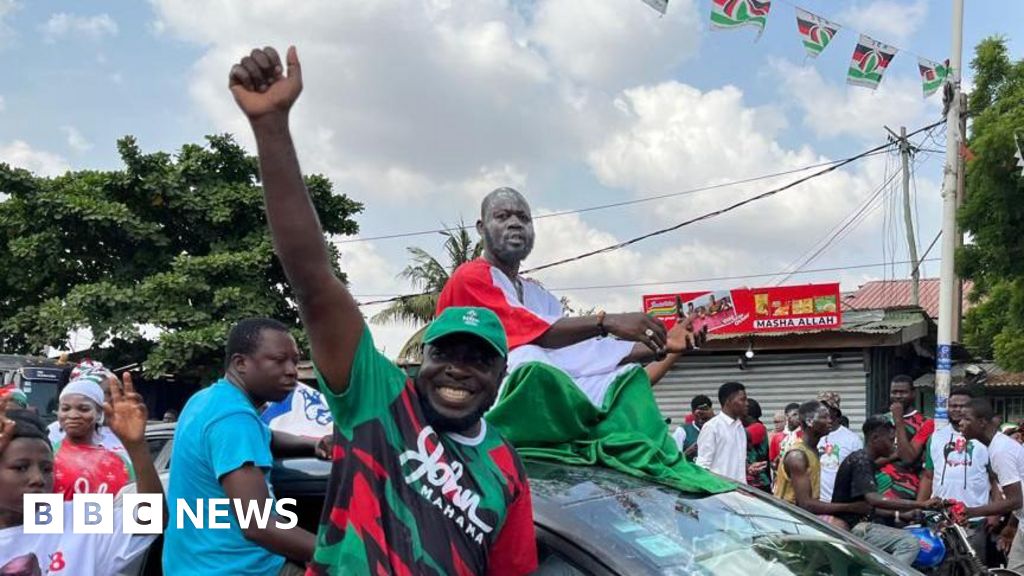
Ghana's Vice-President Mahamudu Bawumia has conceded defeat in the presidential election, congratulating opposition candidate John Mahama on his victory, despite no official results being declared yet. The election took place amid a severe economic crisis, and Mahama's supporters are celebrating across the country. Bawumia's concession is based on internal tallies from the ruling New Patriotic Party, indicating Mahama's decisive win. This marks a continuation of Ghana's trend of alternating power between the National Democratic Congress and the New Patriotic Party.
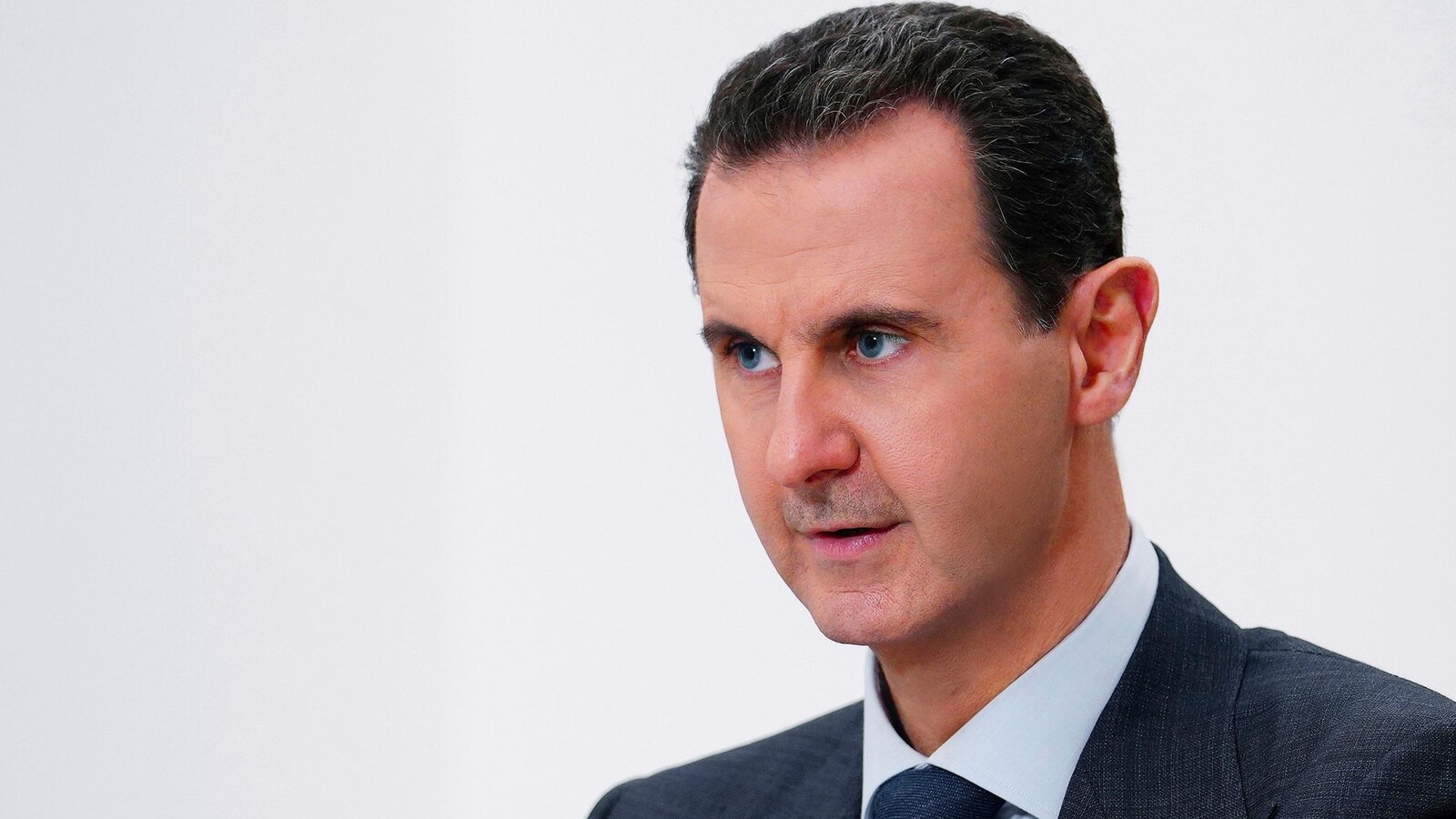
The Syrian government appears to have collapsed following a rapid rebel offensive, ending the Assad family's 50-year rule. President Bashar Assad reportedly fled the country as insurgents entered Damascus, marking the first time opposition forces have reached the capital since 2018. The Syrian Prime Minister expressed readiness to transition power to the opposition. The rebels, led by Hayat Tahrir al-Sham, have seized key cities, including Homs, Aleppo, and Hama, with little resistance from Syrian forces. The UN and international diplomats are calling for urgent talks to ensure a political transition.
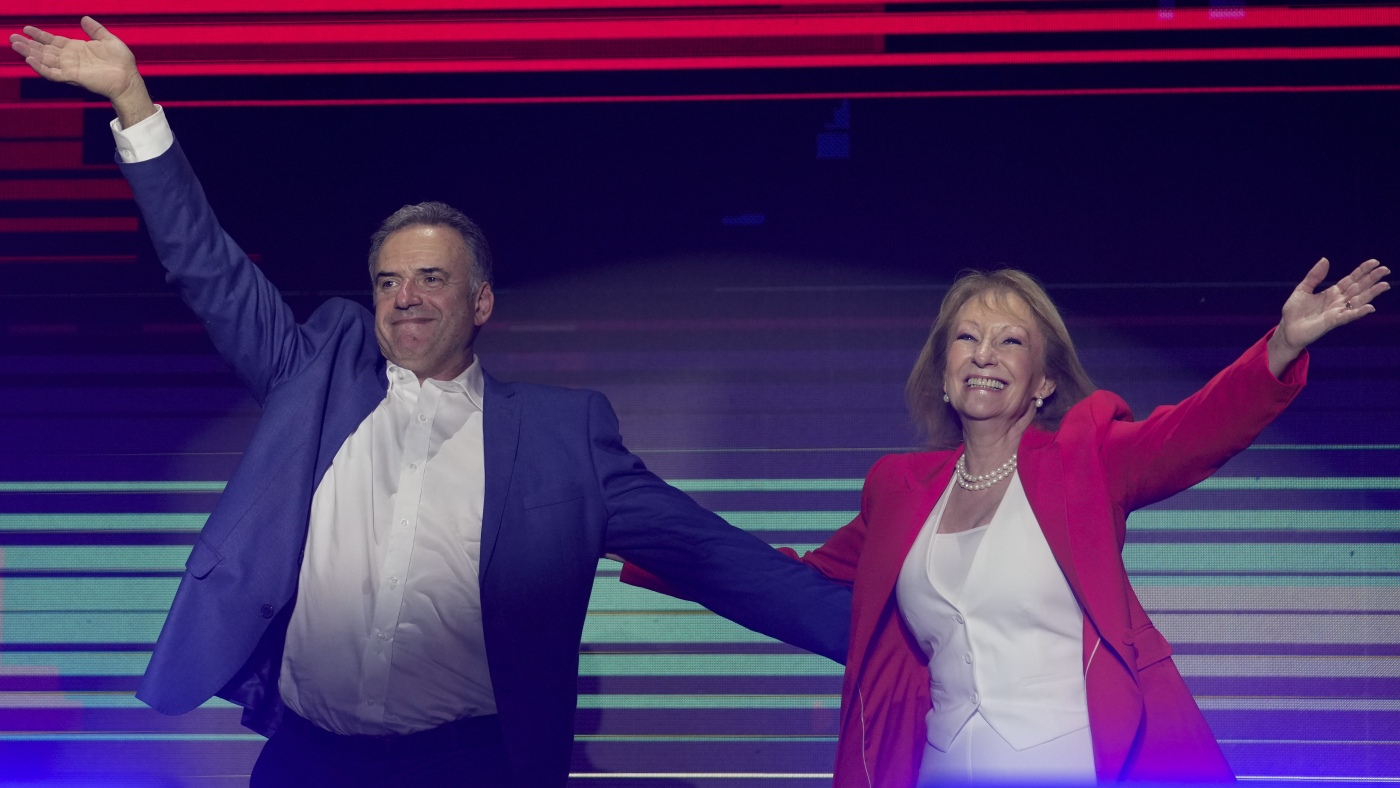
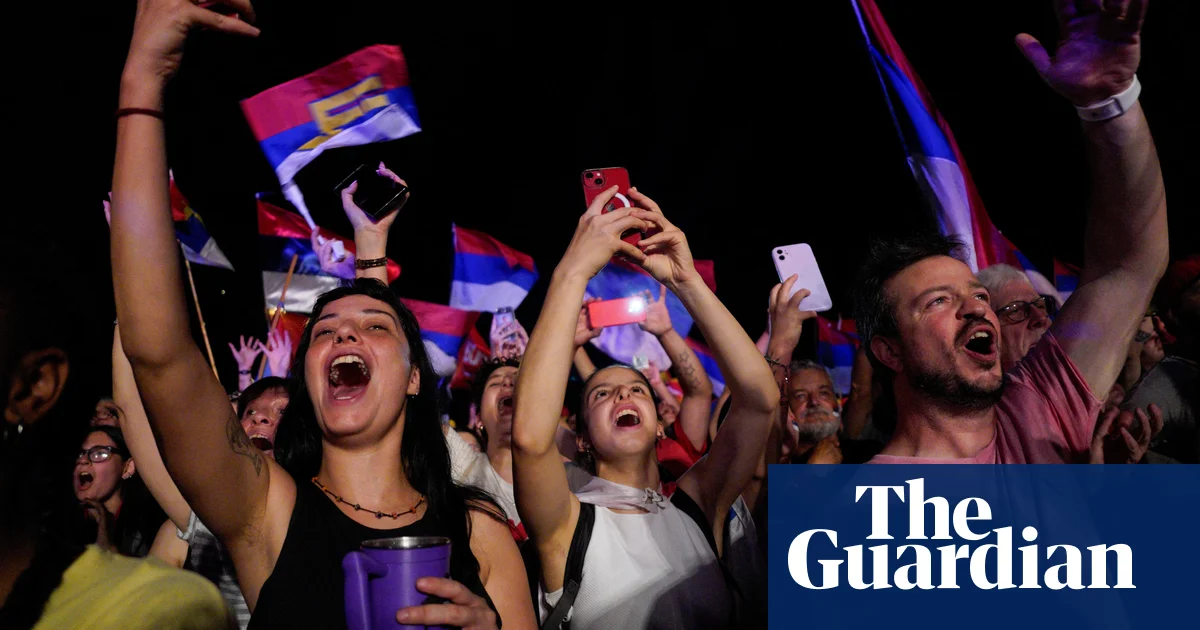
Yamandú Orsi, the leftist candidate from Uruguay's Broad Front, won the presidential runoff election, defeating the center-right ruling coalition's Álvaro Delgado. Orsi's victory marks a return to power for the Broad Front, which previously governed Uruguay for 15 years until 2019. The election saw high voter turnout, with Orsi securing 49.8% of the vote. His campaign focused on national unity and social policies reminiscent of former President José Mujica's era. Orsi's government will take office on March 1, 2025.
Centre-left candidate Yamandu Orsi won Uruguay's presidential election, defeating conservative Alvaro Delgado with 49.77% of the vote. Orsi's victory marks a shift from the conservative governing coalition, aligning with a global trend of incumbent parties losing power. The election was characterized by moderate political discourse, with Orsi pledging a 'modern left' approach without drastic policy changes. Both Delgado and outgoing President Luis Lacalle Pou conceded and offered support for a smooth transition.
Early results from South Africa's national election indicate that the ruling African National Congress (ANC) is set to lose its majority, securing only 43.39% of the vote. This marks a significant political shift since the end of apartheid, potentially forcing the ANC to form alliances with smaller parties to govern. The Democratic Alliance (DA) and Economic Freedom Fighters (EFF) are trailing with 24.83% and 8.83% of the vote, respectively. The news has impacted financial markets, with the U.S. dollar rising against the South African rand and the Johannesburg stock index falling.