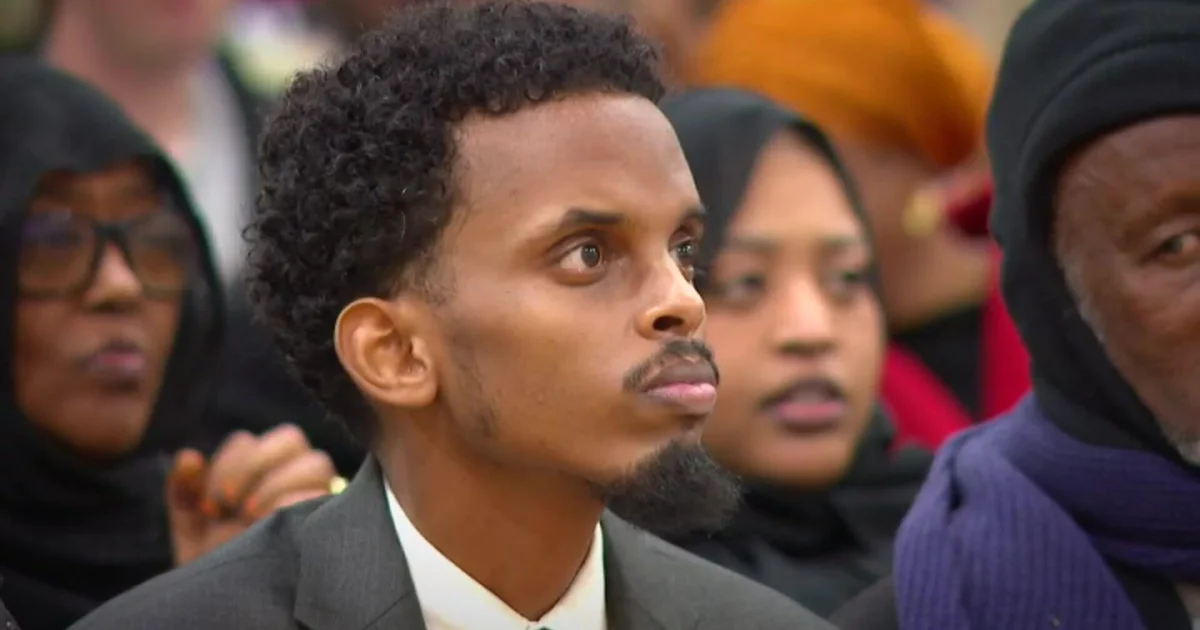
The Minnesota Democratic-Farmer-Labor Party (DFL) revoked its endorsement of Minneapolis mayoral candidate Omar Fateh due to issues with the voting process at the party's convention, including missing votes and procedural flaws. This decision has sparked controversy and accusations of disenfranchisement, with Fateh and supporters vowing to continue their campaign.
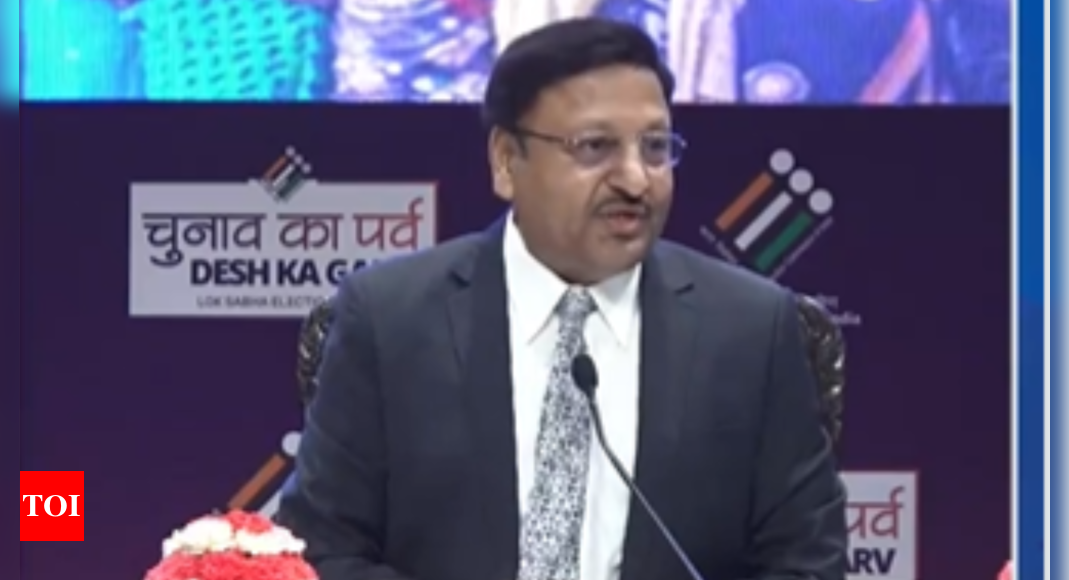
Chief Election Commissioner Rajiv Kumar addressed various aspects of the 2024 Lok Sabha elections, emphasizing the robustness of the election process, the absence of cash and liquor distribution, and the control over deep fakes. He highlighted record voter participation, with 642 million voters, and significant logistical efforts involving 1.5 crore personnel. Despite social media memes, Kumar affirmed the presence and transparency of the Election Commission. Political leaders from various parties expressed confidence in their performance, with exit polls predicting a BJP-led NDA victory.
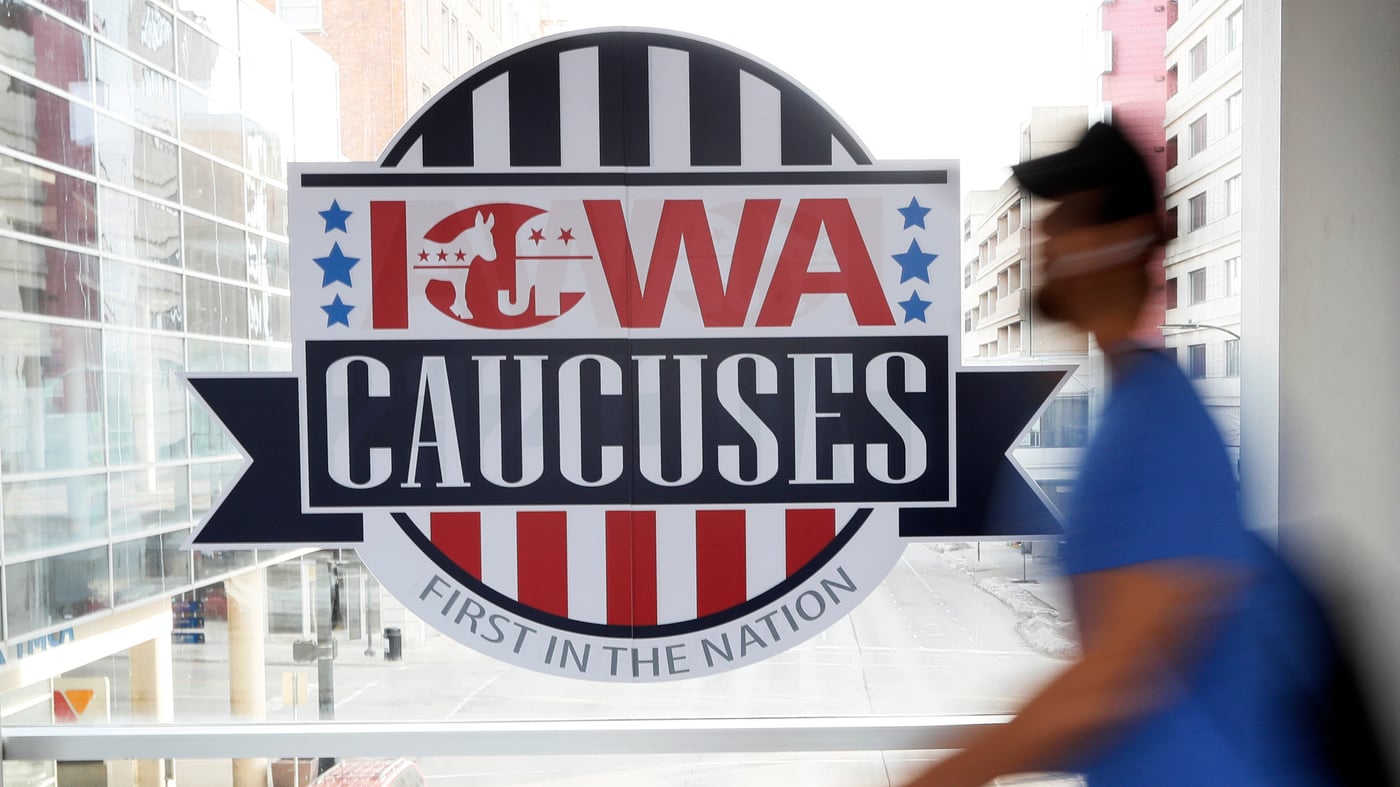
The Iowa caucuses mark the official start of the presidential nominating process and are significant due to their historical impact on candidates' momentum. Iowa's unique caucus system involves party meetings and secret ballots for Republicans, while Democrats physically gather and realign if a candidate falls below 15%. The state's first-in-the-nation status is rooted in historical traditions and has significant influence on the presidential race, despite recent questions about its demographic representativeness.
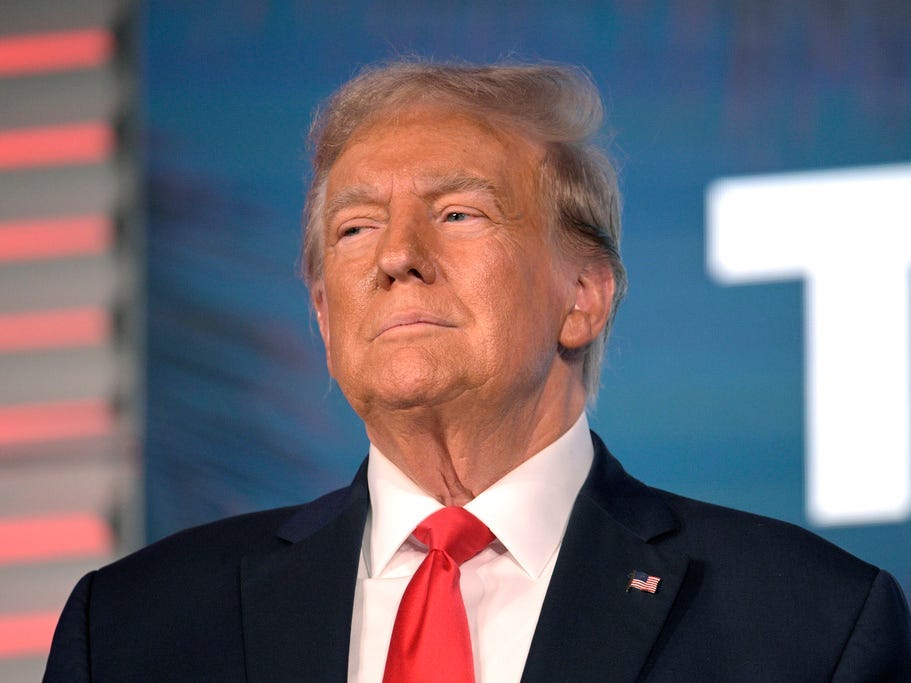
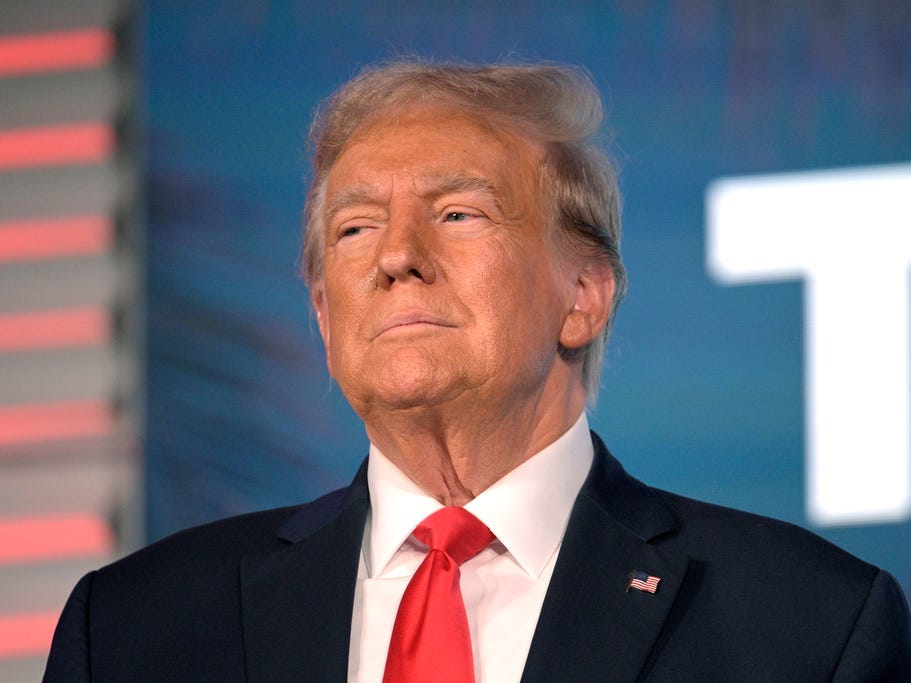
If Donald Trump were to die while running for reelection in the 2024 presidential election, the outcome would depend on the timing of his death. If he were to pass away before January 1, 2024, new Republican candidates may enter the race, requiring adjustments to state filing deadlines. If he died during the primary season, some states may postpone their scheduled primaries. If Trump secured the GOP nomination but died between the convention and Election Day, the Republican National Convention would convene to select another presidential candidate.
If Donald Trump were to die while running for reelection in the 2024 presidential election, the outcome would depend on the timing of his death. If he were to pass away before January 1, 2024, new Republican candidates may enter the race, requiring adjustments to state filing deadlines. If he died during the primary season, some states may postpone their scheduled primaries. If Trump secured the GOP nomination but died between the convention and Election Day, the Republican National Convention would convene to select another presidential candidate.
Donald Trump has adopted a sluggish and lethargic approach to his 2024 presidential campaign, limiting his appearances to "spot" events, TV interviews, and tele-rallies while focusing on manipulating the nomination process and persuading potential donors. Trump's behavior suggests he believes he has already secured both the nomination and the general election, despite it being over a year early. However, his opponents and the voters are likely to wake up and realize that the race is far from over, especially considering Trump's legal troubles and upcoming court dates. Trump's opponents have largely chosen not to challenge him, running on modified Trumpian platforms or conceding the contest without putting up a fight. While lethargy can be a successful survival strategy, it is not foolproof, and Trump risks tempting the fickle election fates by treating the campaign like a cakewalk.