The article highlights various Trump voters expressing regret and feelings of betrayal after witnessing the consequences of their votes, including issues like foreign policy, immigration, and social justice, often shared through Reddit posts.
The recent conflict with Hamas has reignited the debate in Israel over whether ultra-Orthodox Jewish men should continue to be exempt from compulsory military service, with calls for an end to the exemption gaining momentum. The government's decision on this issue carries significant political implications.
House Republicans are facing political backlash and internal divisions over their anti-abortion policies following recent election losses in Ohio, Kentucky, and Virginia. While some GOP representatives, like Rep. Marc Molinaro, are urging the party to respect women's difficult choices and avoid politicizing the issue, others, including newly minted Speaker Mike Johnson, continue to prioritize banning abortion. The GOP's approach has shifted to attaching abortion restrictions to government funding bills, but this strategy has sparked backlash from moderate Republicans. The party is grappling with the political consequences of its anti-abortion stance, as Democrats have successfully used promises to protect abortion access to win elections. Republicans are now distancing themselves from federal action on abortion, emphasizing states' rights or other priorities. The piecemeal approach offered by the Hyde Amendment, which restricts federal funding for abortions, seems to be emerging as the GOP's preferred strategy. However, Democrats remain committed to making abortion a central issue in their bid to regain control of the House.
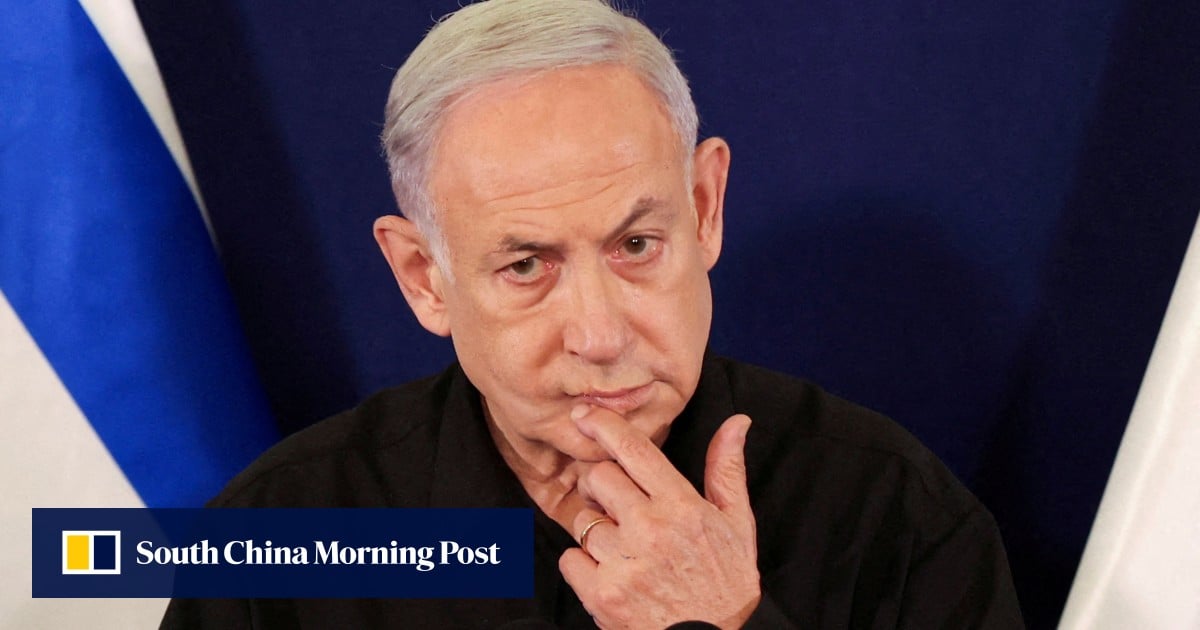
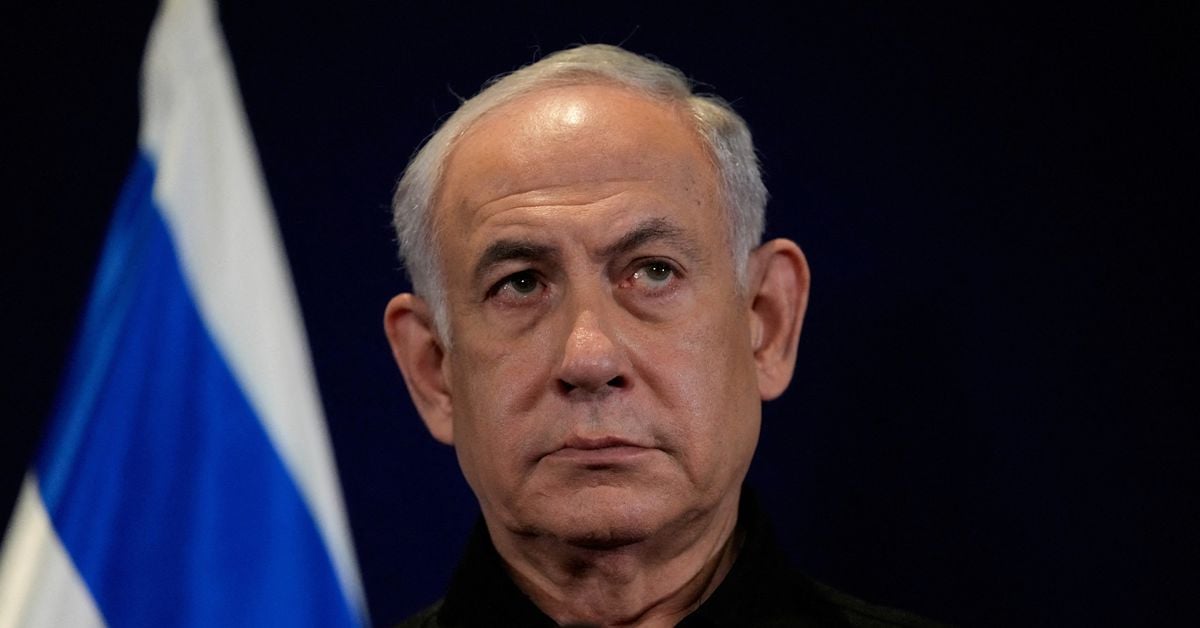
Israeli Prime Minister Benjamin Netanyahu is facing intense scrutiny and backlash following the security failure that allowed Palestinian Hamas gunmen to seize over 200 hostages from Gaza, resulting in the deadliest day in Israel's history. As the country grapples with shock and anger, opinion polls show a majority blaming Netanyahu for the failures. Facing trial on corruption charges and already weakened by a battle over Supreme Court powers, Netanyahu's popularity has further declined. The ongoing military operation to destroy Hamas will play a crucial role in determining his political future, as calls for change grow louder. Additionally, Netanyahu's alliance with hardline religious and nationalist parties and the high civilian casualties during the bombing of Gaza have raised international concerns. The economy has also suffered, exacerbating the challenges faced by Netanyahu.
Israeli Prime Minister Benjamin Netanyahu is facing public anger and criticism as the country grapples with the aftermath of a massacre by Hamas gunmen and a Gaza war that has resulted in over 1,300 Israeli fatalities. Netanyahu's government is being accused of failing to anticipate the attack and dropping the country's guard. Public fury is further fueled by Netanyahu's self-styling as a national-security strategist and his religious-nationalist coalition's judicial overhaul drive, which has caused social polarization. A poll shows that a majority of Israelis want someone else as prime minister, and if an election were held today, Netanyahu's Likud party would lose seats while his main rival Benny Gantz's National Unity party would gain. Netanyahu has yet to take personal accountability for the failures, and his health and political future remain uncertain.
Ukraine's upcoming counteroffensive against Russian forces is seen as a game-changer by many Western officials and analysts, with high stakes for Ukraine's political and military future. A successful counteroffensive would reinforce Ukrainian advantages and weaken Russia, while a failed one could lead to Western critics of aid and calls for a ceasefire that leaves Moscow in possession of much or all of the territory it now occupies. The political prestige of both Ukraine and the US would be at stake if the offensive failed.
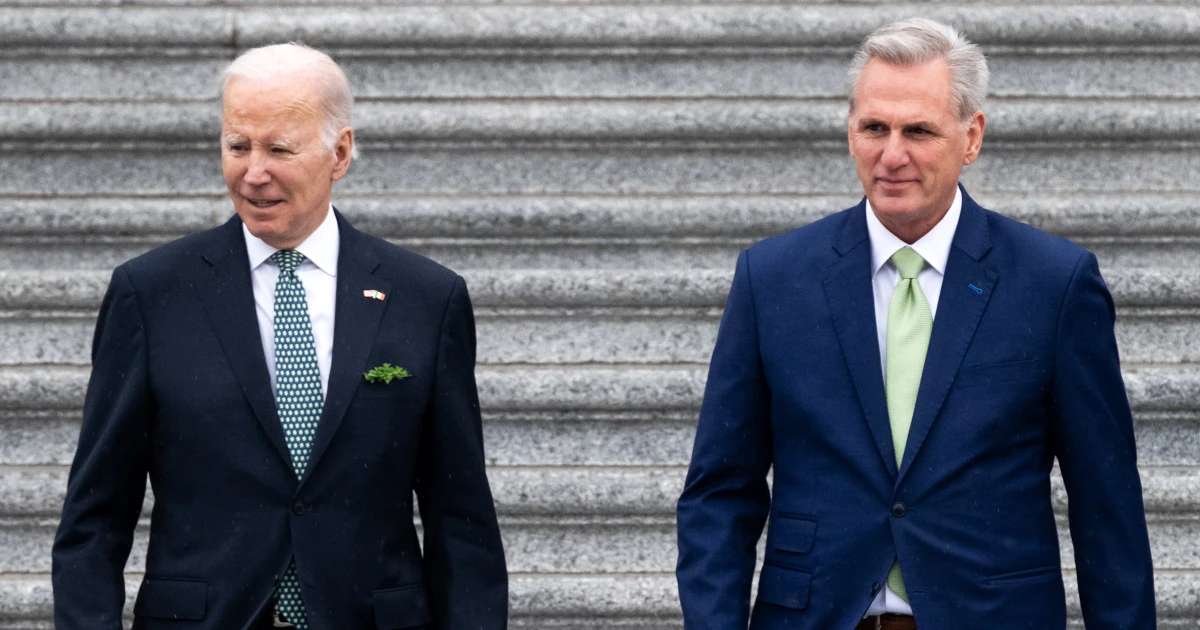
There is growing concern that President Joe Biden will be left defending a faltering economy if the government fails to avoid a default on the nation's debt. Failing to raise the borrowing limit to address the nation’s $31.4 trillion debt could trigger panic on Wall Street and prove politically disastrous for Biden, rattling the public’s confidence in the economy and his leadership as he heads into his re-election campaign. The worst-case scenario would be “a catastrophic political consequence that almost dictates the outcome of the 2024 election,” said a senior Democratic aide.