Many voters are unaware of the details in Trump's large domestic policy bill, which Senate Republicans narrowly passed and now face the challenge of explaining and selling it to the public.
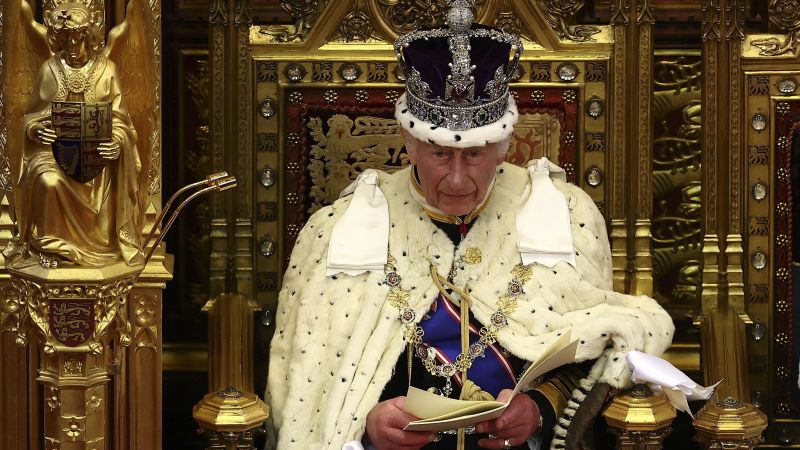
In the state opening of the new UK parliament, King Charles III presented Prime Minister Keir Starmer's ambitious agenda, marking the end of 14 years of Conservative rule. Starmer's plans focus on national renewal, including nationalizing railways, addressing the housing crisis, and tackling illegal migration. The agenda aims to restore public trust in politics and includes 40 new bills, targeting both older and younger generations. The event highlighted the blend of royal tradition and political change, with Starmer's Labour government promising significant reforms and modernization efforts.
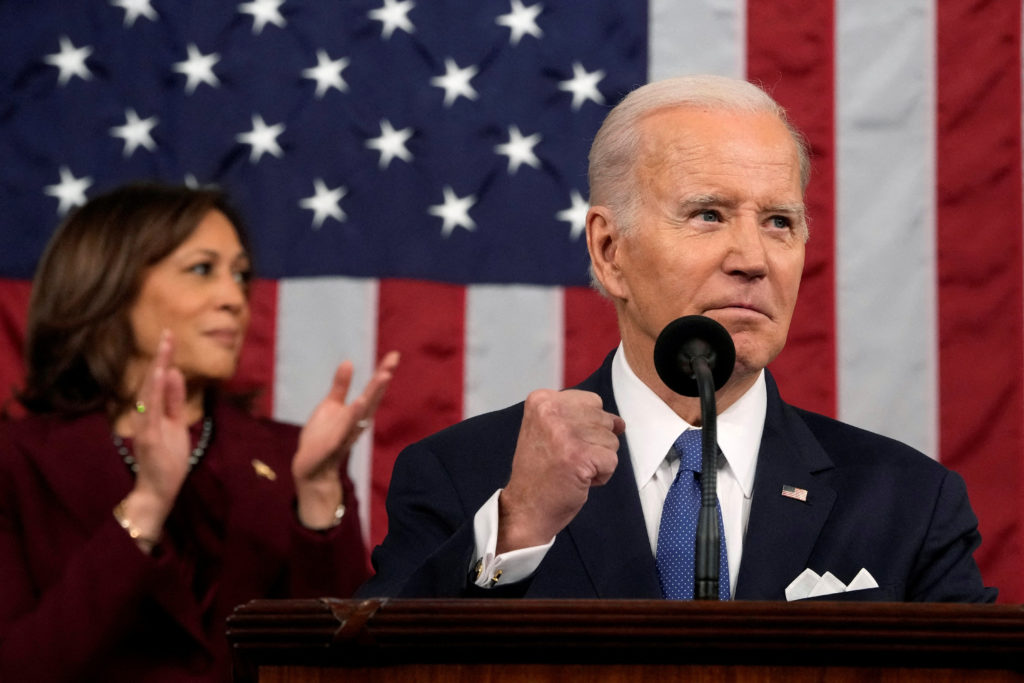
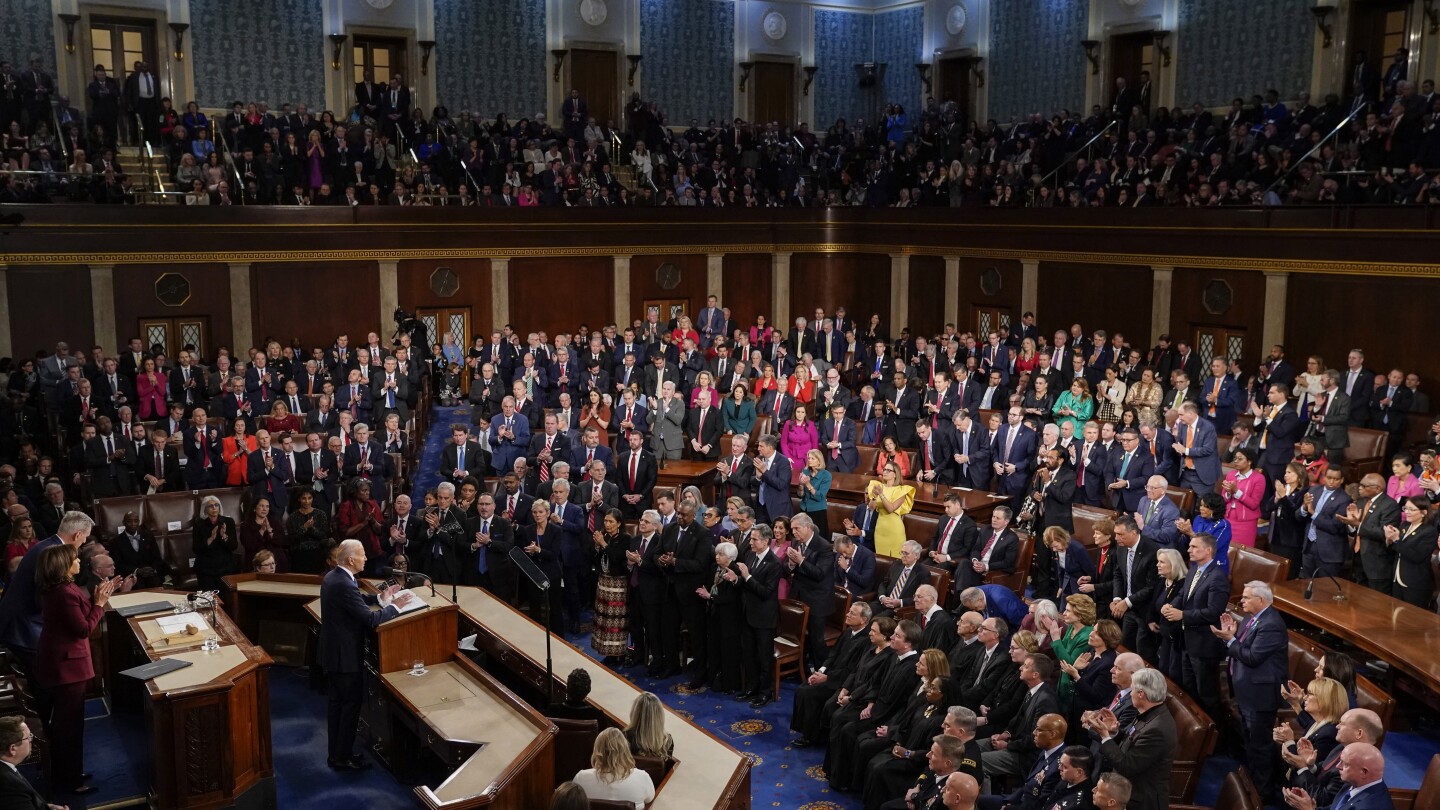
President Joe Biden is set to deliver the State of the Union address, with a focus on his age, policy agenda, and potential protests. The speech will also feature special guests highlighting various issues, and the Republican response will be delivered by Sen. Katie Britt of Alabama.
President Joe Biden's State of the Union address will be televised and streamed online, with a focus on his age, policy agenda, and potential protests. The speech will feature a new House speaker behind Biden, and special guests highlighting various issues. Additionally, the Republican party will stage its own response, with attention on Sen. Katie Britt and the potential for remarks from former President Donald Trump.
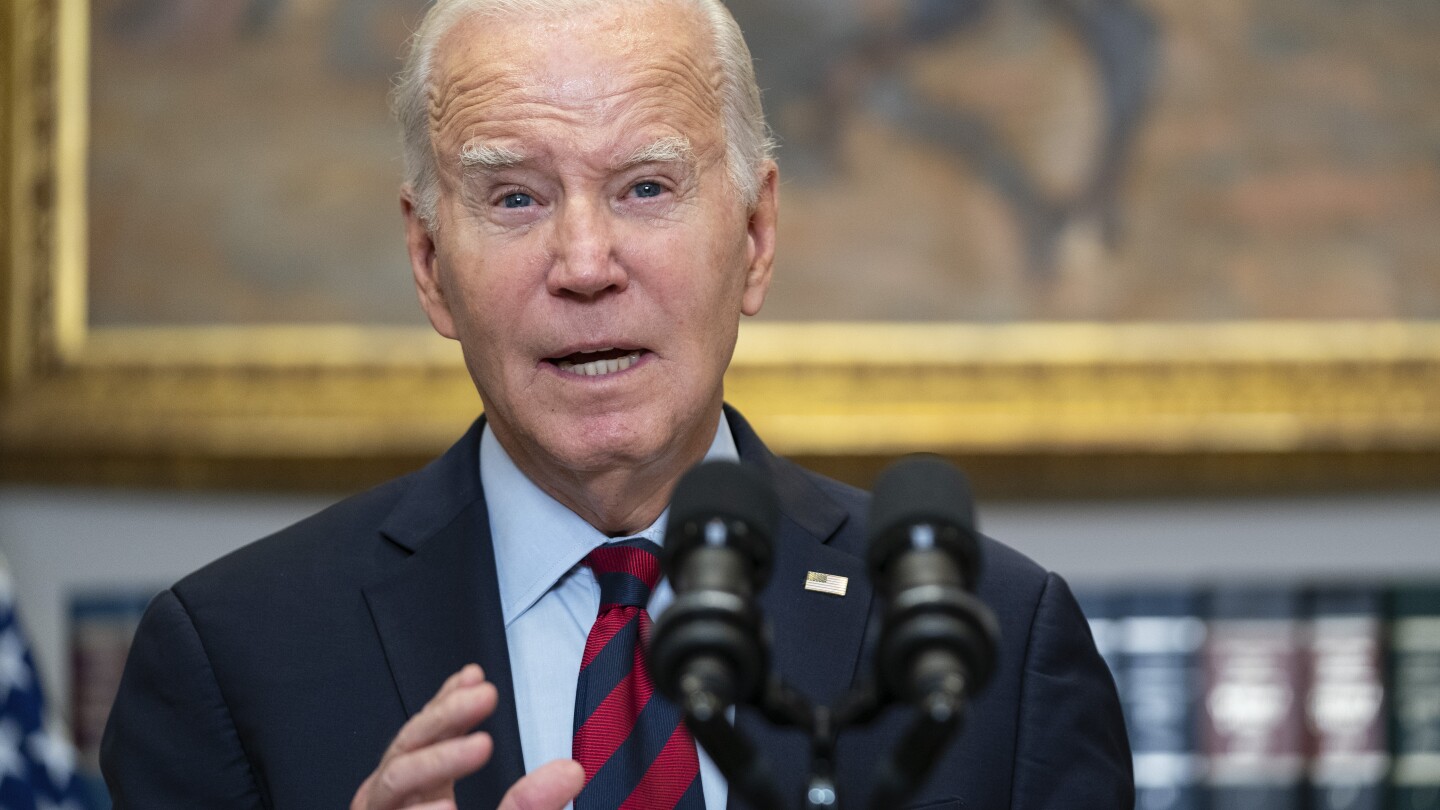
President Joe Biden's second-term agenda is expected to focus on unfinished goals from his first term, including child care, community college, prescription drugs, civil rights, and gun control. However, achieving these goals will require cooperation from Congress, and many have already faced opposition. Biden also plans to raise taxes on the wealthy to fund his initiatives. Other priorities include social services and healthcare, immigration reform, addressing conflicts in Ukraine and Israel, and combating climate change. The outcome of the 2024 election could have significant implications for the future of American democracy and policy.
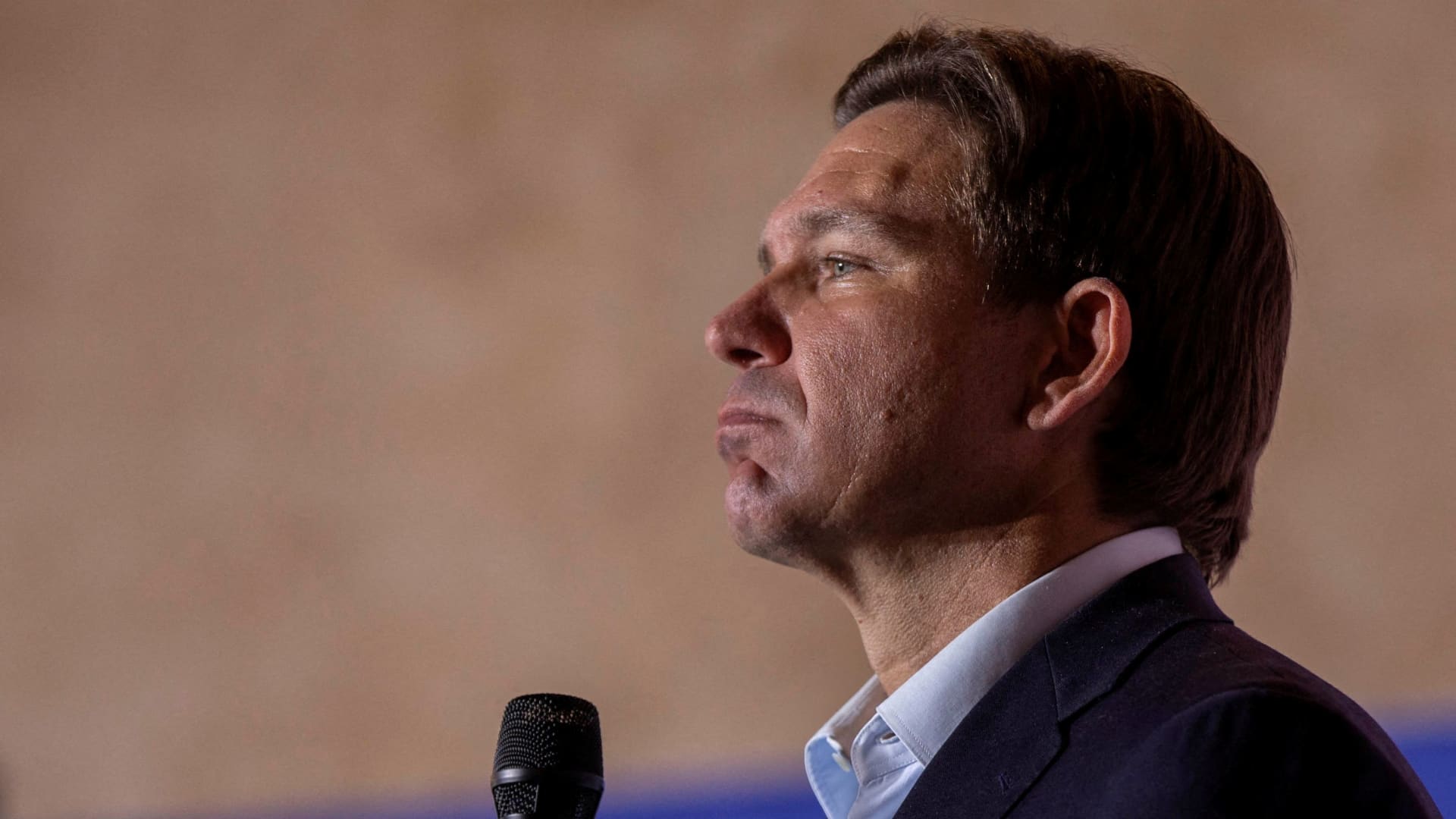
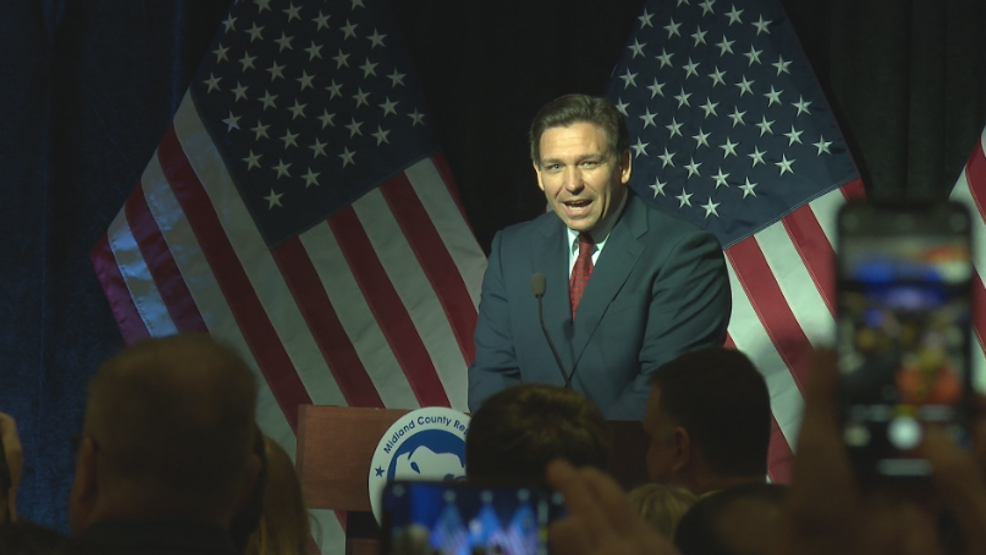
Florida Governor Ron DeSantis criticized former President Donald Trump, stating that he would be a "lame duck" president if reelected due to limitations in electability and failure to deliver on core promises. DeSantis highlighted Trump's inability to "drain the swamp" and make Mexico pay for a border wall, as well as his increase in the national debt. Despite trailing Trump in polls for the 2024 Republican presidential nomination, DeSantis expressed confidence in his own policy achievements and plans to use the budget reconciliation process to advance his agenda.
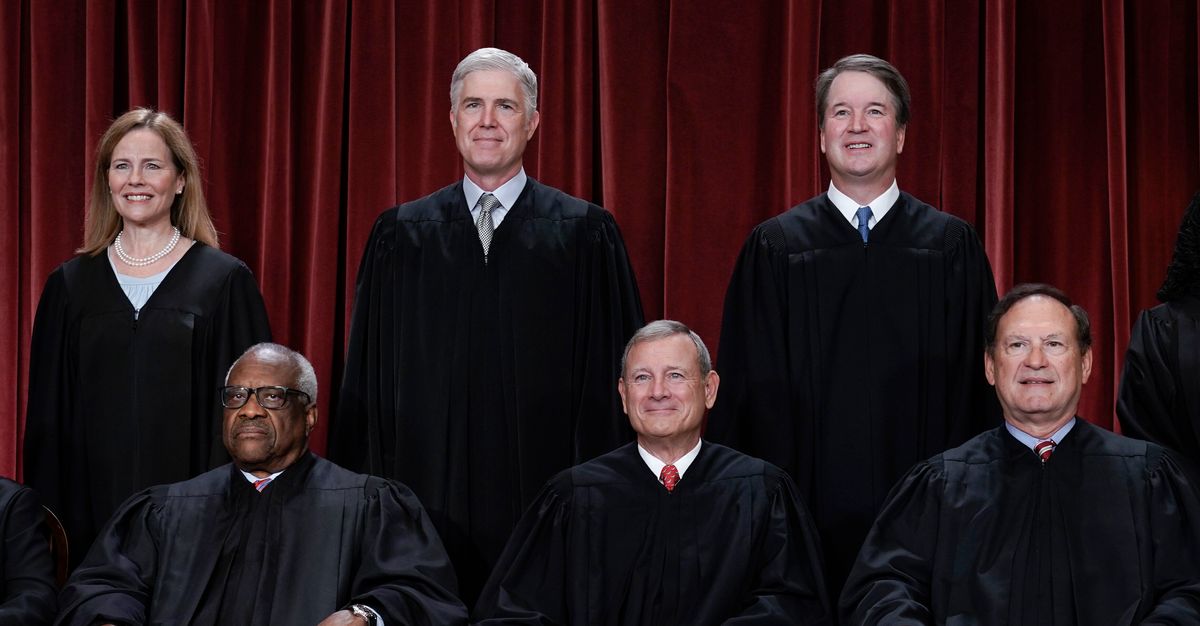
The conservative supermajority on the Supreme Court continues to roll back 20th-century rights and policies, as evidenced by recent decisions overturning Roe v. Wade, ending affirmative action, allowing discrimination against gay couples, and voiding President Biden's student loan debt relief plan. Chief Justice John Roberts' influence on the court's direction is questioned, but ultimately, the conservative movement's agenda persists regardless of his role. The court's decisions reflect a long-standing conservative goal to dismantle legal and policy advances against discrimination and limit the federal government's power. Liberals must confront the court's decisions through politics and build a political majority to counter its conservative drift.
Florida Governor Ron DeSantis traveled to Michigan to promote his state's policy agenda and criticize Michigan's COVID-19 restrictions, calling them "anti-Florida." DeSantis touted Florida's low taxes, business-friendly environment, and lack of state income tax, while also highlighting his state's handling of the pandemic. The trip is seen as a potential move to boost DeSantis' national profile as he considers a run for president in 2024.