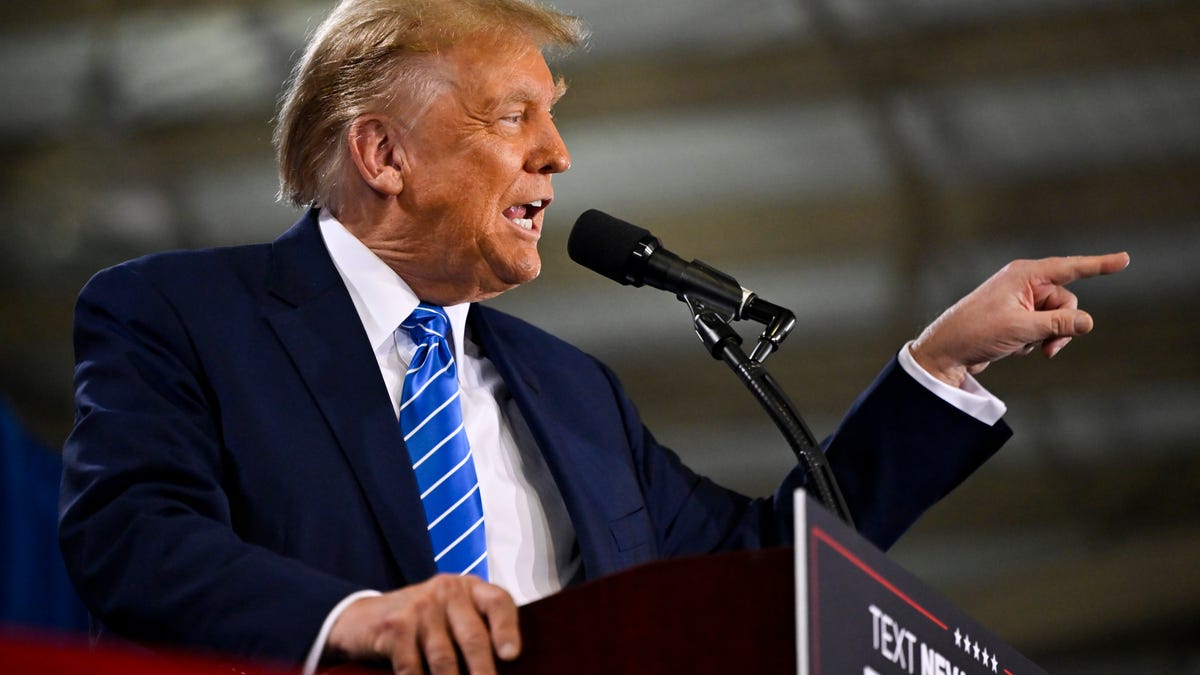
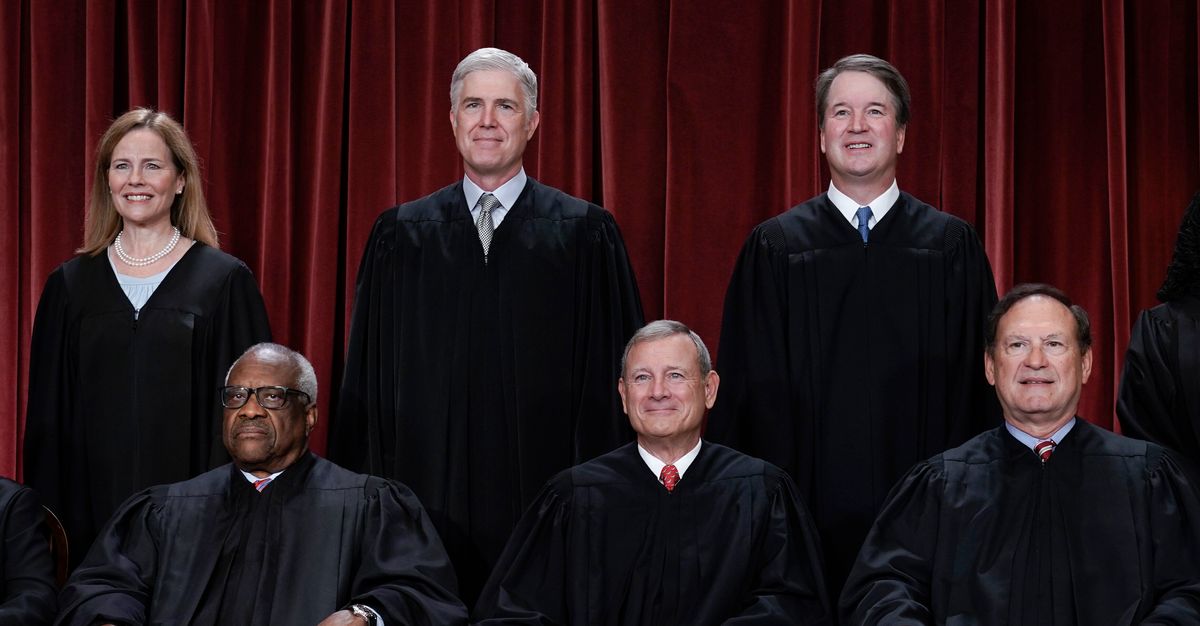
The Supreme Court, reshaped by Donald Trump into a conservative supermajority, may serve as a crucial check on his potential second term, especially if he attempts to assert extensive presidential powers with Republican control of Congress.
Despite reshaping the Supreme Court with a conservative supermajority, Donald Trump has faced significant defeats at the court, including the rejection of a Texas lawsuit and the allowance of access to his tax records. As his lawyers appear before the justices to argue a case regarding his alleged incitement of the Jan. 6, 2021 insurrection, Trump's past losses may not necessarily indicate the court's ruling in this case. If Trump were to win a second term, he could further solidify the court's conservative majority, potentially impacting future decisions on key issues such as abortion rights and presidential power.
The conservative supermajority on the Supreme Court continues to roll back 20th-century rights and policies, as evidenced by recent decisions overturning Roe v. Wade, ending affirmative action, allowing discrimination against gay couples, and voiding President Biden's student loan debt relief plan. Chief Justice John Roberts' influence on the court's direction is questioned, but ultimately, the conservative movement's agenda persists regardless of his role. The court's decisions reflect a long-standing conservative goal to dismantle legal and policy advances against discrimination and limit the federal government's power. Liberals must confront the court's decisions through politics and build a political majority to counter its conservative drift.