The order aims to address homelessness and public disorder in U.S. cities by promoting civil commitment for individuals with mental health issues, enforcing laws against vagrancy and drug use, and increasing accountability in homelessness programs, with a focus on public safety and effective treatment.
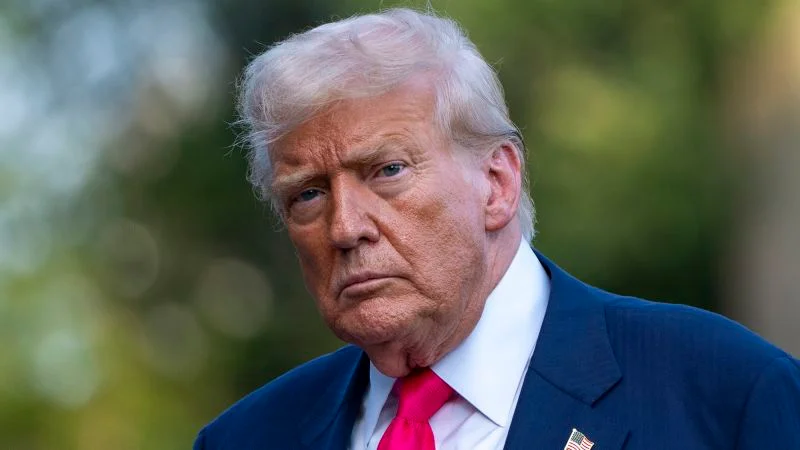
President Trump signed the HALT Fentanyl Act into law, classifying fentanyl-related substances as a Schedule I drug to combat the opioid epidemic, with emotional testimonies from families affected by fentanyl deaths.
President Trump is set to sign a bipartisan bill, the Halt All Lethal Trafficking of Fentanyl Act, aimed at cracking down on fentanyl trafficking by classifying all fentanyl-related substances as Schedule I drugs, with the goal of increasing penalties and closing legal loopholes, amidst support from law enforcement and families affected by fentanyl deaths.
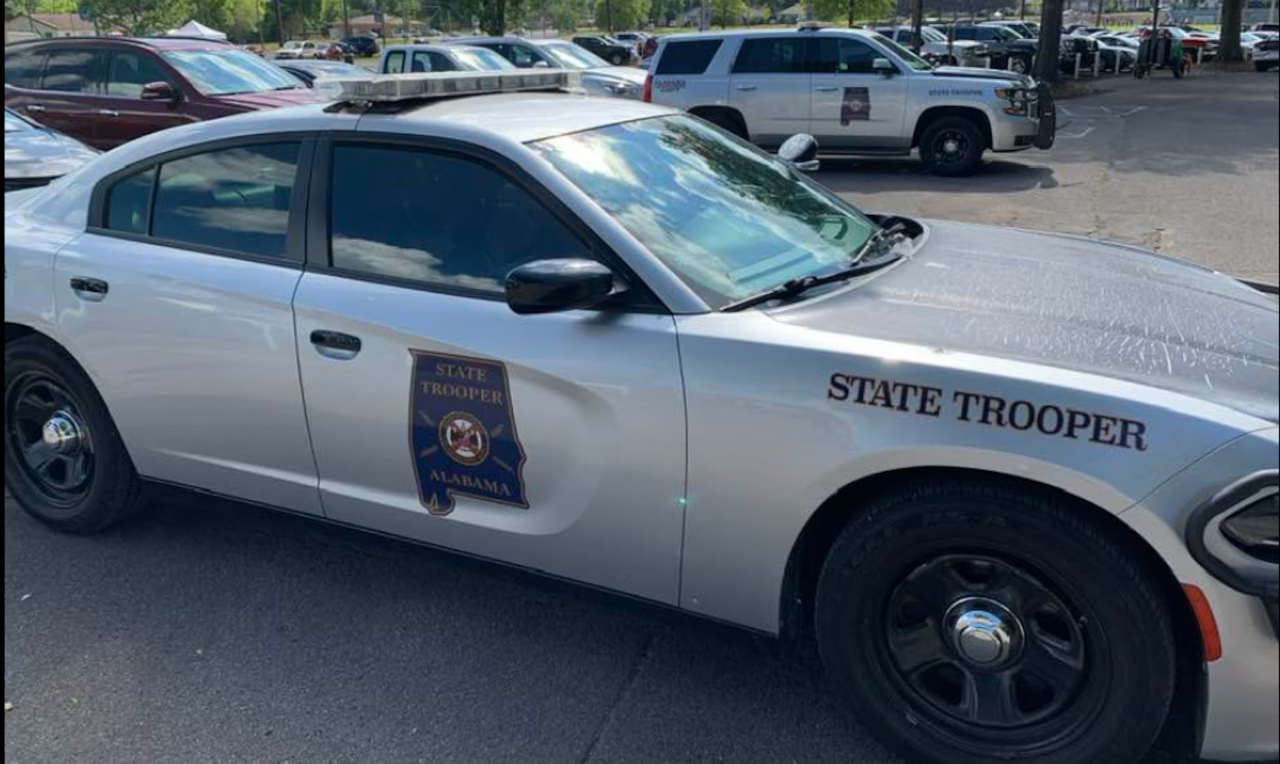
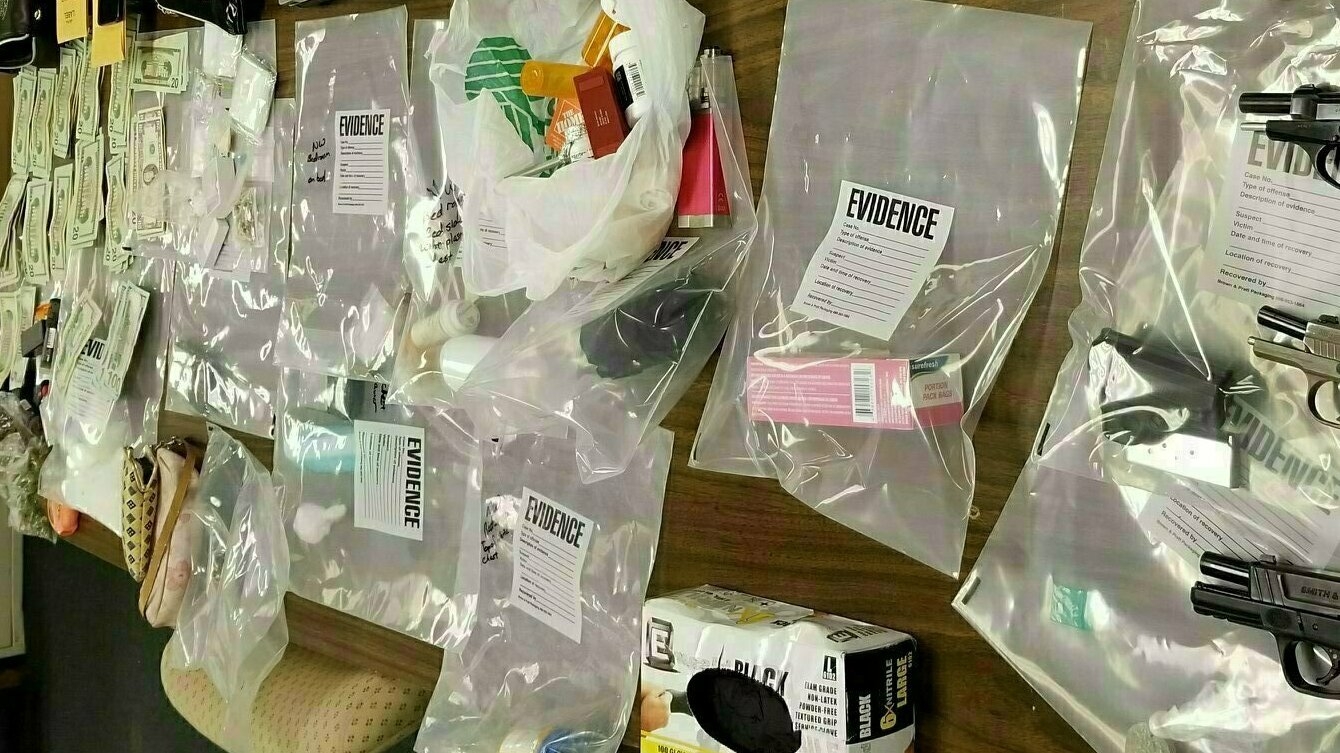
State investigators in Alabama raided CBD and vape shops in four cities, seizing marijuana and paraphernalia amid ongoing investigations into violations of marijuana laws, just before new legislation banning certain hemp and THC products takes effect.
A U.S. citizen was arrested while attempting to cross back into the United States from Mexico in a taxi, after authorities found nearly 10 pounds of fentanyl hidden in the vehicle. The estimated street value of the fentanyl was $130,000. The individual was turned over to the Drug Enforcement Administration, and the investigation is ongoing. This seizure is part of Operation Apollo, a joint regional operation aimed at combating the threat from fentanyl and other illicit synthetic narcotics.
A coalition of politicians in the US is calling for tougher police tactics against drug dealers, particularly those selling fentanyl, methamphetamines, and xylazine. However, new research published in the American Journal of Public Health suggests that drug busts and police crackdowns may actually worsen the overdose crisis. The study, based on data from Indianapolis, found that overdose rates doubled in the area surrounding a drug seizure. Experts argue that disrupting the drug market can lead to increased risks, as people with addiction may turn to more dangerous substances or experience altered tolerance levels. Critics argue that decades of tough law enforcement tactics have not effectively reduced drug supply or made communities safer. Some experts suggest that drug seizures should be part of a broader public health strategy, with better planning and coordination to prevent spikes in overdoses.
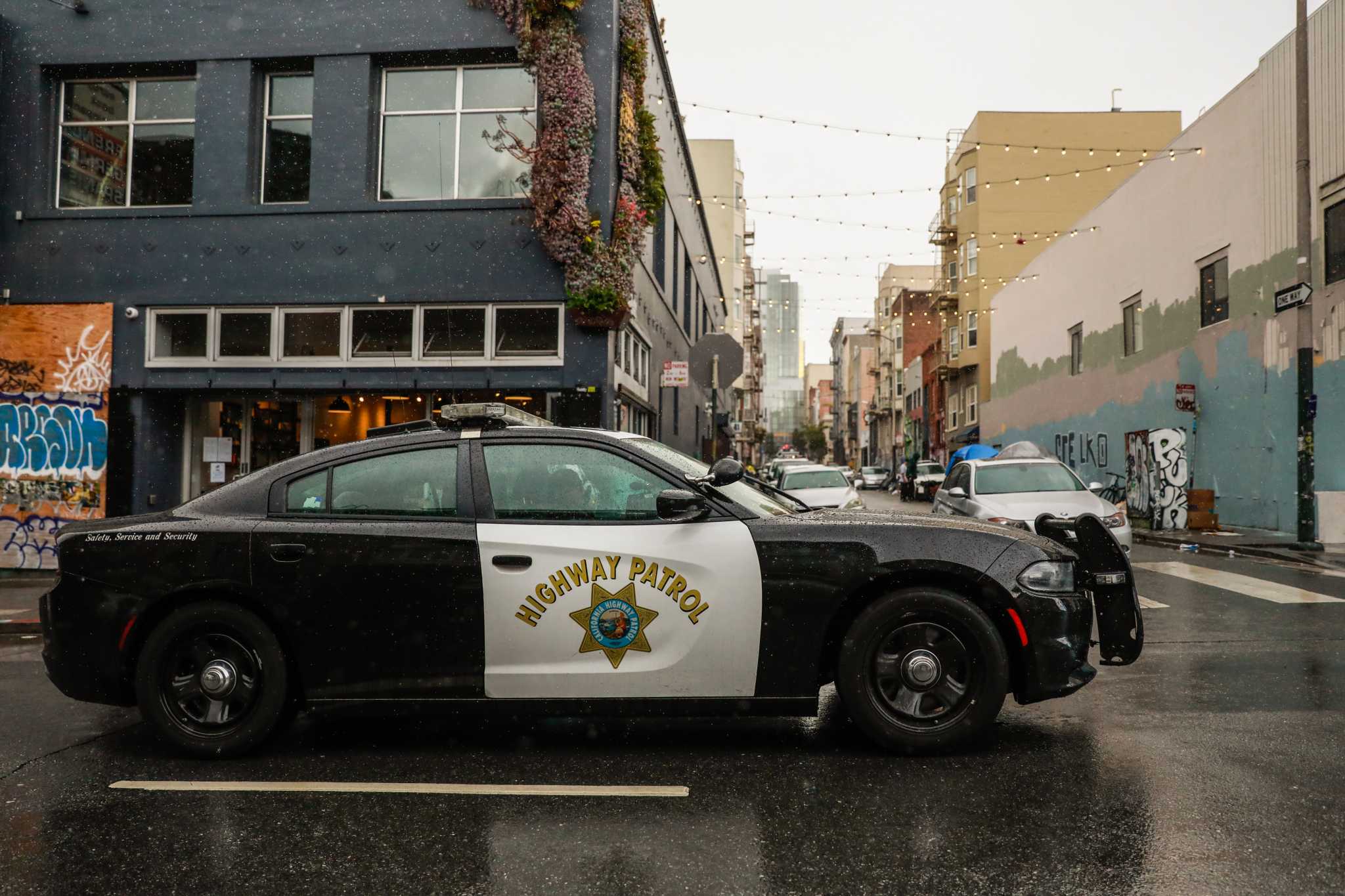
California Governor Gavin Newsom is doubling the number of state police officers deployed to San Francisco as part of a crackdown on fentanyl and open-air drug dealing. The California Highway Patrol (CHP) officers will conduct unannounced "surges" in crime hotspots to confiscate drugs and weapons and arrest dealers. Since the CHP officers began working with local police, they have seized 8.1 kilos of fentanyl and made 115 arrests. However, there are concerns about racial profiling and pretextual stops. Newsom's efforts to increase criminal penalties for fentanyl dealers have faced opposition from criminal justice reform advocates who argue for a focus on addiction and overdose treatment.