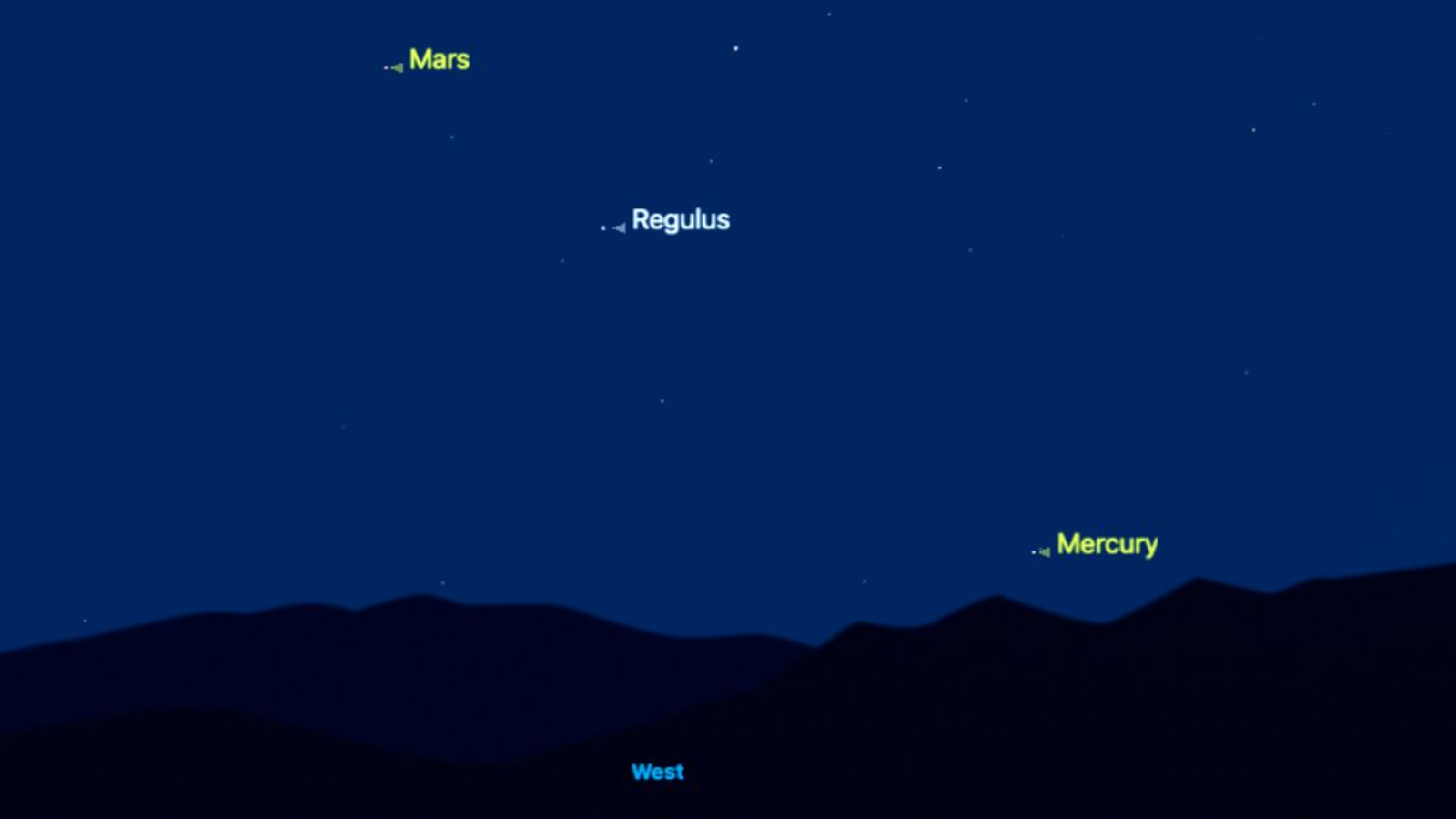
On October 29, Mercury will reach its greatest eastern elongation, making it one of the best evenings to observe the planet as it appears farthest from the sun in the twilight sky, visible near the southwestern horizon shortly after sunset.
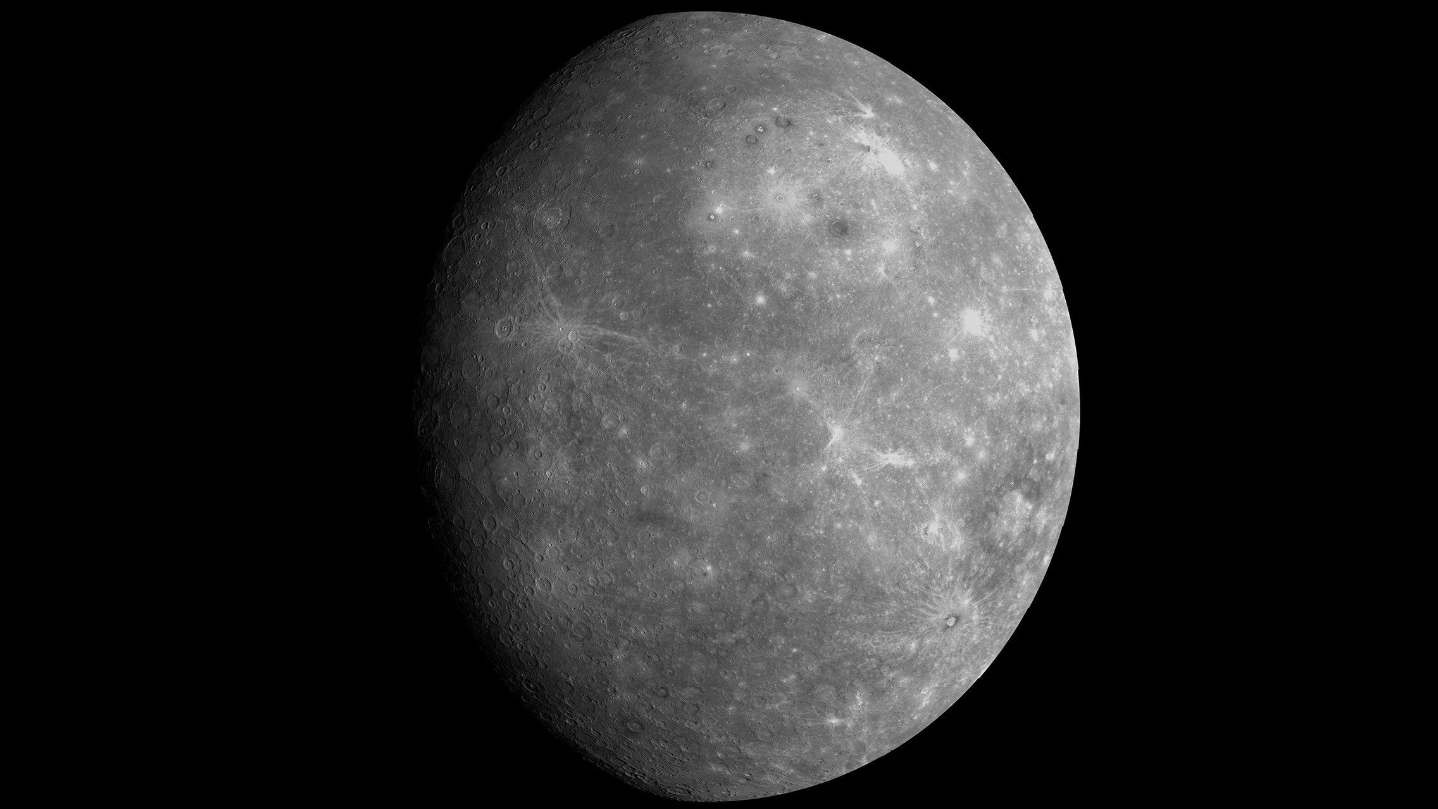
Mercury will be at its farthest from the sun on August 19, offering a prime opportunity for early risers to observe the planet low in the eastern sky during its greatest western elongation, despite its challenging visibility due to its proximity to the horizon and the rising sun.
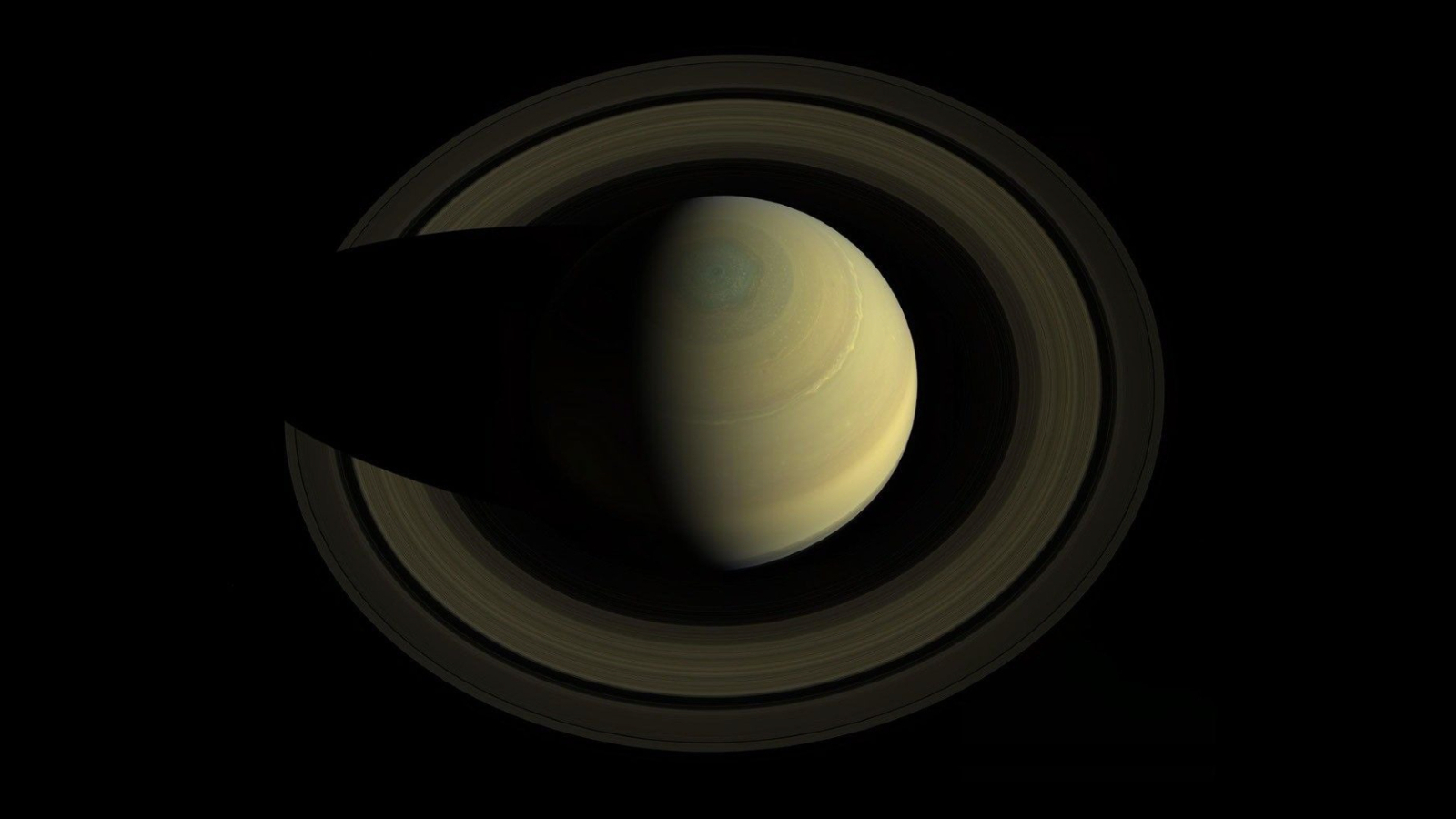
Saturn will return to the Northern Hemisphere's late night sky this week after months as a morning star, becoming increasingly visible in the evening sky until its opposition on September 21, when it will be observable throughout the night. Stargazers can enhance their viewing with telescopes, and should check local timings for optimal observation. Saturn's reappearance marks an exciting period for skywatchers until it passes close to the sun in March 2026.
Mercury reaches its greatest eastern elongation on July 4, offering a prime opportunity to observe the planet low on the western horizon just after sunset, especially in clear, unobstructed locations, as it appears as a bright 'evening star' in the constellation Cancer.