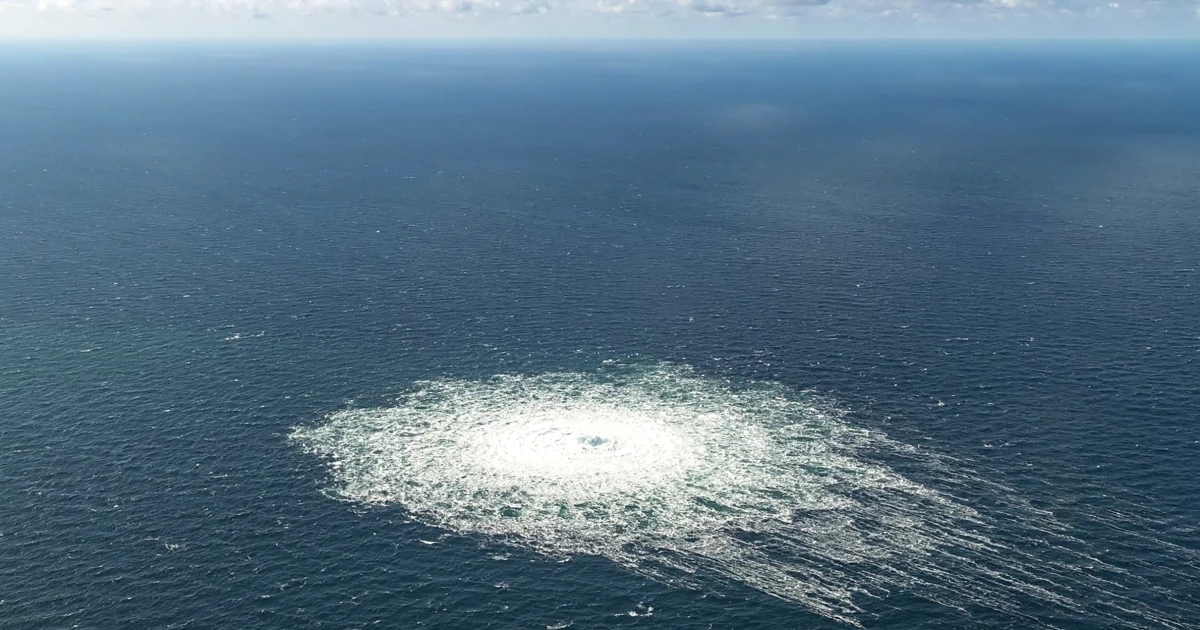
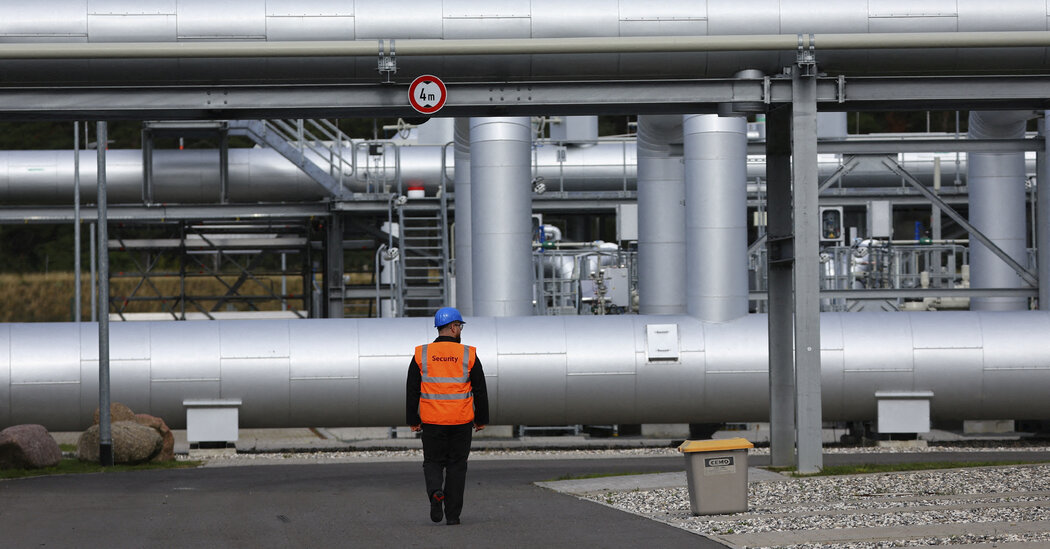
Italy has arrested a Ukrainian man suspected of coordinating the 2022 attacks on the Nord Stream pipelines near Bornholm, Denmark, involving planting devices on the pipelines, with the suspect to be transferred to Germany for trial.
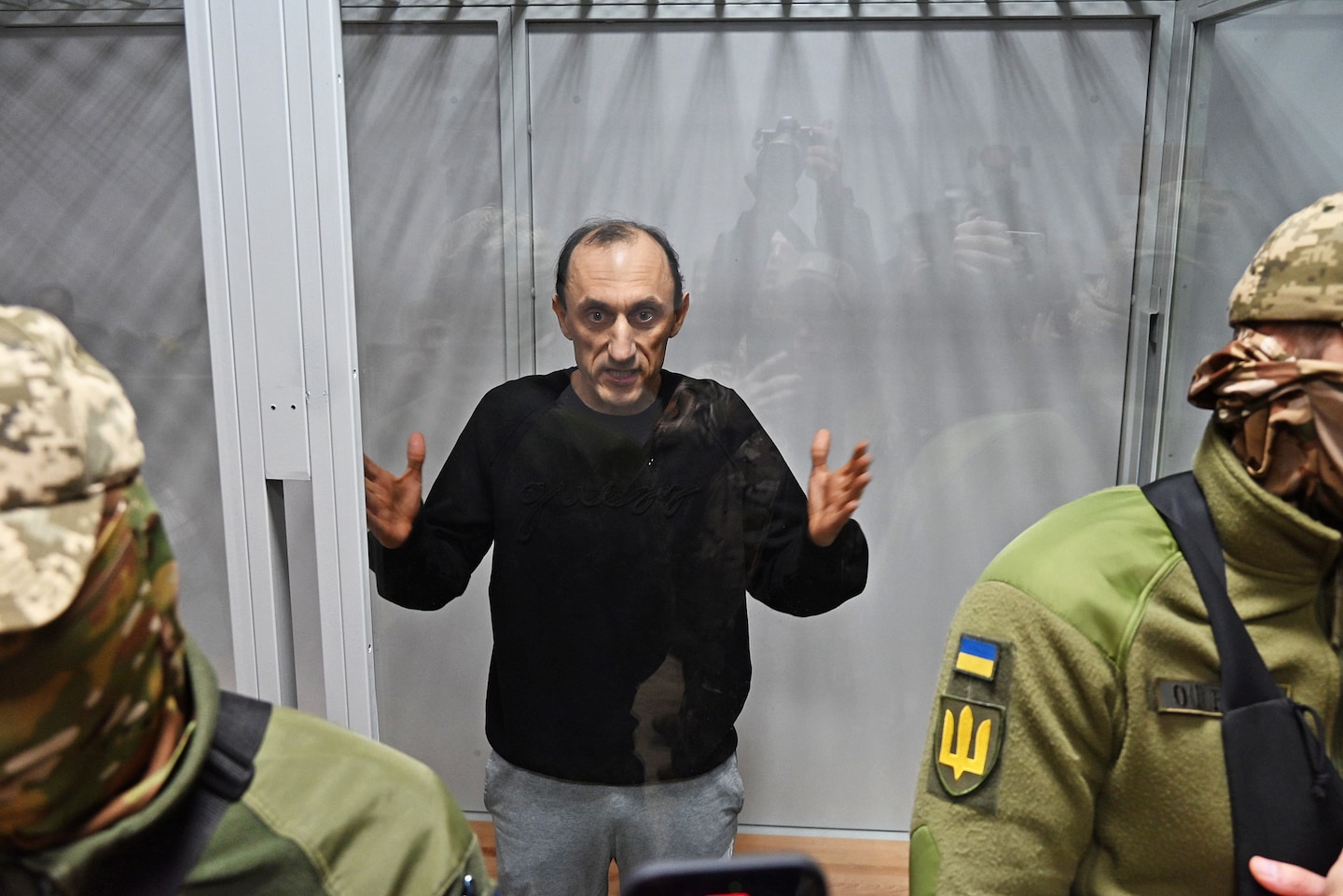
A senior Ukrainian military officer, Roman Chervinsky, with ties to the country's intelligence services, played a central role in the bombing of the Nord Stream natural gas pipeline last year, according to officials and sources. Chervinsky, who served in Ukraine's Special Operations Forces, acted as the coordinator of the operation, managing logistics and support for a team that placed explosive charges on the gas pipelines. The attack, which caused massive leaks and strained diplomatic relations, was reportedly carried out under the orders of more senior Ukrainian officials, ultimately reporting to Gen. Valery Zaluzhny. Chervinsky denies any involvement in the sabotage.
The CIA warned Ukrainian officials last summer that it had learned of a plot to attack the Nord Stream pipelines, which carry natural gas from Russia to Europe, and reinforced its objection to any such operation. Explosions destroyed parts of the pipelines in September, and American intelligence agencies now believe the operation was carried out at least with the loose direction of the Ukrainian government, but they do not know who exactly planned the operation. German investigators later learned that a group of Ukrainians had rented a boat, loaded it with explosives and attacked the pipeline.
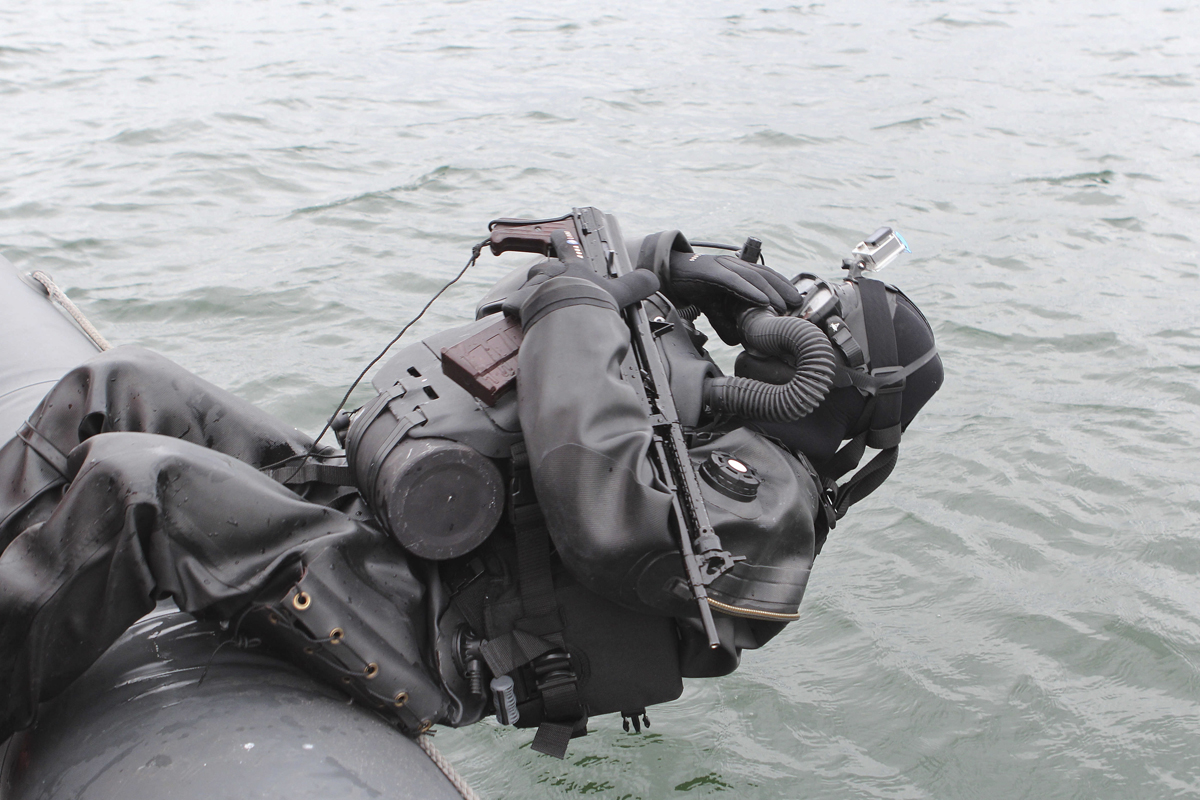
A German report suggests that the Russian Navy's exercise in the Baltic Sea a week before the Nord Stream gas pipeline attack had the right combination of assets, including mini-submarines, combat swimmers, and a spy vessel, to carry out the operation. The report also highlights suspicious movements of Russian naval assets based on satellite imagery. The findings have not yet been reflected in official statements, and the Danish government has invited Russian observers to help recover and study a mysterious object found near the pipeline. Despite the suspicions, countries are still not blaming Russia for the attack, as they maintain a parallel hardline over Ukraine.