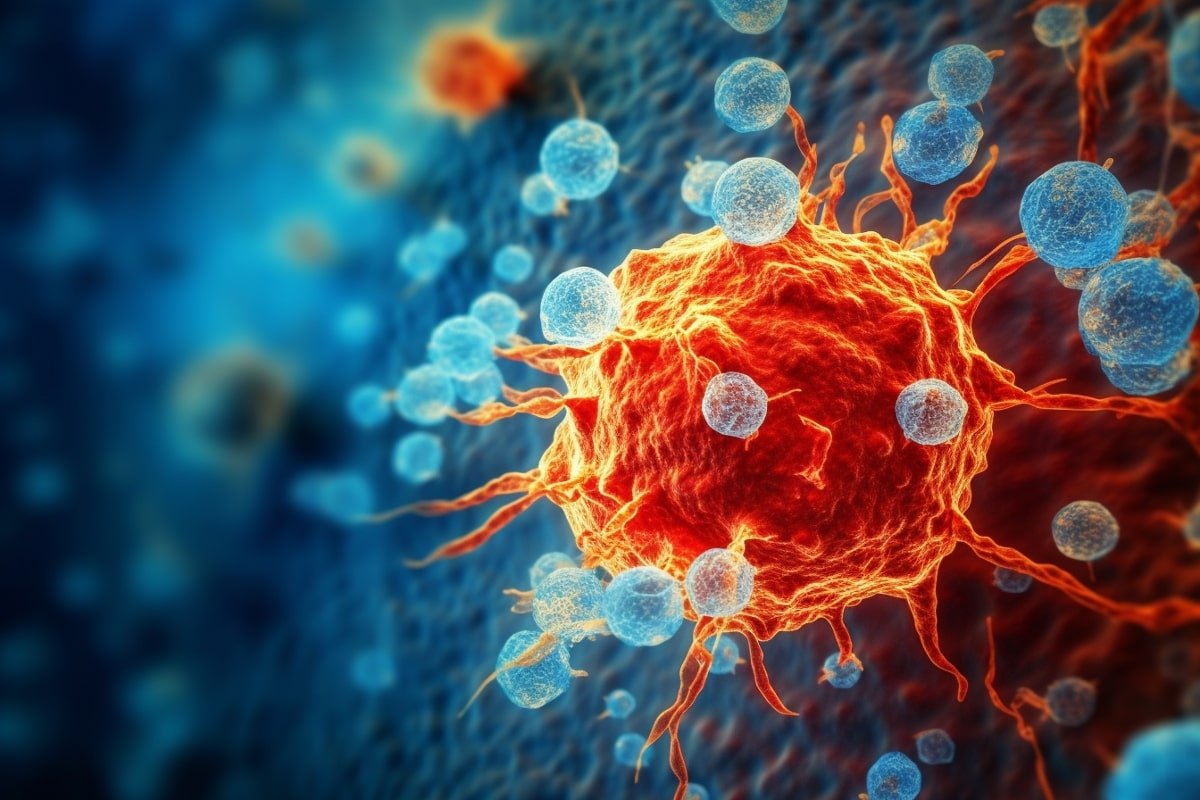
Scientists have identified PEG10, a virus-like protein, as a significant factor in the progression of ALS, a fatal neurodegenerative disease. PEG10, usually associated with placental development, changes cell behavior in a harmful way when present in high amounts in nerve tissue. This discovery opens up potential new avenues for ALS diagnosis and treatment, as researchers work to understand the molecular pathways involved and find a way of inhibiting the rogue protein.
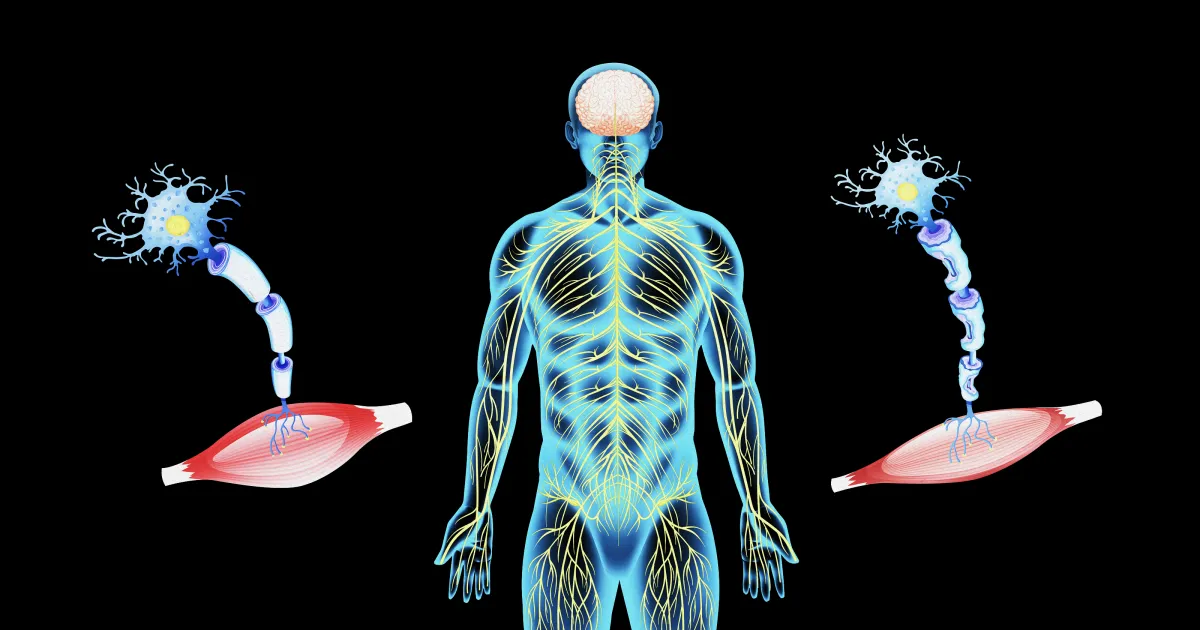
Researchers at CU Boulder have identified PEG10, an ancient virus-like protein, as a new player in ALS. PEG10 is necessary for mammals to develop placentas, but when it is overly abundant in the wrong places, it may fuel disease, including certain cancers and neurological disorders. The study has shown that PEG10 is present in high levels in the spinal cord tissue of ALS patients, where it likely interferes with the machinery enabling brain and nerve cells to communicate. The hope is that this could potentially lead to an entirely new class of potential therapeutics to get at the root cause of this disease.
Researchers discovered an unexpected link between the progression of ALS and PEG10, a protein traditionally known for its role in placental development. Overabundance of this protein in nerve tissue has been observed to alter cell behavior contributing to ALS. The team is now studying the molecular pathways involved with a view to inhibiting this rogue protein, potentially paving the way for new therapeutics.