Passkeys are a more secure and user-friendly alternative to passwords, using public-key cryptography to prevent theft and phishing, but widespread adoption is still in progress, so maintaining strong password habits remains important.
The article discusses the vulnerabilities of password-based authentication, the potential of passkeys as a more secure alternative, and the challenges and concerns related to passkey implementation, user experience, and vendor lock-in, emphasizing the importance of user-friendly and secure authentication methods.
Microsoft is discontinuing the use of passwords in its Authenticator app starting August 1, shifting users to passkeys, a safer authentication method using biometrics or PINs. Users should prepare by setting up passkeys and choosing a new password manager, with recommendations including Bitwarden and 1Password, to enhance account security and transition smoothly from traditional passwords.
Microsoft is urging its billion users to delete stored passwords within 72 hours and switch to passkeys for enhanced security, aiming to phase out passwords entirely and combat rising account attacks.
The article advises users to delete passwords stored in Google Chrome due to security risks and switch to dedicated, secure password managers that offer better protection, such as zero-knowledge encryption and hardware security, especially as major companies push for passwordless authentication methods like passkeys.
Microsoft will delete all saved passwords in its Authenticator app on August 1, urging users to export and migrate their passwords to other password managers or browsers, as part of a move to promote passkey technology and streamline security features.
Microsoft will stop supporting passwords in its Authenticator app starting next month, transitioning to passkeys which use biometric data or PINs for safer authentication. Users are advised to switch to passkeys or alternative password managers like Bitwarden or 1Password before the transition in August to enhance account security.
Microsoft is ending the autofill feature in its Authenticator App this month and will soon make saved passwords inaccessible in August 2025, urging users to switch to passkeys for enhanced security, as passwords are increasingly vulnerable to breaches.
Microsoft is ending support for saved passwords in its Authenticator app by August, urging users to switch to passkeys for enhanced security, as traditional passwords become obsolete due to increasing cyber threats.
The article warns against using common and easily guessable PIN codes, listing the top 50 most used and insecure PINs, and advises switching to longer, more complex PINs or passwords for better security, especially emphasizing the risks of using four-digit PINs and the importance of avoiding predictable patterns.
Apple has released an official iCloud Passwords extension for Firefox, allowing users to sync their iCloud passwords on macOS Sonoma or later. However, the extension does not support Windows. Windows users can still access iCloud passwords via iCloud for Windows and extensions for Chrome or Edge. Apple has taken over the development of the Firefox extension, previously managed by another developer.
Apple has released an iCloud Passwords add-on for the Firefox browser, allowing users to access and manage their iCloud Keychain passwords directly from Firefox. This move expands the accessibility of Apple's password management system beyond its own Safari browser, providing more flexibility for users who prefer or need to use Firefox.
As passwords become increasingly insecure due to common usage of simple combinations like "123456" and "password," tech companies like Mastercard and Microsoft are shifting towards biometric and passkey methods for authentication. However, these new methods are not foolproof, as hackers continue to find ways to exploit security systems. Businesses must remain vigilant by training employees, updating security software, and managing risks, as the battle between security measures and cyber threats is ongoing.
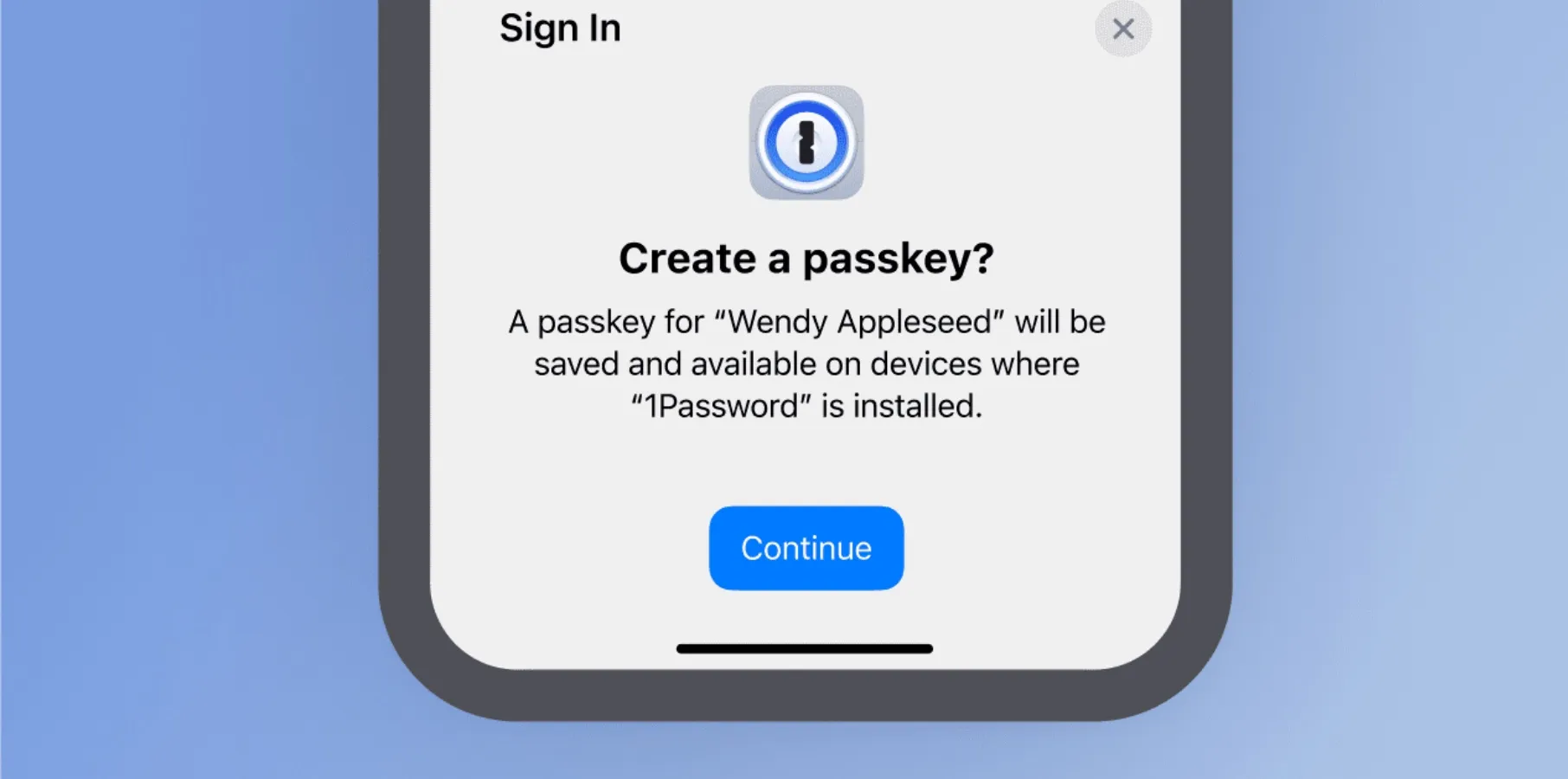
Passkeys, which use biometrics for authentication, are gaining traction as a more secure alternative to traditional passwords. 1Password reports significant growth in passkey adoption, with over 4.2 million passkeys saved and 206 companies offering passkey login options. Despite this progress, widespread adoption depends on more services supporting passkeys. Users are encouraged to use password managers to store both passwords and passkeys securely.
NordPass has released its annual list of the most common and easily crackable passwords, revealing that many people still use simple combinations like "123456" and "password," which can be cracked in less than a second. The study analyzed a 2.5-terabyte database of passwords from 44 countries, highlighting the risks of using predictable passwords. To enhance security, NordPass recommends using passwords that are at least 20 characters long with a mix of letters, numbers, and symbols, and suggests considering passkeys for more secure authentication.