Google is discontinuing its free dark web monitoring tool in early 2026, citing user feedback that it didn't provide helpful guidance after detecting personal information leaks. The company will focus on developing tools that offer clear, actionable steps for users to protect themselves.

Google is shutting down its dark web monitoring service that scanned data breaches for user information, reflecting changes in cybersecurity and privacy strategies.
The article highlights various high-profile security failures caused by weak passwords, including a Louvre CCTV breach, a US pipeline ransomware attack, nuclear launch code vulnerabilities, a UK business collapse due to hacking, and scandals involving phone hacking and political data breaches, emphasizing the importance of strong, unique passwords and layered security measures.
A survey reveals that 1 in 5 high schoolers have had or know someone with a romantic AI relationship, with many using AI for companionship, raising concerns about data breaches, trust, and student wellbeing, highlighting the need for better AI literacy and safeguards in education.
AT&T is offering a settlement of up to $7,500 for affected customers due to two data breaches in 2024, impacting millions of account holders' personal information; eligible customers will receive notices and can file claims.
AT&T has agreed to pay $177 million to customers affected by two data breaches in 2019 and 2024, with higher payouts for those who can prove damages. The settlement, approved by a Texas judge, will distribute funds starting early next year, with claims opening on August 4. Customers impacted may receive up to $5,000 for the 2019 breach and $2,500 for the 2024 breach, depending on proof of damages.
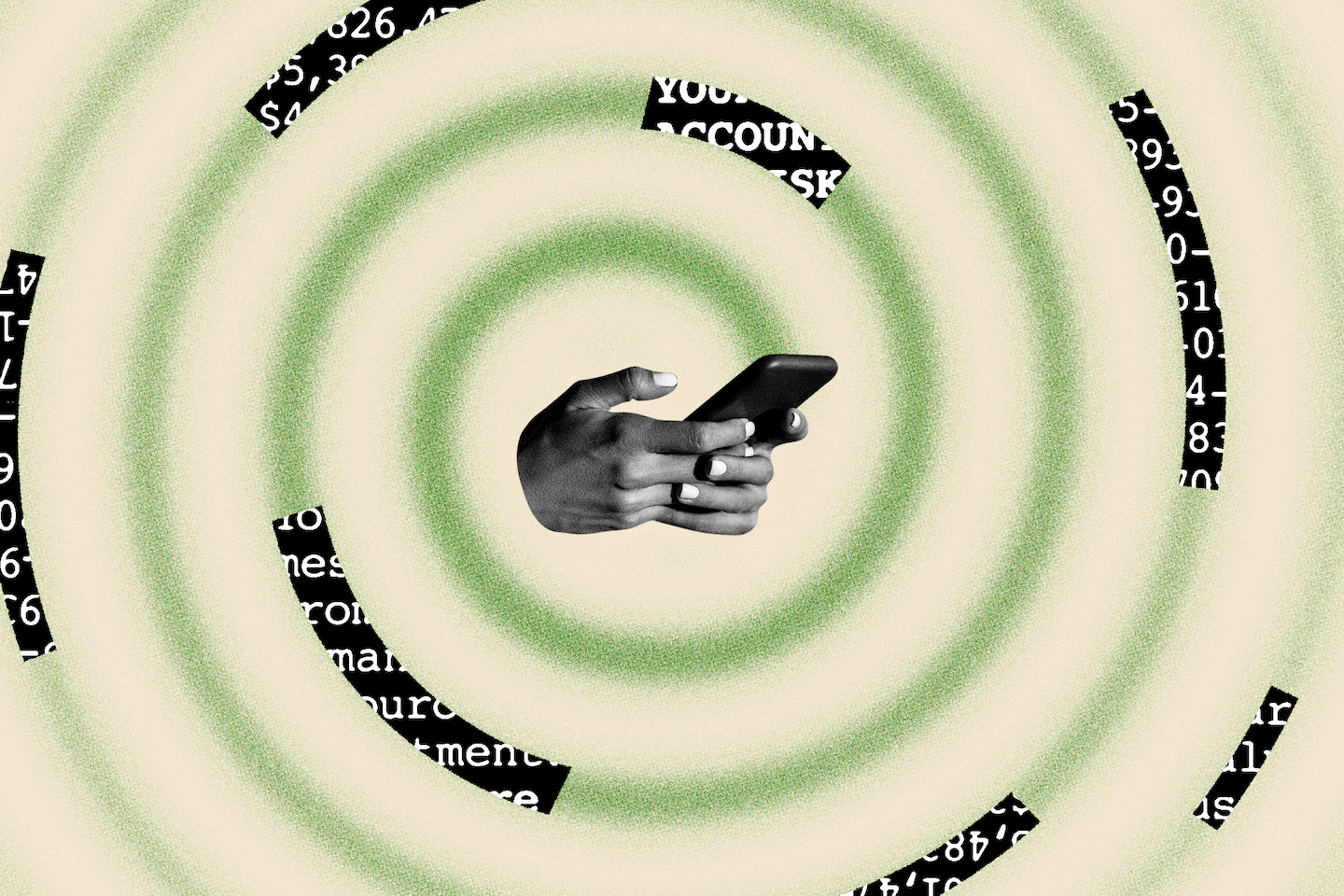
Hackers are leveraging artificial intelligence to exploit vast amounts of personal data from online leaks and unregulated databases, posing significant privacy threats to consumers and professionals. These cybercriminals, including those from hostile nations, use sensitive information to craft convincing scams that appear to be from trusted sources, aiming to gain unauthorized access to bank and corporate accounts.
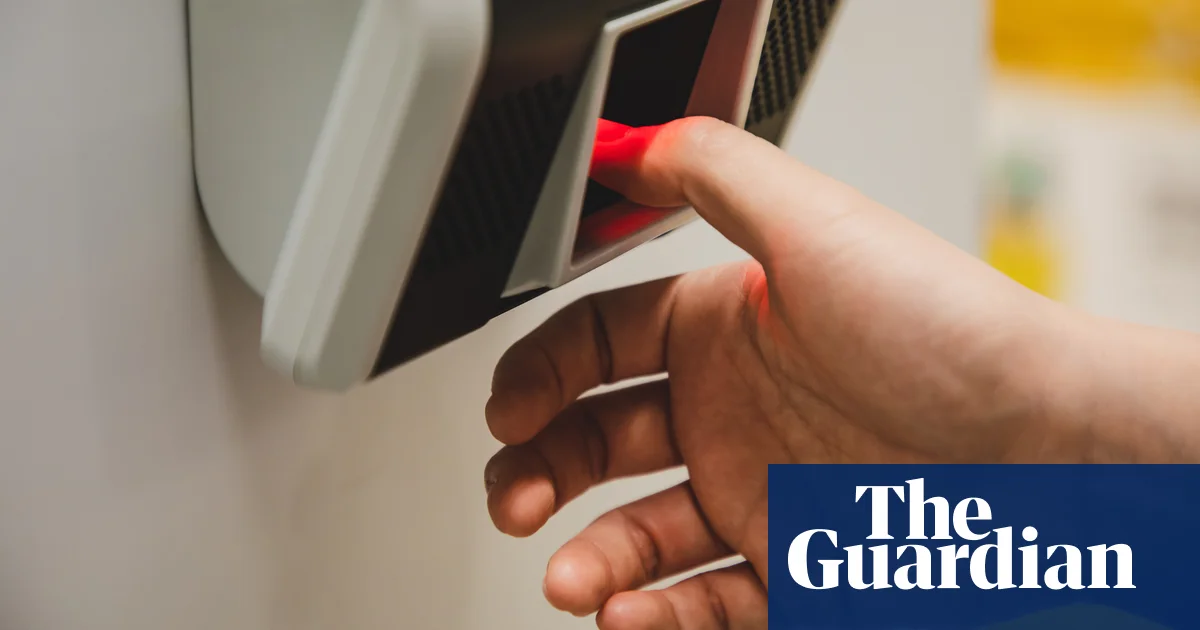
As passwords become increasingly insecure due to common usage of simple combinations like "123456" and "password," tech companies like Mastercard and Microsoft are shifting towards biometric and passkey methods for authentication. However, these new methods are not foolproof, as hackers continue to find ways to exploit security systems. Businesses must remain vigilant by training employees, updating security software, and managing risks, as the battle between security measures and cyber threats is ongoing.
NordPass has released its annual list of the most common and easily crackable passwords, revealing that many people still use simple combinations like "123456" and "password," which can be cracked in less than a second. The study analyzed a 2.5-terabyte database of passwords from 44 countries, highlighting the risks of using predictable passwords. To enhance security, NordPass recommends using passwords that are at least 20 characters long with a mix of letters, numbers, and symbols, and suggests considering passkeys for more secure authentication.
NordPass has released its annual list of the 200 most common passwords, revealing that many people still use easily crackable passwords like '123456' and 'password.' The study analyzed a 2.5 terabyte database of passwords from 44 countries, highlighting the risks of using simple, common passwords. To enhance security, NordPass recommends using passwords that are at least 20 characters long, incorporating a mix of letters, numbers, and symbols, and considering passkeys for more secure authentication.
The Identity Theft Resource Center reported a record 3,205 data compromises in 2023, with over 353 million victims of ID theft, while the number of breach notices without specific information nearly doubled. With a lack of federal law requiring companies to notify customers of breaches, consumers are advised to freeze their credit, use strong passwords, enable two-factor authentication, watch for phishing attempts, and follow breach notice advice to protect themselves.
Payment fraud incidents have surged, leading to consumer skepticism towards payment apps aggregating and connecting payment information. Concerns about data breaches and vulnerability to fraud are widespread, with 45% of consumers fearing data breaches and 34% feeling more vulnerable to fraud. Financial institutions are witnessing an increase in fraud cases and losses, prompting them to enhance preventive measures using artificial intelligence and machine learning. The adoption of AI solutions has led to a decline in overall fraud rates, highlighting the effectiveness of this technology in preventing fraud.
BlackBerry, the Canadian technology company, has reported a surprise quarterly profit driven by strong demand for its cybersecurity services amid increasing online threats. While overall IT spending has decreased, cybersecurity-related expenditure has remained stable as businesses and governments prioritize strengthening their systems against hackers. BlackBerry plans to separate its IoT and Cybersecurity businesses into fully standalone divisions and simplify its corporate structure to allow each business unit to operate independently and profitably. The company expects fourth-quarter revenue in the range of $150 million to $159 million.
BlackBerry, the Canadian technology company, has reported a surprise quarterly profit driven by strong demand for its cybersecurity services amid increasing online threats. While overall IT spending has decreased, cybersecurity-related expenditure has remained stable as businesses and governments prioritize strengthening their systems against hackers. BlackBerry plans to separate its IoT and Cybersecurity businesses into fully standalone divisions and simplify its corporate structure to operate independently and profitably. The company expects fourth-quarter revenue in the range of $150 million to $159 million.
A new rule from the Securities and Exchange Commission (SEC) requires public companies to report data breaches within four business days of determining them to be "material." Currently, companies take around 80 days to report incidents, but the new rule aims to expedite the process and provide more transparency. The ambiguity of what constitutes a "material" cybersecurity incident poses a challenge, as determining severity may require internal review. The rule also mandates that companies provide more details about the nature, scope, and timing of incidents. The goal is to increase awareness and prompt quicker responses to data breaches, which have become increasingly common and impactful.