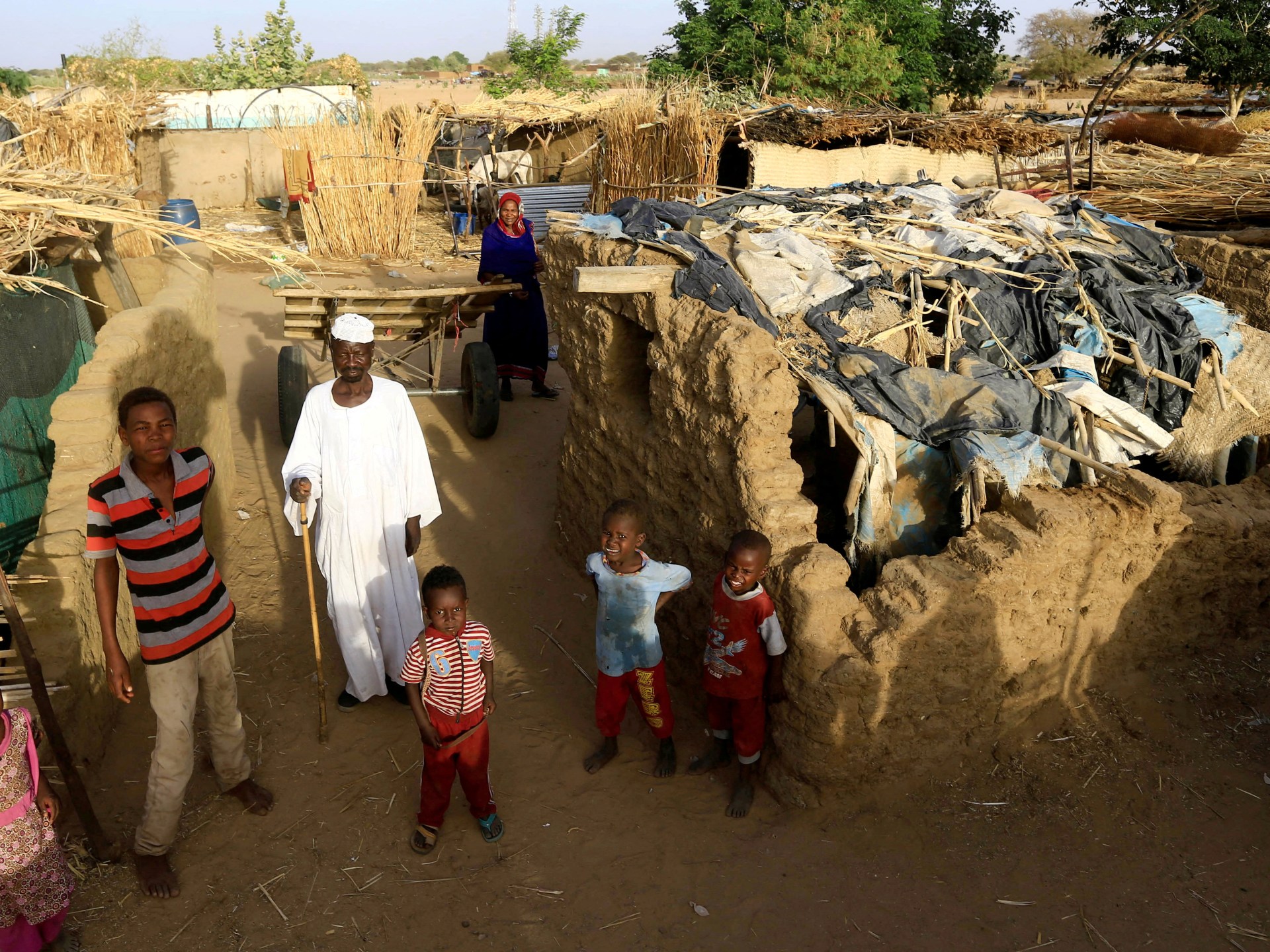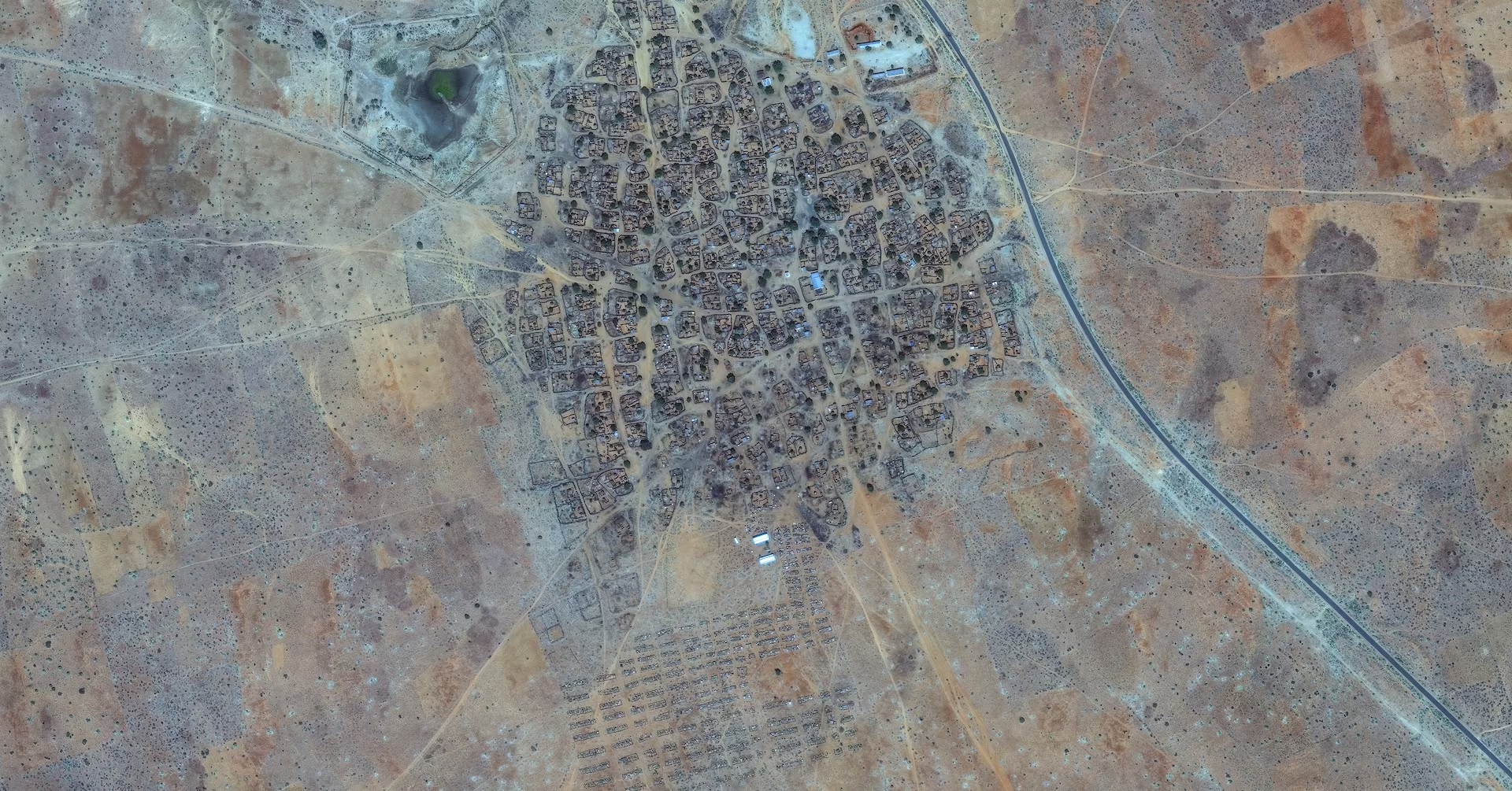
Aid workers visiting al-Fashir, Sudan, found the city largely deserted following a paramilitary takeover, with over 100,000 fleeing amid reports of violence, mass killings, and detentions. The remaining population appears to be mostly those unable to leave due to age or injury, and the city shows signs of significant trauma and destruction. The situation remains dire, with ongoing concerns for the injured and missing, and limited access for humanitarian aid.
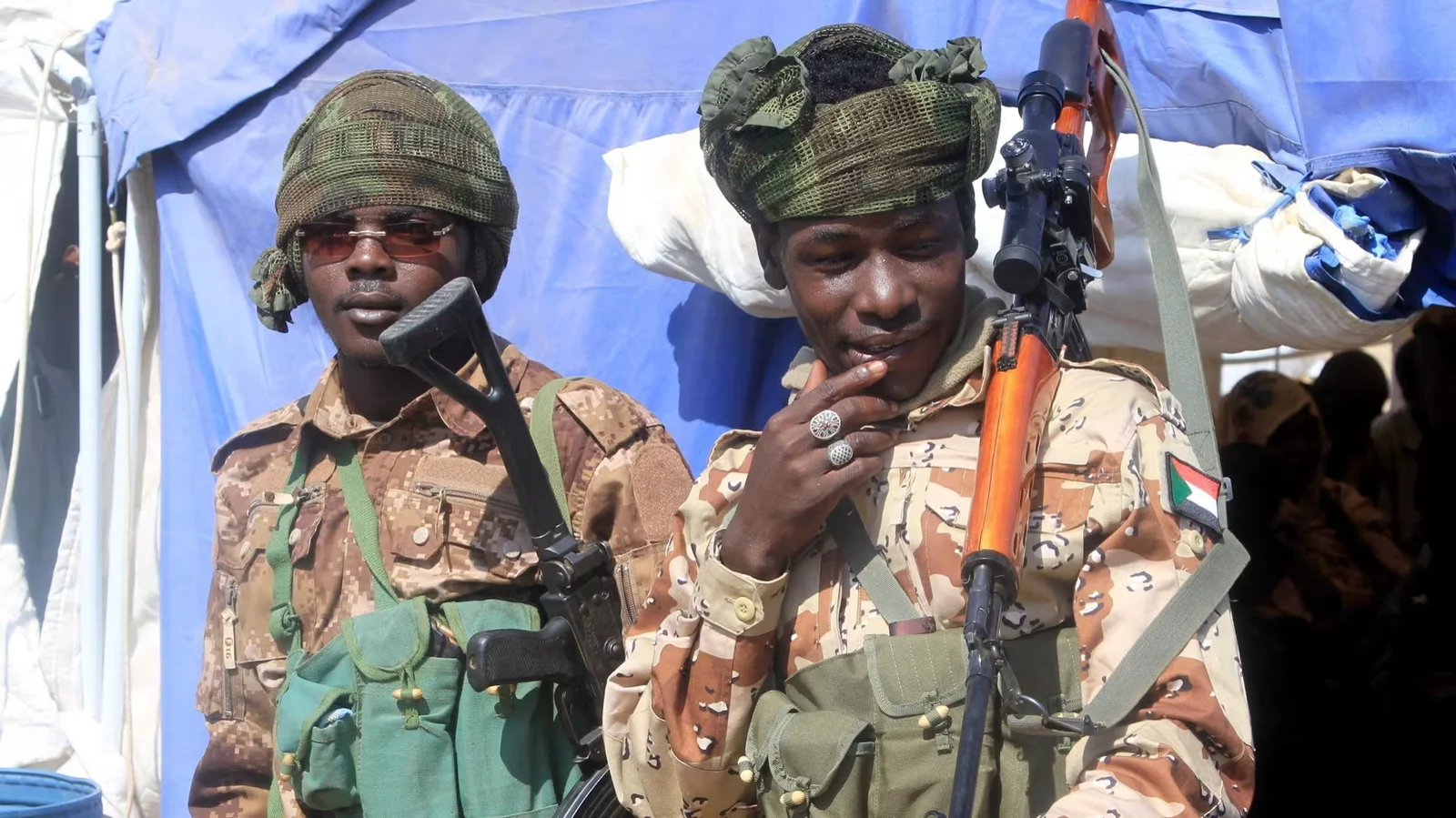
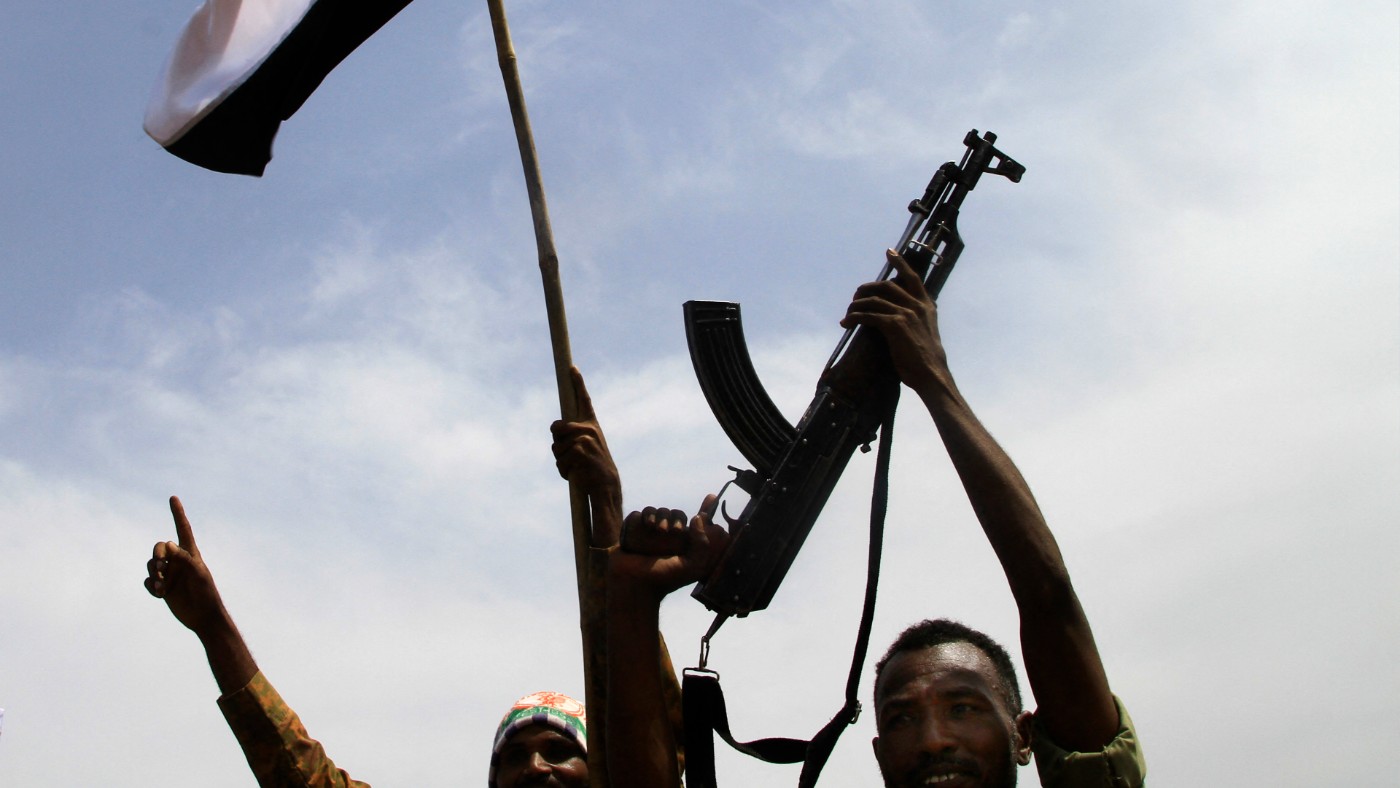
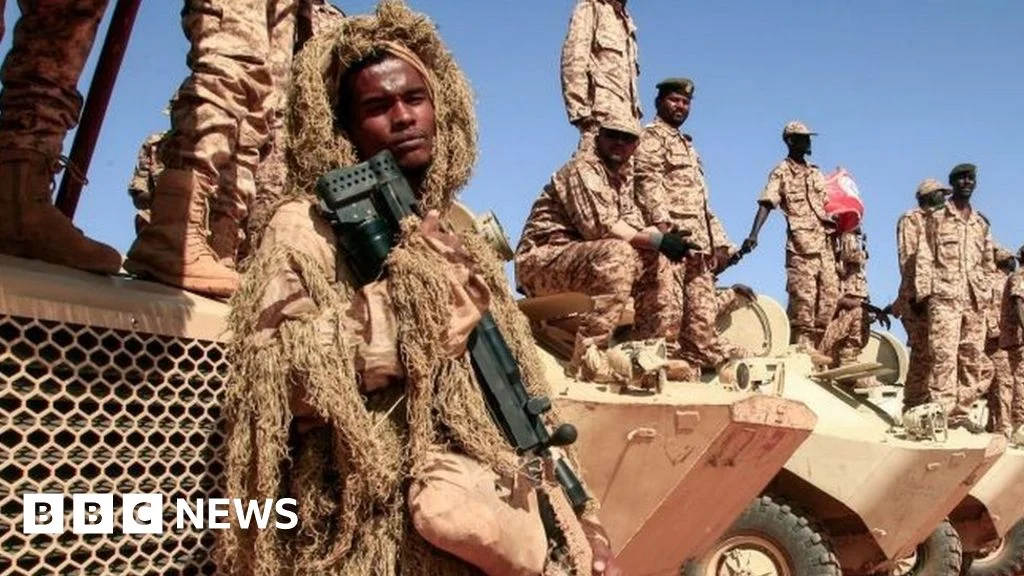
Radical democratic activists who were previously repressed by Sudan's military are now fighting alongside the army against the Rapid Support Forces (RSF) paramilitary. Sudanese revolutionaries, including members of resistance committees and radical youth organizations, have joined army training camps to defend themselves against the widespread violations committed by the RSF. However, not all Sudanese revolutionaries support the army, as some view both the army and RSF as counter-revolutionary powers. The presence of militant groups, such as Al-bara bin Malik, within the army highlights the complex political dynamics at play in Sudan's ongoing conflict.
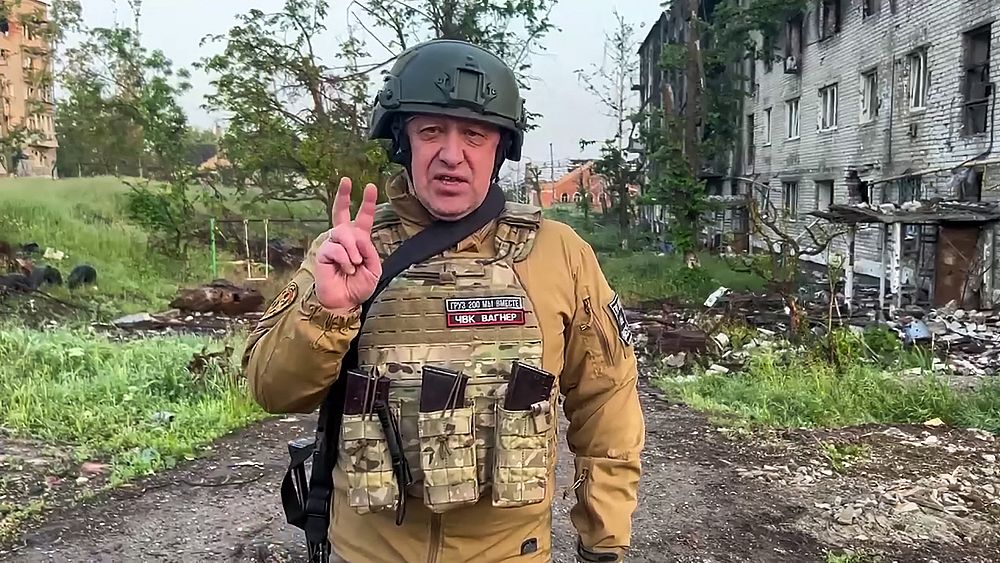
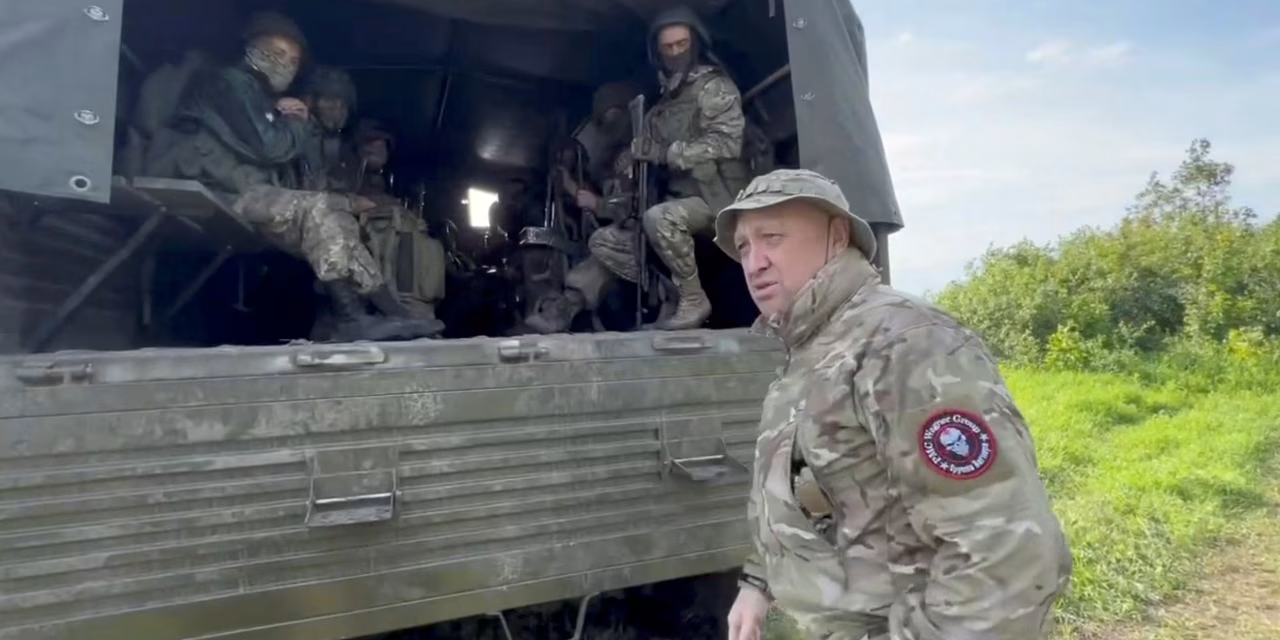
A video allegedly recorded by a Wagner Group field commander, known as "Berserk," suggests that the paramilitary organization led by Yevgeny Prigozhin is prepared for global events and turmoil. The authenticity of the video has not been verified, and Russia's Foreign Ministry has been contacted for comment. Prigozhin recently led a march towards Moscow but pulled back after a deal was brokered by Belarusian President Alexander Lukashenko. The video hints at a potential alliance with the Akhmat special forces unit led by Chechen leader Ramzan Kadyrov. The Kremlin has downplayed Prigozhin's rebellion, with President Putin stating that "Wagner does not exist" due to the absence of a law on private military organizations in Russia.
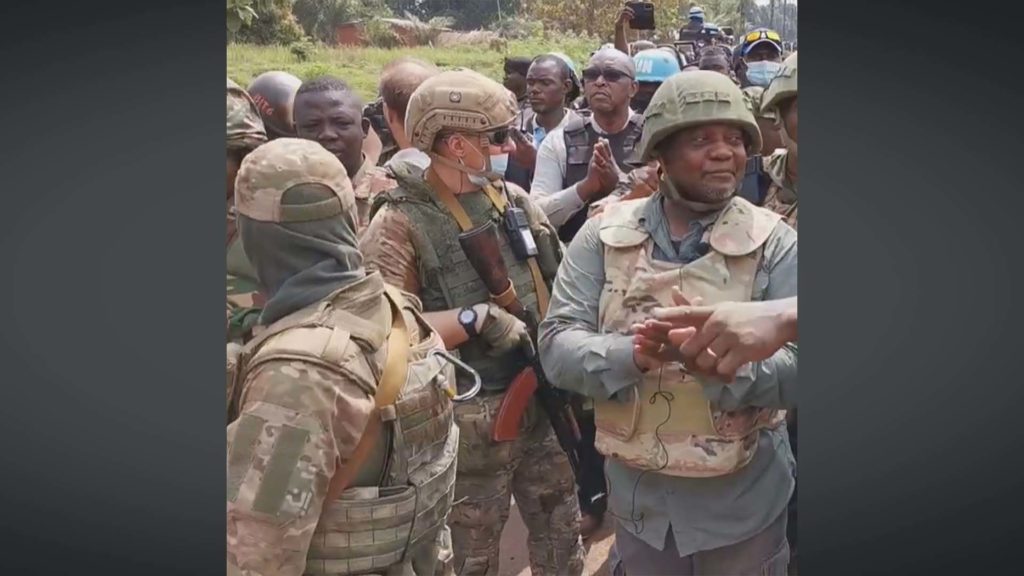
Questions remain about the future of the Wagner Group following the failed mutiny in Russia, as Wagner boss Yevgeny Prigozhin has not been seen since agreeing to halt the rebellion. Satellite images suggest newly built military bases in Belarus that could house Wagner mercenaries. The US has imposed sanctions on gold companies suspected of funding the group's activities in Africa, where thousands of Wagner fighters have been deployed since 2017. Wagner troops may continue to remain in Africa, according to Russian Foreign Minister Sergey Lavrov. The group's presence in Africa is most significant in the Central African Republic, Mali, Sudan, and Libya, where they support Russian foreign policy interests and engage in the gold trade.
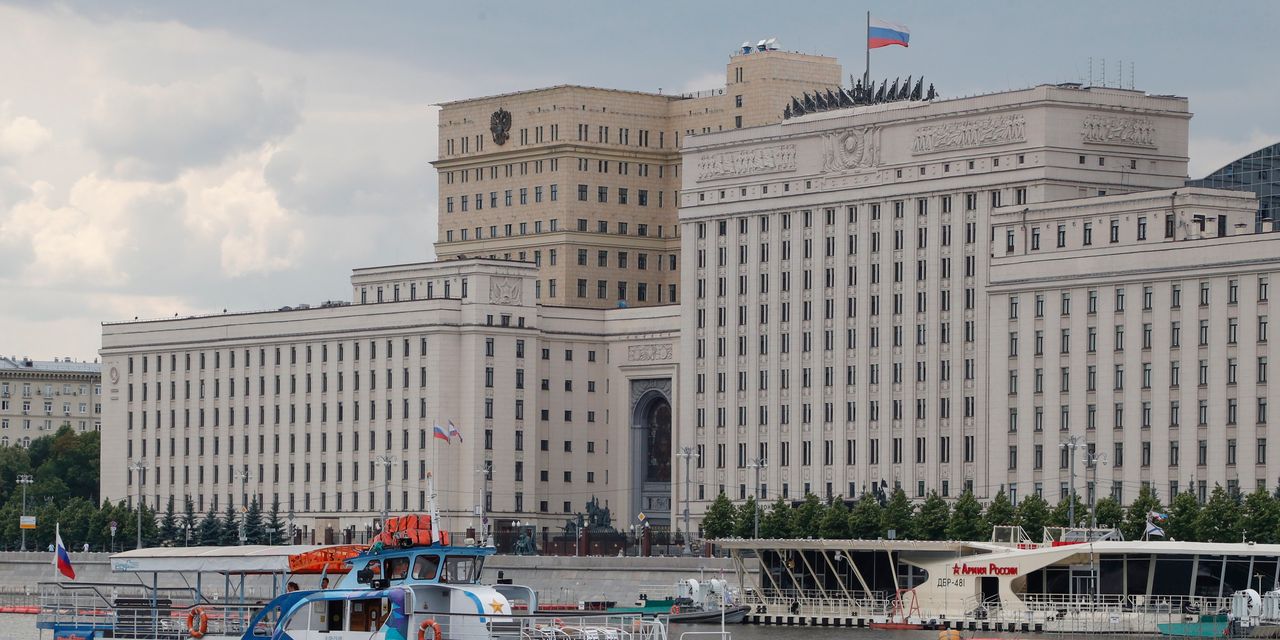
The Russian Ministry of Defense announced that the Wagner paramilitary group, which recently launched a mutiny, is preparing to hand over its heavy weapons, indicating that it may be disbanded as an autonomous force in the coming days. Russia is shoring up its internal security forces in response.
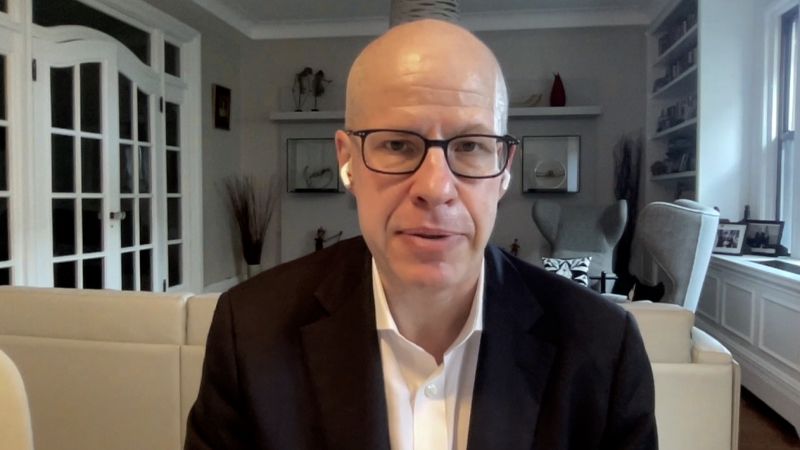
Washington Post columnist Max Boot warns of the potential consequences of the conflict between the Russian paramilitary Wagner Group and Russian President Vladimir Putin, calling the group Putin's "Frankenstein's monster."
The Sudanese army has been largely absent from the streets of Khartoum during the two-month conflict, leaving much of the capital under the control of the rival paramilitary Rapid Support Forces (RSF), despite being twice the size of the RSF. The RSF is in control of key sites in and around the three cities, including the main oil terminal, state media's headquarters, and much of the international airport. The army has relied on militias in the past, and its history of racism and slavery has hindered its effectiveness.
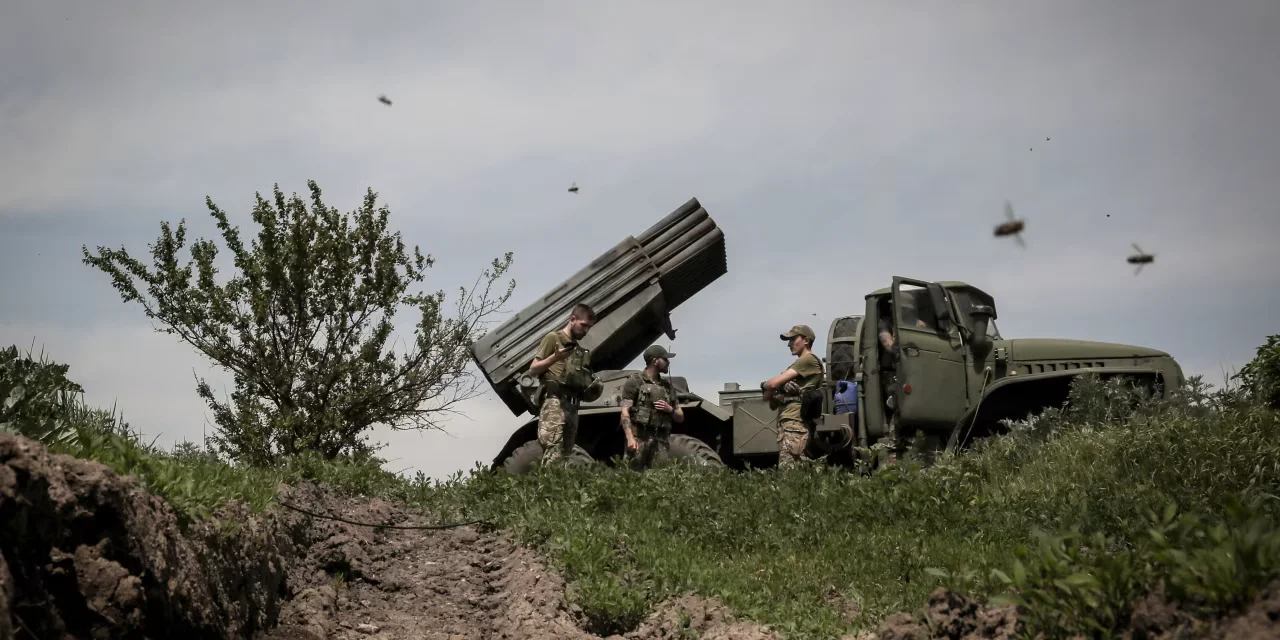
Wagner paramilitary soldiers and members of other armed groups have been ordered to pledge allegiance to the Russian leadership as the Russian Defence Minister attempts to take direct control of the group. Wagner leader, Yevgeny Prigozhin, has pledged to boycott the contracts, causing arguments between military bosses and Wagner. Meanwhile, Russian troops are reported to be suffering from low morale and shortages of ammunition, while Ukraine's military recaptured a southeastern village and Russian forces claimed to repel multiple attacks in the area.
A public feud between two powerful Russian warlords has exposed the cracks in President Putin's war machine, following the withdrawal of the paramilitary group Wagner from the Ukrainian city of Bakhmut. The feud comes ahead of an expected Ukrainian offensive and reveals the rifts within the Kremlin's military operations.
The Russian paramilitary group Wagner claims to have taken full control of Bakhmut, Ukraine, after months of brutal combat. The city has become a symbol of national resistance. The Ukrainian government says its forces are still holding out in several industrial and infrastructure sites.
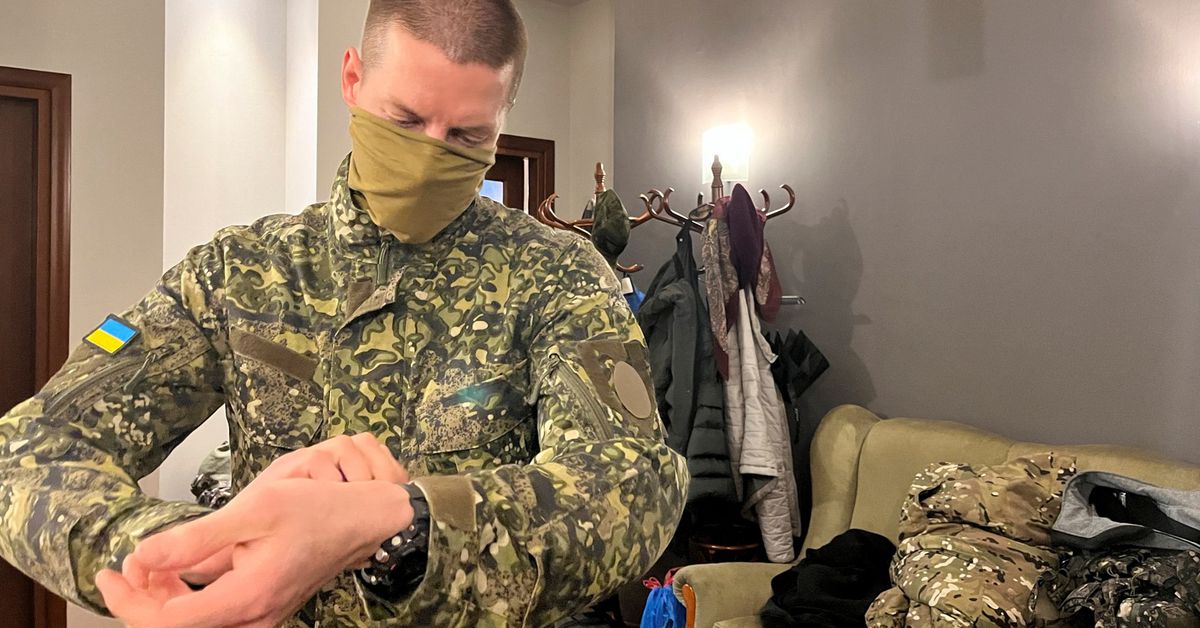
Anti-Putin activists are recruiting civilian fighters to join the Russian Volunteer Corps (RVC), a far-right paramilitary group founded by a former soccer hooligan known as White Rex, to fight against their own country alongside Ukrainian forces. The RVC opposes Putin's invasion and wants to see a smaller, ethnic Russian state. The presence of Russian far-right groups on both sides of the conflict is a sign of an ideological fracturing of Russia's ultranationalist movement.
The intensifying conflict in Sudan's western province of Darfur may attract fighters and weapons from neighbouring countries, including Libya, the Central African Republic (CAR), and Chad. The region's security has been compromised due to an ongoing power struggle between the Sudanese army and the Rapid Support Forces (RSF), a paramilitary group led by Mohamad Hamdan "Hemedti" Dagalo. The RSF has consolidated control over lucrative smuggling routes in the desert city of Kufra, which borders Darfur, Chad and Egypt. Armed groups from Sudan's western frontier could go either way, support or undercut Hemedti, to preserve the lucrative smuggling routes, settle scores with rival groups or come to the aid of their kin in Darfur.
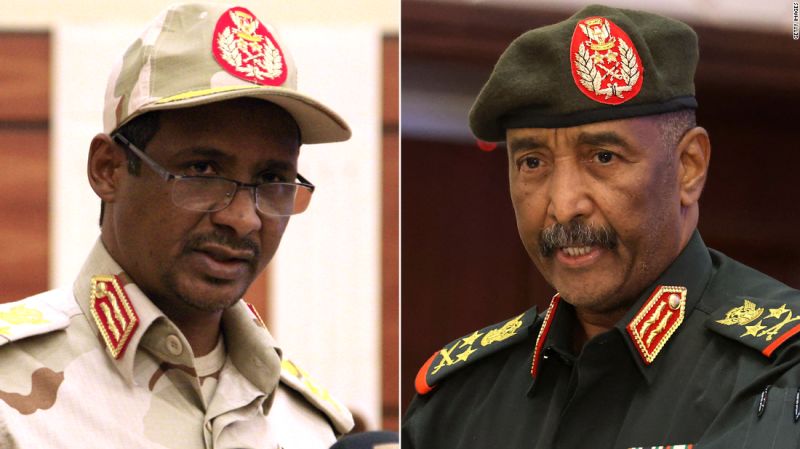
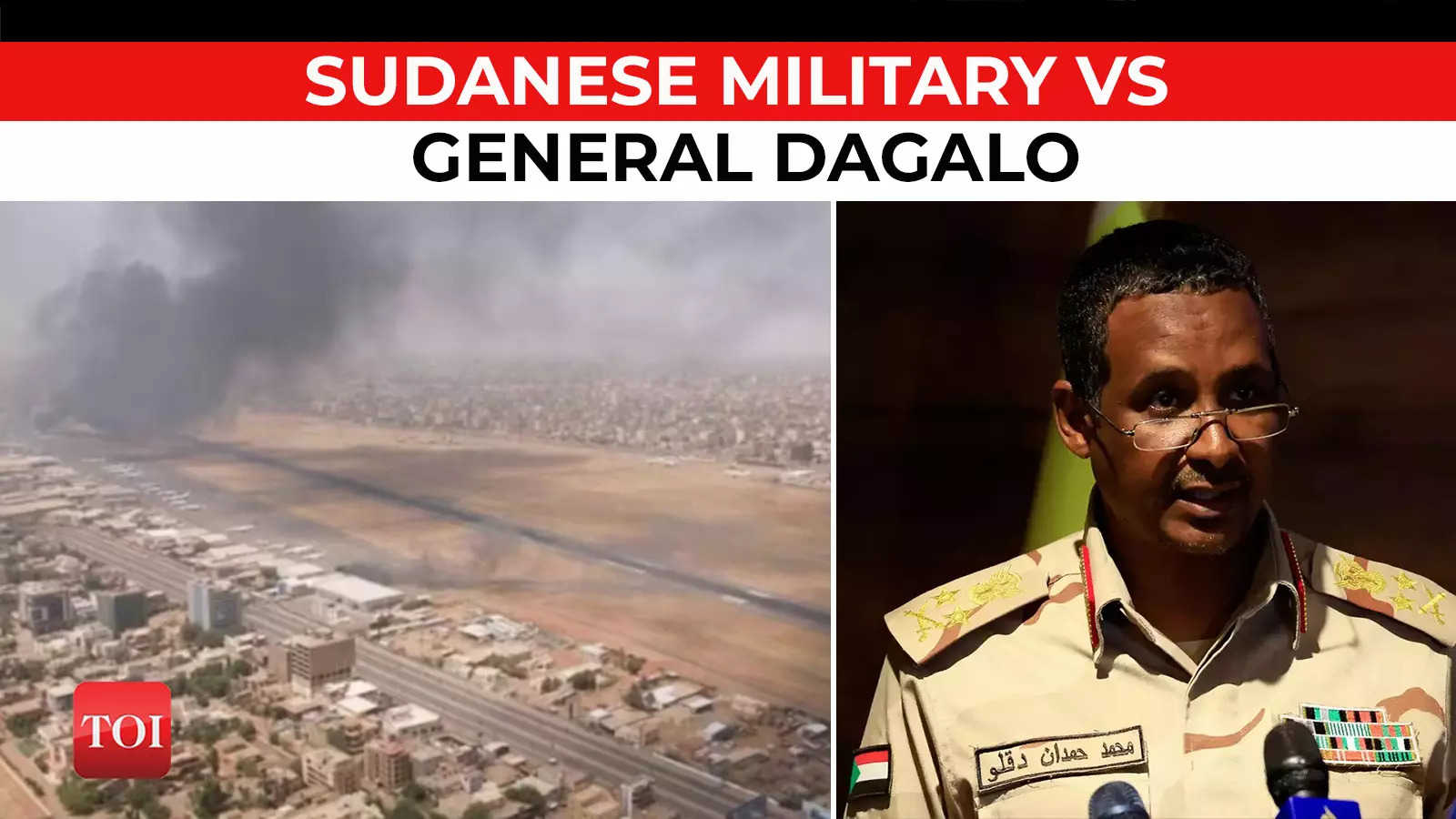
Two rival generals, Abdel Fattah al-Burhan and General Mohamed Hamdan Dagalo, are battling for control in Sudan, with their forces responsible for at least 459 deaths and over 4,000 injuries. The fighting began after tensions arose during negotiations to integrate the Rapid Support Forces (RSF) into the country’s military as part of plans to restore civilian rule. The RSF, a paramilitary group overseen by Dagalo, has been bolstered by Russia's mercenary group, Wagner. A 72-hour ceasefire agreed on by Sudan’s Armed Forces and the RSF came into effect at midnight local time on Tuesday.
A civil war has broken out in Sudan between the military and a paramilitary force, leaving many Indians stranded. Both sides have agreed to a 72-hour truce for Eid, providing an opportunity for governments to evacuate their citizens. The video explains the causes and consequences of the conflict.