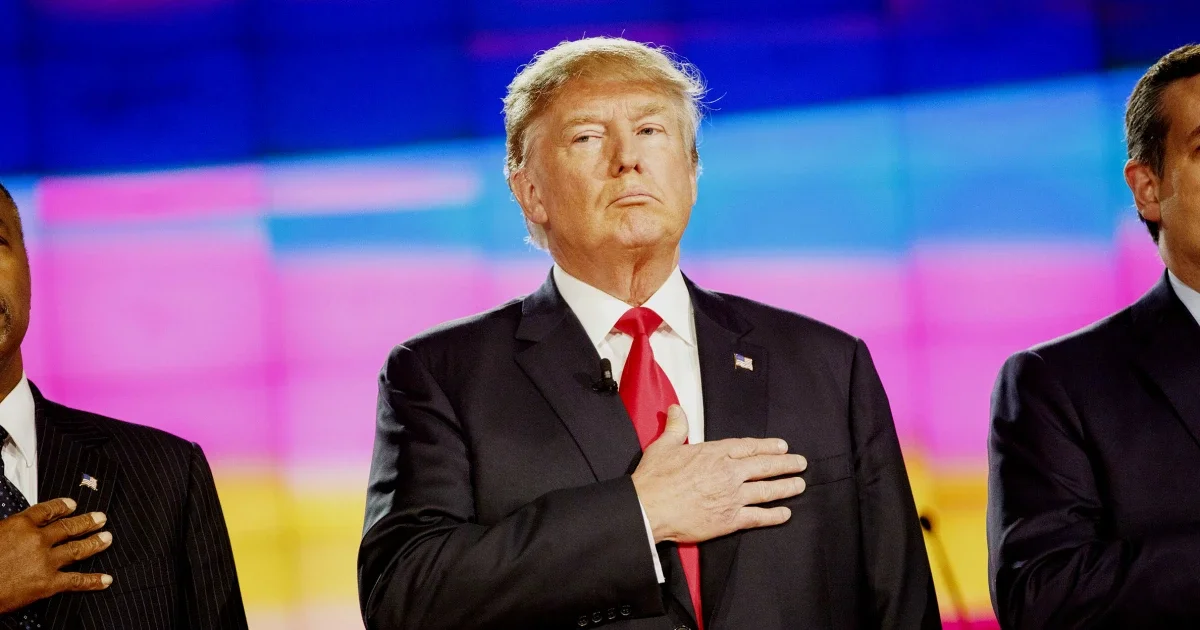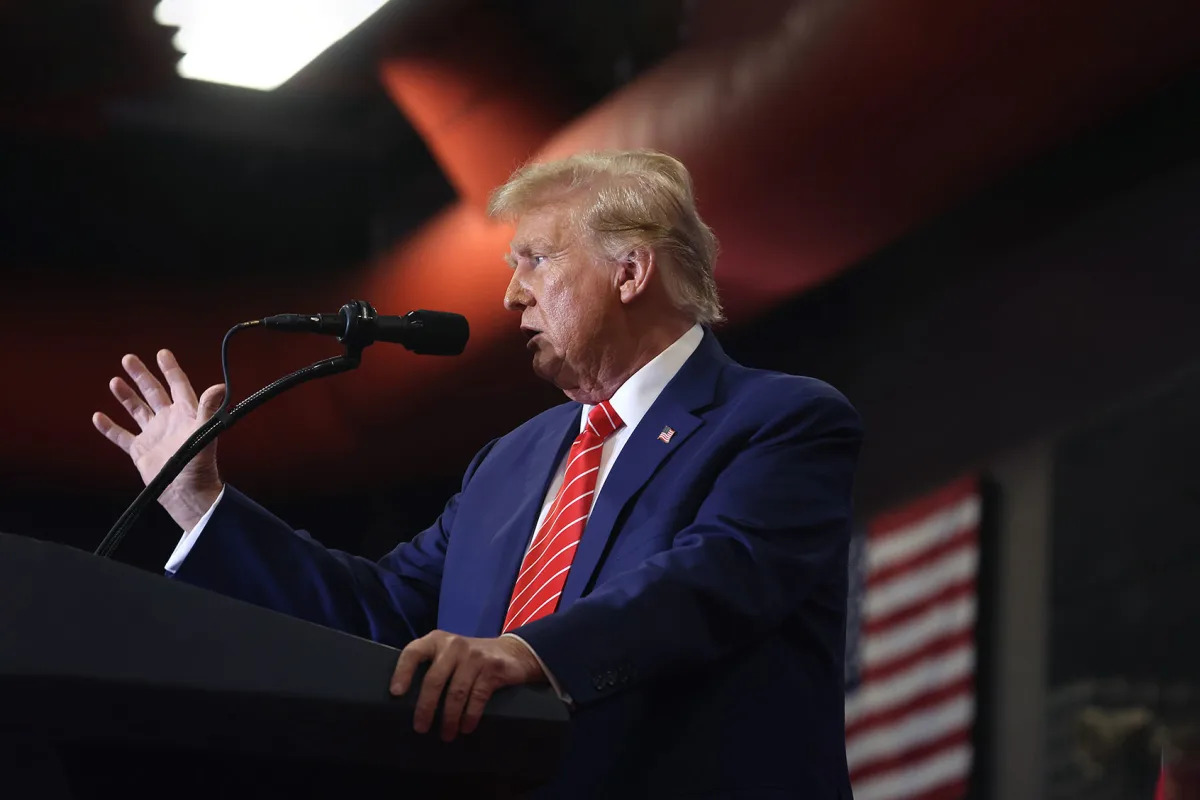
Former President Donald Trump declined to sign a loyalty oath in Illinois pledging not to advocate for overthrowing the government, drawing sharp criticism from President Joe Biden's campaign and Illinois Governor J.B. Pritzker. Trump's move was condemned as a refusal to commit to upholding the Constitution, with Biden's spokesperson referencing the Jan. 6 Capitol insurrection and Trump's alleged attempt to overturn the government. Trump's campaign spokesperson responded by affirming Trump's intention to take the oath of office in 2025.
House Republicans vying for the speakership have signed a pledge aimed at ensuring the next speaker-designate can rally 217 votes on the floor. The pledge, spearheaded by Rep. Mike Flood (R-Neb.), requires members to vote "yea" for whoever wins the House Republican conference's backing in the initial secret-ballot election. Five of the announced candidates have committed to the pledge, while two have not yet indicated support. Lawmakers have until Sunday to make their candidacy official before a candidate forum and a GOP Conference vote on Tuesday.
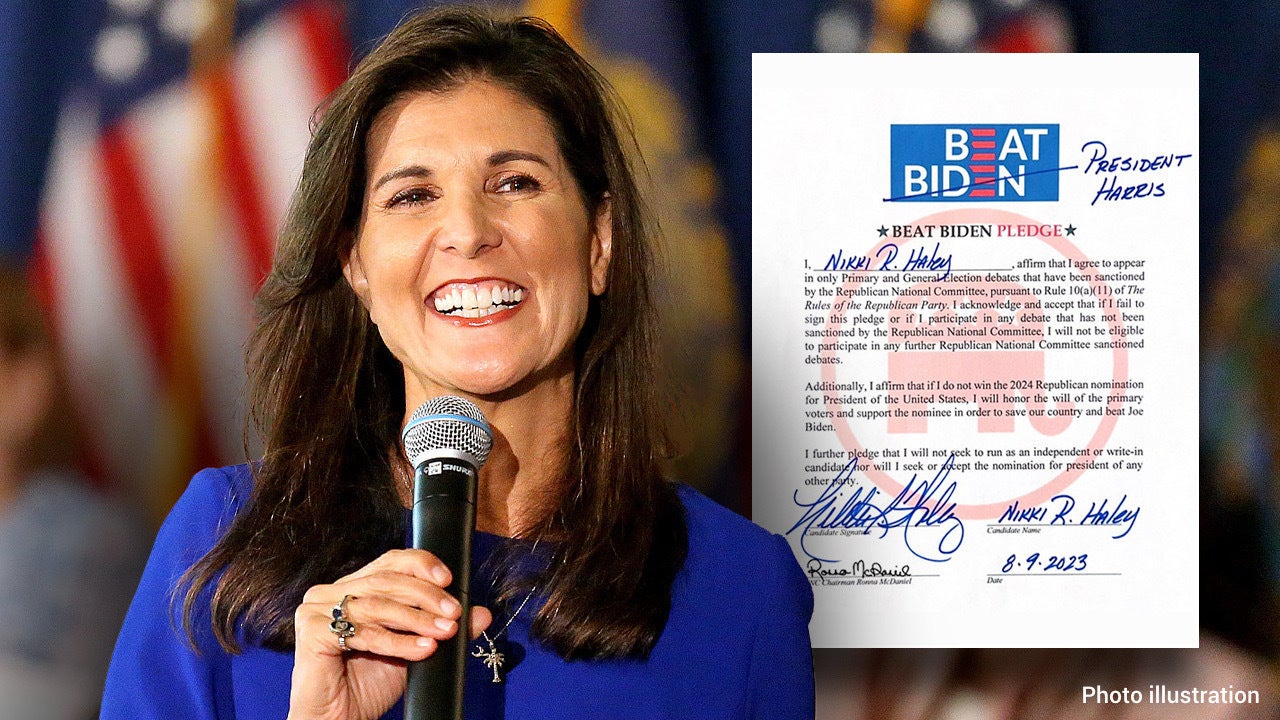
Nikki Haley, GOP presidential candidate, has signed a pledge required by the Republican National Committee (RNC) to support the eventual GOP nominee and participate in party-sanctioned debates. However, she made a small edit by crossing out President Biden's name and writing "President Harris," indicating that she sees the race as against Vice President Kamala Harris in the long run. Haley is the third candidate to officially qualify for the first Republican presidential primary debate. The pledge also states that if she does not win the nomination, she will support the 2024 Republican presidential nominee and will not run as an independent or seek nomination from any other party.
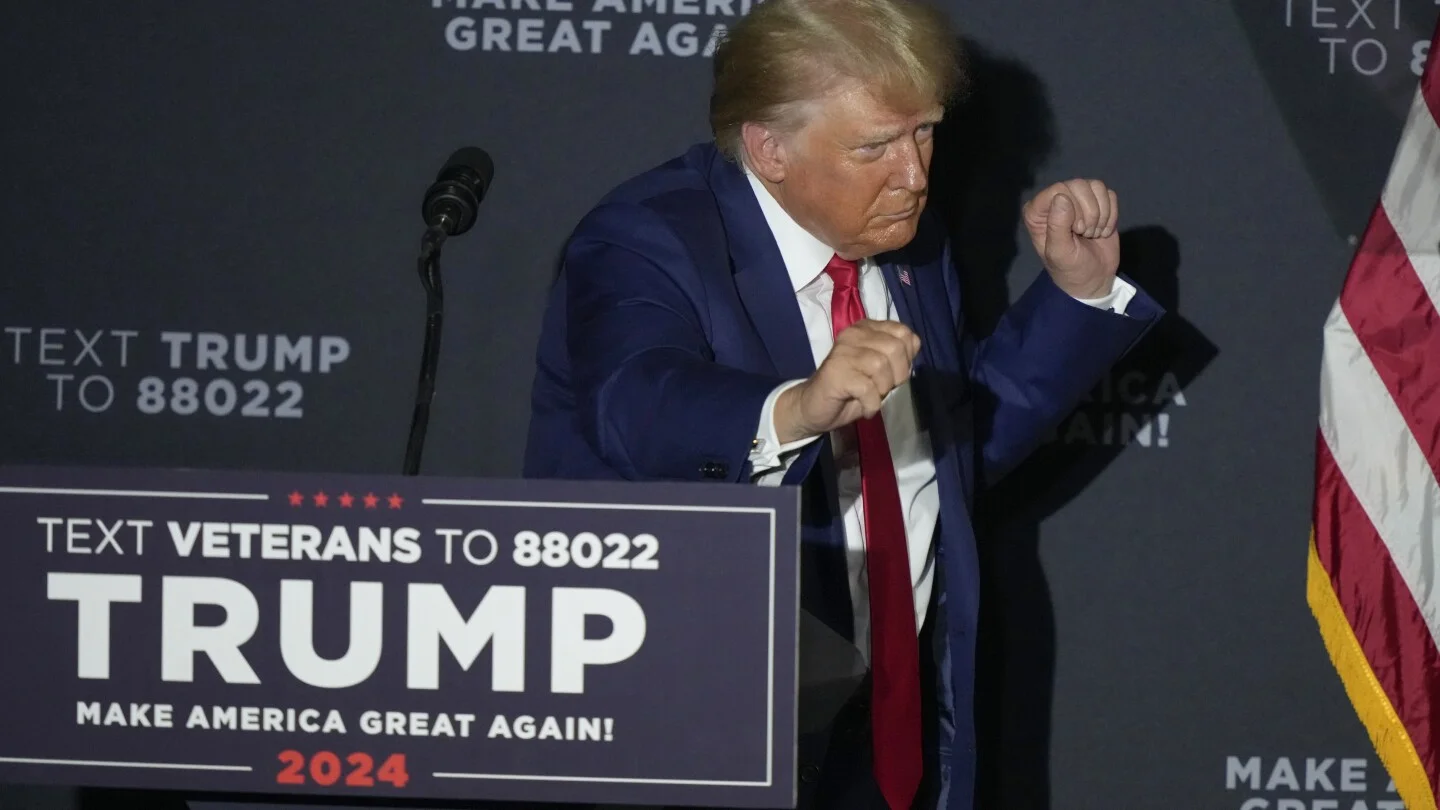
Former President Donald Trump has stated that he will not sign a pledge to support the Republican nominee if he loses the GOP presidential primary, defying a requirement for participating in the first debate. Trump questioned the need for the pledge, citing candidates he wouldn't support, but declined to name them. His refusal to sign suggests he plans to skip the debate, as he has previously suggested. Trump has pushed back against participating in the debate, claiming his substantial polling lead makes it unnecessary. Eight candidates have met the qualifications to be on stage, and candidates must also sign a statement pledging not to participate in unsanctioned debates or run as an independent or third-party nominee.
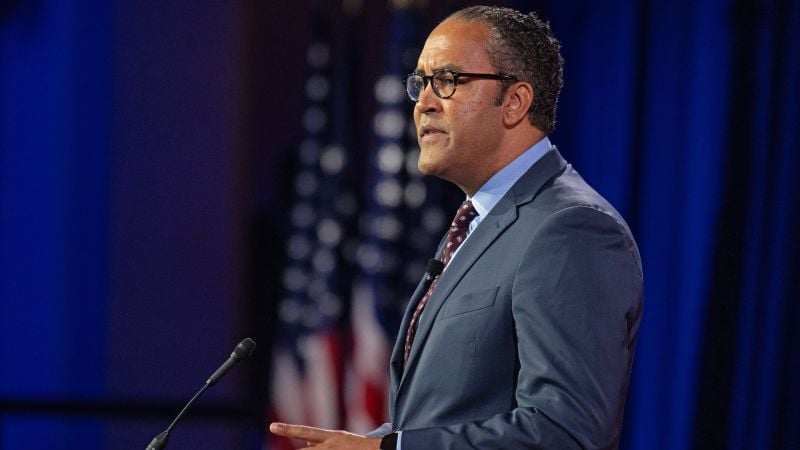
Republican Congressman Will Hurd refuses to sign the Republican National Committee (RNC) debate pledge, stating that he "can't lie to get access to a microphone." Hurd's decision highlights his commitment to honesty and integrity in political discourse.
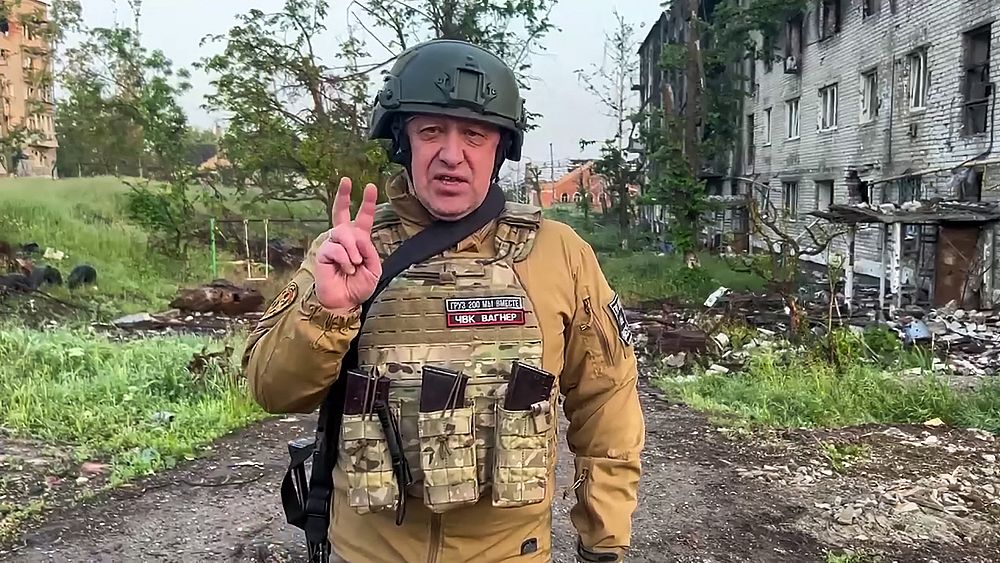
Wagner paramilitary soldiers and members of other armed groups have been ordered to pledge allegiance to the Russian leadership as the Russian Defence Minister attempts to take direct control of the group. Wagner leader, Yevgeny Prigozhin, has pledged to boycott the contracts, causing arguments between military bosses and Wagner. Meanwhile, Russian troops are reported to be suffering from low morale and shortages of ammunition, while Ukraine's military recaptured a southeastern village and Russian forces claimed to repel multiple attacks in the area.
The Republican National Committee is requiring presidential hopefuls to pledge to support the party's eventual nominee if they want to participate in the GOP's first primary debate in Milwaukee on Aug. 23. The pledge comes as a handful of Republican presidential hopefuls have hedged whether they would support former President Donald Trump if he wins the party's presidential nomination. Republican candidates will also need to meet broad polling requirements and raise money from a minimum of 40,000 unique donors, including 200 unique donors from at least 20 states and territories, according to the newly released RNC criteria.