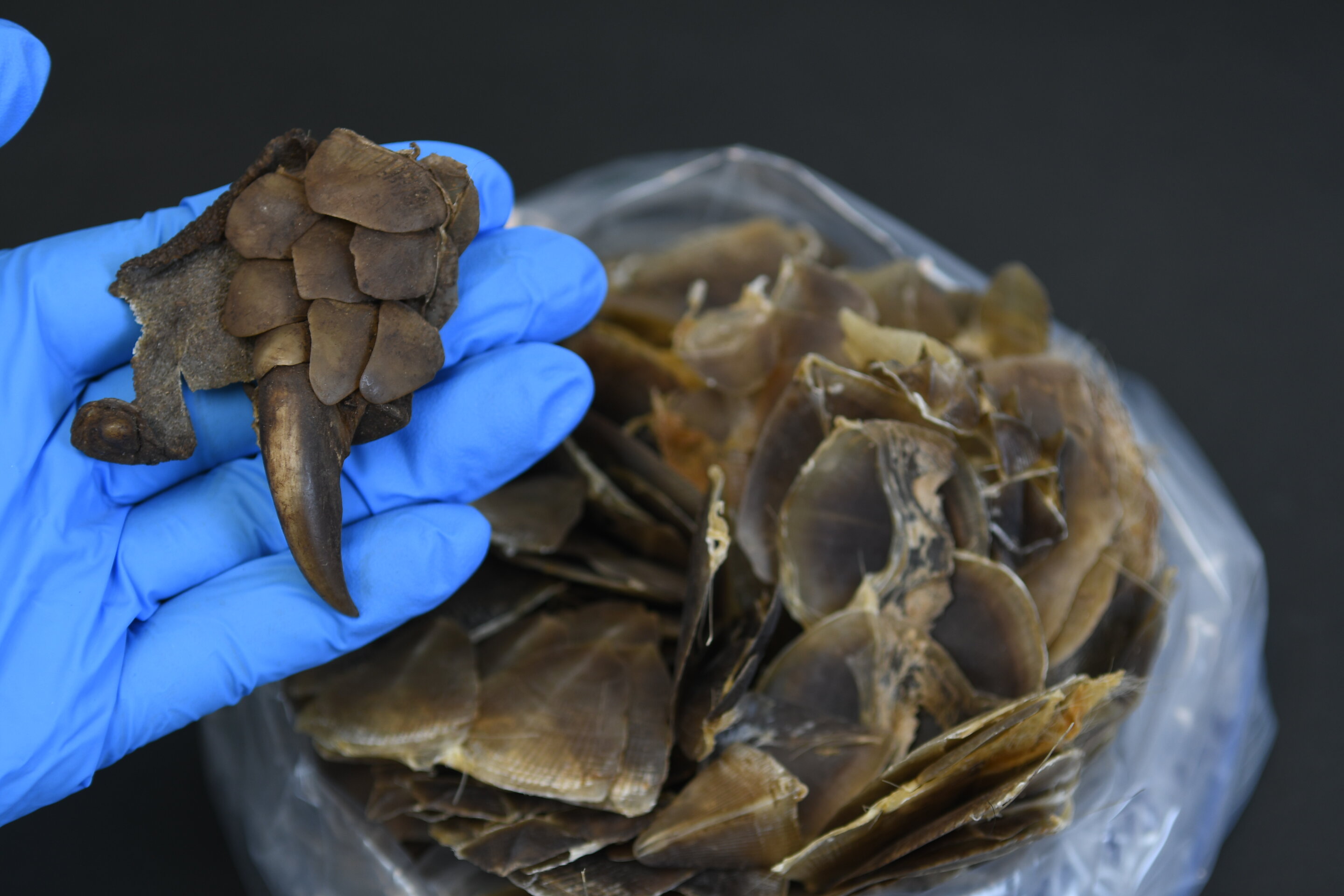
Scientists have discovered a new species of pangolin, named "Manis mysteria," bringing the total number of known pangolin species to nine. The discovery was made through the analysis of confiscated scales. Pangolins are highly endangered and are often trafficked for their scales and meat. The new species is already under pressure, with signs of a declining population and genetic issues. Further research is needed to understand and protect this mysterious species.

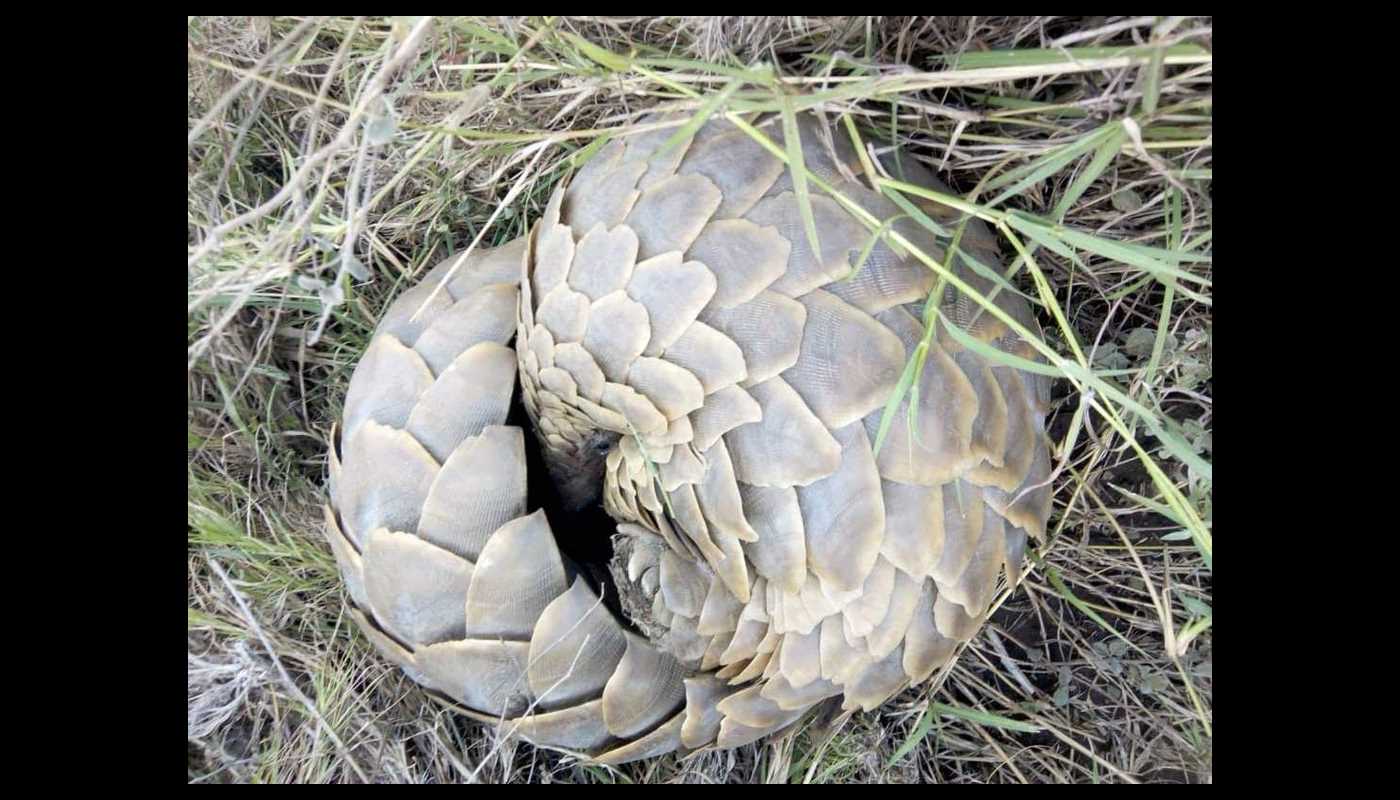
The U.S. government is funding shadow police units in various countries, as seen in a recent sting operation in Kenya where detectives subsidized by the U.S. posed as buyers of an endangered pangolin, which is highly sought after in parts of Asia for its scales and meat.
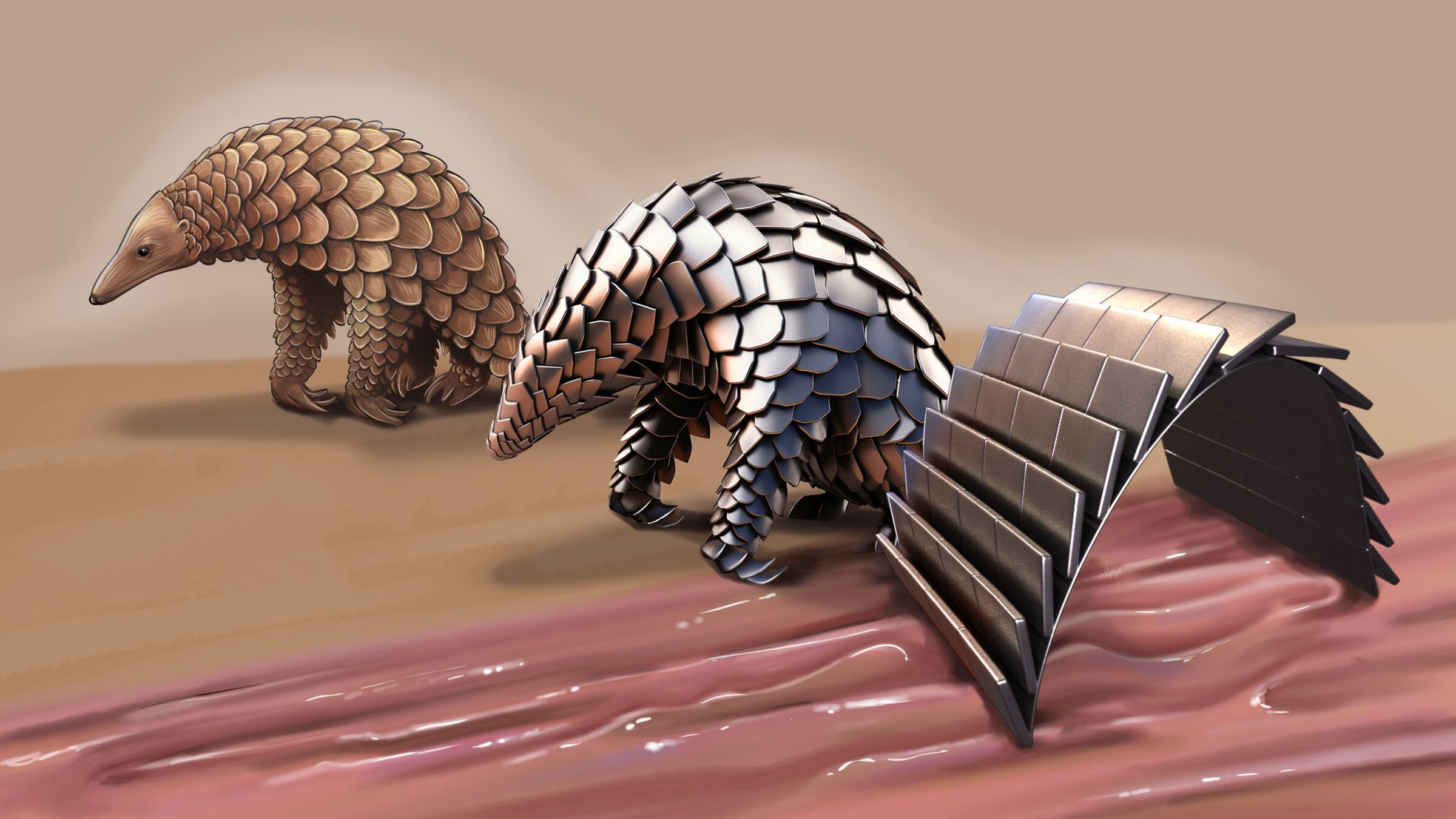
A team of researchers at the Max Planck Institute in Munich have designed a miniature robot inspired by the flexible motion of pangolins. The robot, which is 1 cm by 2 cm by 0.2 mm in size, has overlapping scales and can heat up to 70°C to perform medical treatments on tissues. The robot can also demagnetize to release cargo onto tissues, which could be used to deliver drugs in the future. The robot's ability to roll and tumble about is triggered by external magnetic stimulation, allowing it to change from a flat to a curled posture and locomote.
Scientists from the Max Planck Institute for Intelligent Systems have developed a soft medical robot inspired by the pangolin that can curl up into a sphere and emit heat when needed. The robot is made of a soft polymer layer studded with magnetic particles and a hard metal layer arranged in overlapping scales. When exposed to a low-frequency magnetic field, the robot can be rolled up and moved back and forth, making it ideal for transporting particles such as medicines. When exposed to a high-frequency magnetic field, the robot heats up to over 70°C, making it useful for medical procedures such as treating thrombosis, stopping bleeding, and removing tumor tissue.