The brain can sustain irreversible damage or die from oxygen deprivation within minutes, with permanent damage occurring as quickly as four minutes after blood flow stops. Factors such as the extent of oxygen loss, individual health, and pre-existing cardiovascular conditions can influence the exact timing of brain cell death. In cases of cardiac arrest, brain electrical activity ceases within 10 to 30 seconds, and rapid treatment is crucial to prevent severe damage or death. The article emphasizes that the rate of damage varies from person to person and is not meant as medical advice.

A new study has identified the sequence of events that lead to the permanent cessation of neural activity in dying brains. The research sheds light on near-death experiences and could potentially lead to medical interventions to reverse brain death. When oxygen supplies run out, neurons rapidly deplete their cellular fuel and become destabilized, triggering a surge in brain activity associated with conscious experiences. This is followed by a wave of death, causing permanent functional and structural changes. However, the process can be reversed if the brain is reoxygenated before the wave of death completes its work. The study provides insights into protecting the brains of patients experiencing cardiorespiratory failure.
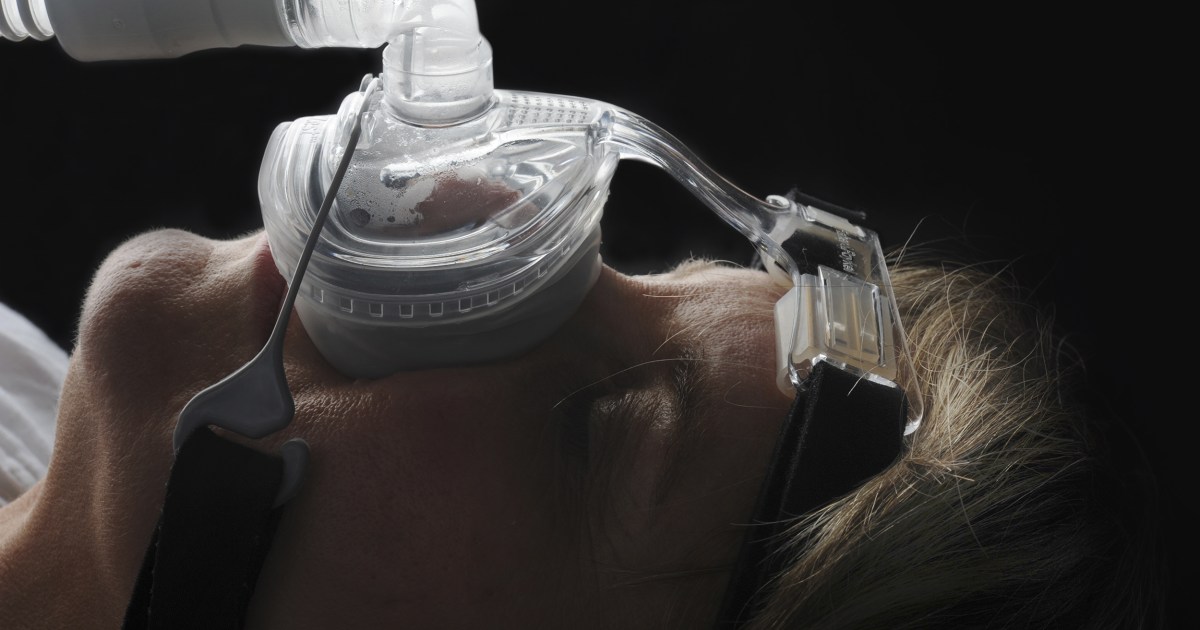
Sleep apnea, a condition in which breathing frequently stops and restarts during sleep, affects one in five American adults. Most sufferers are unaware of their condition, which can lead to oxygen deprivation, fatigue, and a range of health issues. Sleep apnea is linked to obesity, smoking, and back-sleeping. The disorder often goes untreated, but effective treatments such as weight loss, lifestyle changes, and the use of a continuous positive airway pressure (CPAP) machine can significantly improve symptoms and reduce the risk of complications.
A Cessna Citation business jet crashed into a remote Virginia mountain, killing all four people aboard. The pilot was not responding to air traffic control instructions and the situation was soon reported to a network that includes military, security and law enforcement agencies. The plane took an erratic flight path, prompting the military to scramble fighter jets. Outside aviation experts continued to speculate that the pilot likely lost consciousness from a lack of oxygen inside the jet when it climbed above 10,000 feet. The investigation is ongoing.