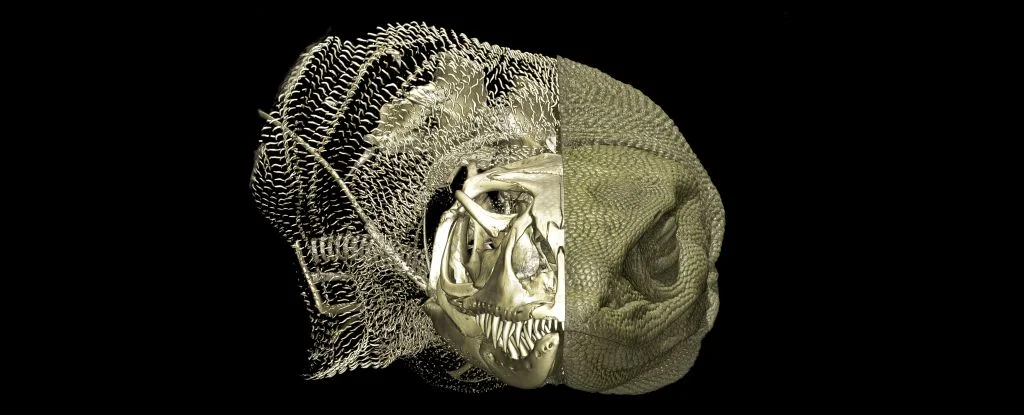
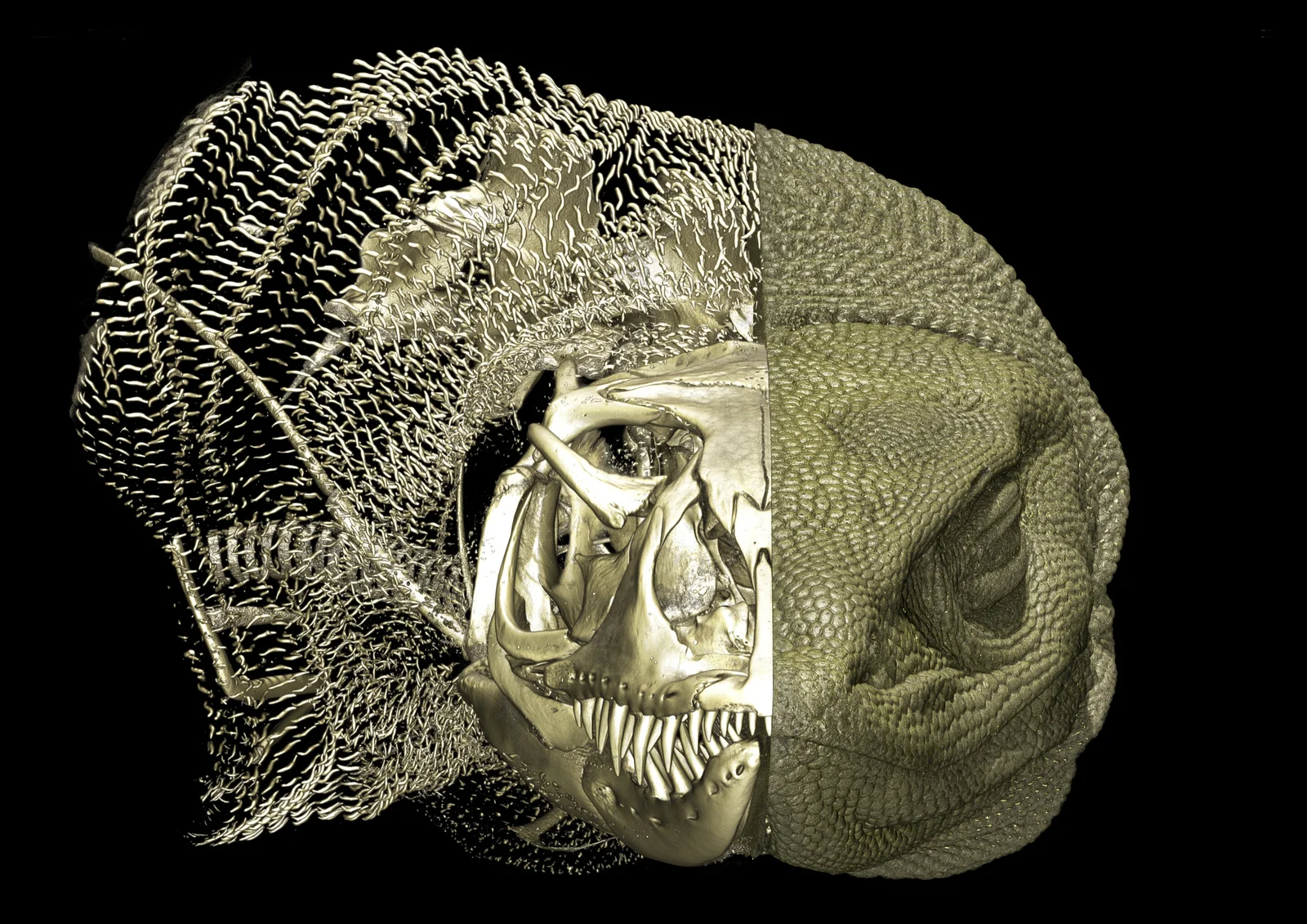
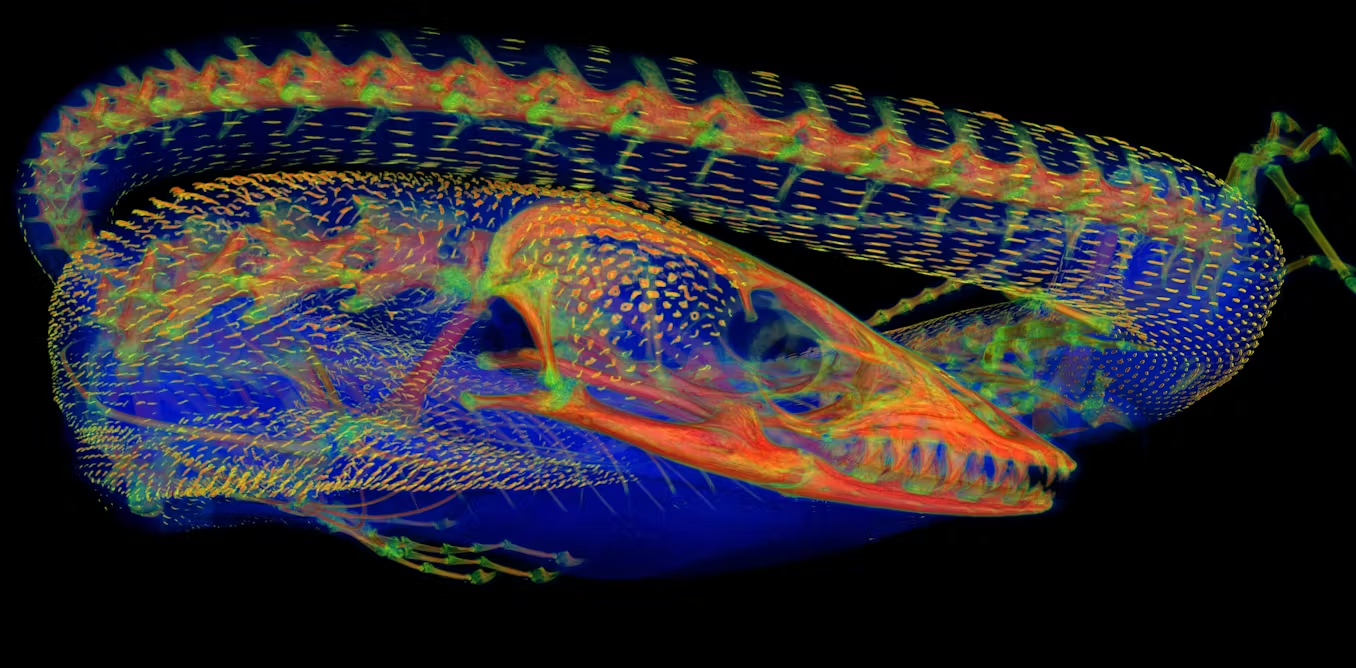
A recent study discovered that many Australian monitor lizards possess hidden osteoderms, tiny bones under their skin, which may serve various functions such as protection and thermoregulation, challenging previous understanding of reptile evolution.
Scientists have discovered that nearly half of all lizard species, including Australian monitor lizards, possess hidden bony skin structures called osteoderms, which may play roles in protection, heat regulation, and calcium storage, reshaping understanding of reptile evolution.
A new study using micro-CT imaging revealed that nearly half of all lizard species, including 29 Australo-Papuan goannas, possess hidden bone plates called osteoderms, challenging previous assumptions and opening new avenues for understanding their evolution and adaptation in harsh environments.
African spiny mice, previously thought to lack armor like other mammals, have been found to possess bony plates called osteoderms beneath their tail's skin. The discovery was made during routine CT scanning of museum specimens, and the osteoderms were confirmed to be similar to those of armadillos but likely evolved independently. Spiny mice also possess the unique ability to regenerate injured tissue without scarring, making them a potential model for human tissue regeneration. The osteoderms in spiny mice and fish-tale geckos may function as an escape mechanism, detaching from the tail when attacked by predators.