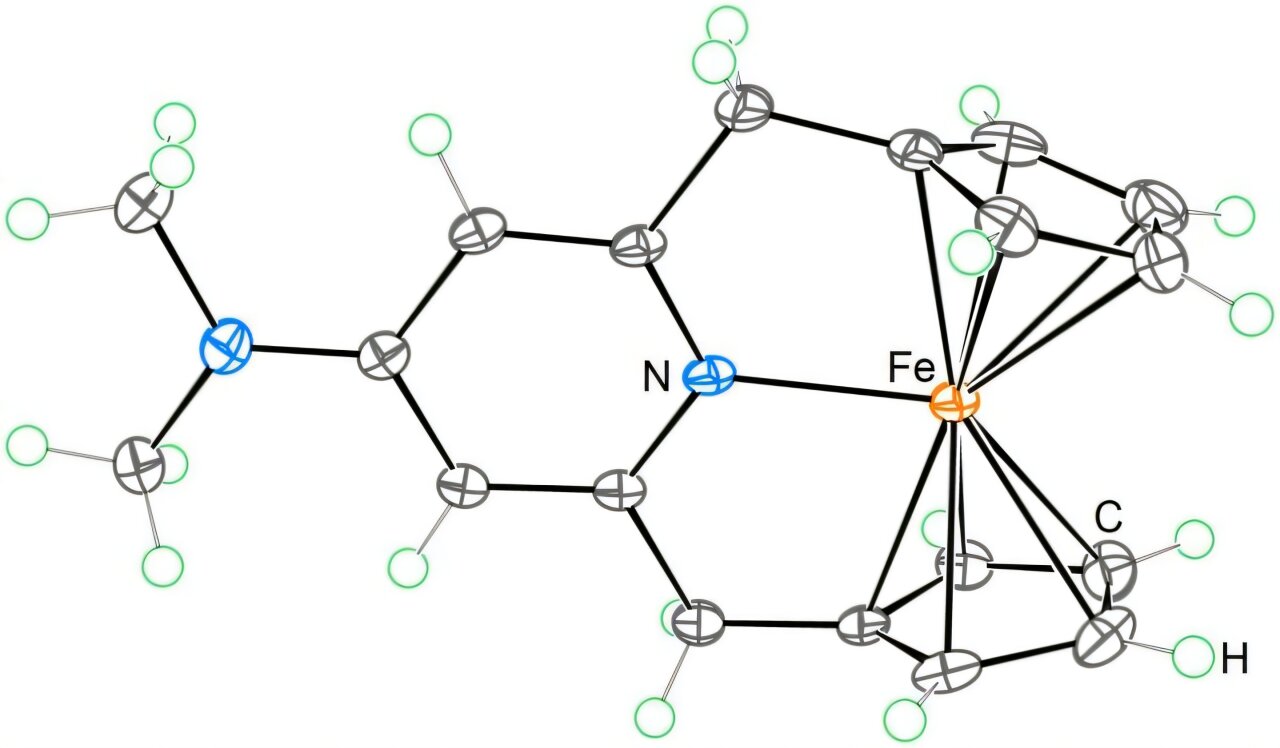
Scientists at OIST have synthesized a stable 20-electron ferrocene, challenging the long-standing 18-electron rule in organometallic chemistry, which could lead to new advances in catalysis and materials science.
Researchers at OIST have synthesized a stable 20-electron ferrocene derivative, challenging the long-standing 18-electron rule in organometallic chemistry, which could lead to new applications in catalysis and materials science.
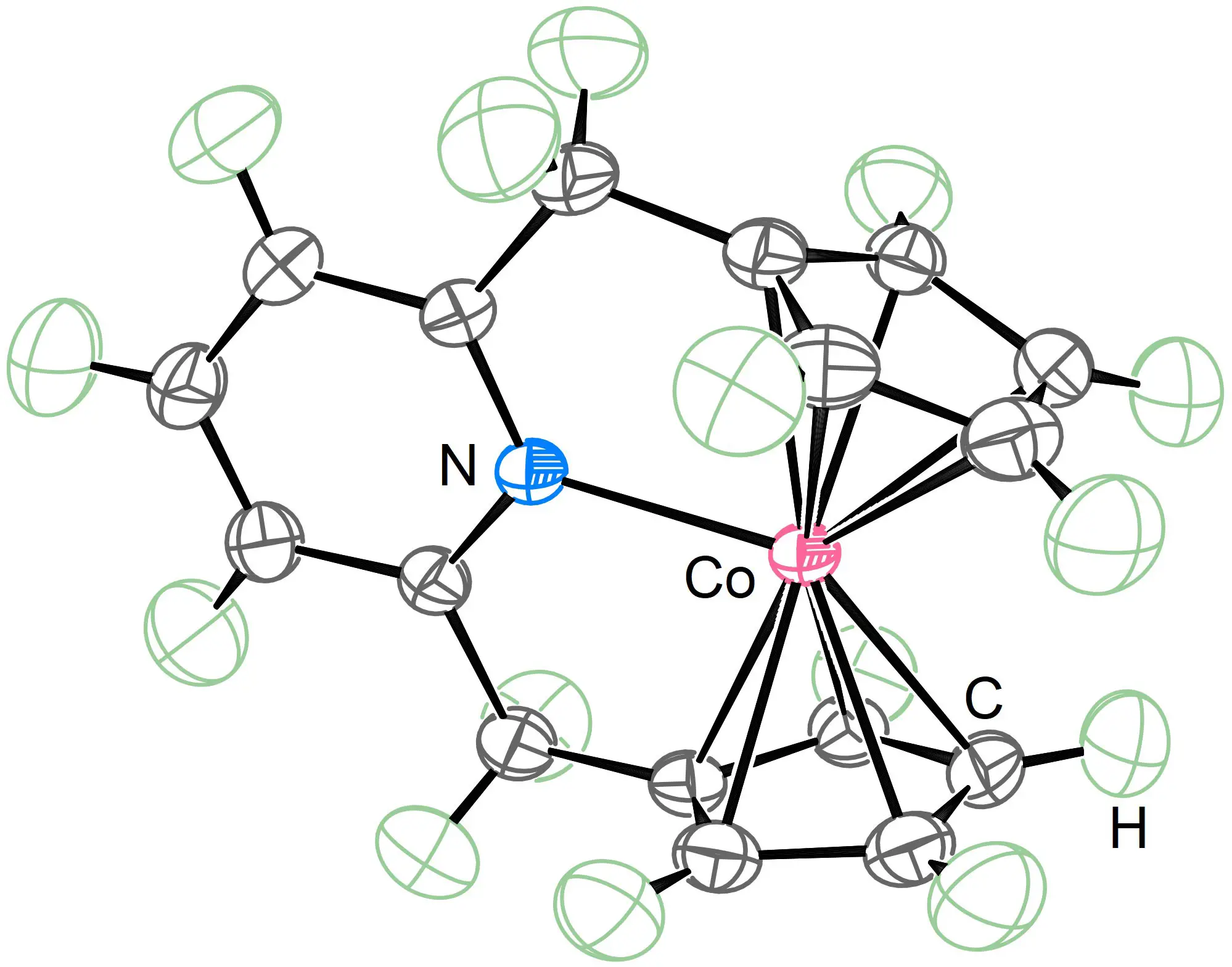
Researchers at the Okinawa Institute of Science and Technology have successfully developed a stable 21-electron metallocene compound, a type of organometallic compound known for its versatile "sandwich" structure. This breakthrough opens up new possibilities in medicine, catalysis, and the energy sector. The researchers overcame the challenge of maintaining the sandwich structure while bonding nitrogen to cobalt, and their findings have been published in the journal Nature Communications. Future research will focus on utilizing the 21-electron metallocene for catalysis and material science, as well as exploring unprecedented organometallic chemistry based on this discovery.
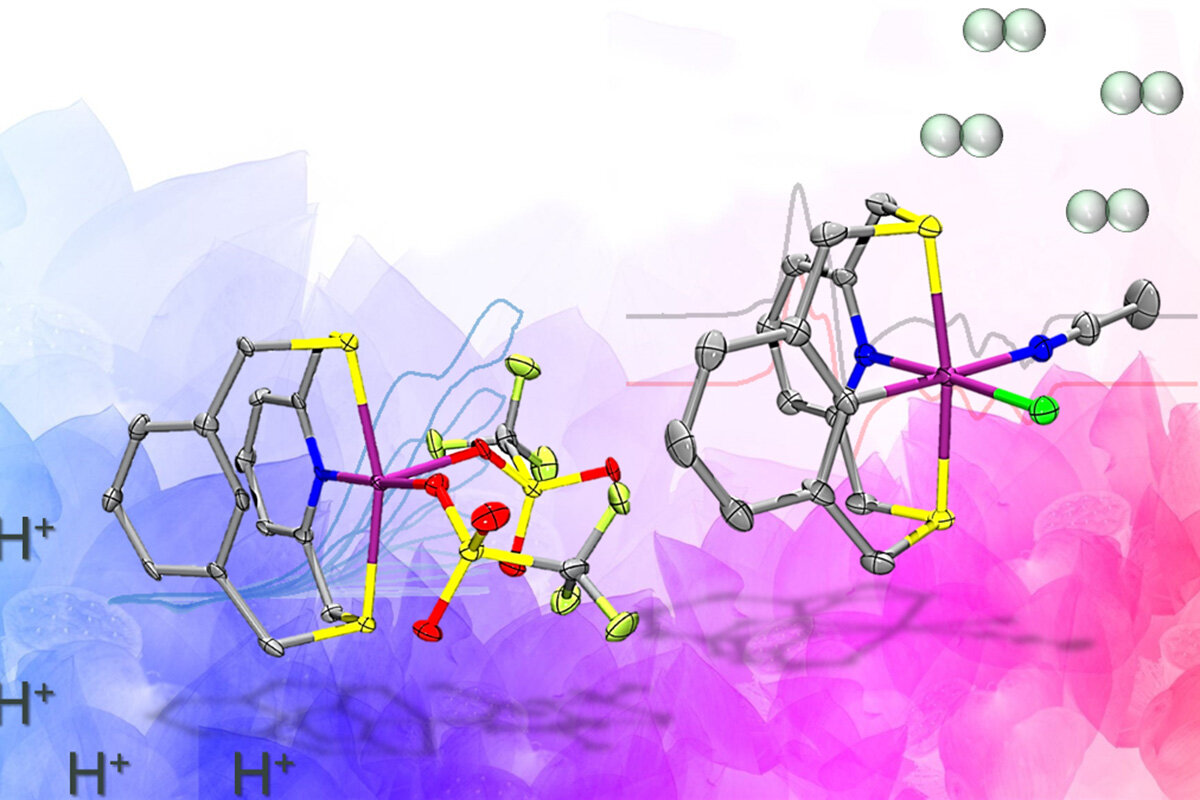
Researchers from the University of Illinois Urbana-Champaign have designed a synthetic molecule that mimics the hydrogen gas-producing chemical reaction performed by the ancient biological enzyme nickel-iron hydrogenase. The enzyme produces hydrogen using earth-abundant metals in its core, making it an attractive alternative to platinum, which is currently used as a catalyst in industrial hydrogen production. The team designed an organic molecule called a ligand that contains electron-donating atoms like nitrogen and sulfur, which can hold the nickel in place and support the two relevant paramagnetic states that produce hydrogen. The molecule could lead to further insights into how nature performs chemistry with small molecules like hydrogen.