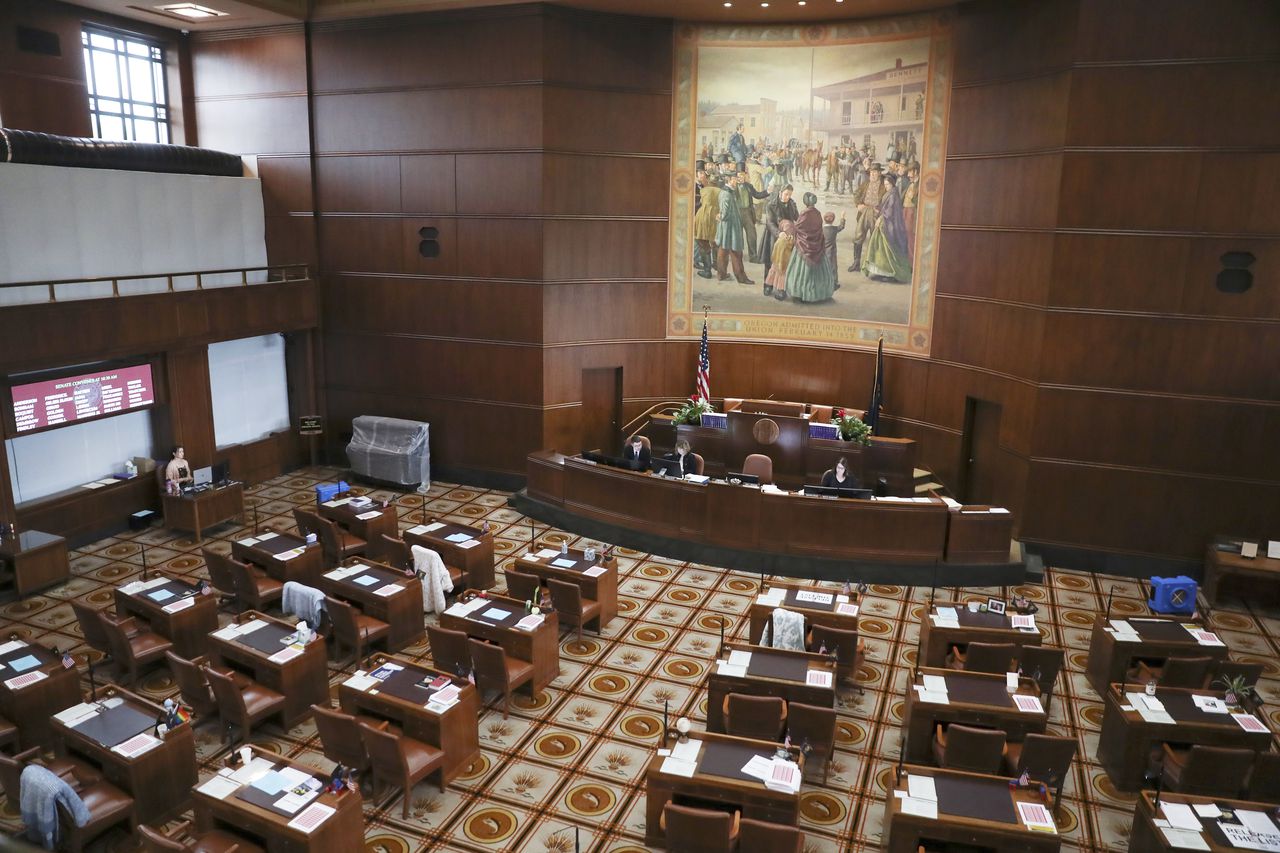
The Oregon Supreme Court's ruling barring 10 state senators who boycotted the Legislature last spring from seeking reelection will lead to significant turnover in the Oregon Senate and could discourage future walkouts by the minority party. While some believe the ruling will deter walkouts, others argue it may not serve as a deterrent and could even lead to a culture of walkouts every election cycle. The ruling's impact on the upcoming legislative session remains uncertain, but it could give barred Republicans greater power. Additionally, the ruling will affect the 2024 election, as a third of the Senate will be barred from seeking reelection over the next two cycles, potentially leading to contested races and a shakeup within the Republican party.

Republican lawmakers in Oregon are urging the governor to convene a special legislative session to repeal Measure 110, a voter-approved measure that decriminalized small amounts of hard drugs. They argue that the state's access to treatment has worsened since the measure's passage, citing data on drug overdose deaths. Democrats acknowledge the need for changes to Measure 110 but believe that repealing it alone will not solve the drug crisis. The debate over the measure's effectiveness continues, with some advocating for a combination of criminal justice interventions and expanded treatment programs.
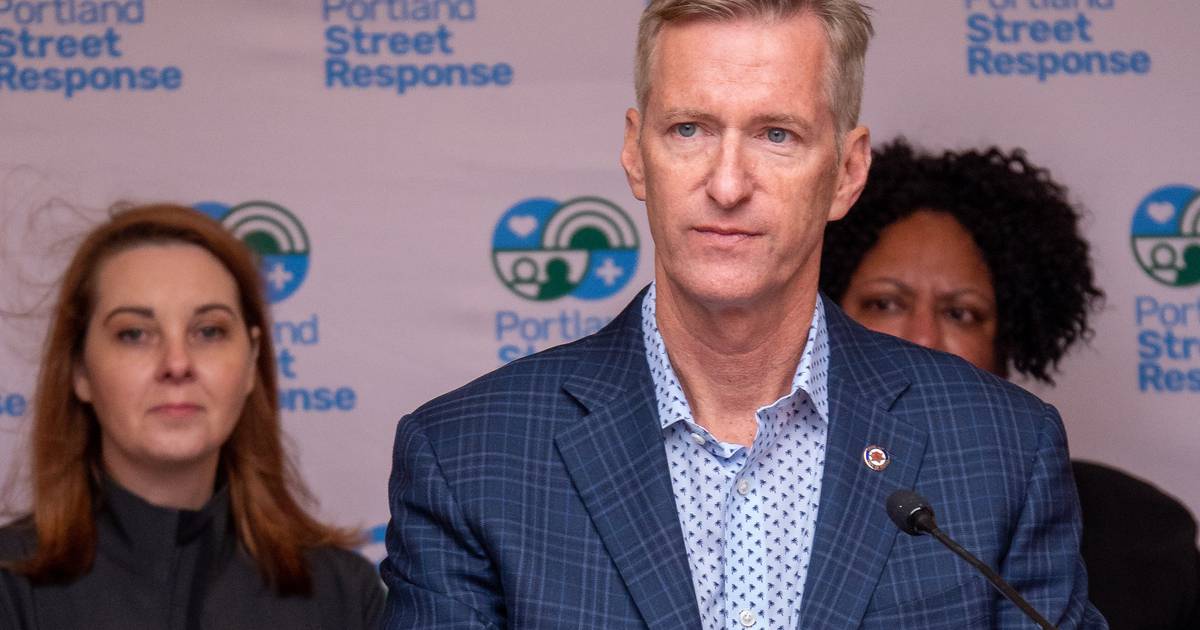
Portland Mayor Ted Wheeler has abandoned his plan to ban public drug use just five days after announcing it, citing the passage of a bill by the Oregon Legislature that makes possession of fentanyl a criminal misdemeanor. Critics had warned that the proposed ban would likely violate state law, and Wheeler acknowledged that it would have likely been challenged in court. The bill aims to close a loophole in a 2020 ballot initiative that decriminalized possession of small amounts of hard drugs, as deadly overdoses involving fentanyl rose in downtown Portland.
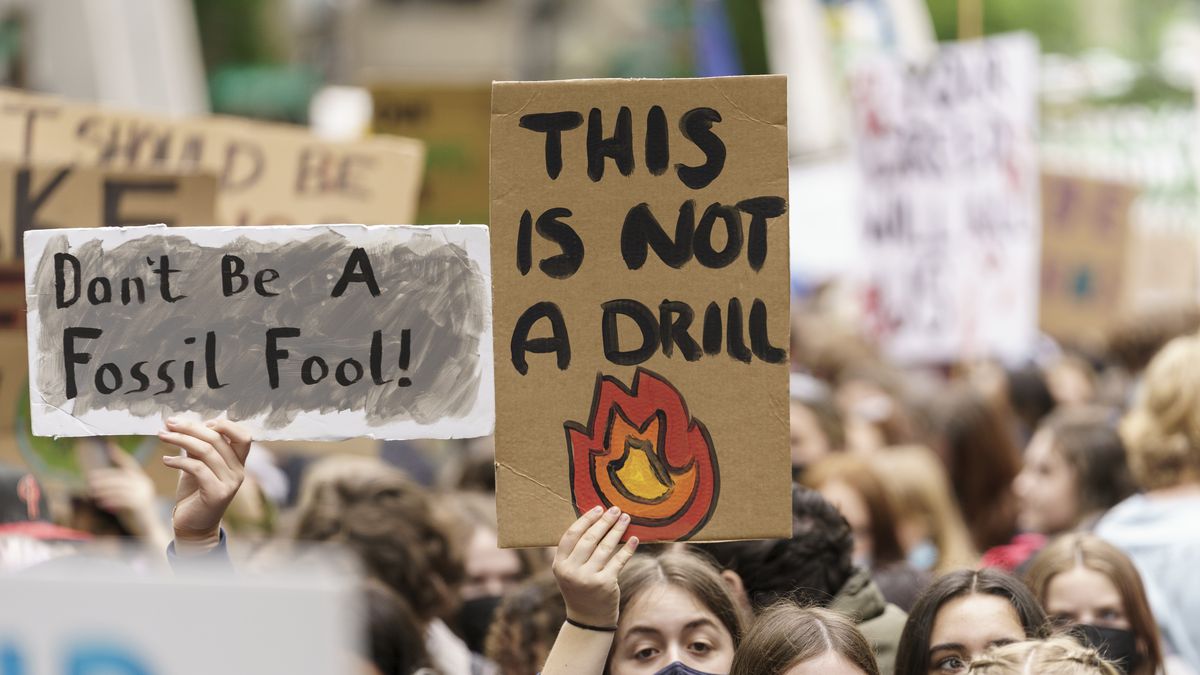
The Republican Senate walkout in Oregon is stalling climate action bills, including those that would help the state meet its climate goals and secure tens of millions of dollars in federal funding for clean energy and green infrastructure projects. Lawmakers and policy advocates are concerned that the state might miss out on the funding available through the Inflation Reduction Act, which would help low-income residents and communities of color adapt to climate change. The walkout has affected climate policy before, including in 2019 when similar actions killed a package to reduce greenhouse gas emissions.