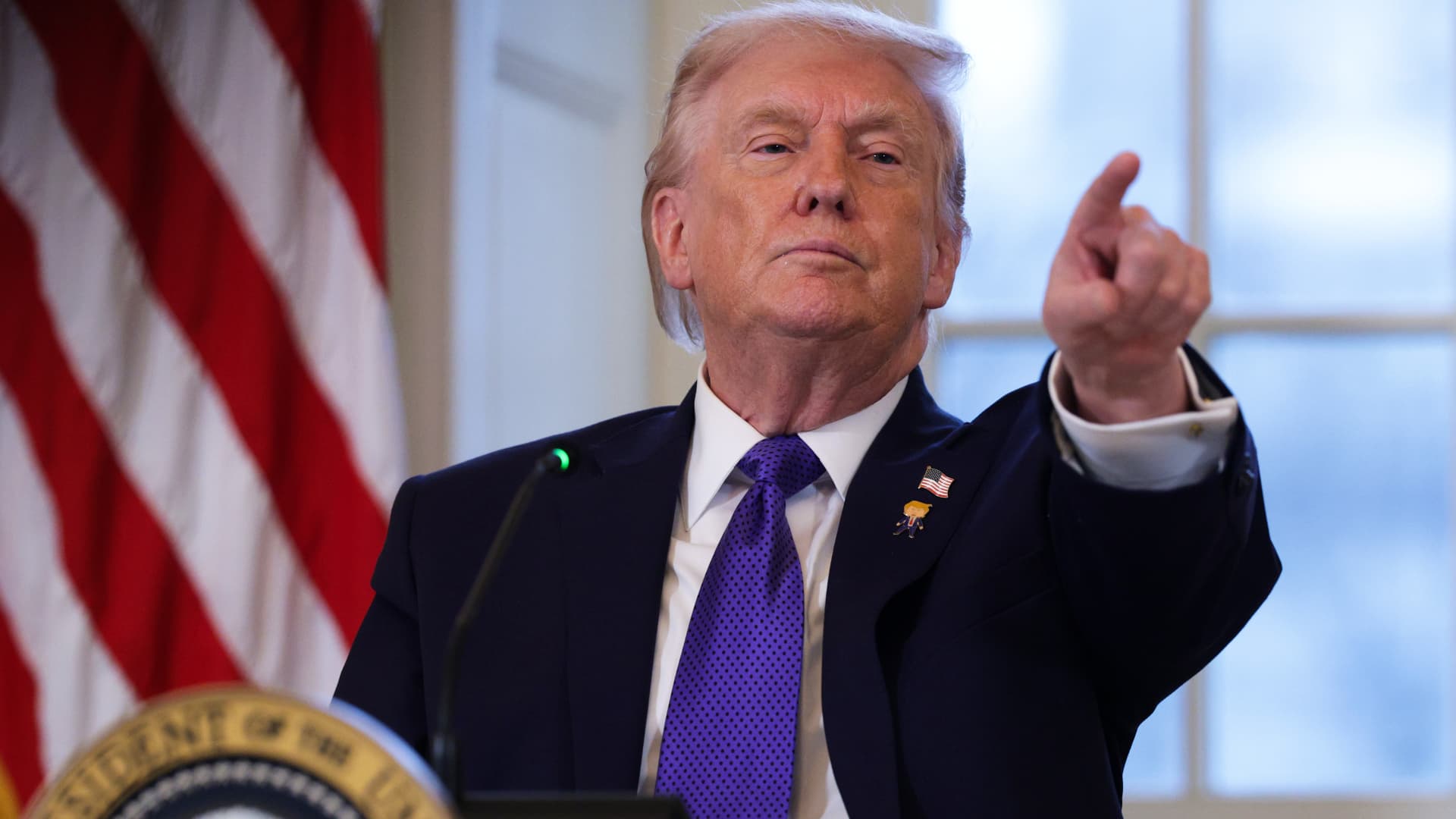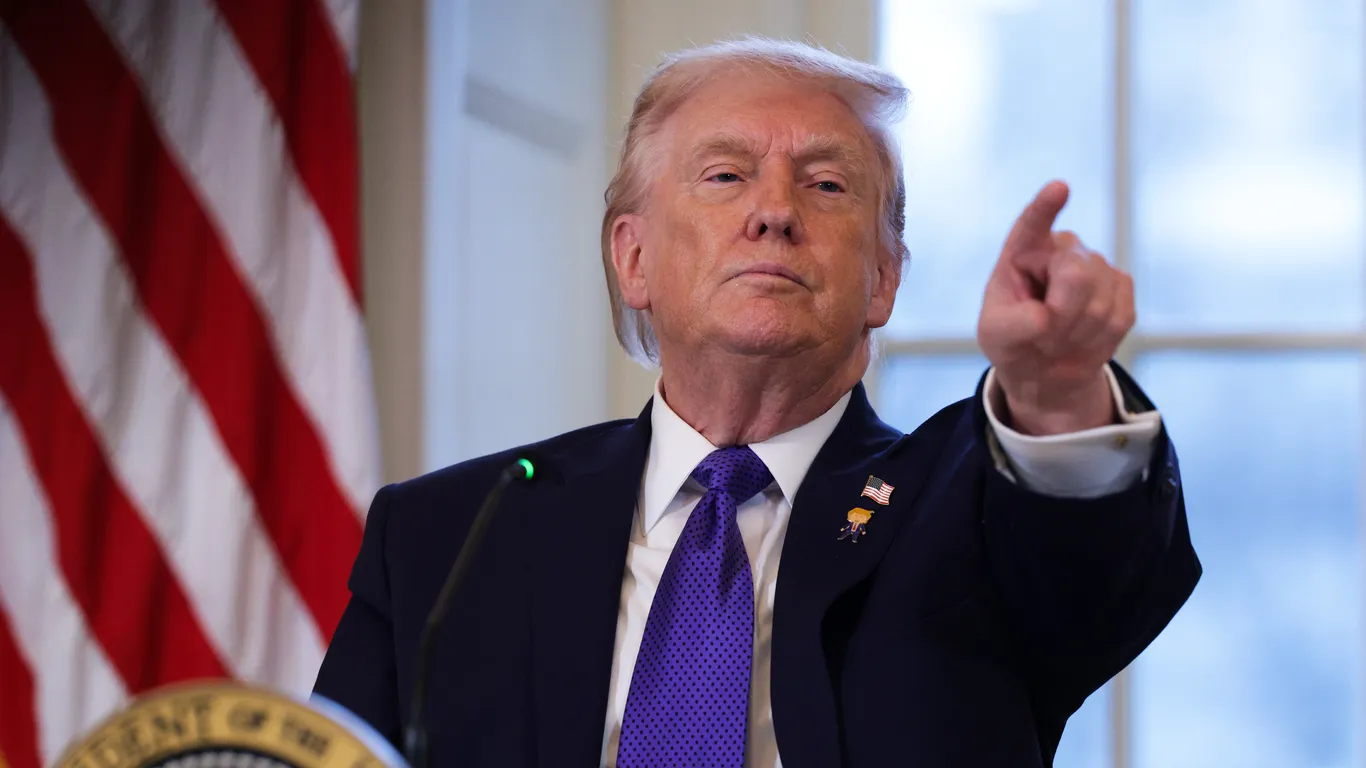
President Trump signed an executive order to prevent courts and creditors from seizing Venezuelan oil revenue held in U.S. accounts, citing national security and foreign policy concerns, amid efforts to stabilize Venezuela's economy and attract U.S. investment in its oil sector.
President Trump declared a national emergency to protect Venezuelan oil revenue held by the U.S. from seizure by private creditors, citing national security and regional stability concerns, and plans to manage Venezuelan oil sales and revenue indefinitely to counter malign actors and stabilize Venezuela.
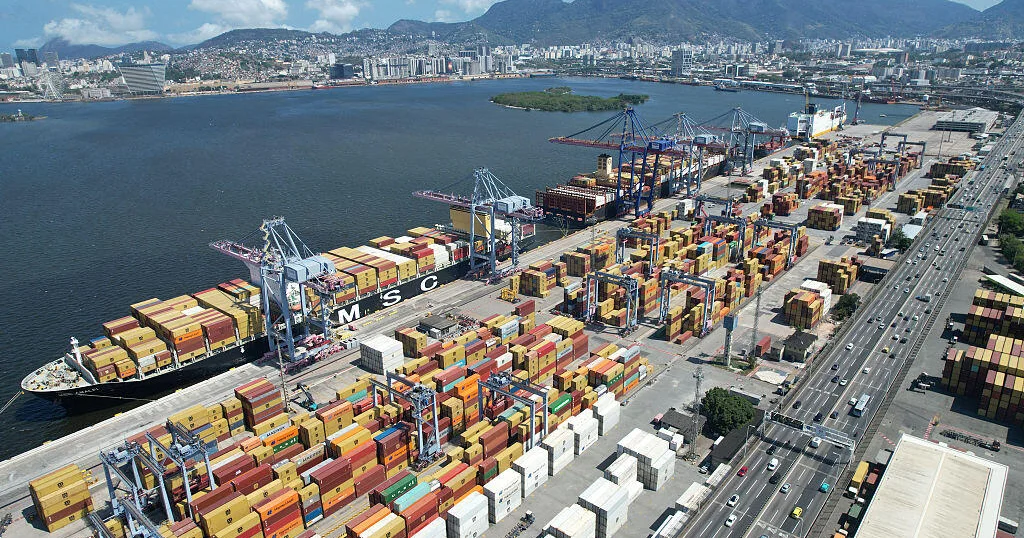
Senate Democrats, led by Sen. Tim Kaine, plan to vote on a measure to block President Trump's tariffs on Brazil, challenging the use of a national emergency declaration to impose these tariffs, with the effort seeking support from some Republicans and highlighting broader debates over presidential powers and trade policies.
Donald Trump threatened to declare a national emergency and federalize Washington DC over the city's refusal to cooperate with ICE, amid ongoing tensions over immigration enforcement and federal overreach, despite low violent crime rates and local opposition.
President Trump announced plans to declare a national emergency and federalize Washington, D.C., after the mayor refused to cooperate with ICE, amid ongoing tensions over immigration enforcement and law enforcement control in the city.
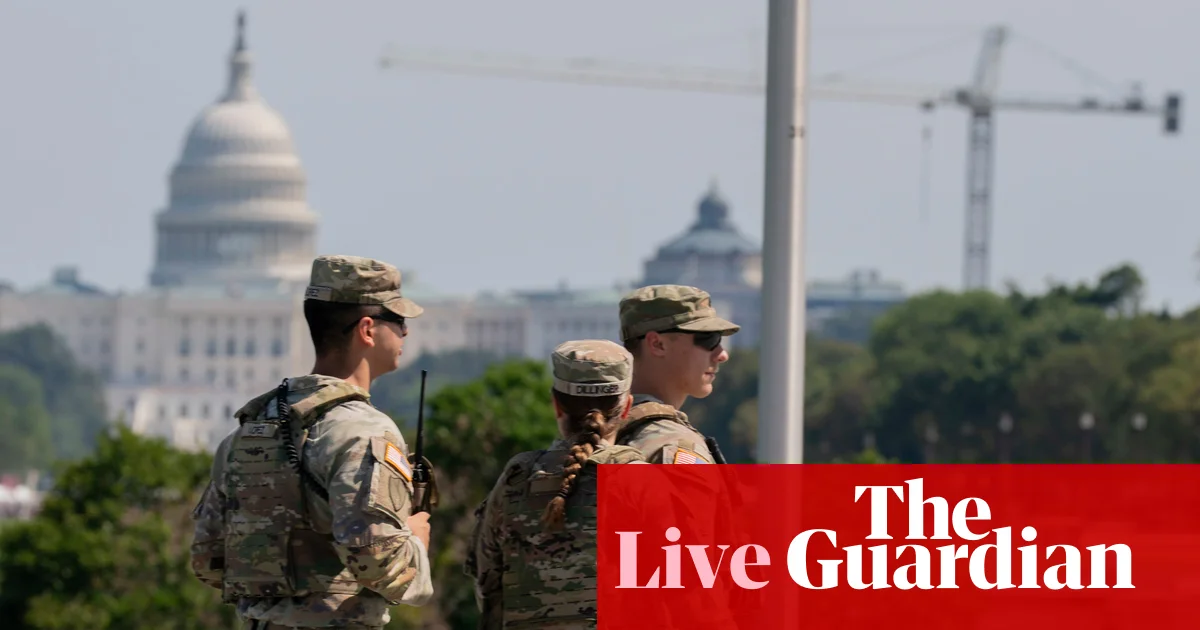
Trump is considering bypassing Congress to extend control over Washington, D.C., citing a national emergency and deploying the National Guard to address rising violence, while working with Republicans on a new crime bill targeting the city.
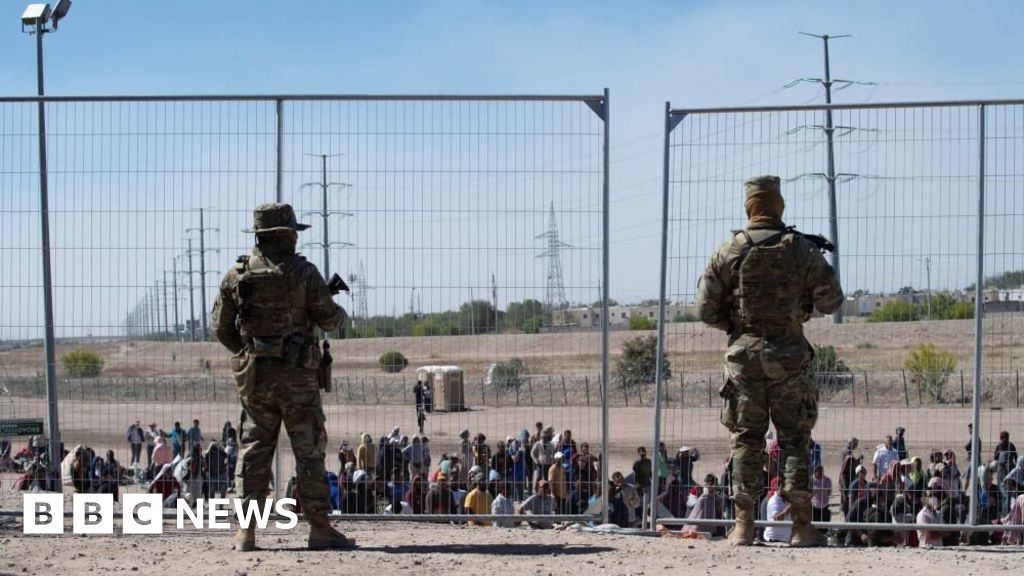
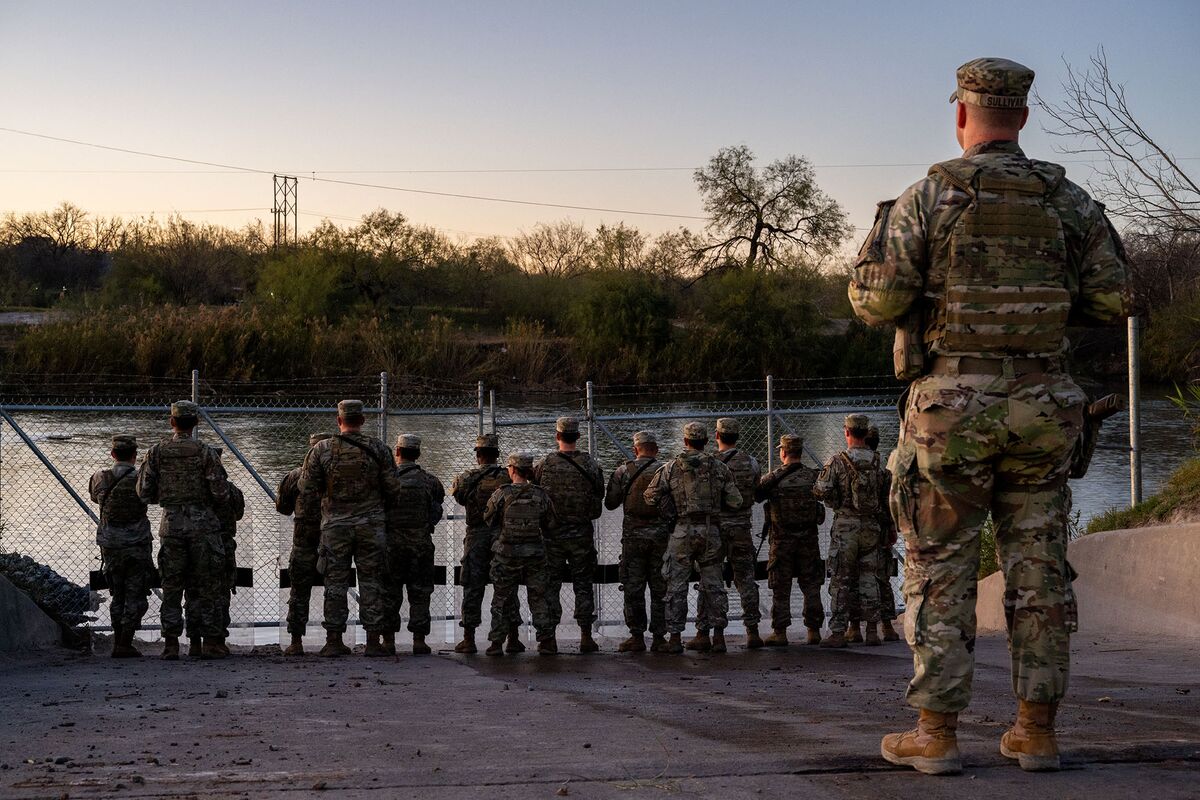
President-elect Donald Trump has announced plans to use the US military for mass deportations of undocumented migrants, confirming intentions to declare a national emergency to facilitate this process. Despite logistical and financial challenges, Trump is determined to proceed, having appointed key allies to oversee immigration policies. The American Civil Liberties Union (ACLU) has filed a lawsuit seeking more details on the plan, which faces potential legal challenges. Trump's administration aims to surpass previous deportation numbers, with plans still being finalized.
President-elect Donald Trump has confirmed plans to use the US military for a large-scale deportation effort, marking it as potentially the largest in US history. This statement was made in response to a post suggesting Trump would declare a national emergency to facilitate this mass deportation program.
President-elect Donald Trump confirmed plans to declare a national emergency and use the U.S. military to deport millions of undocumented immigrants. His strategy includes expanding detention facilities and creating executive orders to withstand legal challenges. Trump aims to invoke the Alien Enemies Act and end humanitarian visa paroles for certain countries. He is assembling a team of immigration hardliners, including Tom Homan and Stephen Miller, to implement these policies.
President-elect Donald Trump confirmed plans to use the military and declare a national emergency to execute mass deportations of undocumented immigrants in the U.S. This strategy, which echoes his first-term approach of bypassing Congress, aims to target at least 15 million people. Trump has appointed Tom Homan as "border czar" to oversee the deportations, focusing on immigrants posing public safety and national security threats.
President-elect Donald Trump confirmed plans to declare a national emergency to facilitate mass deportations of undocumented migrants using military resources. Trump has appointed immigration hard-liners to key positions, including Kristi Noem as Homeland Security Secretary and Tom Homan as "border czar." The plan, which could involve the National Guard and troops from overseas, aims to deport criminals and national security threats first. Experts warn of significant economic impacts, including labor shortages and loss of tax revenue, particularly in agriculture.
President-elect Donald Trump has confirmed plans to declare a national emergency and use the U.S. military to conduct mass deportations of undocumented immigrants, a key promise of his 2024 campaign. This move is expected to affect approximately 20 million families and has prompted immigration advocates to prepare legal challenges. Trump's team is working on crafting executive orders that can withstand legal scrutiny, and he has begun appointing immigration hardliners to key positions, including Tom Homan as "border czar" and Kristi Noem as Secretary of Homeland Security.
As the U.S. marks the four-year anniversary of the Covid-19 pandemic, many Americans continue to feel its lasting impact, with changes in daily life such as hybrid work schedules, ongoing grief for lost loved ones, and a sense of smaller social circles. While the threat of severe illness has diminished, the effects of the pandemic persist, reshaping the lives of individuals like Jessie Thompson, a mother in Chicago, who now enjoys more time with her children and deeper connections with her neighbors due to the changes brought about by the pandemic.
An overturned vessel has caused a massive oil spill along Trinidad and Tobago’s coastline, prompting the country’s prime minister to declare a “national emergency.” The spill, which occurred off the southern shores of Tobago Island, has blackened approximately 15 kilometers of coastline. Efforts to control the spill involve government agencies and volunteers, but the situation remains uncontained. The origins of the vessel are unknown, and authorities are working to prevent the oil from spreading further. The spill has raised concerns about the impact on public health and the local tourism industry.
Trinidad and Tobago's prime minister has declared a "national emergency" following a large oil spill near the country's coast, with oil already coating beaches on Tobago's southwest coast. The owner of the overturned vessel has not been identified, and the extent of the spill remains unclear. Divers are working to contain the leak and assess the remaining oil, while concerns about the impact on tourism and the environment persist. International assistance has been offered, and cleanup efforts are ongoing, with weather conditions currently aiding the response.