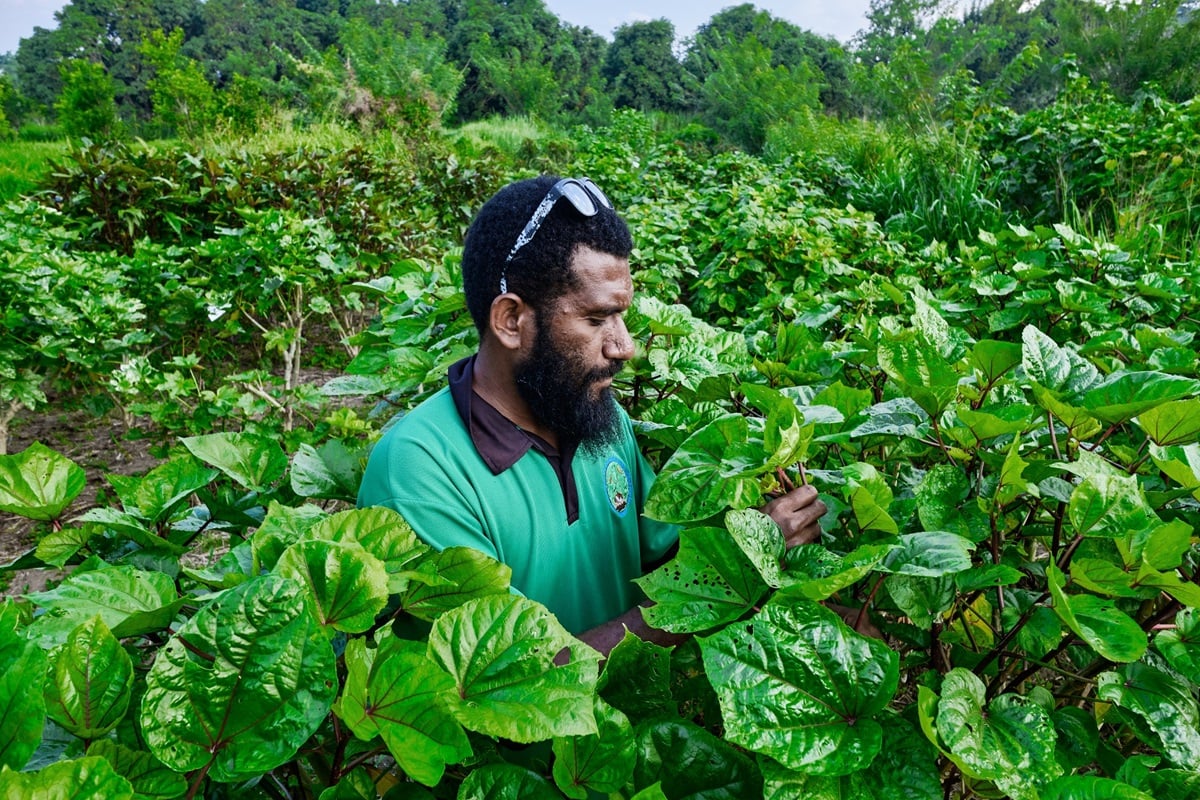
A study links parental occupational exposure to chemicals like plastics, ethylene oxide, phenols, and pharmaceuticals with increased severity of autism symptoms and developmental challenges in children, highlighting the importance of workplace safety for future generations.
NASA is accepting applications for its next astronaut class, offering a salary of over $152,000 a year with extensive travel required. The job entails conducting operations in space, performing extravehicular activities, and serving as the public face of NASA. However, applicants must undergo two years of training and meet specific qualifications, such as a background in piloting, science, engineering, or medicine. Despite the occupational hazards and challenges, including physiological and psychological impacts, the space agency is preparing for crewed lunar flybys and potential missions to establish a more permanent human presence on the moon, as well as to Mars.
Working under the sun is responsible for nearly 1 in 3 deaths from non-melanoma skin cancer, according to estimates by the World Health Organization (WHO) and the International Labour Organization (ILO). The research highlights the increasing burden of skin cancer among outdoor workers and calls for action to prevent this occupational hazard. In 2019, approximately 19,000 people died from non-melanoma skin cancer due to sun exposure at work. Governments, employers, and workers are urged to implement measures such as providing shade, adjusting working hours, and supplying protective clothing to protect workers from harmful ultraviolet radiation.
A study published in Occupational & Environmental Medicine suggests that professions such as hairdressing, beautician roles, and accountancy may be associated with an increased risk of ovarian cancer. Prolonged exposure to substances like talcum powder and ammonia in these occupations could be significant factors. The research also indicates potential risks for individuals in sales, retail, clothing, and construction sectors. However, further research is needed to confirm these findings and improve understanding of women's occupational risks related to ovarian cancer.
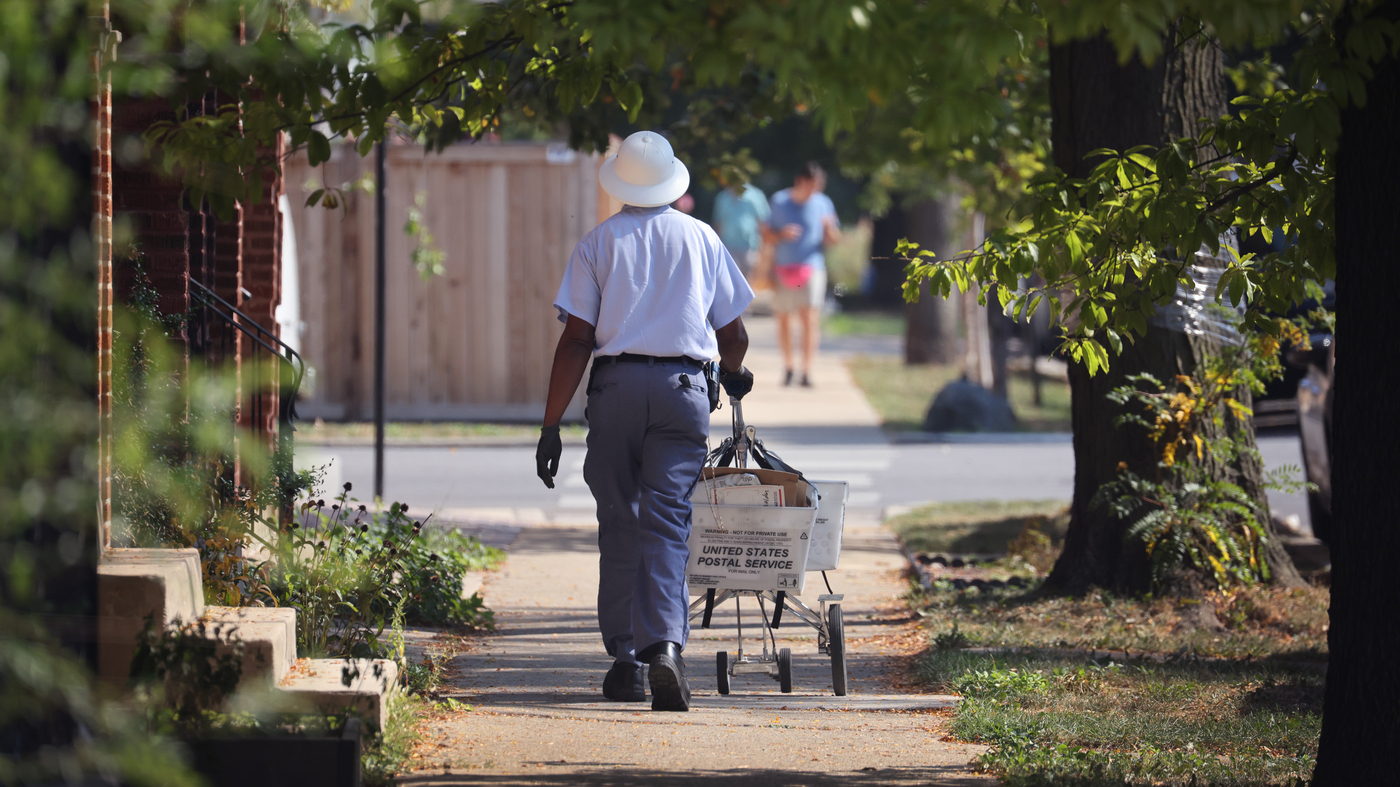
More than 5,300 postal workers were attacked by dogs while delivering mail in 2021, according to the US Postal Service. Even well-behaved dogs can become aggressive towards postal workers, who often have to enter properties to deliver mail. California had the highest number of attacks, followed by Texas, New York, and Pennsylvania. The Postal Service is urging pet owners to keep their dogs inside, behind a fence, or on a leash when the mail carrier arrives to prevent attacks. In the event of an attack, postal workers are trained to use their mail satchel as a shield or deploy dog repellent.