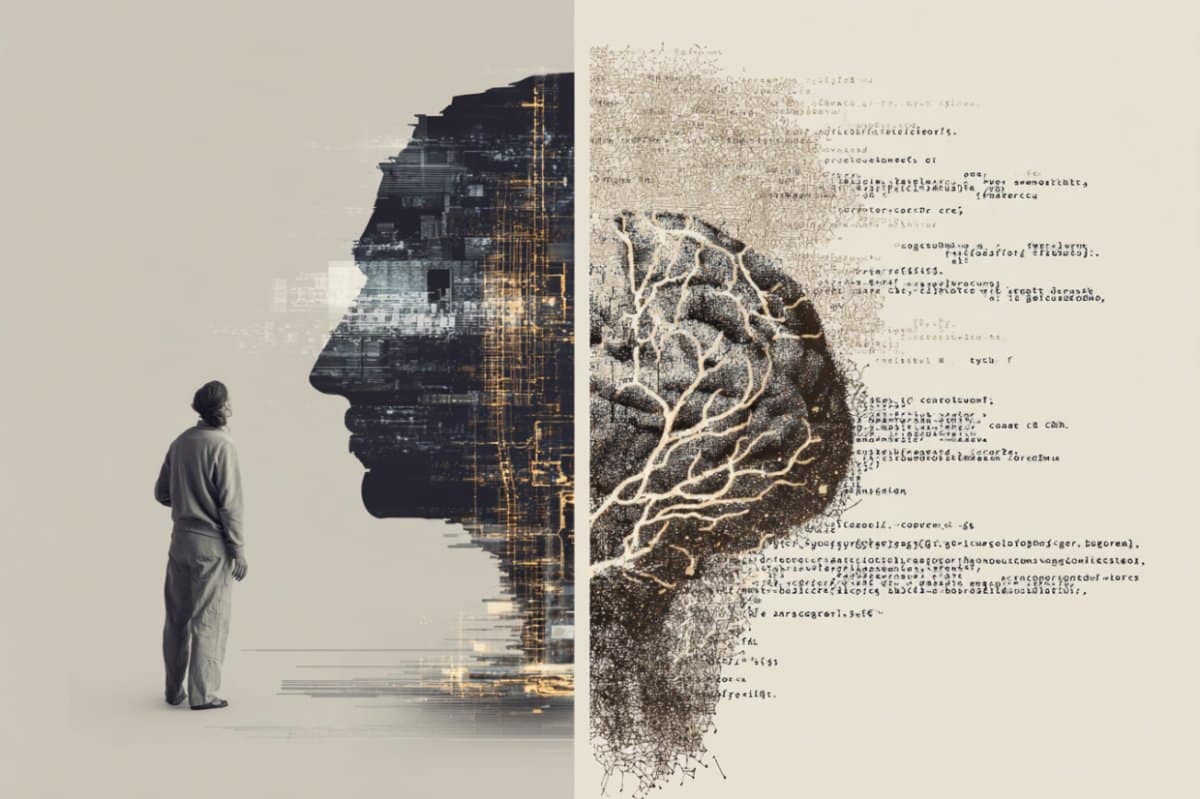
A new brain decoding technique called mind captioning can generate accurate, structured text descriptions of what a person sees or recalls by translating semantic brain activity into language without relying on traditional language areas, opening new possibilities for nonverbal communication and understanding mental content.

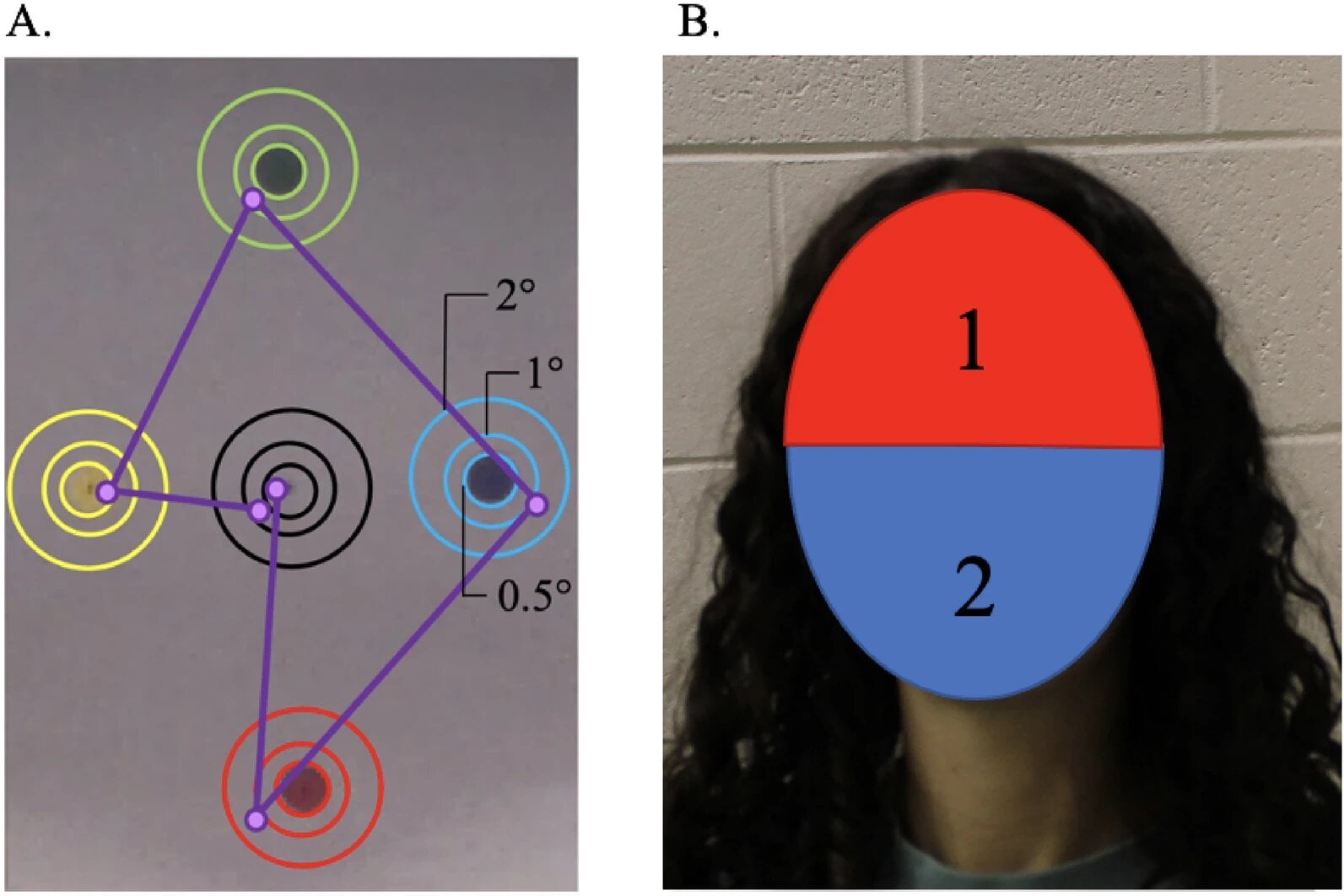
A study conducted in Canada found that direct eye-to-eye contact during face-to-face conversations is rare, but when it does occur, it predicts the likelihood of following the other person's gaze. The researchers used mobile eye-tracking glasses to measure eye-gazing patterns between pairs of strangers. They discovered that participants spent only 12% of the conversation time engaging in interactive looking, with mutual eye-to-eye contact occurring only 3.5% of the time. However, when pairs did make direct eye contact, one person was more likely to follow the other person's gaze. The study suggests that the amount of time spent looking into each other's eyes may play a significant role in social dynamics and communication.
A study conducted by researchers from McGill University and Université du Québec à Montréal (UQAM) found that although eye-to-eye contact is rare during face-to-face interactions, it plays a crucial role in shaping social behavior. Participants in the study spent only 12% of the conversation time engaging in interactive looking, with mutual eye-to-eye contact occurring only 3.5% of the time. However, the time spent looking directly into each other's eyes predicted subsequent gaze-following, indicating that eye contact conveys important social messages. The findings highlight the significance of eye-to-eye contact in communication and suggest avenues for further research on the content and variability of eye gaze in different interactive contexts.
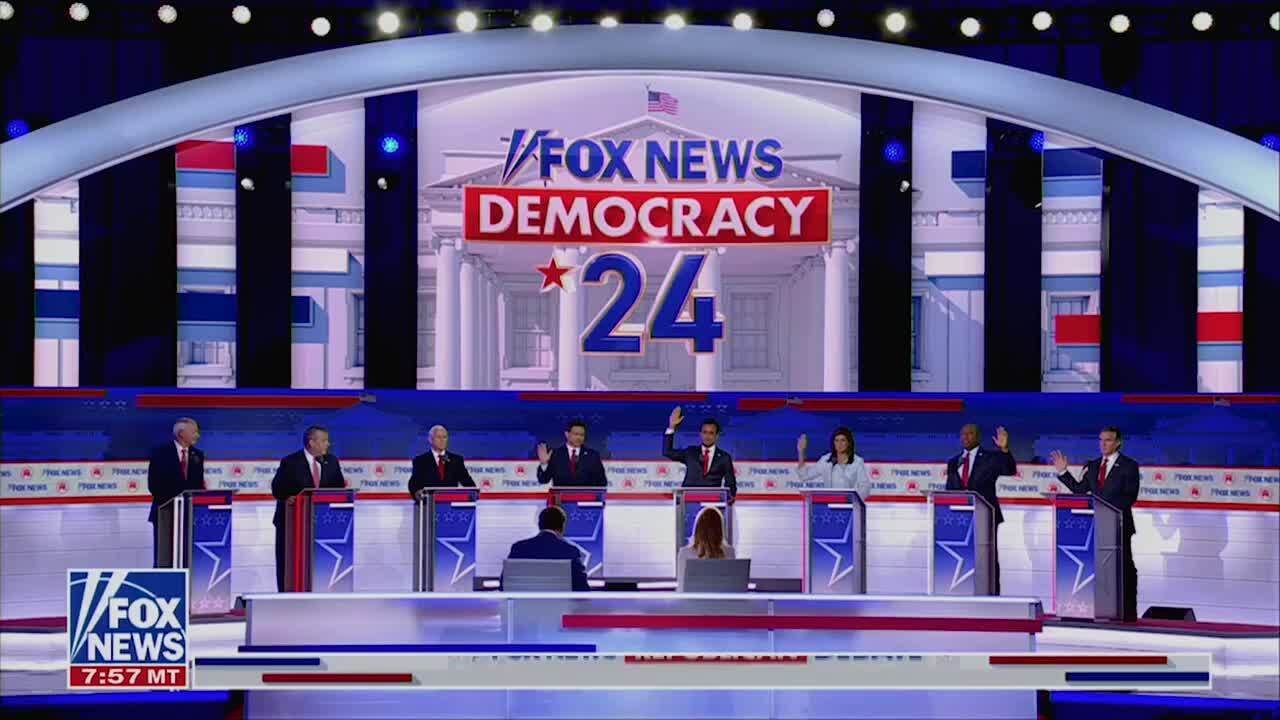
A body language expert analyzed the GOP primary debate, focusing on the candidates' nonverbal cues. Ron DeSantis appeared angry and lacked modulation in his voice, while Vivek Ramaswamy seemed comfortable and used broad gestures. Chris Christie used his eyes to convey intensity, and Mike Pence's body language became more vigorous as he engaged others directly. Tim Scott used hand gestures and a cadence reminiscent of a church pastor to connect with the audience. Nikki Haley tensed her jaw and delivered a strong vocal barrage. Doug Burgum used a visual prop, and Asa Hutchinson refused to raise his hand in support of Trump. DeSantis finally smiled at the end.
The New York Times crossword puzzle for March 27, 2023, features nonverbal gestures as theme entries, with clues indicating what each gesture is meant to convey. The puzzle also includes some tricky clues, such as French words and idiomatic expressions. The constructors aimed to highlight the efficiency of nonverbal communication and the subordination of written words to gestures.