
Tag

Gaze Following

All articles tagged with #gaze following

social-science2 years ago

The Impact of Eye-to-Eye Contact on Social Behavior

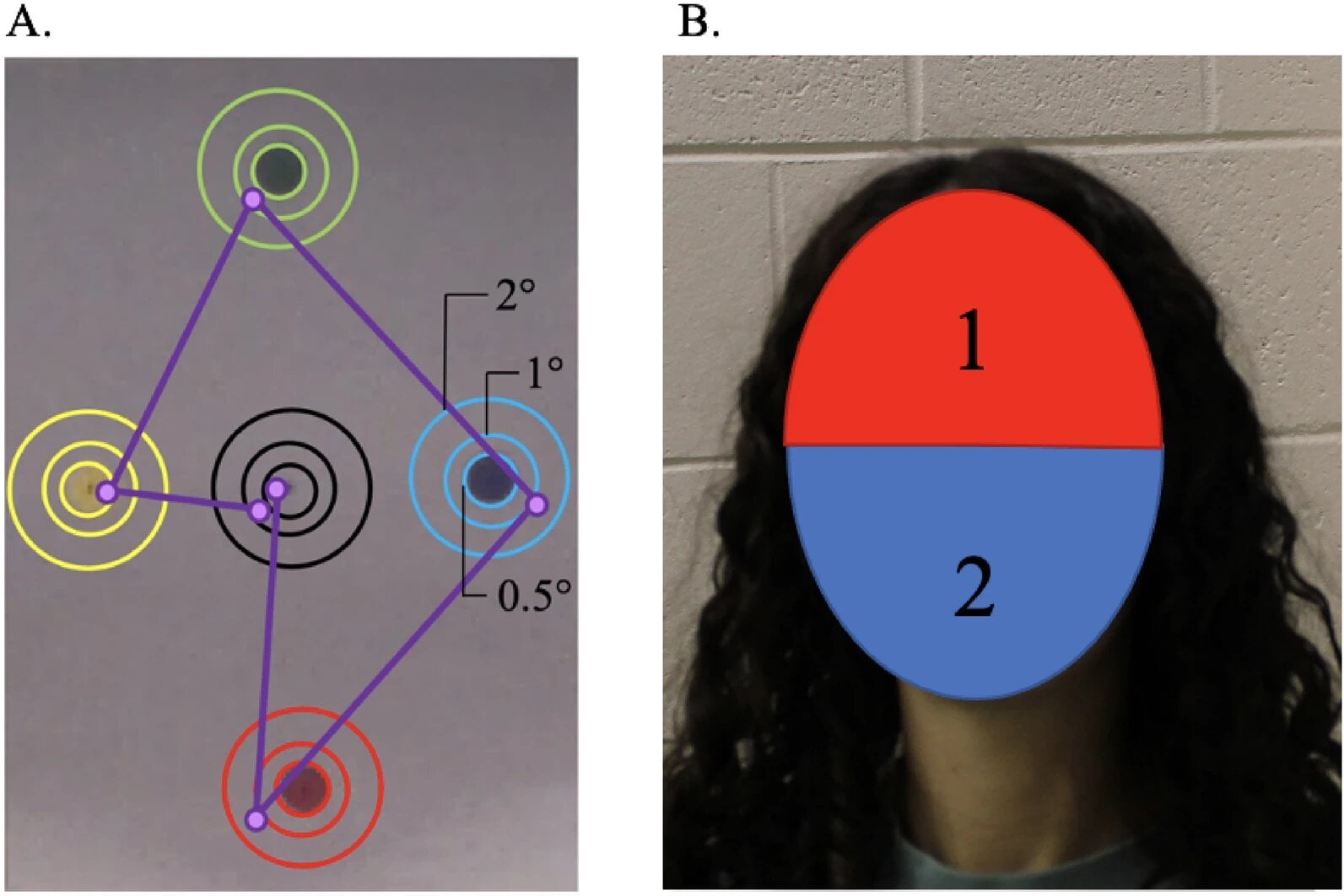
A study conducted by researchers from McGill University and Université du Québec à Montréal (UQAM) found that although eye-to-eye contact is rare during face-to-face interactions, it plays a crucial role in shaping social behavior. Participants in the study spent only 12% of the conversation time engaging in interactive looking, with mutual eye-to-eye contact occurring only 3.5% of the time. However, the time spent looking directly into each other's eyes predicted subsequent gaze-following, indicating that eye contact conveys important social messages. The findings highlight the significance of eye-to-eye contact in communication and suggest avenues for further research on the content and variability of eye gaze in different interactive contexts.
neuroscience2 years ago

Adapting Social Behavior: Child's Play

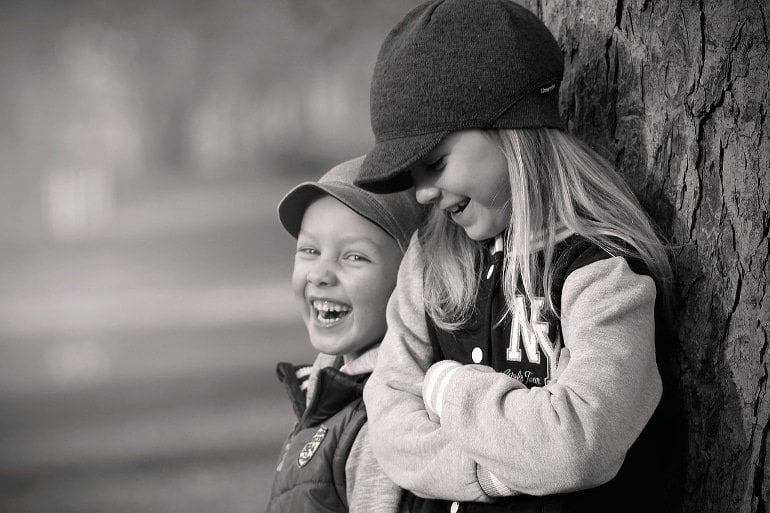
A new study proposes that infants integrate perceptual information, memories, and current physiological state to determine the optimal behavior in any social context through a value-driven decision-making process. The study suggests that infants first encode social cues in each context, process these social stimuli to form a representation of the current social situation, and then calculate and compare the values of different alternative actions within a particular social situation. Infants finally choose to perform the optimal action that has the highest action value, that is, one that will result in the most suitable response/outcome in that social situation.

neuroscience2 years ago

Adapting Social Behavior: Child's Play

A new study proposes that infants integrate perceptual information, memories, and current physiological state to determine the optimal behavior in any social context through a value-driven decision-making process. The study suggests that infants first encode social cues in each context, process these social stimuli to form a representation of the current social situation, and then calculate and compare the values of different alternative actions within a particular social situation. Infants finally choose to perform the optimal action that has the highest action value, that is, one that will result in the most suitable response/outcome in that social situation.