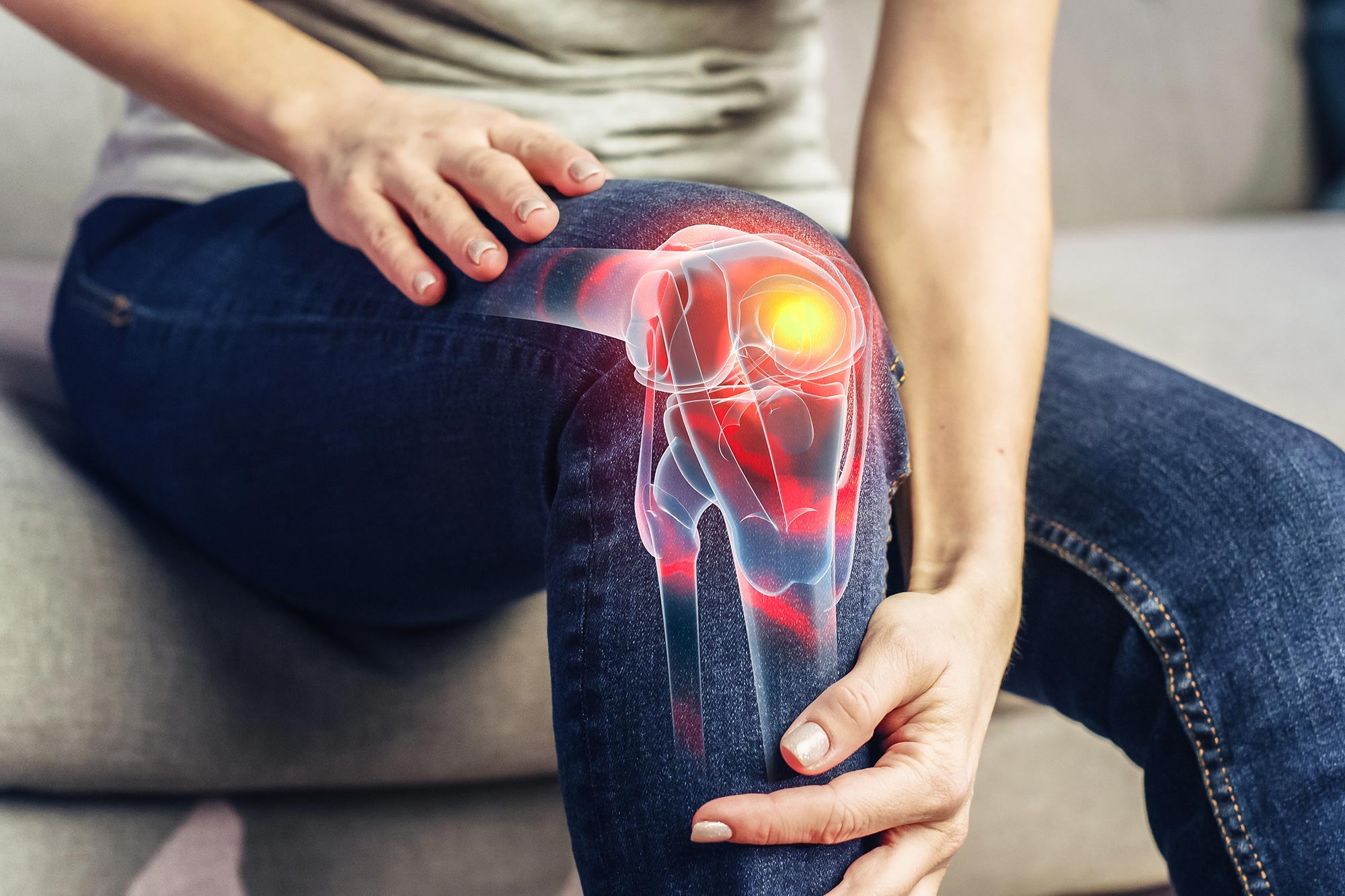
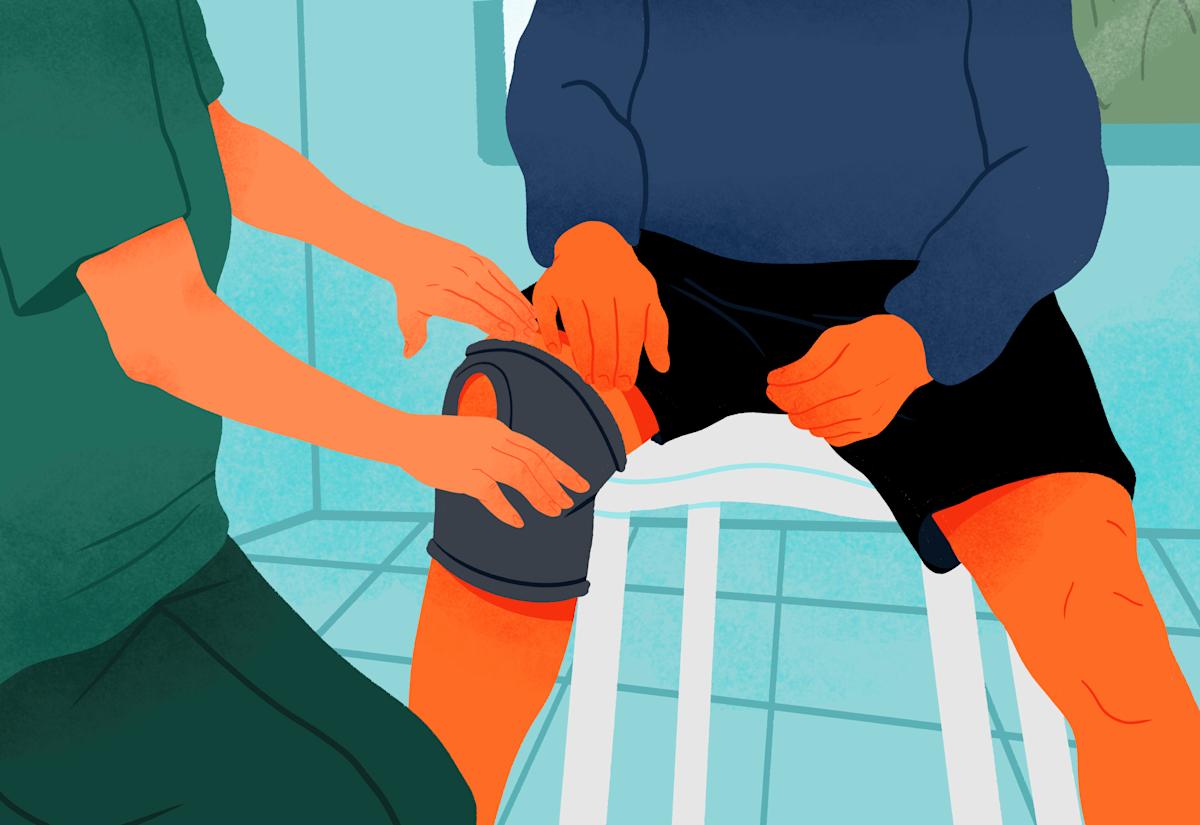
A meta-analysis of nearly 10,000 participants found that knee braces, water-based therapy, and exercise are the most effective non-drug treatments for knee osteoarthritis, offering pain relief and improved mobility without the risks associated with medications.
A recent study highlights that knee braces, hydrotherapy, and exercise are among the most effective non-drug treatments for knee osteoarthritis, with braces providing significant symptom relief, though patient compliance can be challenging. Staying active and maintaining a healthy weight are emphasized as the best long-term strategies for managing symptoms and slowing disease progression.
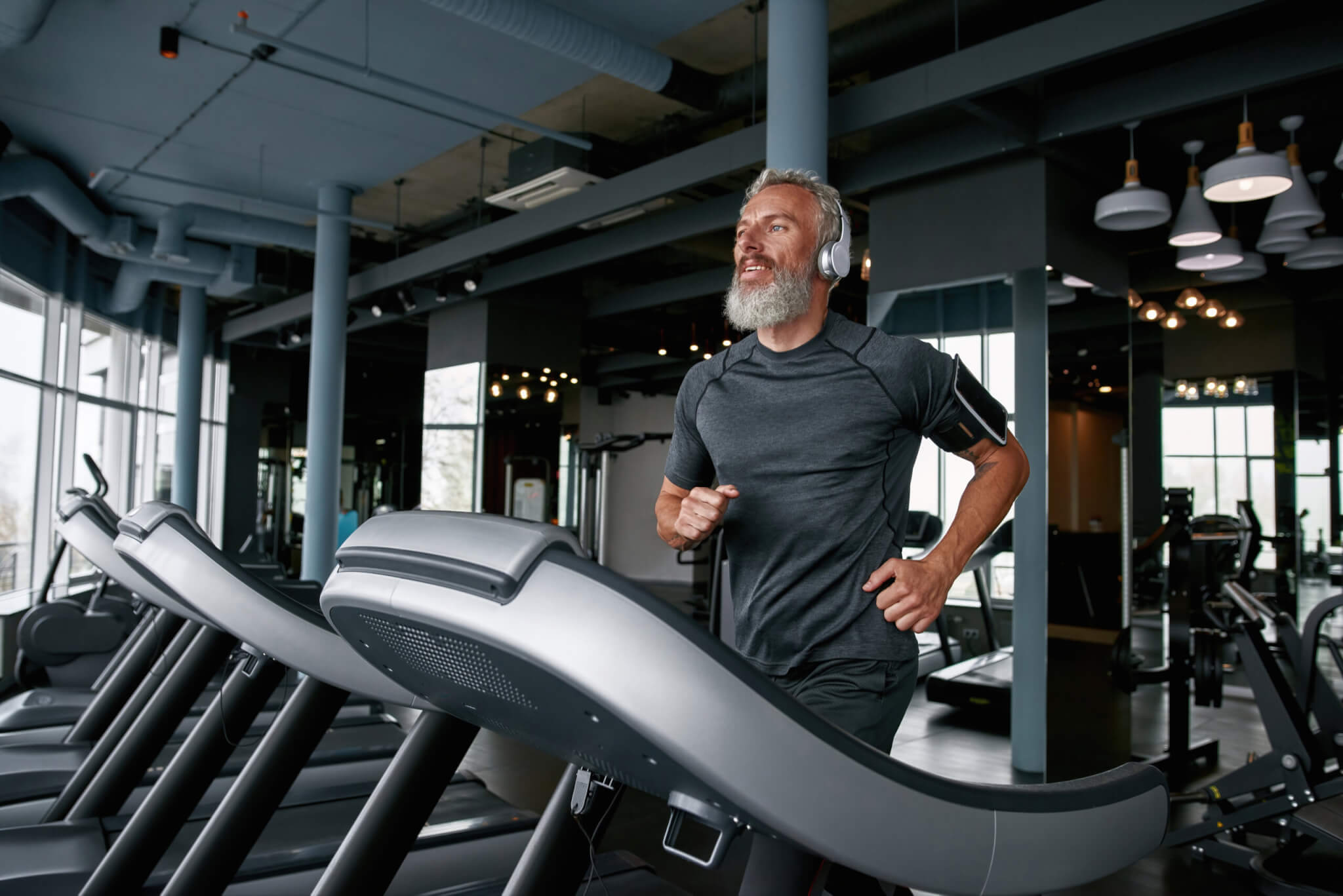
Regular treadmill exercise, such as daily runs, may help prevent Parkinson's disease by stimulating the production of brain-derived neurotrophic factor (BDNF), a protein critical for the survival and growth of brain neurons. BDNF enhances the brain's capacity to reorganize and adapt, reduces the spread of pathological alpha-synuclein aggregates associated with Parkinson's, and helps preserve motor skills and visual processing. The study suggests that exercise in the early stages of the disease induces long-lasting beneficial effects on movement control. Identifying new therapeutic targets and functional markers could aid in developing non-drug treatments to complement current drug therapies for Parkinson's disease.
Intensive exercise has been found to slow the progression of Parkinson's disease, according to a study by neuroscientists. The research identified a new mechanism through which exercise in the early stages of the disease induces beneficial effects on movement control that can last even after training is stopped. The study demonstrated that intensive physical activity increases the production of brain-derived neurotrophic factor (BDNF), which has neuroprotective effects. The exercise reduced the spread of pathological alpha-synuclein aggregates, which cause dysfunction in neurons essential for motor control. The findings could lead to the development of non-drug treatments for Parkinson's disease.
Inspiratory muscle training (IMT) has shown promising results in reducing blood pressure by about 7 mmHg systolic and 2 mmHg diastolic in people with elevated blood pressure. IMT also has potential benefits for endothelial health and overall cardiovascular well-being. While the benefits may not be significant, they are comparable to some blood pressure medications and can help reduce the risk of heart disease and stroke. Other non-drug treatments for high blood pressure include salt restriction and relaxation techniques. Additionally, tannins in tea, not caffeine, can decrease the absorption of non-heme iron, while heme iron found in meat is not affected.