
Tag

Ngc 3156

All articles tagged with #ngc 3156

astronomy2 years ago

"Hubble Telescope Captures Mesmerizing Glowing Galactic Disk in Deep Space"

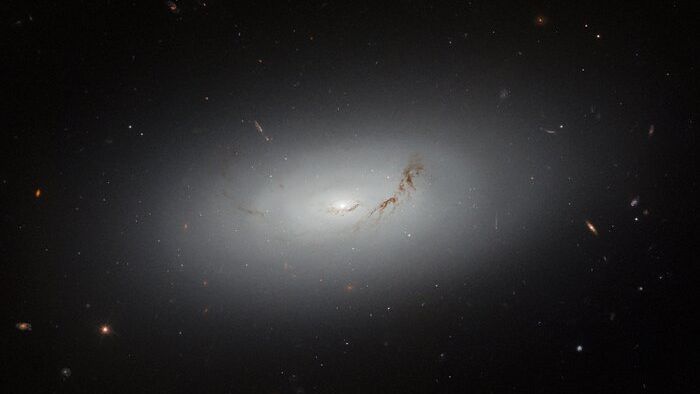
The Hubble Space Telescope has captured a stunning image of the distant galaxy NGC 3156, located 73 million light-years away in the Sextans constellation. NGC 3156 is a lenticular galaxy, characterized by a bright central bulge and no distinct spiral arms. The image reveals faint concentric ovals that grow brighter towards the galaxy's core, as well as two threads of dark red interstellar dust circling the central bulge. The sparse surrounding area suggests few cosmic neighbors. The Sextans constellation is named after the astronomical tool used to measure angular distances in the sky, and the Hubble photo highlights the historical significance of sextants in astronomy.
astronomy2 years ago

"Hubble Telescope Captures Mesmerizing Glowing Galactic Disk in Deep Space"

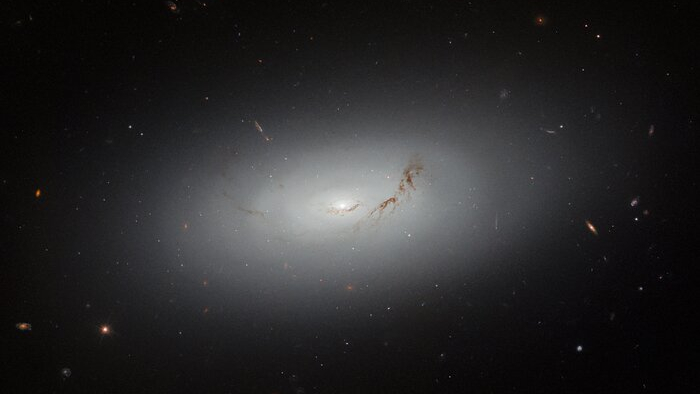
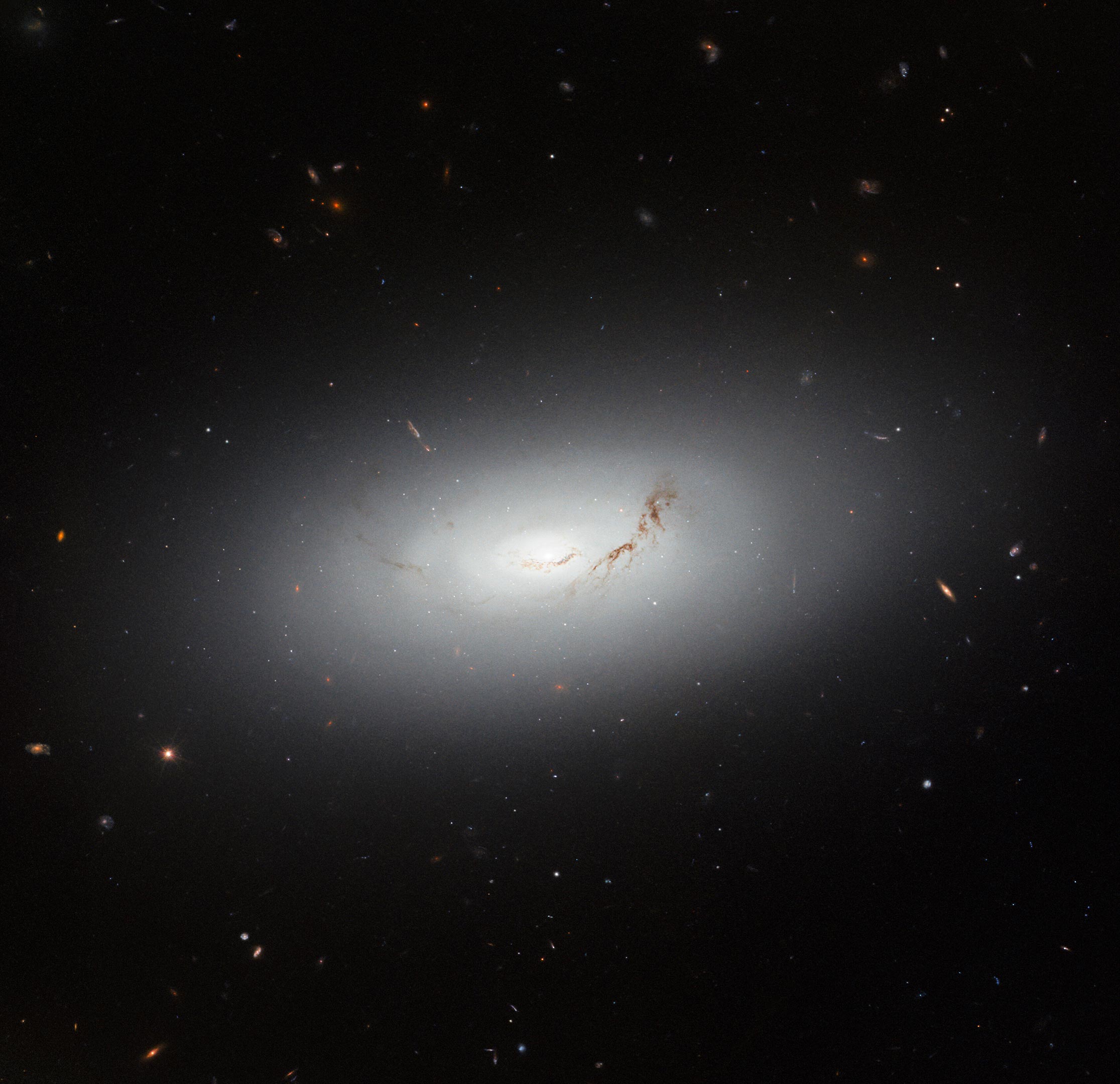
The Hubble Space Telescope has captured a stunning image of a distant galaxy, NGC 3156, located 73 million light-years away in the Sextans constellation. This lenticular galaxy features a bright central bulge and faint concentric ovals that become progressively brighter towards the core. Two threads of dark red interstellar dust can be seen crossing the galaxy's disk. The photo also reveals the sparse surroundings of deep space. The Sextans constellation, named after an ancient astronomical tool, occupies a relatively dark area of the sky. The Hubble's advanced instruments have allowed astronomers to study NGC 3156's position, stellar population, and its supermassive black hole.

astronomy2 years ago

Navigating the Cosmos: Hubble's Glimpse of NGC 3156

The Hubble Space Telescope captured a stunning image of the lenticular galaxy NGC 3156, located 73 million light-years away in the constellation Sextans. Sextans, a small constellation named after the navigational instrument sextant, holds historical significance as Islamic scholars developed astronomical sextants centuries before their use in navigation. While modern astronomy no longer relies on sextants, NGC 3156 continues to be studied for its globular clusters, recent star formation, and the impact of a supermassive black hole at its center. Sextants, shaped like one-sixth of a circle, were crucial tools for accurate navigation over vast expanses of ocean and air.