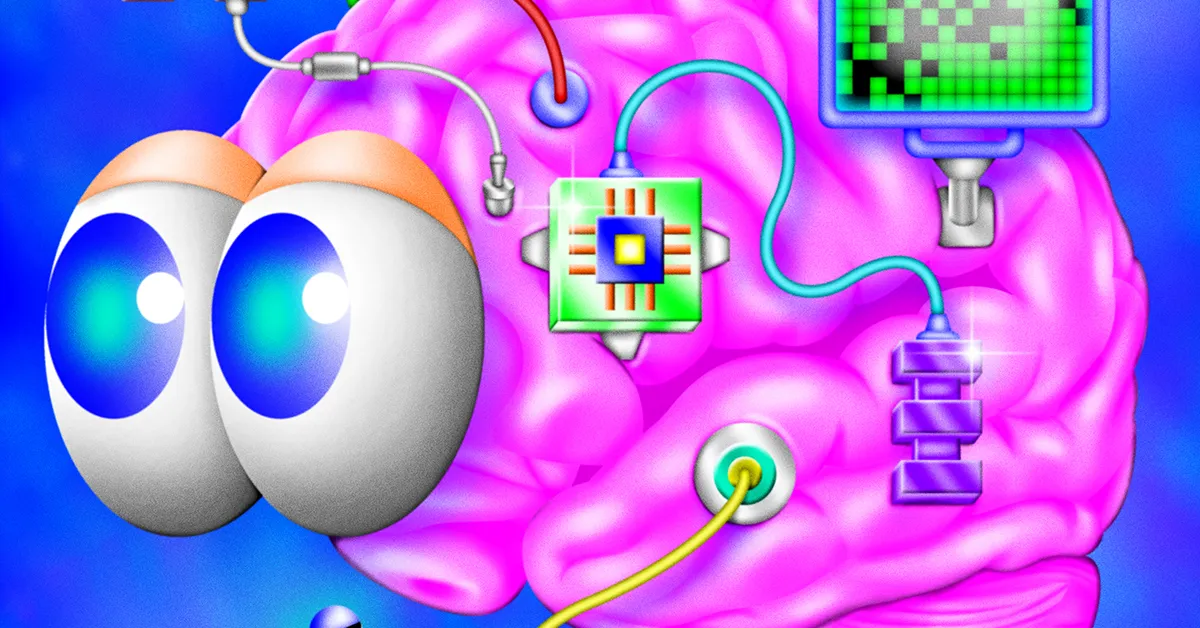
New wearable devices that read brain waves using EEG technology are emerging, aiming to improve sleep, boost productivity, and enable brain-controlled devices, with applications ranging from health treatment to gaming, raising privacy concerns about neuro data security.
Helius Medical Technologies, Inc. has obtained HCPCS Level II codes for its Portable Neuromodulation Stimulator (PoNS) mouthpiece and controller, a significant step towards reimbursement for the only U.S.-approved medical device for treating gait deficit due to multiple sclerosis. The company's recent stock issuances have extended its cash runway into the third quarter of 2024. The PoNS device, indicated for use in the U.S. as a short-term treatment for gait deficit due to mild-to-moderate MS symptoms, is also being pursued for stroke authorization.
Researchers have developed a non-invasive method to identify hand gestures through brain imaging using magnetoencephalography (MEG). The technique could contribute to the evolution of brain-computer interfaces, which could help individuals with physical challenges to control supportive devices using their minds. MEG measurements from only half of the brain regions sampled yielded nearly comparable results, suggesting future MEG helmets might require fewer sensors. The researchers successfully used non-invasive MEG to distinguish different hand gestures with over 85% accuracy, representing the most successful non-invasive single-hand gesture differentiation achieved to date.