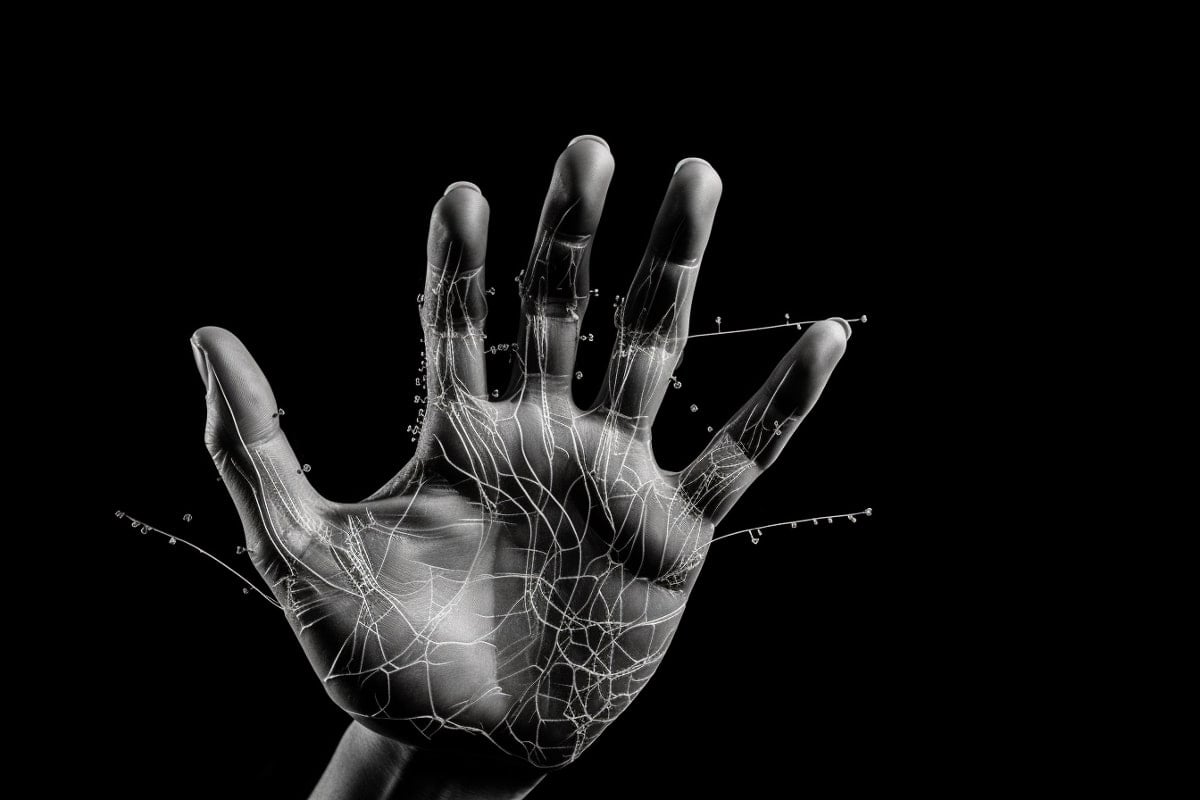
Decoding Hand Gestures with Non-Invasive Brain Imaging
Researchers have developed a non-invasive method to identify hand gestures through brain imaging using magnetoencephalography (MEG). The technique could contribute to the evolution of brain-computer interfaces, which could help individuals with physical challenges to control supportive devices using their minds. MEG measurements from only half of the brain regions sampled yielded nearly comparable results, suggesting future MEG helmets might require fewer sensors. The researchers successfully used non-invasive MEG to distinguish different hand gestures with over 85% accuracy, representing the most successful non-invasive single-hand gesture differentiation achieved to date.
2 years ago•Source: Neuroscience News