

Tag

Neurocognition

All articles tagged with #neurocognition

Advancements in Schizophrenia Research: October 20 Update
mental-health-research2 years ago

Advancements in Schizophrenia Research: October 20 Update

New studies on schizophrenia reveal that middle-aged and elderly patients with good visuospatial ability and attention function are more likely to experience suicidal ideation, highlighting the need for targeted interventions. Smoking cigarettes is associated with lower serum concentrations of olanzapine in patients with schizophrenia, potentially leading to subtherapeutic effects. Insomnia symptoms in patients with schizophrenia are linked to impaired language abilities, suggesting that addressing insomnia could enhance cognitive function and quality of life.
Dinosaurs Had Advanced Perspective-Taking Abilities, Study Shows
science2 years ago

Dinosaurs Had Advanced Perspective-Taking Abilities, Study Shows

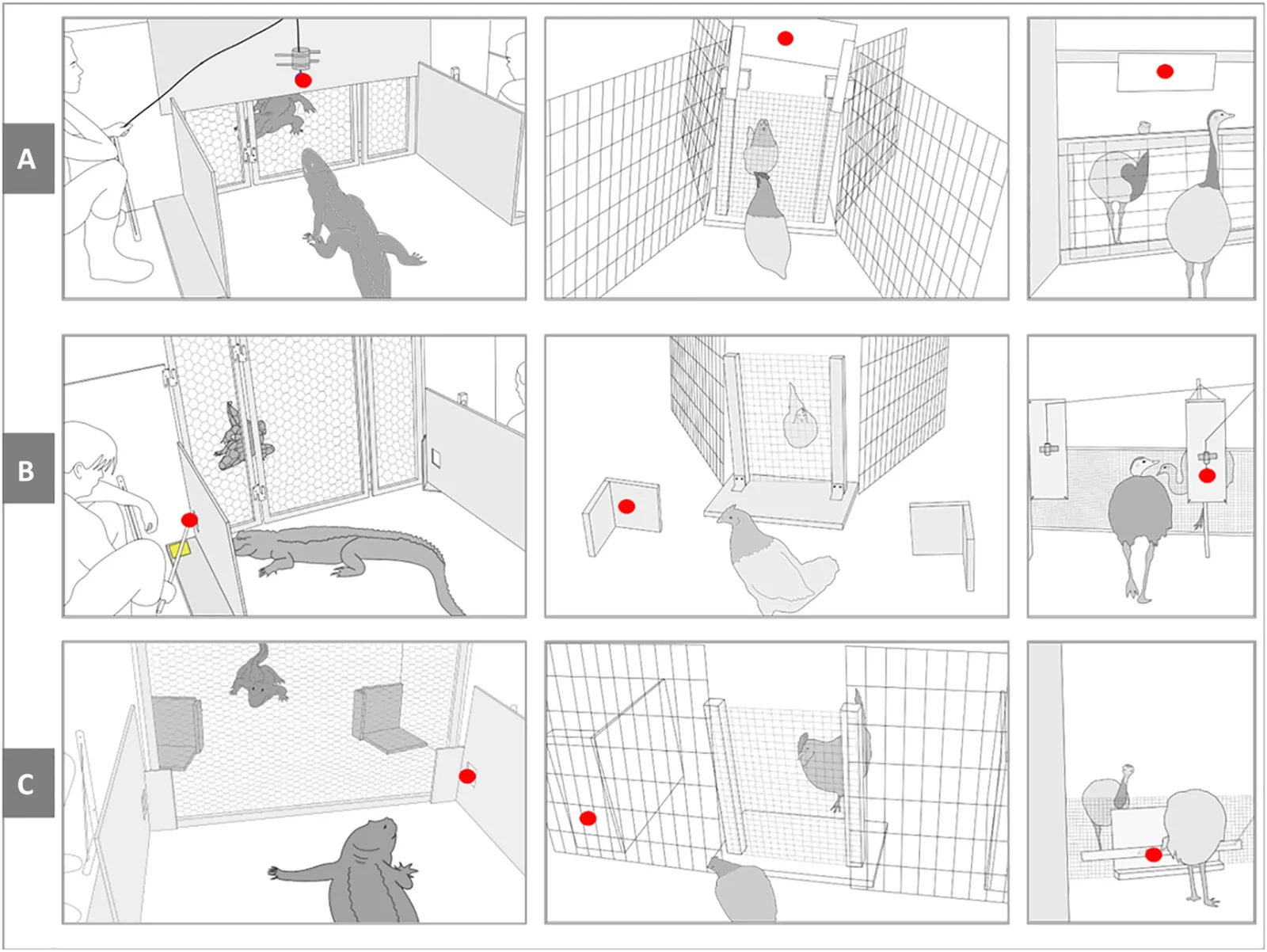
A new study suggests that visual perspective taking, the cognitive ability to follow an obstructed gaze, originated in the dinosaur lineage about 60 million years before appearing in mammals. Researchers found that this ability was present in certain bird species, indicating that avian dinosaurs had remarkable neurocognition that predates the emergence of similar skills in mammals. The study challenges the notion that complex cognition evolved primarily in mammals and highlights the cognitive abilities of birds and their dinosaur ancestors.

Dinosaurs may have been the first to understand others' perspectives.
science2 years ago

Dinosaurs may have been the first to understand others' perspectives.

A new study from Lund University suggests that visual perspective taking, the ability to understand that others hold different viewpoints from your own, first arose in dinosaurs, at least 60 million years before it appeared in mammals. The study compared alligators with the most primitive existing birds, known as palaeognaths, and discovered that visual perspective taking originated in the dinosaur lineage. The findings challenge the idea that mammals were the originators of novel and superior forms of intelligence in the wake of the dinosaur extinction.