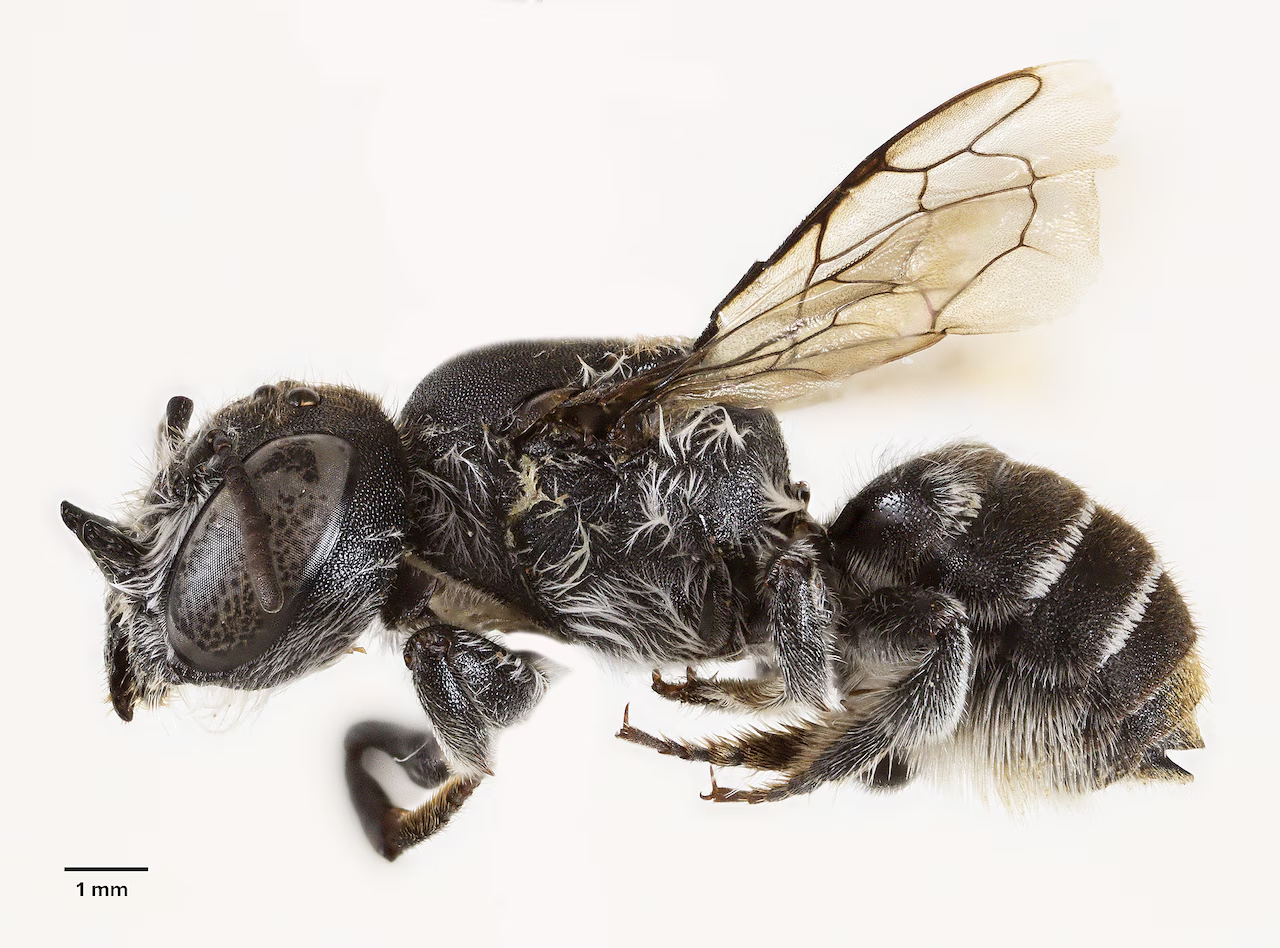
A new bee species named 'Lucifer' with devil-like horns was discovered in Australia, highlighting the importance of native bee research for ecosystem preservation amid habitat threats.
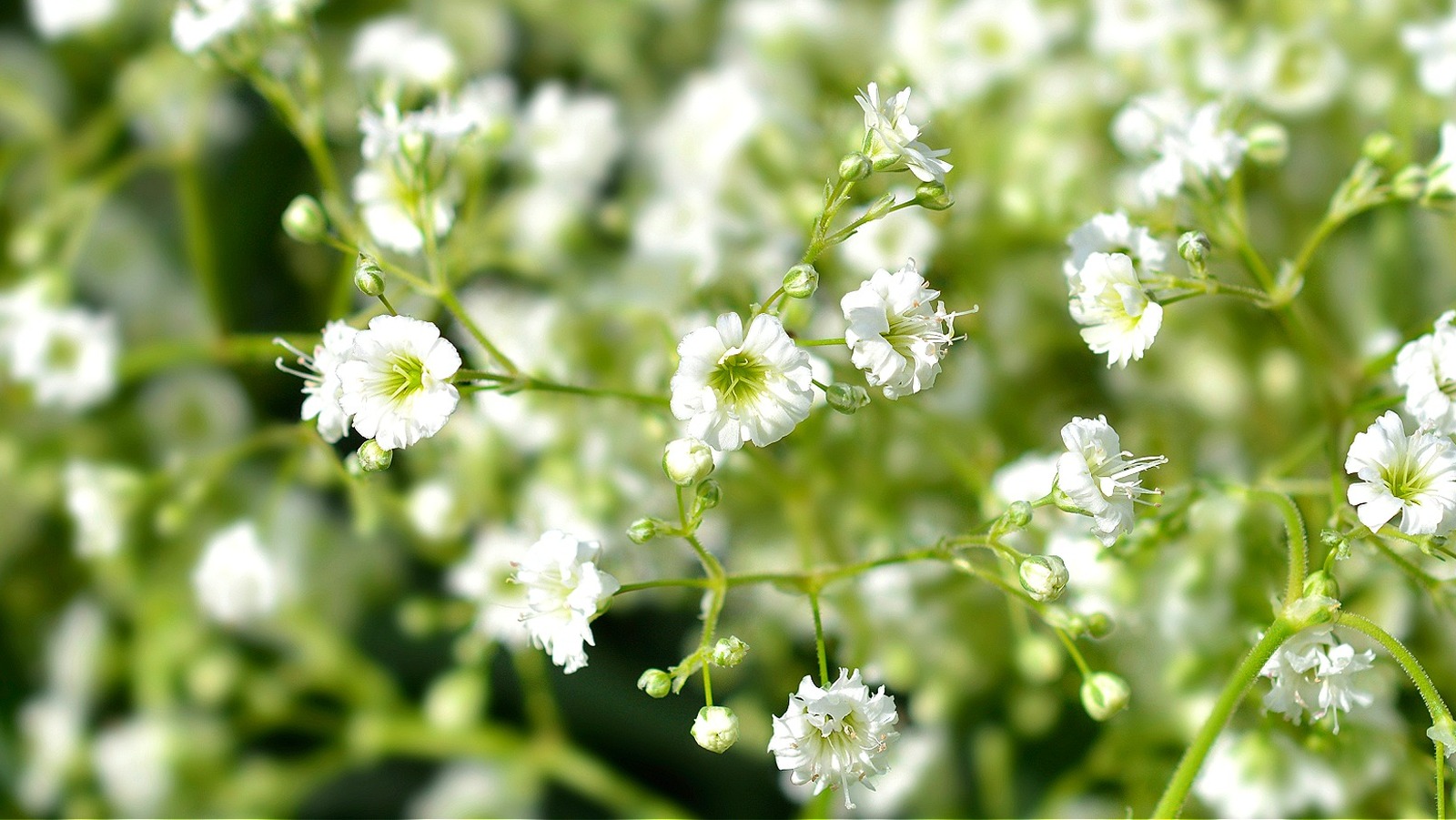
Baby's breath, a popular choice for its delicate white flowers, has the potential to become invasive due to its ability to produce millions of seeds. It is listed as a noxious weed in some areas and has threatened native plants and habitats. To prevent its rapid proliferation, gardeners can use fine mesh insect netting or grow it in a shielded structure. Managing baby's breath early on and cutting below the crown can help control its growth.
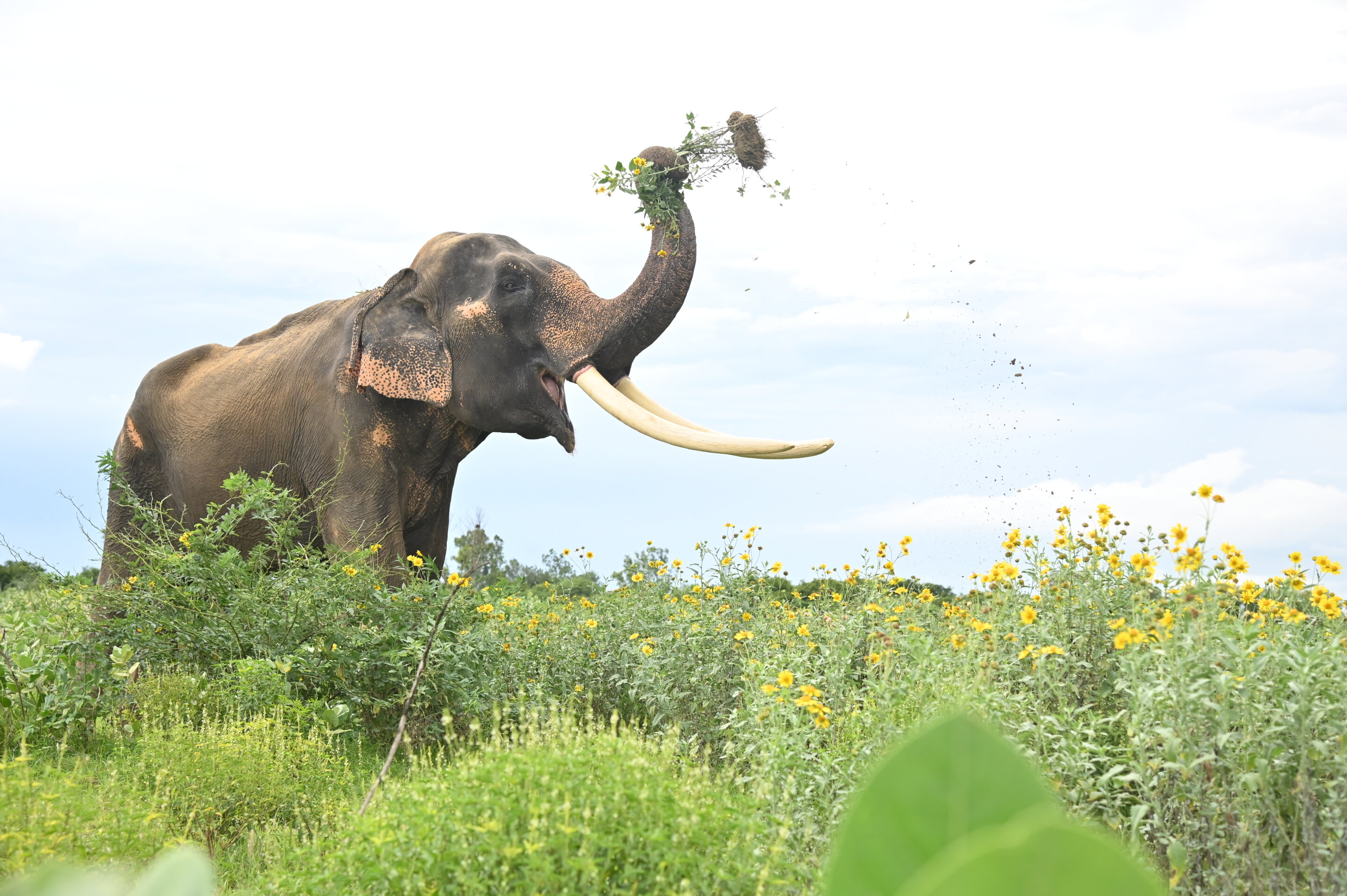
A study from Aarhus University and the Wildlife Institute of India reveals that large herbivores, such as elephants and rhinos, can help protect native plants by eating and trampling on invasive plant species. Native plants have evolved to withstand the impact of herbivores they coexist with, while invasive plants typically cannot. The research suggests that using large herbivores as a natural weapon can prevent invasive plants from outcompeting native species. The study's findings are relevant not only in India but also in other areas with herbivores of varying sizes.