Last week, some of the world's most precise atomic clocks were off by about five-millionths of a second due to a wind-induced power outage, highlighting the sensitivity of high-precision time standards used globally.
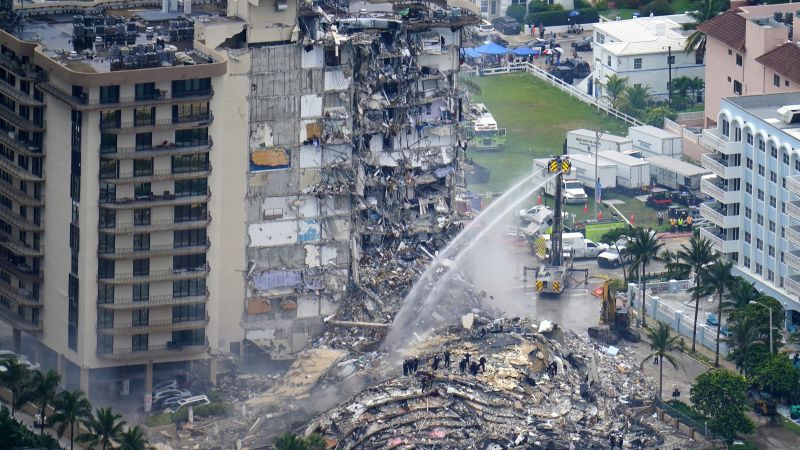
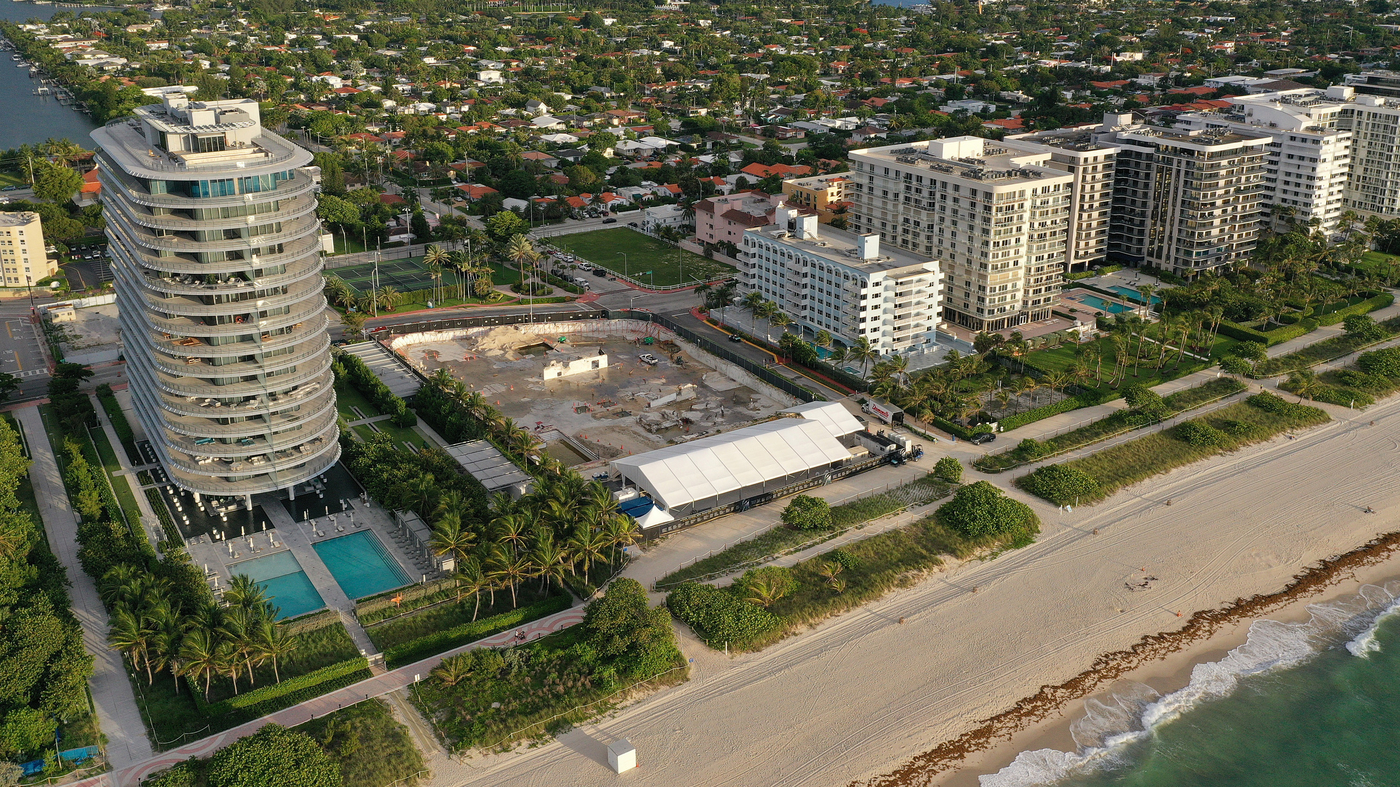
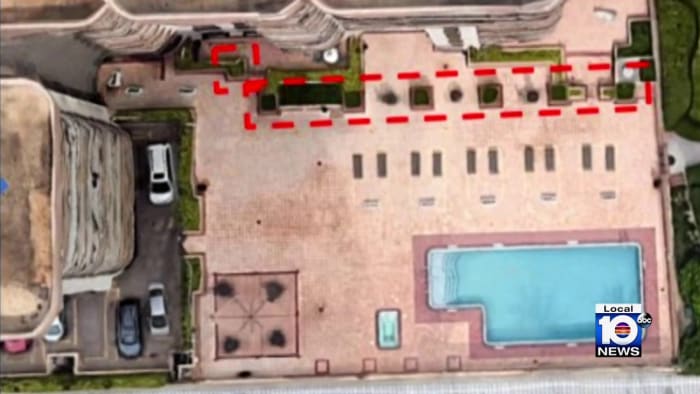
Federal investigators have provided key insights into the possible causes of the catastrophic 2021 condominium collapse in Surfside, Florida, identifying deficiencies in the building's construction, particularly in the pool deck and tower columns. The probe has revealed that the building's swimming pool deck collapsed at least four minutes before the rest of the building, and investigators are now focusing on potential structural failures in the pool deck or supporting columns. While the investigation has identified strong evidence for the most likely causes, they must still rule out dozens of other hypotheses. The final findings are expected to be released in a report next year, and may uncover potential issues in other similar buildings nationwide.
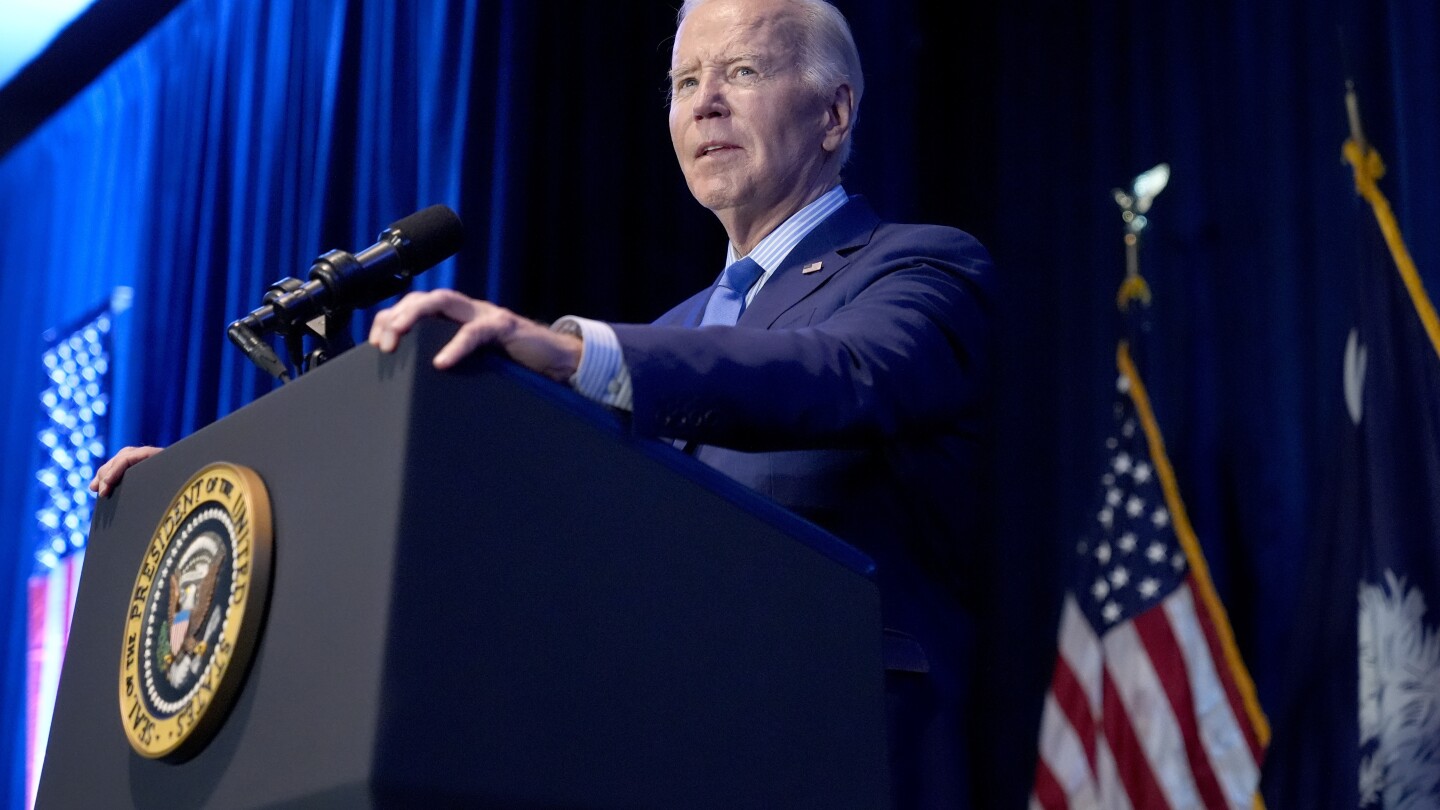
The Biden administration is set to enforce a new requirement for developers of major artificial intelligence systems to disclose safety test results to the government, as part of an executive order signed by President Biden. The government aims to ensure AI systems are safe before public release and is working on developing a uniform framework for assessing safety through the National Institute of Standards and Technology. AI has become a significant economic and national security consideration, leading to increased government focus on managing the technology, including risk assessments for critical national infrastructure and hiring of AI experts and data scientists at federal agencies.
The U.S. Department of Commerce, through the National Institute of Standards and Technology (NIST), will establish the U.S. Artificial Intelligence Safety Institute (USAISI) to lead the government's efforts on AI safety and trust. USAISI will develop standards for safety, security, and testing of AI models, authenticate AI-generated content, and provide testing environments for researchers. It will collaborate with academia, industry, government, and civil society, as well as international partners, to advance AI safety. The initiative aligns with President Biden's vision to manage AI risks and harness its benefits.
The National Institute of Standards and Technology (NIST) has released preliminary findings on the partial collapse of the Champlain Towers South building in Surfside, Florida, which killed 98 people in 2021. NIST's investigation is focusing on the failure of the building's pool deck, which was constructed improperly and didn't meet building codes. The team found problems in the way the concrete was cast, leaving it permeable to water and corroding much of its steel reinforcement. The NIST team's leading hypothesis is that the collapse began when the pool deck failed due to punching shear failure. The final report is expected in two years.
The National Institute of Standards and Technology released a preliminary report on the cause of the 2021 Surfside building collapse, finding that the Champlain Towers South pool deck had a "severe strength deficiency." The investigators also found that the design of the structure failed to meet the codes and standards applicable at the time of original construction. The final report is set to be published in May 2025. The collapse killed 98 people, and families of the victims are still seeking answers as to why it happened and who is at fault.
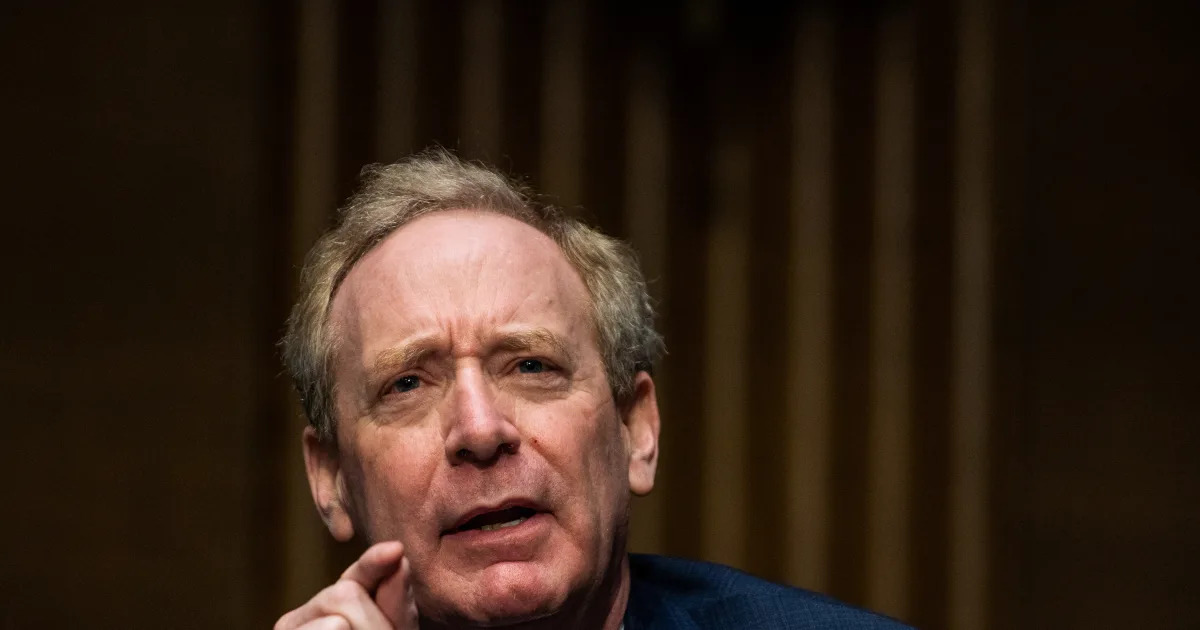
Microsoft has called for the creation of a new US federal agency to regulate AI and has suggested mandating redundant AI circuit breakers. The company also recommended that federal agencies engaging with AI tools follow the National Institute of Standards and Technology's risk management framework. Microsoft's calls for regulation follow similar remarks from OpenAI and Google. Concerns about AI have led to people walking away from its development, while Microsoft's Brad Smith compared AI's significance to that of the printing press or electricity.