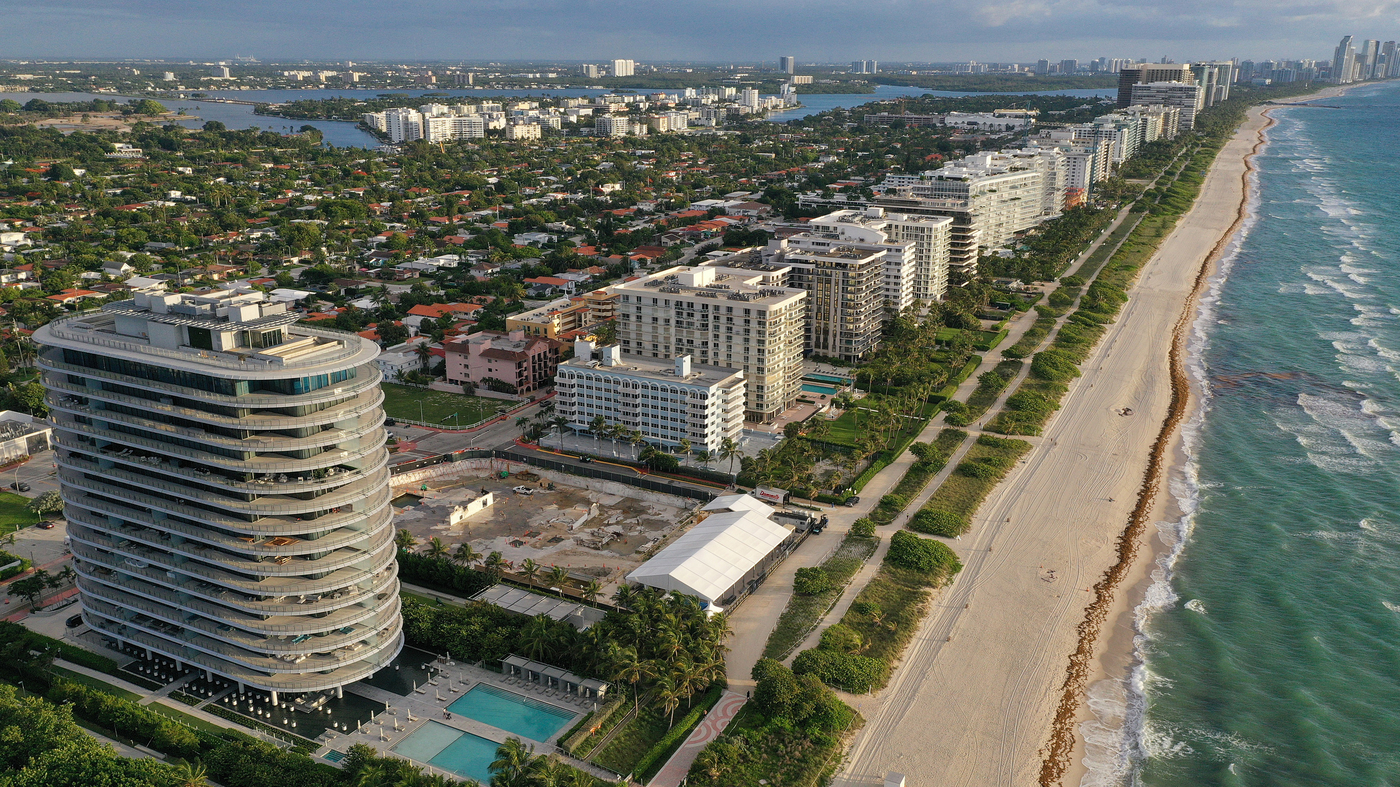
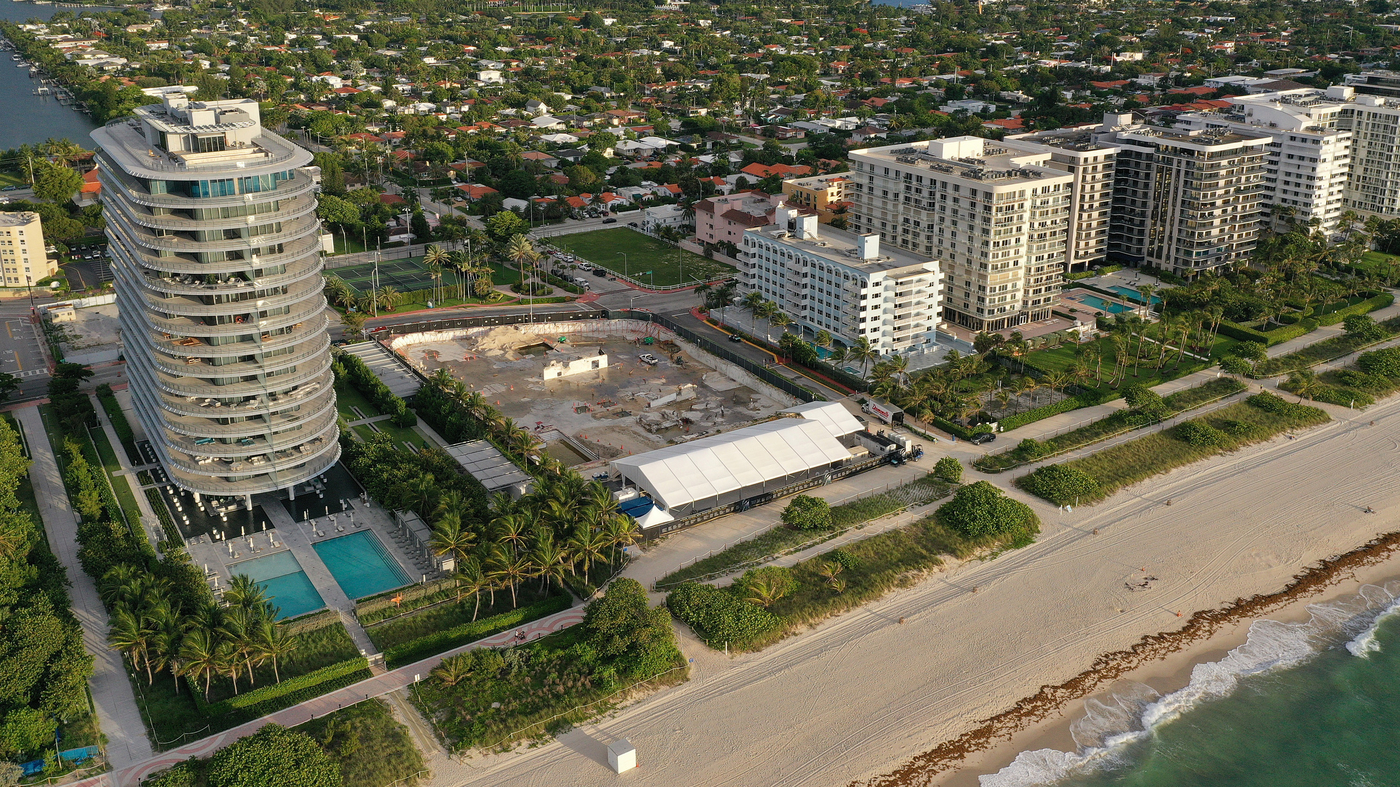
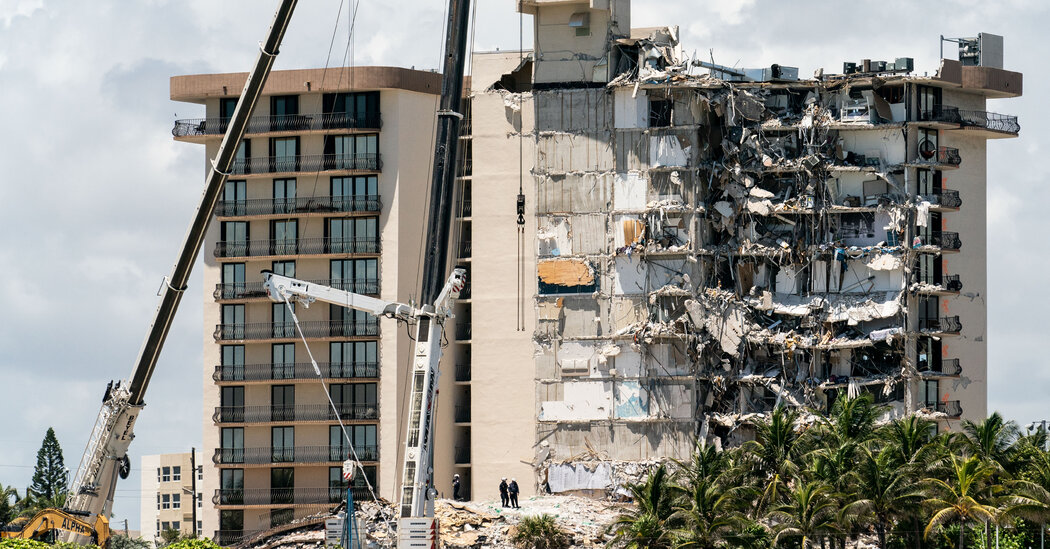
Investigators are focusing on construction flaws in the pool deck as the cause of the 2021 collapse of the Champlain Towers South condominium in Surfside, Florida, which resulted in 98 deaths. The National Institute of Standards and Technology (NIST) has found that the concrete used in the pool deck and supporting columns was weaker than required by building codes, and the added weight from planters contributed to increased stress. While the collapse likely initiated in the pool deck, NIST has not ruled out a failure initiation in some part of the tower structure. The investigation is examining at least 40 potential failure hypotheses and aims to complete its technical work by summer, with a draft report and recommendations expected in May 2025.
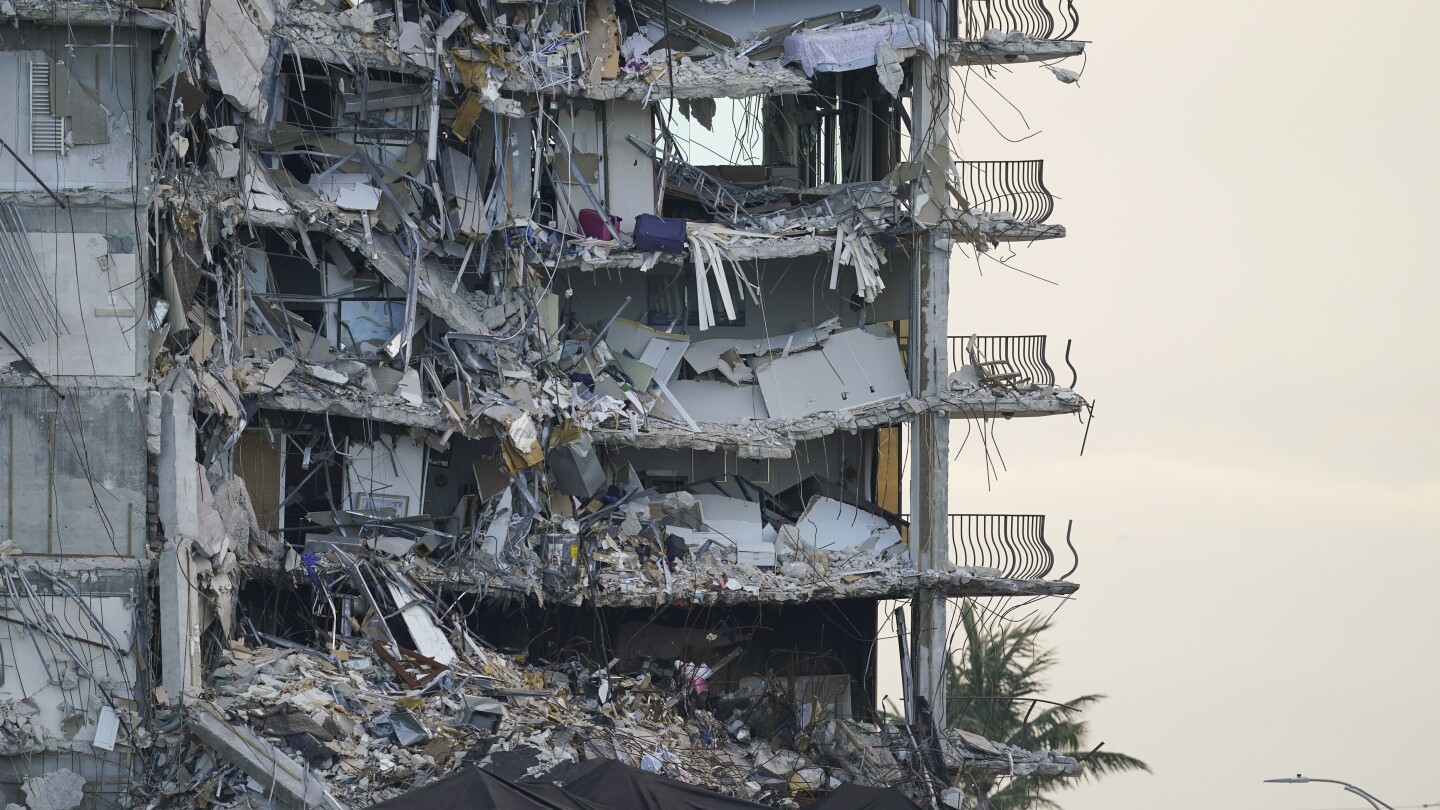
Federal investigators examining the partial collapse of a Florida condominium tower that killed 98 people have found numerous faulty support columns in the tenant garage and pool deck below the building. Tests revealed that some columns were only half the strength they should have been and were not up to construction standards when the tower was built in 1980. The pool deck collapsed minutes before the tower fell, likely damaging a support beam and causing the subsequent collapse. The investigation is ongoing, with preliminary results indicating potential structural issues and the possibility of external triggers for the collapse. Survivors and families of victims have expressed frustration over the length of the investigation and the lack of accountability.
Federal investigators are focusing on construction flaws on the pool deck as the cause of the deadly collapse of the Champlain Towers South condo building in Surfside, Florida, which claimed the lives of 98 people in June 2021. The investigation by the National Institute of Standards and Technology (NIST) has revealed significant design and construction problems, including weaknesses in the pool deck and concrete columns supporting the building. The NIST team is still exploring other possible failure hypotheses but plans to narrow down the field soon. The investigation is ongoing, and investigators are urging the public to provide any photos or videos of the collapse. Meanwhile, family members of the victims are expressing impatience with the investigation and objecting to plans for a new building on the site.
Federal investigators looking into the Surfside, Florida, condo collapse that killed 98 people in 2021 said the structure did not meet building codes when it was erected 42 years ago. National Institute of Standards and Technology (NIST) project leader James Harris said there were errors in construction and renovations that compounded those deficiencies. NIST is placing a particular emphasis on the pool deck, with pervasive concerns with the deck's design and misplaced slab reinforcement. NIST’s investigation will not be finished until May 2024 at the earliest. The final report could take an additional year.
The National Institute of Standards and Technology (NIST) has released preliminary findings on the partial collapse of the Champlain Towers South building in Surfside, Florida, which killed 98 people in 2021. NIST's investigation is focusing on the failure of the building's pool deck, which was constructed improperly and didn't meet building codes. The team found problems in the way the concrete was cast, leaving it permeable to water and corroding much of its steel reinforcement. The NIST team's leading hypothesis is that the collapse began when the pool deck failed due to punching shear failure. The final report is expected in two years.
Federal investigators have found that the pool deck of the Champlain Towers South condo in Surfside, Florida, which collapsed in June 2021, had a "severe strength deficiency" and failed to meet building codes and design parameters. The preliminary analysis suggests that the pool deck's failure could have triggered the collapse of the 13-story tower, which killed 98 people. Investigators have been conducting a complex inquiry into the cause of the collapse, including examining the original design and construction of the building, renovations and repairs, corrosion, ground settlement, and vibrations from nearby construction. The final report is not expected until May 2025.